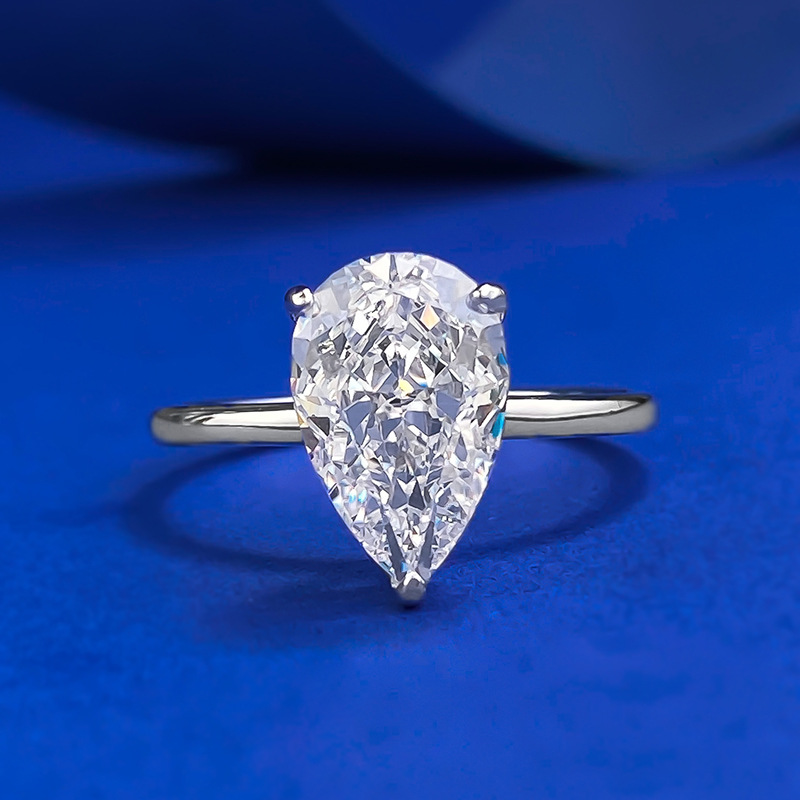
Fine Jewelry Insurance Rider Update Guide for Rings, Diamonds, and Gifts
A Fine Jewelry Insurance rider update guide helps you protect the pieces you wear, give, and keep for life. Engagement rings, lab-grown diamond studs, tennis bracelets, wedding bands, and anniversary necklaces deserve more than a receipt in a drawer. They need current records and coverage that matches the real item.
If you just bought from StoneBridge Jewelry, start your insurance notes while the details are fresh. Save the receipt, diamond report, product specs, and photos before daily wear begins. I've helped hundreds of couples think through engagement ring details, and one thing I always tell them is this: the most romantic jewelry still needs a very practical paper trail. You can browse our engagement rings, compare lab-grown diamonds, or explore fine jewelry gifts with insurance-ready records in mind.
What a Jewelry Rider Does
A jewelry rider, often called scheduled personal property coverage, lists one valuable item on your homeowners or renters policy. Some carriers also offer a separate personal articles policy. The purpose is simple: your ring, bracelet, necklace, or earrings get item-level coverage instead of sitting under a broad household limit.
Standard policies often limit jewelry claims. The National Association of Insurance Commissioners notes that homeowners policies may cap theft coverage for jewelry, and many common policy examples use limits near $1,500 unless you schedule the item. That amount may not come close to replacing a diamond engagement ring or a 3.00 total carat weight tennis bracelet.
A Fine Jewelry Insurance rider update guide keeps the policy from falling behind the jewelry. If your ring now has a larger center diamond, a new platinum setting, or a fresh appraisal, your old schedule may be wrong. A vague line like white gold diamond ring can also make replacement harder.
Fine Jewelry Insurance Rider Update Guide: When to Review Coverage
Use this Fine Jewelry Insurance rider update guide whenever the item, owner, value, or address changes. Don't wait for renewal if you bought or changed something valuable. A short call now can save stress later.
Update your rider after these events:
- You buy an engagement ring, wedding band, diamond pendant, bracelet, or earrings.
- You upgrade a center stone, add side stones, or change the setting.
- You receive a new appraisal or retail replacement value.
- You resize, repair, refinish, or restore a valuable piece.
- You move, marry, combine policies, or change the named owner.
- You gift jewelry to a spouse, partner, child, or family member.
- You switch insurers or change deductibles, limits, or claim terms.
Our customers often ask about insurance right after a proposal, usually while they're still glowing from the excitement. That's the right instinct. An engagement ring is meant to be worn, admired, and lived in, but daily wear brings real exposure: loose prongs, travel, gym lockers, beach trips, hotel rooms, and simple forgetfulness (trust me, I've seen it happen).
After a New Jewelry Purchase
Contact your insurer as soon as the piece ships or leaves the store. Some policies offer short-term coverage for newly acquired jewelry, but limits and time windows vary. Ask your carrier what applies before you assume the ring is covered.
Gather the purchase receipt, product description, diamond grading report, photos, and appraisal if required. For a StoneBridge purchase, save the lab-grown diamond details, metal type, setting style, carat weight, and order records. If you're still designing a ring, our ring builder can help you compare diamond specs before you request coverage.
A fine Jewelry Insurance Rider update guide is especially useful for online purchases. You may not have a paper packet in your hand, so download and store digital records right away. Keep a backup outside your email inbox.
After an Appraisal, Upgrade, or Repair
A new appraisal can change the insured value. So can replacing a 1.00 carat oval diamond with a 2.00 carat stone, switching from 14k gold to platinum, adding a hidden halo, or resetting a family diamond.
Even a resize can affect the description. The value may not change much, but the work can alter the shank, engraving, or setting details. Save before-and-after photos, repair receipts, and jeweler notes.
A fine Jewelry Insurance Rider update guide works best when your records follow the real life of the piece. If the jewelry changed, the policy should change too.
Buying Details That Make Insurance Easier
The best time to think about insurance is while you are choosing the jewelry, not weeks later when the exact specs are harder to remember. A strong product description should read like a clear blueprint: diamond shape, carat weight, color, clarity, cut grade when applicable, measurements, metal, setting style, ring size, and any accent stones. If two rings look similar in photos, those details explain why one may cost much more to replace than the other.
For diamond engagement rings, pay close attention to the center stone report. Many lab-grown diamonds are accompanied by IGI or GIA reports that list the report number, shape, carat weight, color grade, clarity grade, polish, symmetry, fluorescence, and measurements. A 2.00 carat oval with F color and VS1 clarity is not the same insurance item as a 2.00 carat oval with J color and SI2 clarity, even if both are beautiful. For round brilliant diamonds, cut grade is especially important because Excellent or Ideal-style cut quality can affect both price and visual performance.
Metal choice also matters. 14k gold is popular because it balances durability, color, and value. 18k gold has a richer gold content and a slightly softer feel. Platinum is dense, naturally white, and often preferred for heirloom-style engagement rings, but it usually costs more and may require a different replacement estimate. White gold may need rhodium refinishing over time, while platinum develops a patina that some clients love and others prefer to polish. Record the metal type exactly; yellow gold, white gold, rose gold, and platinum should not be treated as interchangeable on a rider.
Setting style affects both price and risk. A low-profile bezel or semi-bezel can offer more protection around the diamond edge, while a high-prong solitaire gives a clean, classic look but may catch more easily on sweaters, gloves, or luggage straps. Pave bands add sparkle, yet they also add many small stones that should be described by approximate total carat weight and count when available. Hidden halos, cathedral shoulders, French-set accents, and custom baskets are not just design language; they are replacement details.
Price ranges can vary widely, so use them only as context. A simple lab-Grown Diamond Pendant may be under $1,000, while diamond studs, tennis bracelets, and engagement rings can range from the low thousands to well above $10,000 depending on carat weight, stone quality, metal, and craftsmanship. If a gift is close to your insurer's scheduling threshold, ask about coverage before the return window closes. That gives you time to adjust the purchase, request an appraisal, or choose a policy that fits the piece.
Documents Your Insurer May Request
Insurers need enough detail to identify and replace the item. A strong file reduces guesswork if a claim ever happens. It also helps a jeweler match the replacement more closely.
Prepare these records:
- Purchase receipt with date, price, and seller name.
- Appraisal with retail replacement value, if your insurer requires one.
- Diamond grading report from IGI, GIA, or another recognized lab when available.
- Item type, metal, setting style, ring size, bracelet length, or necklace length.
- Diamond details, including shape, carat weight, color, clarity, cut, measurements, and total carat weight.
- Gemstone details, including species, size, count, and treatment notes when known.
- Photos of the top, side, profile, clasp, hallmark, engraving, and inside of the band.
GIA and IGI reports help verify diamond characteristics, but they don't replace an insurance appraisal in every case. GIA explains that cut quality affects brightness, fire, and scintillation, while grading reports record measurable diamond traits. Your insurer decides which documents it needs for scheduling.
Receipts, Reports, and Appraisals Are Different
A receipt proves what you paid and where you bought the piece. A grading report identifies diamond characteristics. An appraisal estimates a value for a stated purpose, often insurance replacement.
Those numbers may not match. Purchase price can reflect a sale, promotion, or market timing. Retail replacement value estimates what it may cost to replace the item with a comparable piece in the current market.
A fine jewelry insurance rider update guide should keep those roles clear. Ask your insurer whether it uses agreed value, replacement value, actual cash value, or another claim method.
Photos and Identifying Details
Take photos before the item shows wear. Use bright, natural light and capture several angles. Include hallmarks, engravings, unique settings, clasps, and any visible laser inscription.
Store photos with your policy documents. If a theft or fire affects your home, you don't want the only copies sitting in the same drawer as the jewelry. Use secure cloud storage plus a physical backup.
How to Update a Fine Jewelry Insurance Rider
This fine jewelry insurance rider update guide turns the process into a simple checklist. You can use it for a new StoneBridge engagement ring, a lab-grown diamond upgrade, a family gift, or a fresh appraisal.
Call your agent or carrier. Ask whether the piece belongs on your homeowners policy, renters policy, scheduled rider, or separate valuable items policy.
Send the records. Provide the receipt, appraisal, grading report, photos, product specs, and repair or upgrade paperwork.
Confirm the value basis. Ask how the insurer defines replacement value, agreed value, retail replacement value, or actual cash value.
Review covered losses. Check theft, accidental loss, mysterious disappearance, damage, travel, and worldwide coverage.
Ask about exclusions. Wear and tear, loose stones, gradual damage, unattended baggage, or improper maintenance may be treated differently by each carrier.
Compare deductibles. A higher deductible may lower the premium, but it also raises your out-of-pocket cost during a claim.
Confirm repair or replacement options. Can you choose StoneBridge Jewelry or another preferred jeweler, or must you use an insurer network?
Save written proof. Keep the declarations page or schedule showing the item description, insured value, deductible, and effective date.
If your ring were lost tomorrow, would your records and policy be ready? If the answer is unclear, review the rider now. Honestly, I think this is one of those unglamorous tasks that future-you will be extremely grateful you handled.
Cost, Value, and Practical Coverage Choices
Jewelry insurance pricing depends on item value, location, deductible, claims history, and coverage terms. Many jewelry insurance providers describe annual premiums as roughly 1% to 2% of the insured value, though your exact quote may be higher or lower. Treat that as a starting point, not a promise.
A fine jewelry insurance rider update guide helps you avoid two common mistakes. Underinsuring can leave you short when replacing the piece. Overinsuring can raise premiums without improving the claim outcome if the policy won't pay more than a comparable replacement costs.
Use this quick comparison before you choose coverage:
| Coverage Choice | Best For | Watch For | Buyer Action |
|---|---|---|---|
| Standard homeowners or renters coverage | Lower-value everyday jewelry | Jewelry sublimits and exclusions | Read the valuables section |
| Blanket jewelry coverage | Several modest pieces | Less item-specific detail | Keep photos and receipts |
| Scheduled jewelry rider | Engagement rings, diamond studs, tennis bracelets, premium gifts | Documentation requirements | Update values and descriptions |
| Separate valuable items policy | Larger collections or specialized needs | More underwriting questions | Compare claim terms and jeweler choice |
Lab-grown diamond jewelry still needs accurate insurance records. A 2.50 carat lab-grown oval diamond in platinum should not be scheduled as a one carat diamond ring. Clear specs protect your options.
Here's what nobody tells you: the best insurance file is usually built in tiny steps, not in one perfect afternoon. Save the receipt today, take photos tomorrow, confirm the rider once the insurer replies, and you're already far ahead of most people (yes, even on a budget).
Shipping, Returns, and the Coverage Gap
Online Fine Jewelry Shopping adds one more timing question: when does your responsibility begin? Review shipping confirmation, delivery requirements, signature rules, and the seller's return policy before the package is on its way. If a ring is delivered to a home, office, apartment mailroom, or doorman building, ask how the carrier records delivery and whether an adult signature is required.
For higher-value jewelry, avoid leaving a package unattended. If you cannot be home, use the approved delivery options provided by the seller or carrier, and do not redirect a shipment casually without checking whether that affects shipping protection. Save tracking numbers, delivery confirmation, packing slips, and return authorization emails. These records can help clarify what happened if a package is delayed, damaged, or missing.
Returns and exchanges also deserve careful handling. If you exchange a 1.50 carat cushion diamond for a 2.20 carat radiant, the original insurance request may no longer match the final ring. If you change from a yellow gold solitaire to a platinum three-stone setting, update your documentation before assuming the same rider applies. Keep the final invoice, not just the first checkout receipt.
Sizing, Fit, and Everyday Wear Details
Ring size is more than comfort; it is part of the item description. A size 4.5 ring and a size 8 ring may use different amounts of metal, and a major resize can affect engraving placement, pave durability, or the structure of the shank. If the ring has diamonds around most or all of the band, ask before ordering whether it can be resized later. Eternity bands are especially difficult to alter because stones circle the entire ring.
For engagement rings, many buyers choose a slightly snug fit that can pass over the knuckle with gentle resistance. Fingers change with temperature, activity, pregnancy, travel, and time of day, so one quick measurement may not be enough. If the ring spins constantly, the center stone can strike surfaces more often. If it is too tight, removal during swelling can become stressful. Both situations can lead to avoidable repairs.
Bracelet and necklace lengths should also be recorded. A tennis bracelet might be 6.5, 7, or 7.5 inches, and a Diamond Pendant Chain might be 16, 18, or 20 inches. Clasp type matters too. Lobster clasps, box clasps, safety catches, and hinged posts are small details, but they help identify the correct replacement.
Common Mistakes to Avoid
One common mistake is insuring only the center diamond and forgetting the setting. In many engagement rings, the mounting, accent stones, and labor represent a meaningful portion of the replacement cost. A platinum pave setting with a hidden halo and custom basket should be documented separately from the diamond report.
Another mistake is relying on a vague appraisal from years ago. Jewelry markets move, lab-Grown Diamond Prices can change, metal prices fluctuate, and design preferences evolve. If the appraisal describes a ring as diamond ring, white metal, approximately 1 carat, ask for a more detailed document. Better wording can make a real difference during replacement.
Do not assume every loss is covered just because the item is scheduled. Some policies treat chipped stones, loose diamonds, clasp failure, international travel, or unattended luggage differently. Ask direct questions: Is mysterious disappearance covered? What happens if one earring is lost? Can a damaged ring be repaired by my chosen jeweler? Is there a deductible? Will the insurer replace with like kind and quality or issue a cash settlement?
Finally, avoid storing all jewelry records with the jewelry itself. If a burglary, fire, or flood affects that location, you could lose the item and the proof at the same time. Keep a secure digital folder, and label files clearly with the item name, purchase date, report number, and policy number.
Care Habits That Support a Claim
Insurance doesn't replace good care. Remove rings before heavy lifting, swimming, gardening, or cleaning with harsh chemicals. Store diamond jewelry separately because diamonds can scratch metal and other gemstones.
Check prongs, clasps, posts, backs, hinges, and safety catches on a regular schedule. A tennis bracelet depends on many small parts working together. A loose clasp can turn into a loss in seconds.
For rings worn every day, inspect the prongs every few weeks with a quick visual check. If a prong looks lifted, a stone rattles, or fabric catches on the setting, stop wearing the ring until a jeweler can inspect it. For earrings, make sure posts are straight and backs fit securely. For necklaces, check that the chain is not thinning near the clasp or pendant bail.
Clean diamond jewelry gently at home with warm water, mild dish soap, and a soft brush unless your jeweler has given different instructions for that specific piece. Avoid bleach, abrasive cleaners, toothpaste, and harsh ultrasonic use without guidance. Some gemstones and treated stones need more careful handling than diamonds.
Keep maintenance receipts and updated photos. If you resize a ring, repair a chain, replace a stone, or tighten prongs, add that record to your insurance file. A fine jewelry insurance rider update guide works better when care records are easy to find.
Shop With Insurance-Ready Confidence
A fine jewelry insurance rider update guide gives you a clear plan after every purchase, appraisal, repair, upgrade, move, or gift. It helps you collect the right documents, ask better insurer questions, and keep your scheduled coverage current.
In my years at StoneBridge, I've seen how much thought goes into choosing a ring for a proposal, a wedding band for the person you're building a life with, or a diamond gift that marks a milestone. Those moments carry real feeling. The paperwork may not feel sentimental, but it helps protect the story behind the piece.
StoneBridge Jewelry shoppers can plan ahead by saving product details from the start. Browse StoneBridge engagement rings, shop lab-grown diamonds, or choose gifts from our fine jewelry collection. If your insurer asks for product details, contact our jewelry experts and we'll help with the information available for your purchase.
The right rider can't prevent a loss, but it can make recovery easier. Use this fine jewelry insurance rider update guide before the jewelry leaves your mind and becomes part of everyday life.
FAQ
How often should I update a fine jewelry insurance rider?
Review your rider after a new purchase, appraisal, repair, resize, upgrade, move, marriage, gift, or policy change. Check the schedule at renewal to confirm the value, description, deductible, and owner are still correct. A fine jewelry insurance rider update guide helps you spot changes before they become claim problems.
Do I need an appraisal for a lab-grown diamond engagement ring?
Maybe. Some insurers accept a receipt, product specs, photos, and an IGI or GIA diamond report for lower-value pieces. Others require a formal appraisal once the ring passes a certain value. Ask your carrier for its threshold Before You Buy coverage.
What documents should I keep after buying fine jewelry online?
Save the receipt, order confirmation, product specs, diamond report, appraisal if required, and clear photos from several angles. Include hallmarks, engravings, clasps, ring size, metal type, and diamond details. Store digital copies in secure cloud storage and keep a physical copy away from the jewelry.
Will homeowners insurance cover an engagement ring without a rider?
It may offer limited protection, but standard coverage often has jewelry sublimits and exclusions. Theft may be capped, and accidental loss may not be covered the way you expect. A scheduled jewelry rider gives higher-value engagement rings and fine jewelry more specific coverage.
Should I update my rider after resizing or upgrading my ring?
Yes, especially if the work changes the value, structure, or description. Report center stone upgrades, new settings, added halos, stone replacements, engraving changes, and major repairs. Even a simple resize is worth documenting with a receipt and updated photos.
Ready to Find Your Perfect Diamond?
Explore our collection of certified lab-grown diamonds
Shop Diamonds