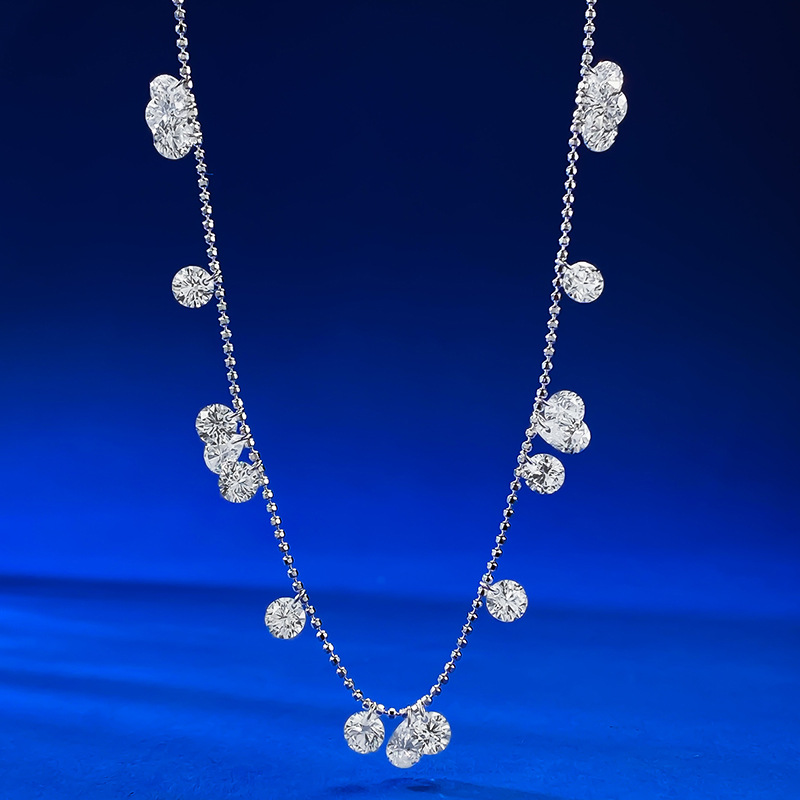
Fine Jewelry Insurance Courier Receipt Tracker for Safer Purchases
A Fine Jewelry Insurance courier receipt tracker protects the paper trail behind a valuable purchase. It keeps receipts, tracking numbers, appraisals, grading reports, delivery proof, policy details, and repair notes in one organized place.
For StoneBridge Jewelry customers, that record can matter as much as the box itself. A lab-grown diamond ring, tennis bracelet, pendant, pair of diamond studs, or wedding band may carry financial value, personal meaning, or both.
Customers feel more confident when they plan for documentation before the shipment leaves the jeweler. The tracker does not replace jewelry insurance or careful shopping. It gives you the records those steps often require.
Why Jewelry Purchase Records Matter
Buying fine jewelry online is convenient, but the details can scatter fast. One receipt sits in your inbox. A courier update arrives by text. An appraisal lives as a PDF. The insurance policy may be stored in a separate portal.
A Fine Jewelry Insurance courier receipt tracker pulls those pieces together. If a package is delayed, damaged, misdelivered, or lost, you will not have to search five places while you are stressed.
Retailers, carriers, appraisers, and insurers often ask for different proof. StoneBridge may need the order number, SKU, product details, and customer information. A courier may ask for the tracking number, service level, scan history, declared value, and delivery confirmation.
An insurer may request proof of ownership, purchase price, photos, appraisal value, grading report details, and policy number. When those items are already organized, the conversation usually moves faster.
GIA's diamond grading system uses the 4Cs: cut, color, clarity, and carat weight. IGI reports also list identifying details such as report numbers, measurements, shape, and grading results. Those data points help connect a document to the exact diamond you bought.
Records also protect you from small misunderstandings that become expensive later. If you bought an 18K yellow gold setting but the appraisal says 14K, or if the center diamond is listed as 1.80 carats instead of 1.08 carats, you want to catch that while the order, invoice, and grading report are easy to compare. Your tracker gives you one place to verify those details before you submit documents to an insurer.
What a Fine Jewelry Insurance Courier Receipt Tracker Should Include
A Fine Jewelry Insurance courier receipt tracker should be simple enough to update in a few minutes. If it feels like homework, you probably will not keep using it.
Start with the basics: purchase date, order number, product name, price, metal, diamond details, courier name, tracking number, delivery date, and insurance value. Then add the documents that support those fields.
Useful tracker sections include:
- Purchase receipt, order confirmation, payment record, and gift receipt if needed
- StoneBridge order number, SKU, product name, metal type, ring size, chain length, or bracelet length
- Diamond shape, carat weight, cut, color, clarity, measurements, and grading report number
- Shipping carrier, tracking number, ship date, service level, declared value, and delivery status
- Signature confirmation, hold-for-pickup notes, delivery location, and package condition photos
- Appraisal date, appraised value, appraiser contact details, insurance company, policy number, and deductible
- Warranty, care plan, cleaning schedule, resizing notes, repair history, and renewal reminders
This tracker works well for engagement rings, wedding bands, lab-grown diamond studs, solitaire pendants, tennis bracelets, anniversary bands, and heirloom-quality pieces. Each item may pass through purchase, shipment, delivery, appraisal, insurance, care, repair, and future upgrade steps.
If you are planning a proposal, do not wait until the week before. Shop StoneBridge engagement rings, choose the setting and diamond you love, then save the receipt, grading report, courier record, and appraisal in the same folder.
Receipt, Tracking, and Insurance Fields
The best Fine Jewelry Insurance courier receipt tracker mirrors the questions people ask during a claim or policy update. It should show what you bought, what it cost, how it shipped, where it arrived, and how it is insured.
Include these fields for every major purchase:
- StoneBridge order number and purchase date
- SKU, product name, or custom design reference
- Metal type, such as 14K gold, 18K gold, platinum, or rose gold
- Diamond shape, carat weight, cut, color, clarity, measurements, and report number
- Total purchase price, sales tax, shipping cost, and discounts
- Courier, service level, tracking number, ship date, and delivery date
- Declared shipping value, appraisal value, and insured value
- Signature confirmation, pickup confirmation, and delivery location notes
- Appraisal date, appraised value, appraiser name, and contact information
- Warranty terms, care instructions, resizing history, and repair notes
Why track three values? Purchase price, declared shipping value, and appraised replacement value are not always the same. A Fine Jewelry Insurance courier receipt tracker keeps them separate, which can prevent confusion during a claim.
Diamond, Metal, and Setting Details to Record
When the jewelry includes diamonds, record more than the total carat weight. For an engagement ring, list the center stone separately from accent diamonds. A 1.50 carat oval center diamond with 0.30 carats of pavé accents should not be written only as "1.80 carats total." If the center stone ever needs to be identified, replaced, or upgraded, the individual grading report and measurements matter.
For lab-grown diamonds, keep the grading report number, shape, measurements, carat weight, cut grade when available, color grade, clarity grade, polish, symmetry, fluorescence, and inscription details if listed. Many buyers choose near-colorless grades such as G, H, or I for strong value, while others prefer D, E, or F for a cooler white look in platinum or white gold. Clarity choices also affect price. VS1 and VS2 diamonds are popular for buyers who want clean appearance without paying for higher grades that may look similar to the naked eye.
Metal choice belongs in the tracker because it affects appearance, durability, resizing, and future maintenance. 14K gold is durable and often more budget friendly. 18K gold has a richer gold content and a slightly softer feel. Platinum is dense, naturally white, and often chosen for engagement rings, but it can cost more and develop a patina over time. Rose gold has a warm tone that flatters many skin tones, though some wearers with copper sensitivity may want to discuss alloy content before choosing it.
Setting details are just as important. Prong settings show more of the diamond and are classic for solitaires, but prongs should be checked periodically. Bezel settings protect edges well and suit active wearers, though they can make a diamond look slightly more framed. Pavé bands add sparkle but include many small stones that need secure beads or prongs. Halo settings create a larger face-up look, while cathedral settings add height and structure. Save the setting style in your tracker so an appraiser, jeweler, or insurer understands the original design.
Digital, Printed, or Both?
A digital tracker is easy to update. A spreadsheet, cloud folder, or secure notes app can hold receipts, courier screenshots, photos, policy PDFs, and grading reports.
A printed tracker still has a place. It helps with household files, estate planning, and insurance records. Keep printed copies somewhere secure and separate from the jewelry.
For most buyers, the best setup includes both formats. Use a digital file for quick access and a printed summary for long-term records. If your ring is stolen and the documents are in the same jewelry box, the claim process can get harder.
Privacy matters here. Do not post tracking numbers, delivery windows, insured values, or appraisal pages online. Use password protection, two-factor authentication, and folder names that do not advertise value.
A folder labeled "2025-04 StoneBridge Order 1842" is safer than one labeled "2 Carat Diamond Ring Insurance." Small choices like that reduce exposure.
Digital files should be backed up in at least two secure places. A cloud folder is convenient, but a local encrypted backup can help if you lose account access or change phones. For printed records, avoid storing the only copy in a jewelry box, glove compartment, or luggage. A home safe, safe deposit box, or protected household document file is a better choice for appraisals, policy schedules, and grading reports.
How a Tracker Helps With Claims, Repairs, and Policy Updates
A Fine Jewelry Insurance courier receipt tracker does not guarantee a claim will be approved. Your policy terms, exclusions, deductible, timing, and carrier rules still control the outcome.
Organized records still make a difference. They make it easier to answer questions, verify dates, and prove ownership. That can save hours when you are dealing with a lost package, stolen ring, damaged setting, or policy update.
For example, an engagement ring delivery may need shipment scans, signature proof, appraisal details, and insurance activation before the proposal. An anniversary bracelet may need the receipt, delivery proof, warranty, and clasp repair notes later.
Travel creates another reason to stay organized. If luggage is lost or jewelry is stolen during a destination wedding, you will want photos, appraisals, receipts, and policy information available from your phone.
Customers often remember the ring style but forget the exact carat weight, report number, or metal alloy years later. A fine Jewelry Insurance Courier Receipt tracker saves those details while they are fresh.
Repairs are another place where records prevent confusion. If a jeweler tightens prongs, replaces a missing accent stone, re-tips claws, adjusts a Tennis Bracelet Clasp, or solders a chain, save the service date and receipt. For rings, record whether the work affected sizing, engraving, rhodium plating, or the original warranty. For bracelets and necklaces, note clasp type, length changes, and whether any links were removed and returned to you.
Insurance Records Are Not All the Same
A purchase receipt shows what you paid. An appraisal estimates replacement value based on materials, workmanship, diamond details, and market conditions. A Jewelry Insurance Policy explains coverage, exclusions, deductible, and claim steps.
Courier declared value is different again. It relates to shipment protection, not long-term ownership coverage. A Fine Jewelry Insurance courier receipt tracker helps you keep each record in the right lane.
GIA and IGI grading reports serve a separate purpose. They document diamond characteristics, such as shape, measurements, color, clarity, carat weight, and report number. Those details can help identify a stone if you need service, insurance review, resale paperwork, or an upgrade.
Many insurers ask for appraisals above certain value thresholds, while some accept a recent purchase receipt for lower-value items. Confirm your provider's rules before you assume you are covered.
Ask whether your policy covers mysterious disappearance, damage, theft, loss during travel, and replacement with like kind and quality. Also ask whether repairs must be handled by an approved jeweler and whether the policy pays cash value or replacement cost. Those details affect how useful your appraisal and tracker will be if you need to file a claim.
Cost and Value of Jewelry Documentation Tools
A fine jewelry insurance courier receipt tracker can cost nothing. A simple spreadsheet and secure cloud folder may be enough for one ring or pendant.
Paid apps can add receipt uploads, reminders, photo storage, exports, and mobile access. Printable templates work well for buyers who like a clean physical file.
The tool should match the value and number of pieces you own. A $900 pair of studs may need fewer notes than a $6,000 engagement ring with a 2.00 carat center stone and platinum setting. A 5.00 total carat tennis bracelet may need updated appraisals over time.
Compare these Options Before You choose:
| Option | Best For | Strength | Watch For |
|---|---|---|---|
| Spreadsheet | Most buyers | Flexible, low cost, easy to edit | Needs regular backup |
| Cloud folder | Receipts, photos, and PDFs | Easy access from phone or laptop | Requires strong security |
| Printable tracker | Insurance files and estate planning | Simple to review and share | Can become outdated |
| Paid app | Larger collections | Uploads, reminders, and exports | Review privacy terms |
| Retailer records | Proof of purchase | Direct order and product details | Store with insurance files |
If you are comparing stones, save each report number and measurement before checkout. Browse StoneBridge lab-grown diamonds and record the details that help identify the diamond later.
Price ranges can also guide how much documentation you keep. Everyday lab-grown diamond studs may fall near the lower end of your jewelry file, while a custom engagement ring, three-stone ring, or tennis bracelet can justify fuller records. The higher the value, the more important it is to save grading reports, appraisals, photos, shipment scans, and policy confirmations in the same place.
What to Do Before Shipping and Delivery
A fine jewelry insurance courier receipt tracker works best when you pair it with careful delivery habits. Before checkout, review your name, email, phone number, billing address, shipping address, and delivery availability.
One wrong apartment number can create a real problem. High-value jewelry should never be shipped to an address where no trusted adult can receive it.
Once tracking begins, save the courier name, tracking number, service level, ship date, and any delivery exception messages. If hold-for-pickup is available at a secure location, decide whether that is safer than home delivery.
At delivery, inspect the package before opening it. Look for crushed corners, moisture, broken seals, tears, or signs of tampering. If anything looks wrong, take photos before you open the box.
Then inspect the jewelry, invoice, certificate, warranty, and packaging. Contact StoneBridge Jewelry quickly if something is missing or damaged, and keep all packaging until the issue is resolved.
You can use the same process for fine jewelry gifts and everyday pieces, including earrings, bracelets, necklaces, pendants, and wedding bands.
Review return and exchange rules before the shipment arrives, especially for rings that may need sizing or gifts that may not be opened immediately. Note the return window, whether the item must be unworn, whether tags or packaging must remain intact, and whether custom or engraved pieces have different rules. Save those terms with your receipt so you are not searching for them after a holiday, proposal, or anniversary.
Sizing, Appraisals, Care, and Ownership Notes
A fine jewelry insurance courier receipt tracker should not stop at delivery. Add ring size, resizing history, metal type, setting style, clasp repairs, prong checks, cleaning dates, and appraisal updates.
Photos help too. Take clear images of the top view, side profile, hallmarks, engraving, clasp, setting, and any special design details. Save them with the receipt and insurance documents.
Use specific notes. "Resized from 6.5 to 6.25 on March 2, 2026" is more useful than "ring resized." "1.50 carat oval lab-grown diamond, IGI Report Number saved" is stronger than "oval diamond."
Appraisal values can change as metal prices, diamond prices, labor costs, and retail replacement costs shift. Review important pieces every few years or whenever your insurer recommends it.
Sizing deserves extra attention because comfort affects how often jewelry is worn. Wide wedding bands often feel tighter than narrow bands in the same size, and stacking rings can change fit. Fingers can fluctuate with temperature, travel, exercise, pregnancy, and salt intake. For bracelets, record wrist size and finished length; a 7-inch tennis bracelet may fit one wearer loosely and another snugly. For necklaces, note chain length, pendant dimensions, and clasp type so replacements match the original proportions.
Care notes should be practical. Remove fine jewelry before swimming, heavy lifting, gardening, harsh cleaning, and activities that can bend prongs or stretch chains. Clean diamond rings with warm water, mild dish soap, and a soft brush when appropriate, then dry with a lint-free cloth. Avoid abrasive cleaners, bleach, and unknown ultrasonic use, especially for pieces with delicate pavé, mixed gemstones, or older settings. Add professional inspection dates to your tracker so prongs, clasps, and links are checked before a preventable loss occurs.
Fine Jewelry Insurance Courier Receipt Tracker Workflow
What should you do right after checkout? Follow a short routine while the details are still easy to find.
Use this workflow for a StoneBridge Jewelry purchase:
- Save the order confirmation as a PDF or screenshot.
- Record the StoneBridge order number, product name, SKU, purchase date, and total price.
- Add diamond details, metal type, ring size, chain length, bracelet length, or earring specifications.
- Save the grading report, appraisal, warranty, and product page screenshot if available.
- Record courier name, tracking number, service level, declared value, and ship date.
- Save unusual scan activity, delay notices, or delivery exception messages.
- Verify delivery, signature confirmation, pickup confirmation, and package condition.
- Photograph the jewelry from several angles and preserve packaging until confirmed.
- Upload delivery proof, photos, receipt, appraisal, and grading report to your secure folder.
- Contact your insurer or update your policy with the required documents.
A fine jewelry insurance courier receipt tracker also helps with gifts. Keep the purchase receipt, gift receipt, delivery proof, care instructions, and appraisal records, even if the recipient keeps the jewelry.
Future service belongs in the file too. Log clasp repairs, prong tightening, ring resizing, stone replacement, chain repairs, and diamond upgrades. Over time, your tracker becomes a clear ownership history.
Documentation Checklist for Each Purchase
Use this checklist for any important StoneBridge purchase:
- Purchase receipt and order confirmation
- Product page screenshot or product description
- StoneBridge order number and SKU
- Diamond grading report, if provided
- Appraisal and appraiser contact information
- Shipping confirmation and courier receipt
- Tracking number, delivery proof, and signature confirmation
- Insurance policy, rider, or scheduled item details
- Clear jewelry photos from multiple angles
- Warranty, care, repair, and resizing records
- Insurance renewal dates and appraisal review dates
Name files in a way you will understand later. Use the purchase date, item name, and document type. For example: "2026-02-14 Oval Ring Receipt" or "2026-02-20 Delivery Proof."
Common Documentation Mistakes to Avoid
Many buyers save the receipt but forget the supporting details that make the receipt useful. A credit card line item may prove that money changed hands, but it usually will not show diamond measurements, metal type, setting style, or report number. Save the full order confirmation and product details, not only the payment confirmation.
Another common mistake is letting the tracking link expire before saving proof of delivery. Courier pages may not remain easy to access forever. Take screenshots of shipment progress, delivery confirmation, pickup confirmation, and signature proof as soon as they appear. If there is a delay, address correction, weather hold, or delivery exception, save that too.
Do not assume an appraisal automatically starts insurance coverage. In many cases, you still need to contact the insurer, schedule the item, pay any premium, and receive confirmation. Add the effective date of coverage to your tracker. If the ring arrives on Friday but the policy starts Monday, that gap matters.
Finally, avoid vague photo records. A single beauty shot is not enough. Photograph hallmarks, engraving, side profile, under-gallery, clasp, chain tag, and any distinctive inclusions or design elements. Clear photos can help with identification, repair matching, and claim review.
Shop StoneBridge Jewelry With Records in Mind
StoneBridge Jewelry is built for buyers who care about lab-grown diamond quality, elegant design, clear documentation, and secure ownership. A fine jewelry insurance courier receipt tracker connects those steps after checkout.
As you shop, think through the full path of the piece: selection, certification, purchase, shipment, delivery, insurance, care, and future updates. Save receipts right away. Record shipping details when tracking is issued. Add appraisal and insurance information before the paperwork disappears in your inbox.
Ready to choose the piece and build the file at the same time? Explore StoneBridge's ring builder, engagement rings, wedding bands, diamond earrings, bracelets, necklaces, and fine jewelry gifts.
A fine jewelry insurance courier receipt tracker is a small habit with real value. It protects the story behind the jewelry you choose, wear, gift, insure, repair, and pass on.
Ready to Find Your Perfect Diamond?
Explore our collection of certified lab-grown diamonds
Shop Diamonds