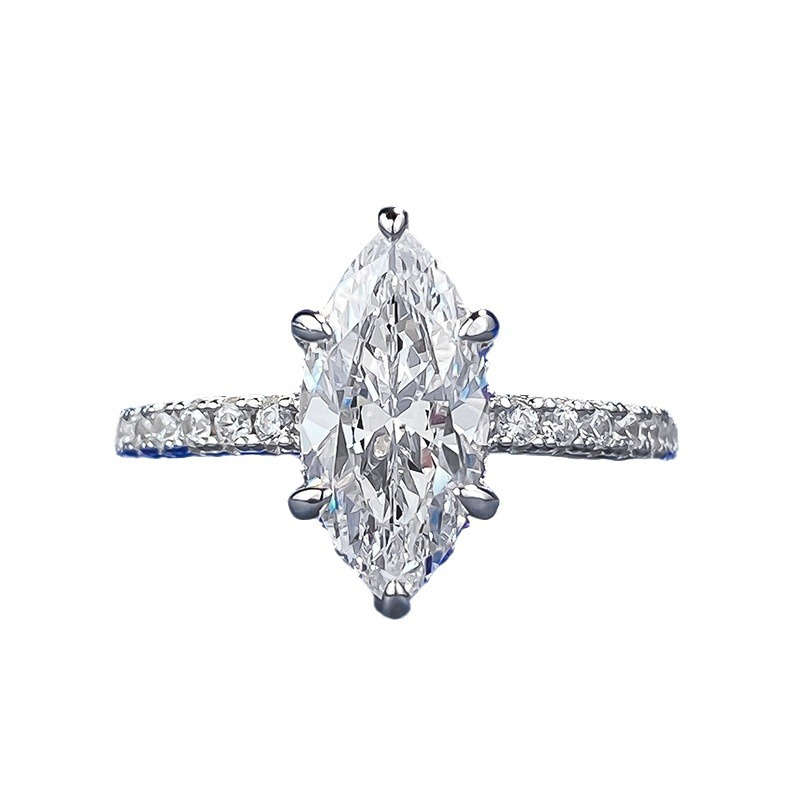
Fine Jewelry Insurance Claim Support Checklist for Smart Replacements
Losing or damaging a meaningful piece of jewelry is frustrating. The paperwork can feel just as stressful as the loss itself. A Fine Jewelry Insurance claim support checklist helps you gather the right records, compare replacement options, and avoid rushed buying decisions.
Use this guide before you call your insurer, request a jeweler's quote, or shop for a replacement ring, necklace, bracelet, earrings, or wedding band. The goal is simple: build a clear claim file, understand what your policy needs, and choose jewelry you'll be happy to wear again.
StoneBridge Jewelry helps customers replace insured fine jewelry with certified lab-grown diamonds, well-made settings, and clear product details. I've helped many customers walk through that slightly overwhelming moment when they have an appraisal in one hand, a claim number in the other, and no idea what to do next. The best outcomes usually start with organized documents and a realistic replacement plan.
Insurance policies vary. Some require pre-approval before purchase. Others ask for a quote, repair estimate, grading report, proof of ownership, or police report before payment. This Fine Jewelry Insurance claim support checklist brings the paperwork and shopping steps into one place.
Why a Jewelry Claim Checklist Saves Time
Jewelry claims depend on details. A ring described only as a "diamond ring" leaves too much room for guesswork. A ring described as a 1.75 carat oval lab-grown diamond, F color, VS1 clarity, IGI report, 14K yellow gold, hidden halo, size 6.5 gives your insurer and jeweler something useful to review.
A Fine Jewelry Insurance Claim support checklist can help with three common claim paths. Your insurer may approve a cash settlement, authorize a repair, or approve a comparable replacement. Each path needs documents that show what the item was, what happened, and what a fair replacement should include.
The Gemological Institute of America, known as GIA, teaches diamond quality through the 4Cs: cut, color, clarity, and carat weight. IGI also grades many lab-grown diamonds and reports measurements, growth method disclosure, polish, symmetry, fluorescence, and inscriptions. Those details matter because two diamonds with the same carat weight can have very different value and appearance.
Appraisal timing matters too. Many insurance professionals suggest updating jewelry appraisals every 2 to 3 years because retail replacement costs, gold prices, platinum prices, and diamond markets change. If your last appraisal is 8 years old, your claim may need extra review (trust me, I've seen old appraisals slow things down more than people expect).
Documents for a Fine Jewelry Insurance Claim Support Checklist
Start with proof. Before you shop, create a folder for every document tied to the lost, stolen, or damaged piece. Save digital copies and keep original documents in a safe place.
Your Fine Jewelry Insurance Claim support checklist should include:
- Original receipt, invoice, or order confirmation with seller, date, price, and item description
- Current appraisal with replacement value and jewelry specifications
- Diamond or gemstone grading report from GIA, IGI, GCAL, or another recognized lab
- Clear photos and short videos from before the loss or damage
- Warranty records, resizing notes, repair invoices, and service history
- Police report for theft claims, if your insurer or local rules require one
- Written loss statement with the date, location, and details of what happened
- Repair estimate or replacement quote from a trusted jeweler
- Insurance policy page or scheduled jewelry endorsement
- Emails from the insurer that list claim requirements or deadlines
Name files in a way that makes sense later. Use simple labels such as "engagement-ring-appraisal," "IGI-diamond-report," "pre-loss-ring-photo," and "replacement-quote." If you need to send documents quickly, you won't have to dig through old emails.
Proof of Purchase, Appraisals, and Diamond Reports
Proof of purchase helps show ownership. A strong invoice lists the metal, diamond shape, carat weight, gemstone count, setting style, and custom details. If you only have a credit card statement, include it, but try to pair it with photos or an appraisal.
An appraisal gives more detail. It may list metal purity, center stone grades, accent diamond weight, measurements, inscriptions, craftsmanship notes, and retail replacement value. For scheduled jewelry insurance, the appraisal often helped set the insured amount.
Diamond reports add independent grading. For lab-grown diamonds, a report may include carat weight, shape, color, clarity, measurements, polish, symmetry, fluorescence, and report number. Add each report to your fine Jewelry Insurance Claim support checklist so a jeweler can compare like-for-like options.
Photos, Videos, and Condition Notes
Photos can save a claim from becoming vague. For rings, include the top view, side profile, gallery, shank, hallmark, engraving, and prong style. For bracelets and necklaces, show the clasp, chain links, stone layout, metal stamp, and length.
Videos help too. A 10-second clip in natural light can show diamond shape, band width, setting height, halo layout, and overall sparkle. If the piece is damaged, take close-ups before repair unless your insurer gives different instructions.
If you don't have perfect photos, use what you have. Wedding photos, anniversary pictures, selfies, and travel photos can still help confirm design details. I always tell customers not to dismiss those candid proposal or reception photos; they often show the ring angle or setting profile better than a formal appraisal photo.
Police Reports, Loss Statements, and Repair Estimates
Theft claims often require a police report. Disappearance claims may need a written statement that explains when the jewelry was last seen, where it was worn or stored, and what you did to look for it. Ask your insurer what they need before assuming a document is optional.
For damage claims, request a repair estimate. A jeweler can check prongs, shank thickness, stone security, clasp wear, chain stretch, and gemstone damage. The estimate should state what needs repair, what materials are needed, and whether the item can be worn safely after repair.
For lost or irreparable pieces, request a replacement quote. A good quote lists diamond shape, carat weight, color, clarity, cut quality, certification, metal purity, setting style, accent stones, and warranty details. Keep that quote in your Fine Jewelry Insurance claim support Checklist Before You buy if pre-approval is required.
How to Compare Replacement Jewelry
Once your documents are ready, shop with the original specifications nearby. A fine jewelry insurance claim support checklist should act like a buying brief. It keeps your replacement aligned with the claim while leaving room for personal preference.
Some customers want the closest possible match. Others use the claim to choose a more durable setting, a different metal color, a larger lab-grown diamond, or a style that better fits their life now. Both paths can work if they fit the policy terms.
StoneBridge Jewelry offers certified lab-grown diamonds, engagement rings, and fine jewelry that can work well for insurance replacements. If you want to design around a specific stone, our ring builder can help you compare shapes, settings, and metals.
Review these replacement features before checkout:
- Diamond or gemstone type, shape, carat weight, and measurements
- Cut quality, color grade, clarity grade, and grading lab
- Metal type, such as platinum, 18K gold, or 14K gold
- Setting style, including prong, bezel, halo, pavé, solitaire, or three-stone
- Ring size, bracelet length, chain length, or earring back style
- Warranty, care guidance, resizing options, shipping time, and return terms
Diamond Quality and Lab-Grown Specifications
Diamond quality often drives replacement value more than any other feature. Carat weight affects size. Cut affects brightness and fire. Color grades show how colorless the diamond appears. Clarity grades describe internal and surface features.
Shape also changes how a diamond looks on the hand. A 2.00 carat oval may face up larger than a 2.00 carat round because of its outline. Emerald cuts show clarity more openly. Pears and marquise diamonds need careful symmetry review.
Lab-grown diamonds are real diamonds with the same carbon crystal structure as mined diamonds. They can be graded by GIA, IGI, and other labs using familiar quality terms. Depending on current pricing, a customer replacing a mined diamond may be able to choose a larger or higher-grade lab-grown diamond within the approved amount.
Honestly, I think this is one of the most overlooked parts of replacement shopping: you don't always have to recreate the original piece down to the last detail. Use your fine jewelry insurance claim support checklist to mark must-match details and flexible details. For example, carat weight and metal type may need to stay close, while setting style may have more room for choice.
Metal, Setting Style, and Craftsmanship
Metal affects price, feel, and wear. Platinum is dense, naturally white, and popular for engagement rings. White gold has a bright look and is usually rhodium plated. Yellow gold adds warmth. Rose gold has a softer blush tone from copper alloy.
Setting style affects both security and appearance. Prongs show more of the diamond, but they need regular checks. Bezels wrap metal around the stone and can feel sleek and protective. Pavé bands add sparkle, but they require careful setting work because small stones can loosen.
If your original ring had a cathedral profile, hidden halo, French pavé band, or custom gallery, include those details in the quote. A fine jewelry insurance claim support checklist should protect the design details, not just the center stone. Those little details are often what make an engagement ring feel like "your ring" instead of just another beautiful ring in a case.
Sizing, Fit, and Daily Wear
Fit can make or break the replacement experience. Confirm ring size before ordering, especially if your original ring was resized. Wider bands often feel tighter than narrow bands, and eternity bands may have limited resizing options.
For bracelets, measure the wrist and decide how much drape you like. A tennis bracelet should move a little, but it shouldn't slide too far down the hand. For necklaces, compare 16-inch, 18-inch, and 20-inch lengths against the necklines you wear most.
Earring backs matter too. Push backs are easy. Screw backs add security. Hinged hoops and lever backs can feel more secure for daily wear. Add these preferences to your fine jewelry insurance claim support checklist before placing the order (yes, even tiny comfort details matter when you wear something every week).
Replacement Value, Pricing, and Quotes
Replacement value is not always the same as the original purchase price, appraised value, cash payout, or sentimental value. Your policy decides how the insurer calculates the approved amount. Your jeweler helps explain what a comparable replacement should include.
Gold and platinum prices move over time. Jewelry pricing also reflects labor, design complexity, setting work, finishing, gemstone quality, and metal weight. A platinum ring usually weighs more than a similar gold ring, which can affect the replacement cost.
Diamond markets change as well. Lab-grown diamond pricing has become more accessible in recent years, which can help shoppers compare larger stones or higher grades. Quality still matters. A larger diamond with poor cut performance may not look better than a smaller, well-cut stone.
Use this table while reviewing replacement quotes:
| Decision Point | What to Compare | Why It Matters |
|---|---|---|
| Diamond size | Carat weight and measurements | Same carat weight can face up differently |
| Diamond quality | Cut, color, clarity, polish, symmetry | These grades affect beauty and value |
| Certification | GIA, IGI, GCAL, or other lab report | Independent grading supports fair comparison |
| Metal | Platinum, 18K gold, 14K gold | Metal affects cost, color, feel, and durability |
| Setting | Prong, bezel, halo, pavé, solitaire | Construction affects security and comfort |
| Support | Warranty, resizing, care, documents | Better support protects the new purchase |
A fine jewelry insurance claim support checklist helps you compare more than price. It helps you compare quality, security, documentation, and wearability.
How to Review a Replacement Quote
A replacement quote should be specific. "Diamond ring replacement" is not enough. The quote should list the diamond shape, carat weight, color, clarity, cut quality, grading lab, report number, metal purity, setting style, accent stones, total carat weight, and warranty details.
Don't pick the lowest number without reading the details. A lower quote may use a thinner shank, lighter metal weight, lower color grade, weaker cut, uncertified diamond, or less after-purchase support. Ask what is included and what is not.
Here's what nobody tells you: the cheapest replacement can become expensive if it does not hold up well or if the documentation is too thin for your insurer. If your insurer needs approval before purchase, send the quote first. Keep the approval email with your fine jewelry insurance claim support checklist so you can refer back to it after the order.
Repair, Replace, or Upgrade?
Repair may make sense when the original piece is still sound. Common repairs include prong rebuilding, stone tightening, shank repair, chain soldering, clasp replacement, earring post repair, and accent stone replacement. A jeweler should confirm whether the repair will restore safe wear.
Replacement may be better after theft, total loss, disappearance, or severe damage. If a ring head is crushed, the center diamond is missing, and the shank is badly warped, rebuilding may cost nearly as much as replacing.
An upgrade may be possible if your policy allows flexibility and you pay any difference beyond the approved amount. Many shoppers choose lab-grown diamonds because they can compare size, sparkle, and price more comfortably. Keep the insurer's approval in writing before you commit.
Final Claim Steps Before You Buy
Before checkout, pause for a quick review. Has the insurer approved repair, reimbursement, or replacement? Do they need the quote before purchase? Does the selected jewelry match the documented specifications closely enough?
Check the practical details too. Confirm ring size, chain length, bracelet length, setting height, earring backs, engraving, shipping timeline, and signature requirements. Custom settings, resizing, and engraving can add days or weeks, so build in extra time if your claim has a deadline.
StoneBridge Jewelry can help you compare lab-grown diamond rings, wedding bands, earrings, pendants, bracelets, and custom-style options. If you need help matching an appraisal or quote, contact our jewelry experts before ordering.
After purchase, save everything. Your new receipt, grading report, appraisal, product details, photos, videos, and warranty records should go straight into your fine jewelry insurance claim support checklist folder. Then contact your insurer to update the scheduled item or policy record.
Care and Future Documentation
The claim process is a good reminder to protect the replacement from day one. Clean diamond jewelry with mild soap, warm water, and a soft brush when the setting allows it. Skip ultrasonic cleaning unless a jeweler confirms it is safe for that specific piece.
Schedule professional inspections at least once a year for jewelry worn often. Prongs wear down. Pavé stones can loosen. Clasps thin with use. Chains stretch and catch.
Store high-value pieces in a safe place when you aren't wearing them. Avoid leaving rings near sinks, hotel nightstands, gym lockers, or open bags. Small habits can prevent the next claim.
Shop Fine Jewelry Replacements with StoneBridge Jewelry
A fine jewelry insurance claim support checklist turns a stressful claim into a clearer buying process. It helps you gather proof, understand value, compare comparable options, and choose a replacement with fewer surprises.
StoneBridge Jewelry focuses on lab-grown diamond jewelry with clear specifications, refined settings, and everyday wearability. You can shop lab-grown diamonds, explore engagement rings, browse fine jewelry, or use the ring builder to compare designs.
Don't wait until the claim deadline is close. Start organizing documents as soon as the loss or damage happens. Then shop with your approval, your specifications, and your personal style in mind.
The right replacement should do more than close a claim. It should feel like yours again, whether it marks a proposal, a wedding, an anniversary, or a gift from someone who knows exactly what would make you smile.
Ready to Find Your Perfect Diamond?
Explore our collection of certified lab-grown diamonds
Shop Diamonds