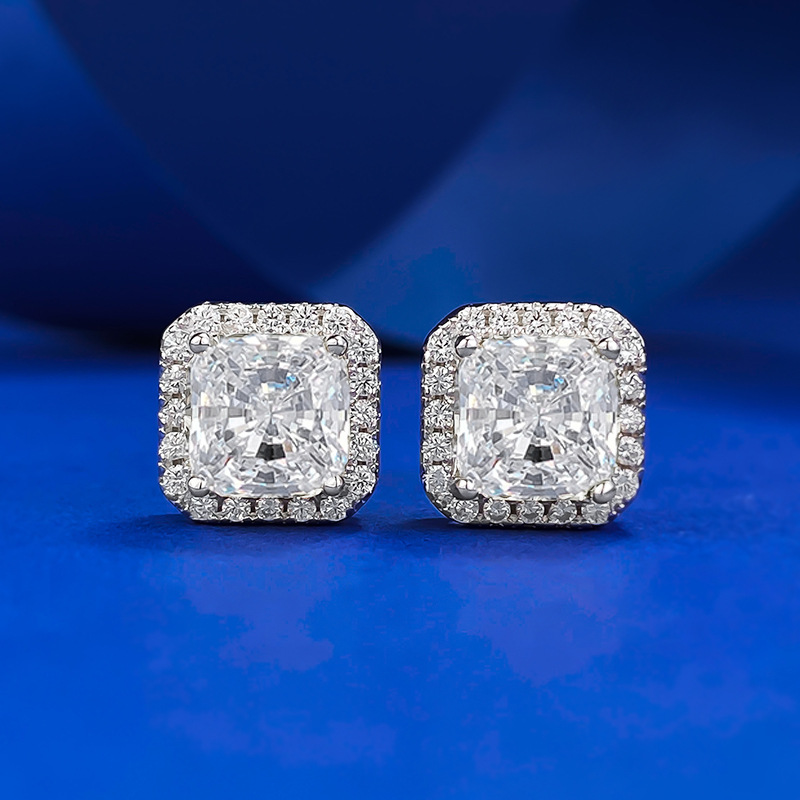
Fine Jewelry Insurance Adjuster Response Worksheet for Smarter Claims
A Fine Jewelry Insurance adjuster response worksheet gives you one place to organize a jewelry claim after loss, theft, or damage. Instead of digging through old emails while an adjuster waits for an answer, you can pull up receipts, appraisals, photos, diamond reports, and replacement options in minutes.
That matters most with jewelry that carries both money value and memory value. A diamond engagement ring, tennis bracelet, wedding band, or pendant is not easy to replace from a short description like "white gold ring." You need the details that made the original piece valuable, especially when the piece was tied to a proposal, anniversary, wedding day, or gift from someone you love.
I've helped many customers compare jewelry details after a loss, and the same pattern comes up again and again: the more specific the records, the calmer the claim conversation feels. A worksheet does not remove the emotion from losing a meaningful piece, but it does give you something steady to work from.
StoneBridge shoppers can also use the worksheet as a buying tool. It helps you compare an adjuster's offer against real replacement jewelry with similar metal, diamond quality, carat weight, setting work, and certification. If your policy lets you choose where to shop, clear notes can help you avoid settling for a piece that only looks close (trust me, that happens more often than people expect).
Start the worksheet before you accept a claim offer. Then compare current options from StoneBridge lab-grown diamonds, engagement rings, fine jewelry, or the ring builder while the original specifications are still easy to see.
Why a Fine Jewelry Insurance Adjuster Response Worksheet Helps
A Fine Jewelry Insurance adjuster response worksheet turns a stressful claim into a step-by-step review. It collects the policy details, item description, valuation records, adjuster messages, and current replacement prices. That is much easier than relying on memory.
Small jewelry details can change value quickly. A 1.50 carat oval diamond with F color and VS2 clarity is not the same as a 1.30 carat oval with H color and SI1 clarity. A platinum hidden-halo setting also is not equal to a plain 14k white gold solitaire.
GIA teaches the 4Cs--color, clarity, cut, and carat weight--as core diamond quality factors. IGI and GIA reports also list measurements, polish, symmetry, fluorescence, and report numbers. Those facts belong in your claim file because they support a like-for-like comparison.
Customers often feel more confident when they can point to exact specs instead of saying, "The offer feels low." A clear Fine Jewelry Insurance adjuster response worksheet lets you show what you owned, what the insurer offered, and what a comparable replacement costs now.
Use it to record:
- Policy number, claim number, deductible, date of loss, and adjuster contact details.
- Original purchase price, appraisal value, repair estimate, settlement offer, and current replacement price.
- Diamond shape, carat weight, cut, color, clarity, lab report, measurements, and metal type.
- Photos, receipts, appraisals, grading reports, police reports, and emails.
- StoneBridge replacement options with product links, prices, sizes, and specs.
Could you answer an adjuster's question about your center stone without opening five different files? If not, the worksheet is worth filling out before the next phone call.
What to Put in Your Jewelry Claim Worksheet
Your Fine Jewelry Insurance adjuster response worksheet should begin with claim basics. Add the insurance carrier, policy number, claim number, coverage type, deductible, date of loss, cause of loss, and every deadline you see in writing. Policy wording matters because replacement cost, actual cash value, scheduled jewelry coverage, and repair coverage can lead to different outcomes.
Next, describe the jewelry in technical terms. For a lab-grown diamond ring, include shape, carat weight, color, clarity, cut grade when available, measurements, grading lab, report number, metal, ring size, setting style, side stones, and design details. Use the same care for mined diamonds, gemstone jewelry, pearls, gold pieces, and platinum jewelry.
I know this part can feel a little tedious, especially if you just want the claim resolved. But those tiny details--the prong style, the side-stone count, the report number--are often the difference between a fair replacement and a disappointing one.
List every document by file name and date. This small habit saves time when you need to prove what you already sent. It also helps if a second adjuster joins the claim later.
Recommended documents include:
- Original receipt or order confirmation.
- Diamond grading report from GIA, IGI, GCAL, or another recognized lab.
- Jewelry appraisal with valuation date and item description.
- Clear photos from several angles, including damage close-ups if needed.
- Repair estimate from a qualified jeweler.
- Warranty, care plan, or service record.
- Police report or incident report, if required.
- Written emails, letters, claim portal messages, and vendor quotes.
A strong Fine Jewelry Insurance adjuster response worksheet also includes a replacement comparison section. Save current StoneBridge product URLs, prices, diamond specs, metal type, setting details, and available sizes. If inventory changes, screenshots can help show what you found and when you found it.
Compare the Adjuster Offer to a Real Replacement
The adjuster's offer should be tested against comparable jewelry, not a rough visual match. Comparable means the replacement has similar diamond quality, metal, setting construction, craftsmanship, certification, and size. A ring can look similar in a photo and still be very different on paper.
Use your Fine Jewelry Insurance adjuster response worksheet to compare each detail line by line:
| Comparison Point | Original Item | Adjuster Offer | StoneBridge Option |
|---|---|---|---|
| Center diamond | 1.50 ct oval, F, VS2 | 1.30 ct oval, H, SI1 | 1.50 ct oval, F-G, VS range |
| Metal | 14k white gold | 14k white gold | 14k white gold |
| Setting | Hidden halo pave | Plain solitaire | Hidden halo pave |
| Certification | IGI report listed | Not stated | Report or product specs listed |
| Price basis | Appraisal on file | Settlement amount | Current retail price |
This kind of table keeps the conversation factual. You can ask the adjuster why a lower clarity grade was used, why the setting style changed, or whether the offer reflects current replacement pricing.
If the proposed value seems inconsistent, ask for a written explanation. You may also want an independent appraisal or jeweler review. A documented question usually works better than a broad complaint.
Honestly, I think this is where many people give up too soon. They assume an insurance number is final, even when the replacement details do not match. A polite, well-documented response can open the door to a more accurate review.
Diamond Specs That Often Change a Claim Amount
When you compare diamonds, do not stop at carat weight. A 2.00 carat round brilliant with excellent cut, E color, VS1 clarity, no fluorescence, and an IGI or GIA report is a different replacement than a 2.00 carat round with very good cut, J color, SI2 clarity, strong fluorescence, and no report number listed. Both may be described as "two carats" in casual conversation, but they should not be treated as equal on a worksheet.
For round diamonds, cut grade deserves special attention because it affects brightness, fire, and visual size. For fancy shapes such as oval, pear, emerald, cushion, radiant, and marquise, review measurements and proportions because many reports do not give an overall cut grade. Two 1.50 carat ovals can face up differently if one is longer and shallow while the other is deeper and narrower. Note length-to-width ratio if the original shape had a look you loved; many oval buyers prefer about 1.35 to 1.50, while emerald-cut buyers often prefer a balanced rectangular outline around 1.30 to 1.50.
Clarity should also be translated into real appearance. VS1 and VS2 diamonds are usually eye-clean, while SI grades need closer review. Color tolerance depends on shape and metal. A G or H diamond can look bright in white gold or platinum, while I or J can be a smart value in yellow gold or rose gold, especially if the stone is well cut. Your worksheet should not demand better specs than you owned unless you are paying for an upgrade, but it should prevent a downgrade from being hidden inside vague language.
Fine Jewelry Insurance Adjuster Response Worksheet Fields by Jewelry Type
Different jewelry needs different notes. A fine jewelry insurance adjuster response worksheet should leave room for the details that affect each category.
For engagement rings, record the center stone, side stones, prong style, hidden halo or accent work, ring size, metal, and setting height. For wedding bands, note width, profile, finish, engraving, diamond count, and total carat weight. For diamond studs, track total carat weight, matched stone grades, backing style, and metal.
Tennis bracelets need length, clasp type, link style, diamond count, total carat weight, metal, and setting security. Pendants and necklaces need chain length, pendant size, clasp type, diamond specs, and metal. These details can shift replacement cost more than many shoppers expect.
For example, a 3.00 carat total weight tennis bracelet in 14k white gold with SI clarity diamonds will not price like a 5.00 carat bracelet with VS clarity stones and a heavier clasp. A solitaire with a hidden halo also takes more materials and labor than a simple four-prong mounting.
Use the worksheet to compare specifications, not impressions. That is the safest way to judge whether a StoneBridge replacement option truly matches the insured item.
Claim Communication Log
The communication log may be the most useful part of the worksheet. Record the adjuster's name, phone number, email, date of contact, requested evidence, summary of comments, and next deadline. Keep the notes short and factual.
A clear response could say: "Attached are the appraisal, IGI report, receipt, damage photos, and two current replacement comparisons with matching metal, diamond shape, carat range, and quality grades." That gives the adjuster something concrete to review.
Written notes also protect you from repeating the same details. They show what the carrier has received, what remains open, and what question needs an answer before you accept the settlement.
Here's what nobody tells you: claim calls can blur together when you are stressed. A two-minute note after each email or phone call can save you from second-guessing yourself later.
Pricing Terms Your Worksheet Should Separate
A fine jewelry insurance adjuster response worksheet helps separate value terms that often get mixed together. Original purchase price is what you paid. Appraised value is the stated value on an appraisal, often created for insurance scheduling. Actual cash value may include depreciation, depending on the policy.
Replacement cost usually means the amount needed to replace the item with a comparable piece, subject to the policy language. Current retail replacement price shows what a similar item costs now from a jeweler. These numbers may not match.
Here is a simple example. A ring bought for $4,800 may have a $6,500 insurance appraisal. A damaged setting may need a $900 repair. A current lab-grown diamond replacement may fall between $2,500 and $5,500 depending on carat weight, color, clarity, certification, metal, and setting design.
Do not compare those figures without context. Your worksheet should note what each number means and where it came from. That way, you can ask the right question instead of arguing over the wrong value.
Lab-grown diamonds can be a smart replacement path when your policy allows flexibility. Some shoppers can choose a larger stone, a higher color grade, or a more detailed setting while staying within budget (yes, even on a budget). The worksheet should show whether you are matching the original specifications, matching the value, or choosing a personal upgrade.
For budgeting, separate the diamond from the mounting whenever possible. A simple 14k gold solitaire setting may cost far less than a three-stone, pave, halo, or vintage-inspired design with extra diamonds and more bench work. Platinum usually costs more than 14k gold because of metal density and labor, while 18k gold can add cost compared with 14k gold. A pair of lab-grown diamond studs might be mostly driven by total carat weight and matching quality, but a tennis bracelet also depends heavily on diamond count, clasp construction, flexibility, and metal weight.
Shopping StoneBridge With Your Worksheet Open
Use the fine jewelry insurance adjuster response worksheet while you shop, not after you have already fallen for one piece. Start with the original item specs. Then look for StoneBridge options that match the most important details first.
A practical shopping flow looks like this:
- Match diamond shape, approximate carat weight, color, clarity, metal, and setting style.
- Compare two or three StoneBridge options with similar specs.
- Save product URLs, screenshots, prices, and product names.
- Note available ring sizes, bracelet lengths, chain lengths, or earring backs.
- List questions for StoneBridge customer support or your adjuster.
- Use the strongest comparable option in your claim response.
If the original was a pave Oval Engagement Ring, compare pave oval engagement rings. If it was a pair of lab-grown diamond studs, compare total carat weight, color, clarity, setting metal, and backing style. Staying close to the original makes your claim notes stronger.
I've seen couples get unexpectedly emotional during this step, and that makes sense. Replacing an engagement ring or wedding band is not just a transaction; it can feel like trying to honor the original moment while still moving forward with something beautiful.
StoneBridge product pages make this easier because they give shoppers clear specs to copy into the worksheet. Browse lab-grown diamond options, engagement ring styles, fine jewelry designs, or build a ring from scratch with the StoneBridge ring builder.
Popular shapes such as round, oval, emerald, and radiant can change in availability. Save strong options early so you know what was available when you prepared your response.
Setting Tradeoffs to Note Before You Choose
The setting affects appearance, durability, maintenance, and insurance replacement value. A four-prong solitaire shows more of the diamond and can look airy, but a six-prong head gives a round diamond more points of contact. A bezel setting protects the edge of the stone and works well for active wearers, though it creates a more modern outline and can make the diamond look slightly smaller from the top.
Pave, halo, and hidden-halo designs add sparkle, but they also add tiny diamonds that need secure beads or prongs. If your original ring had pave on three sides, the replacement should not be compared with a plain shank unless the claim clearly allows a style change. Cathedral shoulders can add support and a graceful side profile, while a low-profile basket may be easier for someone who wears gloves or works with children, patients, equipment, or textiles.
For bracelets and necklaces, security deserves its own worksheet line. A tennis bracelet should have a strong clasp, often with a safety catch or double safety depending on the design. Stud earrings may use push backs, screw backs, or locking backs. If the lost earrings had screw backs, note that detail because it affects both comfort and cost.
Sizing, Care, and Records After Replacement
Before You Order a replacement ring, confirm the size. Finger size can shift with weather, pregnancy, weight changes, medication, and daily swelling. If you are unsure, review the StoneBridge ring size guide before finalizing an engagement ring or wedding band.
Think about how you will wear the new piece. Someone who works with their hands may prefer a lower-profile setting or sturdier prongs. A tennis bracelet worn daily should have a secure clasp and well-built links. Diamond studs need reliable backs.
Metal choice matters too. Platinum is dense and durable, but it develops a soft patina. 14k gold works well for everyday strength. 18k gold has richer gold content but can be softer in some designs. White gold may need rhodium service over time.
Also check shipping, returns, and production timing before you use a replacement option in your claim response. Made-to-order engagement rings can take longer than ready-to-ship jewelry, and resizing may add time. Confirm whether the package ships insured, whether a signature is required, how returns work on customized pieces, and whether the diamond report and appraisal documentation will be included. If an adjuster gives you a deadline, write the expected ship date and return window in the worksheet so you are not comparing an immediately available item with one that cannot arrive in time.
After purchase, document the new jewelry right away. Save the invoice, product page, grading report, warranty details, and care instructions. Take photos from multiple angles and store digital and paper copies.
Many appraisers suggest reviewing insurance values every 2 to 3 years, or sooner after a redesign, market change, or major purchase. Add that reminder to your new fine jewelry insurance adjuster response worksheet so future records start clean.
Common Mistakes That Weaken a Jewelry Claim
The biggest mistake is accepting a replacement description that is too broad. Phrases like "diamond ring," "gold bracelet," or "similar necklace" leave too much room for quality differences. Your worksheet should force the details into view: diamond grades, total carat weight, metal karat, chain length, clasp type, setting style, and certification.
Another mistake is relying only on an old appraisal without checking current retail options. Appraisals can be useful, but they may not reflect today's lab-grown diamond pricing, metal costs, or available designs. A current StoneBridge comparison gives the adjuster a real market reference rather than a memory of what the piece cost years ago.
Do not send original documents without keeping copies, and do not discuss important claim changes only by phone. After a call, send a short email confirming what you understood: the offer amount, the missing documents, the deadline, or the comparable replacement you were asked to provide. That paper trail is often just as valuable as the worksheet itself.
Finally, avoid choosing a replacement only because it is larger. A bigger diamond with a lower color, lower clarity, poor proportions, or no grading report may not feel like a true upgrade once you wear it every day. The best replacement is the one that fits the claim, your lifestyle, your sizing needs, and the details that mattered in the original piece.
Use the Worksheet Before You Accept or Replace
A fine jewelry insurance adjuster response worksheet helps you slow down and compare the facts. It shows the original jewelry, the policy details, the adjuster's offer, the supporting documents, and the best current replacement options.
Do not accept a replacement just because it looks similar at a glance. The diamond grade, metal weight, clasp, setting style, certification, and sizing can all affect value. The worksheet keeps those differences visible.
Use your fine jewelry insurance adjuster response worksheet before you send your response, ask for a revised review, or choose a new piece. Then shop StoneBridge Jewelry for lab-grown diamond rings, earrings, bracelets, necklaces, and fine jewelry gifts with the specs in front of you.
Ready to Find Your Perfect Diamond?
Explore our collection of certified lab-grown diamonds
Shop Diamonds