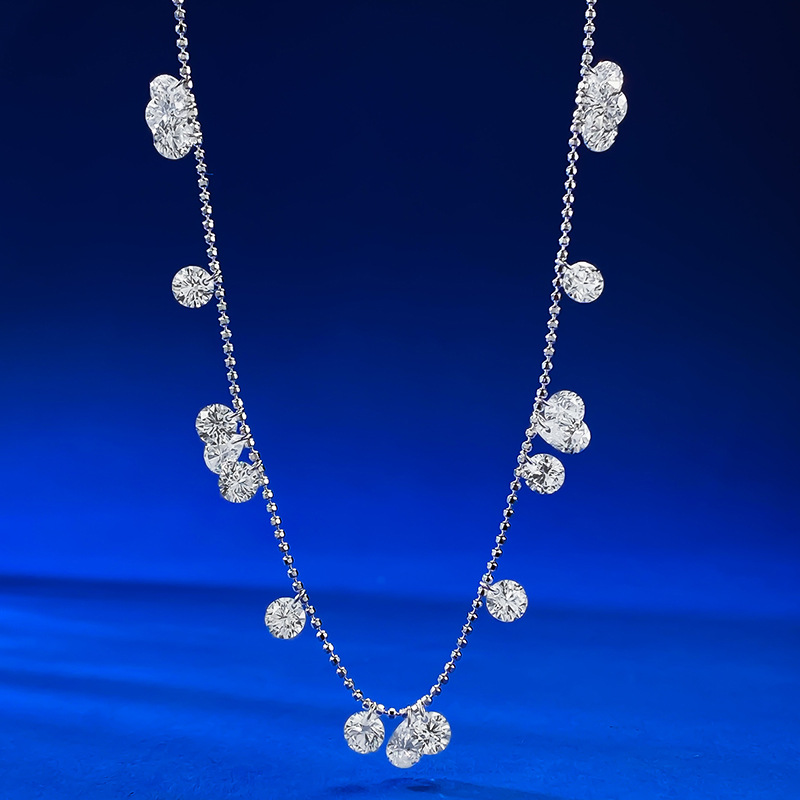
Fine Jewelry Customs Inspection Document Checklist
A fine jewelry customs inspection document checklist can save a beautiful purchase from turning into a paperwork headache. If you're buying an engagement ring overseas, mailing diamond earrings as a gift, returning a bracelet for repair, or comparing a retailer with a private seller, customs documents matter.
Customs officers may review the declared value, item description, gemstone details, country of origin, insurance record, and proof of payment before release. The cleaner those records are, the easier it is for a carrier broker or customs team to understand the shipment.
So which option gives you stronger paperwork: a professional jewelry retailer or a private seller? For most buyers, a retailer offers better traceability. Private shipments can still clear smoothly, but only when the records tell a clear, consistent story.
Fine Jewelry Customs Inspection Document Checklist: Retailer vs Private Seller
This fine jewelry customs inspection document checklist compares two common paths. The first is buying from a professional fine jewelry retailer, such as StoneBridge Jewelry, where invoices, order records, product details, and shipping data usually come from the same system. The second is buying from an individual seller or sending jewelry privately, including gifts, repairs, inherited pieces, estate jewelry, or resale items.
Customs rules change by country. They can also change by value, metal type, gemstone origin, shipment purpose, and whether the item is new, repaired, returned, gifted, inherited, or resold. A 1.50 carat lab-grown diamond engagement ring may need different support than 14k gold hoops or an antique sapphire ring with no original receipt.
A stronger fine jewelry customs inspection document checklist may reduce delays, valuation questions, duty disputes, brokerage requests, and delivery problems. It won't guarantee release, but it gives the shipment a better paper trail.
Before You Ship, check the destination country's customs authority, your carrier's brokerage team, or a licensed customs broker. DHL, FedEx, and UPS publish customs guidance, but the final decision belongs to customs officials in the destination country.
Core Jewelry Customs Documents to Gather First
Most fine jewelry shipments start with the same basic records. Customs needs enough detail to identify the item, review the value, and decide whether duties, VAT, import taxes, restrictions, or extra inspection apply.
Your fine jewelry customs inspection document checklist should include:
- Itemized commercial invoice or sales invoice
- Purchase receipt or order confirmation
- Proof of payment, such as a card receipt, bank record, wire record, or marketplace transaction
- Packing list with quantity and item description
- Shipping label and tracking number
- Insurance document or declared-value coverage
- Product description, appraisal, grading report, or certificate when available
Specific descriptions beat vague ones. A weak declaration says "ring" or "gift." A better one says: "One new 14k white gold engagement ring set with one 1.20 carat round brilliant lab-grown diamond, IGI Report Number included, declared retail value in USD."
For gold and platinum jewelry, list the metal fineness: 14k, 18k, platinum, or sterling silver. For diamonds, state whether the stone is natural or laboratory-grown. The Federal Trade Commission requires clear marketing for laboratory-grown diamonds in the United States, and GIA and IGI reports commonly list measurable traits such as carat weight, color, clarity, cut, measurements, and origin.
Two data points help explain why detail matters. In the U.S., many low-value imports may qualify for an $800 de minimis threshold, but jewelry above that level can face closer value review. Also, jewelry often falls under Harmonized System Chapter 71, where metal content, stones, and item type affect classification.
Retailer Paperwork: Why It Usually Works Better
A professional retailer usually gives buyers the cleanest fine jewelry customs inspection document checklist. The invoice, payment record, product page, and shipping record are tied to one order. That makes the shipment easier to review than a private sale built from screenshots and handwritten notes.
Retailer documentation may include:
- Itemized invoice with seller identity, buyer name, order number, product description, price, currency, shipping cost, discounts, and taxes collected
- Product specifications showing metal, gemstone type, diamond origin, carat weight, setting style, and measurements
- Diamond grading report from IGI, GIA, or another recognized lab when available
- Declared-value shipping record or insurance record
- Return merchandise authorization for exchanges, repairs, or replacements
- Carrier tracking and delivery records
- Customer service messages confirming order details or shipment purpose
We've found that customers feel more prepared when their invoice, grading report, and tracking email all match. That consistency matters for high-value jewelry, especially engagement rings, tennis bracelets, diamond necklaces, and lab-Grown Diamond Earrings.
Retailer Checklist for Lab-Grown Diamond Orders
For a retailer shipment, prepare the fine jewelry customs inspection document checklist before the package leaves the seller. Keep the files in one folder until the item arrives and any return window closes.
Include invoice details: retailer name, buyer name, order number, item description, metal type, gemstone details, price paid, discount amount, shipping charge, taxes collected, and currency.
Include gemstone details: lab-grown diamond grading report, report number, product listing, carat weight, color, clarity, cut, measurements, and growth origin. For engagement rings, keep the report number next to the invoice.
Include shipping records: carrier label, tracking number, declared value, insurance coverage, destination address, signature requirement, and delivery confirmation. For returns or repairs, add the RMA, repair note, replacement invoice, and warranty messages.
Retailer Pros and Watchouts
Retailer-prepared records are usually easier to verify because they come from one commercial transaction. The seller identity, buyer identity, price, product description, and shipping details line up.
Professional packaging and insured shipping may also help. Customs and carrier brokers often review documents before they see the jewelry, so a clear file can prevent extra questions.
Still, a retailer invoice does not erase duties, VAT, brokerage fees, or inspection holds. Destination rules still apply. Buyers should never ask a seller to understate the value, because that can create customs trouble and weaken insurance coverage.
If you want product pages with clear specifications before purchase, browse lab-grown diamonds, engagement rings, or the StoneBridge ring builder.
Private Seller Customs Paperwork: What Can Go Wrong
Private shipments cover many situations. You might buy from an individual, send a family gift, ship inherited jewelry, return a necklace for repair, move personal jewelry during travel, or resell an estate piece.
Private shipping can work, but the fine jewelry customs inspection document checklist has to do more work. Customs has fewer business records to verify. The seller may not have a formal invoice, product listing, grading report, or business address.
Private or personal shipments often need:
- Bill of sale with buyer and seller names
- Appraisal from a qualified jeweler or gemologist
- Original purchase receipt, if available
- Proof of payment or marketplace transaction record
- Proof of ownership, such as an insurance schedule or older appraisal
- Repair invoice or service order
- Gift letter explaining sender, recipient, relationship, item description, and value
- Clear photos showing the item, hallmarks, engraving, and gemstone details
Private values can be harder to defend. A 2.00 carat diamond ring might have a $9,000 insurance appraisal, a $3,800 resale price, and no original receipt. Customs may ask which value is being declared and why.
Private Shipment Checklist for Customs Inspection
Build the paperwork before packing the item. Don't wait for a carrier email asking for more details.
For proof of value, include a recent appraisal, original receipt, bank record, card record, wire record, marketplace invoice, or insurance schedule. If the appraisal value differs from the sale price, explain the reason in plain language.
For proof of ownership or purpose, include a gift letter, estate document, repair order, personal effects declaration, or temporary export/import form if the destination allows it. High-value inherited or antique jewelry may need help from a licensed customs broker.
For product details, include photos, metal type, stone type, diamond origin if known, carat weight, condition, engraving, hallmark, serial number, or report number. Make the written description match the customs declaration exactly.
Avoid labels like "jewelry," "accessory," or "birthday gift" without details. A customs officer can't confirm value or contents from those words alone.
Side-by-Side Fine Jewelry Customs Checklist
Use this comparison Before You Buy, ship, return, or gift a valuable piece.
| Documentation Category | Professional Retailer Shipment | Private Seller or Personal Shipment | Best Practice |
|---|---|---|---|
| Commercial invoice | Usually strong; includes seller, buyer, order number, item details, price, and currency | May not exist unless the seller creates a bill of sale | Use an itemized invoice or detailed bill of sale |
| Proof of value | Supported by receipt, payment record, order confirmation, and product page | May rely on appraisal, bank record, marketplace record, or insurance schedule | Match the declared value to the proof |
| Diamond documentation | Often includes IGI, GIA, or product specifications | Varies; estate pieces may lack reports | Include reports or appraisals when available |
| Insurance | Retailer may arrange insured or declared-value shipping | Sender must confirm carrier limits and exclusions | Verify jewelry coverage before shipping |
| Country of origin | May appear in commercial records | Often unclear for older pieces | Ask a broker if origin is unknown and value is high |
| Return paperwork | Retailer can provide RMA, repair notes, and replacement invoices | Private returns may rely on emails or service notes | Save every return and repair record |
| Buyer and seller identity | Business identity is easier to verify | Individual identity may need extra proof | Use full names, addresses, phone numbers, and transaction records |
| Delay risk | Lower when records match | Higher when value, purpose, or origin is unclear | Prepare the checklist before shipment |
The professional retailer path usually wins for consistency. Private shipping can still be the right choice for repairs, family gifts, estate pieces, and personal moves, but it needs more preparation.
Which Path Should You Choose?
Choose a professional retailer if you're buying an engagement ring, wedding band, lab-grown diamond jewelry, anniversary gift, diamond earrings, or insured fine jewelry online. These purchases often involve higher declared values, grading reports, return policies, and insurance needs.
Choose a private shipment only when you have a clear value, strong ownership proof, a reliable carrier, and enough documentation to explain the shipment. For expensive pieces, a customs broker can be worth the cost.
Is the lower private-sale price still a deal if the diamond report is missing and the shipment can't be insured? Sometimes yes, but often no. Documentation quality affects the real cost of buying jewelry across borders.
Consider these common scenarios:
- International engagement ring purchase: use a retailer invoice, diamond report, product page, tracking record, and insurance record.
- Gift shipment: prepare a gift letter, proof of value, item description, photos, and insurance document.
- Jewelry repair return: keep the repair order, prior ownership proof, tracking, and return authorization.
- Estate jewelry sale: use a bill of sale, appraisal, photos, payment record, and broker guidance for high-value pieces.
- Lab-grown diamond purchase: make sure the invoice and grading report clearly state laboratory-grown origin.
StoneBridge shoppers can also compare finished fine jewelry styles, diamond jewelry, and engagement ring designs before choosing a piece with clear product details.
StoneBridge Recommendation
For most commercial buyers, the professional retailer path is the safer documentation choice. A retailer-generated fine jewelry customs inspection document checklist connects the invoice, product details, payment record, shipping documents, and seller identity in one place.
Private seller shipments can work, but they ask more from the buyer. You'll need appraisals, ownership proof, photos, bills of sale, accurate values, and sometimes broker support.
Before you ship or buy, save every relevant record: invoice, proof of payment, product description, diamond grading report, insurance document, shipping label, tracking number, and return authorization. Make sure the description lists the jewelry type, metal, gemstone, diamond origin, carat weight, quantity, country of origin when available, and declared value.
StoneBridge Jewelry is a strong fit for shoppers who want transparent product details and purchase-ready records. Shop documentation-friendly categories such as lab-grown diamond engagement rings, diamond stud earrings, tennis bracelets, and diamond necklaces.
Use this fine jewelry customs inspection document Checklist Before You buy, ship, return, or gift. The jewelry should be remembered for its meaning, not missing paperwork.
FAQ
What documents are needed for a fine jewelry customs inspection?
Most shipments need an itemized invoice or receipt, proof of payment, detailed product description, shipping label, insurance information, and gemstone documents when available. Your fine jewelry customs inspection document checklist should also list metal type, stone type, diamond origin, carat weight, quantity, declared value, and shipment purpose. Rules vary by country and value, so confirm requirements with the carrier, customs authority, or a licensed broker.
Is a lab-grown diamond certificate required for customs?
A lab-Grown Diamond Certificate is not always legally required, but it can make inspection easier. IGI and GIA reports may show carat weight, color, clarity, cut, measurements, and laboratory-grown origin. Include the report number on your invoice or packing records when possible. This helps customs and insurance teams understand exactly what is inside the package.
Can I ship fine jewelry internationally as a gift?
Yes, but a gift still needs accurate customs paperwork. You may need a declared value, item description, proof of value, sender and recipient details, and insurance information. Marking jewelry as a gift does not automatically remove duties, taxes, or inspection. Add a gift letter and photos to your fine jewelry customs inspection document checklist.
Is retailer paperwork better than private seller paperwork?
For most buyers, retailer paperwork is easier to verify. A professional invoice usually connects the seller, buyer, product details, payment record, and shipping record. Private seller paperwork can work, but it often needs appraisals, bills of sale, ownership proof, and clear photos. If customs documentation matters, a retailer is usually the cleaner path.
What should I include for an engagement ring customs checklist?
For an engagement ring, include the invoice, proof of payment, diamond grading report, metal type, diamond details, ring value, insurance record, shipping label, and seller contact details. Save product-page specifications, warranty information, return paperwork, and any appraisal in the same folder. If the center stone is lab-grown, make sure the invoice or report says so clearly. This gives your fine jewelry customs inspection document checklist stronger support if customs asks questions.
Ready to Find Your Perfect Diamond?
Explore our collection of certified lab-grown diamonds
Shop Diamonds