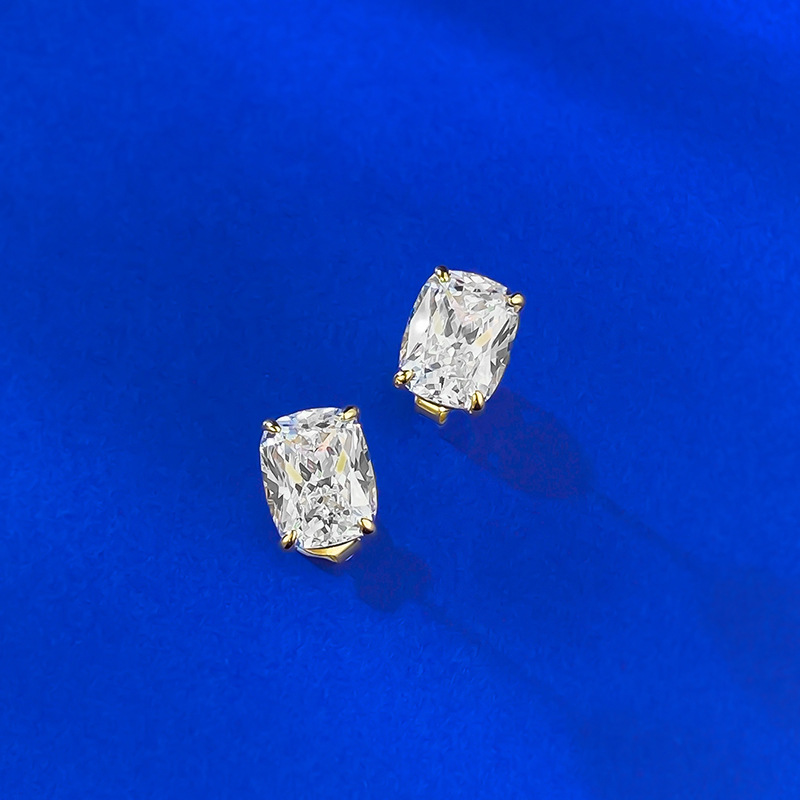
Fine Jewelry Cleaning Service Warranty Checklist for Smart Buyers
Buying fine jewelry should feel exciting, not stressful. A fine jewelry cleaning service warranty checklist helps you compare the care that comes after the sale, especially if you're shopping for a lab-grown Diamond Engagement Ring, wedding band, anniversary gift, or everyday gold jewelry.
The diamond shape, carat weight, metal Color, and Setting style matter. So does the plan for keeping the piece clean, secure, and wearable. What happens after the box opens?
Professional Jewelry Cleaning removes residue that home care can miss. A trained inspection can spot loose prongs, worn settings, stretched links, or a weak clasp before a small issue becomes an expensive repair. For buyers, a clear service policy is part of the value of the piece. Honestly, I think that matters just as much as the sparkle in the photo.
at StoneBridge Jewelry, I've helped hundreds of couples compare diamond specs carefully and then ask about service at the very end. This fine jewelry cleaning service warranty checklist focuses on the practical questions worth asking before checkout, so you can buy with more confidence and less guesswork.
Why a Jewelry Cleaning Warranty Checklist Matters
Fine jewelry sits close to the skin. Rings collect lotion, soap, sunscreen, hand sanitizer, cooking oils, and dust. Necklaces and bracelets pick up body oils around clasps and chain links. Earrings can dull from hair products, makeup, and perfume.
Even a well-cut diamond can look flat when buildup blocks light. GIA teaches that cut is one of the 4Cs and has a major effect on brilliance, but a dirty stone can't show its best fire. Cleaning protects the look you paid for.
A professional cleaning service uses methods that fit the piece. A jeweler may use steam, ultrasonic equipment, mild cleaning solution, soft brushes, polishing cloths, or hand tools. The safest choice depends on the metal, gemstone, setting, and current condition.
A fine jewelry cleaning service warranty checklist tells you whether cleaning is included, how often you can request it, and which pieces qualify. It also helps you separate cleaning from inspection, maintenance, repair, and replacement.
Industry guidance commonly recommends professional inspection every 6 to 12 months for jewelry worn daily. Engagement rings need the most attention because they face constant contact with desks, doorknobs, gym equipment, water, and household products.
In my 10 years at StoneBridge, I've seen a lot of "small" issues turn into avoidable repairs because a buyer assumed cleaning and inspection were the same thing. They aren't, and that distinction can save you money.
Fine Jewelry Cleaning Service Warranty Checklist: What to Review
Use this fine jewelry cleaning service warranty Checklist Before You Buy:
- Confirm cleaning frequency, such as annual, semiannual, lifetime, or limited-term service.
- Check eligible items, including engagement rings, wedding bands, earrings, necklaces, bracelets, pendants, and custom pieces.
- Review inspection coverage for prongs, stone security, clasps, chains, settings, and metal wear.
- Ask what maintenance is included, such as polishing, rhodium touch-up, prong tightening, clasp adjustment, or stone checks.
- Read the exclusions for loss, theft, impact damage, chemical damage, unauthorized repair, resizing, and normal wear.
- Keep the required documents, including receipt, order confirmation, appraisal, grading report, warranty registration, and service notes.
- Review shipping rules, insured transit, packaging steps, turnaround time, and return shipping costs.
- Follow care rules for home cleaning, storage, travel, chemicals, and activity restrictions.
Cleaning removes residue. Inspection checks for risk. Maintenance handles small adjustments. Repair fixes damage. Replacement covers a missing or failed part when the policy allows it. Those words sound similar, but warranty terms often treat them very differently.
A strong policy explains service in plain language. Look for clear instructions, customer support details, gemstone limits, shipping expectations, and proof that trained jewelers handle the work.
Here's what nobody tells you: a warranty can look generous on the product page and still be thin where it counts. The details are where the real value lives.
| Warranty Feature | Why It Matters | Buyer Question to Ask |
|---|---|---|
| Cleaning frequency | Keeps stones brighter and removes buildup | How often can I request cleaning? |
| Inspection policy | Finds loose stones and worn metal early | Is inspection included with cleaning? |
| Eligible categories | Confirms whether your exact piece qualifies | Are rings, earrings, bracelets, and necklaces covered? |
| Repair limits | Helps prevent surprise costs | Are prong tightening or clasp repairs included? |
| Documents | Protects eligibility and insurance records | What records should I save? |
| Shipping and insurance | Reduces risk during service | Who insures the jewelry in transit? |
Cleaning Frequency and Eligibility
Professional cleaning is often helpful once or twice a year for frequently worn jewelry. A daily engagement ring may need cleaning and inspection every 6 months. A necklace worn only on special occasions may need less frequent service.
Eligibility matters. Some warranties apply only to jewelry purchased from that retailer. Others exclude pieces that were resized, modified, damaged, or serviced by an outside jeweler.
Condition matters too. If a stone is loose or a clasp is damaged, the jeweler may recommend repair before standard cleaning. That can protect the piece during service.
Inspection Coverage and Repair Limits
A polished ring may look refreshed, but polishing doesn't rebuild worn prongs. An inspection may reveal a problem without paying for the repair.
Common exclusions include accidental damage, loss, theft, heavy impact, improper storage, chlorine exposure, unauthorized repairs, and normal wear beyond policy limits. Your fine jewelry cleaning service warranty checklist should push you to ask direct questions before you need help.
Pave, halo, and channel-set designs deserve close review. Tiny accent stones and fine metalwork need careful attention. Bracelets and necklaces also need inspection because clasps and links carry daily stress.
Buyers often focus on the center stone, which makes sense, but the setting is what keeps that stone where it belongs (trust me, I've seen it happen). A secure setting is part of the beauty.
Jewelry Features That Affect Cleaning and Warranty Value
Warranty support is only part of a smart purchase. The jewelry itself should match your lifestyle, care habits, and comfort needs.
Start with the metal. Platinum, White Gold, Yellow Gold, and rose gold age differently. Then study the setting. A solitaire ring is usually easier to clean than a hidden halo or pave band.
Diamond quality also affects satisfaction. Lab-grown diamonds are graded by the same 4Cs used for Mined Diamonds: Cut, Color, Clarity, and Carat weight. A well-cut 1.50 carat lab-grown diamond can look brighter than a larger stone with weaker proportions.
GIA and IGI both provide education on diamond grading, lab-Grown Diamond Reports, and gemstone care. Those reports help buyers compare stones with more confidence instead of relying only on product photos.
Craftsmanship matters just as much. Smooth prongs, secure stone seating, even pave work, comfortable ring shanks, and reliable clasps all affect daily wear. A beautiful piece shouldn't be hard to maintain unless you knowingly choose a delicate design.
You can compare styles through StoneBridge Jewelry's engagement rings, review loose stone options in lab-grown diamonds, or browse the full fine jewelry collection before deciding.
Metal, Setting, and Daily Wear
Platinum is dense, durable, and naturally white. It can develop a soft patina over time, which some buyers love. White gold has a bright finish but often needs rhodium plating refreshed.
Yellow gold offers classic warmth and hides slight color shifts well. Rose gold gets its blush tone from copper alloys and can flatter many skin tones.
Setting style affects cleaning needs. Prong settings allow strong light return but need regular checks. Bezel settings protect stone edges and are often easier to wipe clean.
Halo and pave designs add sparkle, but they create small spaces where residue collects. Channel settings can protect stones, though buildup inside the channel may need professional cleaning.
Lab-Grown Diamond and Gemstone Care
Lab-grown diamonds have the same optical, chemical, and physical properties as mined diamonds. They measure 10 on the Mohs hardness scale, which makes them highly scratch resistant. The setting still needs care.
Gemstones need more caution. Sapphires and rubies are durable, while emeralds, opals, pearls, turquoise, and treated stones may require gentler cleaning. Ultrasonic cleaning can be unsafe for fractured, filled, porous, or delicate gems.
Before using any home device, check the stone type, treatment, and setting condition. If you're unsure, Ask a Jeweler first.
Buyer Benefits: Protection, Confidence, and Sparkle
A fine jewelry cleaning service warranty checklist protects more than the purchase price. It protects the memory attached to the piece.
Engagement rings, wedding bands, anniversary gifts, graduation jewelry, and milestone necklaces carry emotion. Buyers want those pieces to stay secure, comfortable, and bright.
The first benefit is prevention. Regular cleaning removes grime that dulls diamonds and gemstones. Inspection can catch risk before a stone falls out or a clasp fails.
The second benefit is confidence. Online shoppers compare many styles before choosing. Clear service terms reduce worry because you know what happens after delivery.
The third benefit is presentation. Fine jewelry should look ready for proposals, wedding portraits, anniversaries, holidays, and daily wear. Residue on a diamond can affect sparkle in photos and in person.
A service-backed purchase also changes the value question. The lowest price isn't always the best value. A secure setting, documented grading report, clear care policy, and reliable support can serve you better than a cheaper piece with vague terms.
There is a real tenderness to pieces that mark a proposal, a wedding, or a first anniversary. That warmth matters, and it should be matched by service that helps the jewelry stay beautiful for the long haul.
What Cleaning and Warranty Support Are Worth
Smart buyers look at total ownership cost, not only the listed price. Two rings may look similar online, but their long-term value can differ because of metal quality, stone grading, setting strength, warranty Terms, and Service access.
Standalone cleaning prices vary by jeweler and service type. Basic cleaning may be complimentary or low cost. Polishing, rhodium plating, prong work, clasp repair, or stone resetting usually costs more.
White Gold Rhodium plating often costs more than simple cleaning because the surface must be refinished. Prong rebuilding can cost far more than an inspection, especially if several prongs are worn.
Engagement rings deserve extra care because they are worn daily. If you're comparing a 1.00 carat, 1.50 carat, or 2.00 carat Lab-Grown Diamond Ring, don't stop at carat weight. The setting must secure the stone, and the service policy should make care easy to understand.
| Ownership Factor | Lower-Support Purchase | Service-Backed Purchase |
|---|---|---|
| Upfront price | May look lower | May include stronger support |
| Cleaning access | Buyer may pay separately | May include scheduled cleaning |
| Inspection | Often unclear | May be part of service visits |
| Documents | May be limited | Usually encouraged or required |
| Repair expectations | Can feel uncertain | Terms are easier to compare |
| Long-term confidence | Depends on buyer research | Supported by clear service rules |
Professional inspections also help with insurance planning. Photos, appraisals, grading Reports, and Service records can document ownership and condition. Keep those records from the start.
When Paying More Can Make Sense
A premium piece can cost more at checkout but reduce stress later. Better materials, secure settings, and clear service terms can make ownership smoother.
Budget jewelry may look appealing in photos. Thin shanks, weak prongs, poor clasp construction, or vague service terms can lead to repairs sooner than expected (yes, even on a budget).
StoneBridge Jewelry is built for buyers who want fine jewelry that balances beauty, quality, and care expectations. Use a fine jewelry cleaning service warranty checklist beside the product details so you can choose with your eyes and your long-term needs in mind.
Before You Schedule Cleaning or Claim Service
Before requesting cleaning or warranty support, gather your records. The process is easier when you have proof of purchase, order numbers, grading reports, appraisals, prior service receipts, and clear photos.
Shipping details matter for online service. Ask whether the jewelry needs original packaging, whether insurance is required, and who is responsible while the package is in transit. High-value jewelry should never be mailed without tracking and proper insurance.
Timing matters too. If you need a ring cleaned before proposal photos, a wedding, an anniversary dinner, or travel, schedule early. Repairs, stone setting, or refinishing can take longer than basic cleaning.
Take these steps before service:
- Photograph the jewelry from several angles.
- Find the receipt, order confirmation, grading report, and appraisal.
- Read the warranty terms and exclusions.
- Contact customer support before shipping or visiting.
- Package the jewelry securely and insure it when needed.
- Save all service confirmations and inspection notes.
These habits create a useful paper trail. They also make it easier to compare condition over time.
At-Home Care Between Cleanings
Gentle home care can keep jewelry bright between professional visits. For many diamond and gold pieces, use warm water, mild dish soap, a soft brush, and a lint-free cloth. Rinse well and dry fully.
Use a bowl instead of an open sink. Small earrings, loose backs, and delicate chains can slip away quickly.
Avoid chlorine, bleach, toothpaste, baking soda scrubs, abrasive cleaners, and unknown jewelry dips. Ultrasonic cleaners can work for some diamond jewelry, but they may loosen stones or harm delicate gems.
I've seen more than one ring come in looking tired simply because it sat in a bathroom dish next to harsher cleaners. A little routine care goes a long way.
Documents to Keep for Warranty Confidence
Create a digital folder for each important piece. Save proof of purchase, appraisal documents, Lab-Grown Diamond Grading reports, service receipts, warranty terms, inspection notes, and clear photos.
Name files with the purchase date and jewelry type. For engagement rings, include ring size, metal type, diamond specs, and any resizing or repair history.
Good records support warranty eligibility and may help with insurance claims. They also prove that you've followed care and service requirements.
Shop Fine Jewelry With Confidence
A fine jewelry cleaning service warranty checklist gives you a simple way to compare beauty, care, protection, and value Before You Buy. It helps you look beyond first sparkle and ask better questions: How will this piece be cleaned? How often should it be inspected? What records should I save?
For engagement rings, wedding bands, necklaces, earrings, bracelets, and Fine Jewelry Gifts, those answers can make the purchase feel more secure. A well-chosen piece should Fit Your Style, match your lifestyle, and come with care instructions you understand.
Start with lab-grown diamonds if you want to compare Cut, Color, Clarity, and carat weight. Use the ring builder if you want a more personal engagement ring. You can also contact StoneBridge Jewelry experts for guidance before buying.
Ready to choose a piece made for memorable moments and daily wear? Shop StoneBridge Jewelry collections before preferred styles, sizes, diamond shapes, and settings sell out:
- Engagement rings for proposals and forever pieces
- Wedding bands for daily commitment and comfort
- Necklaces for refined gifting and everyday polish
- Earrings for bright, wearable sparkle
- Bracelets for statement shine and milestones
- Fine jewelry for gifts, celebrations, and personal style
Use this fine jewelry cleaning service warranty checklist as your final buying checkpoint. Then choose the piece that gives you the look, quality, and care confidence you want from day one.
FAQ
What should a fine jewelry cleaning service warranty checklist include?
A fine jewelry cleaning service warranty checklist should cover cleaning frequency, eligible jewelry types, inspection details, repair limits, exclusions, documents, and shipping rules. It should also explain whether the service applies to rings, necklaces, earrings, bracelets, or only select pieces. Read it before checkout so you know what support you'll have after purchase.
Does a jewelry cleaning warranty cover loose stones or prong repair?
Some jewelry warranties include inspections that identify loose stones, worn prongs, or weakened settings. That doesn't always mean the repair is free. Ask whether prong tightening, stone resetting, rebuilding, or replacement is included, and confirm whether accidental damage changes coverage.
How often should lab-grown diamond jewelry be professionally cleaned?
Many jewelers suggest professional cleaning and inspection every 6 to 12 months for jewelry worn often. Lab-grown diamonds can usually be cleaned like mined diamonds when the setting and metal are suitable. Home cleaning helps with light buildup, but a jeweler can check prongs, clasps, and hidden wear.
Can at-home cleaning void a fine jewelry warranty?
Gentle at-home cleaning usually won't cause trouble if you follow the retailer's care instructions. Warm water, mild soap, a soft brush, and a lint-free cloth work for many diamond and gold pieces. Harsh chemicals, chlorine, abrasive cleaners, risky ultrasonic cleaning, or unauthorized repair may affect warranty eligibility.
Is a cleaning service warranty worth it for an engagement ring?
Yes, it can be worth it becaUse An Engagement Ring is usually worn every day. Daily wear exposes the ring to soap, lotion, dirt, moisture, and accidental bumps. Scheduled cleaning keeps the diamond bright, while inspections can catch setting issues before they become bigger problems.
Ready to Find Your Perfect Diamond?
Explore our collection of certified lab-grown diamonds
Shop Diamonds