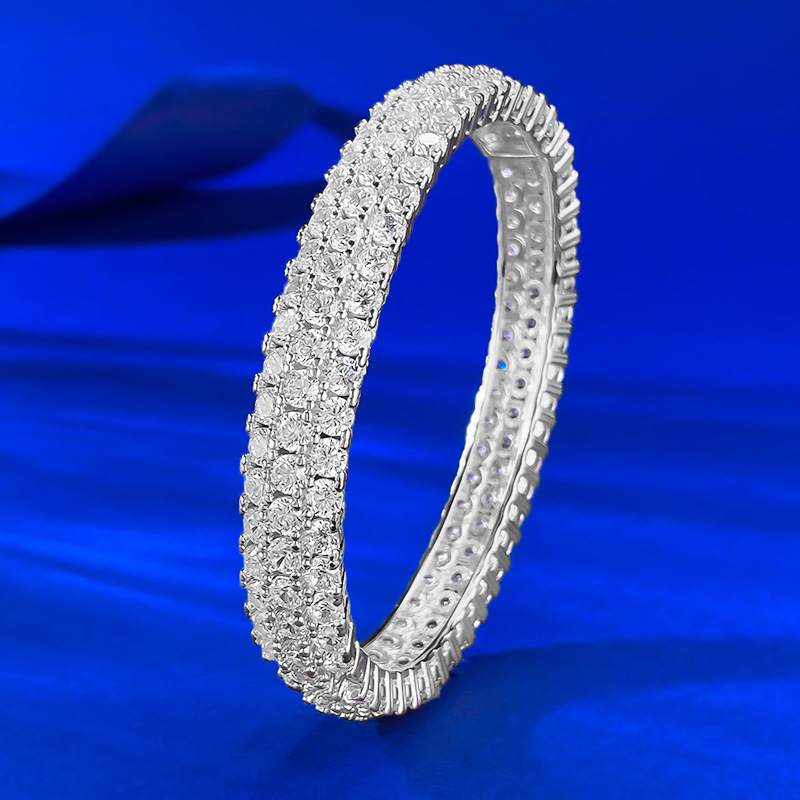
Fine Jewelry Budget for First Purchase: Set a Smart Range
Setting a Fine Jewelry Budget for first purchase starts with a simple question: what do you want the piece to do? A ring for daily wear, a necklace for a milestone, and a gift for occasional use do not call for the same spend. Let the purpose shape the range, then choose the best piece inside it.
At StoneBridge Jewelry, we help shoppers compare fine jewelry and lab-grown diamond pieces across a wide range of price points. That makes the first purchase more practical and easier to evaluate.
A thoughtful budget does more than cap spending. It helps you avoid paying extra for details that may not matter in daily wear. If you are shopping for a bracelet, ring, pendant, or pair of studs, focus first on comfort, durability, and visible quality.
Why Your Fine Jewelry Budget for First Purchase Matters
Your first jewelry purchase often becomes the reference point for future buying. A clear plan helps you learn what matters most to you: metal, stone, size, setting style, or design.
A smart budget also reduces regret. The best results usually come from starting with how the piece will be worn, then narrowing the selection to styles that fit that use.
Fine jewelry pricing can vary widely. Metal purity, gemstone size, craftsmanship, and brand positioning all affect the final cost.
A defined spending range makes comparisons faster. It helps you decide between a slim gold band, a diamond pendant, or a more substantial piece built for frequent wear.
If you want a strong first purchase, spend on the parts you will notice every day. A secure setting and a durable metal often matter more than a small jump in carat weight.
What to Review Before You Set a Budget
Start with the main cost drivers. Fine jewelry pricing comes from materials, labor, and design details, and each one can move the price in a different direction.
Here are the main factors to review before you shop:
- Metal type - platinum usually costs more than gold, and 18K gold usually costs more than 14K gold.
- Gemstone choice - diamond cut, color, clarity, and carat weight all affect price.
- Setting style - pavé, halo, and custom settings often cost more than solitaire or bezel styles.
- Craftsmanship - hand-setting and detailed finishing add labor cost.
- Wear frequency - daily wear calls for more focus on strength and comfort.
GIA describes diamond quality through the 4Cs: cut, color, clarity, and carat weight. Cut has the strongest effect on sparkle. A well-cut 0.50 carat diamond can look brighter than a larger stone with poor proportions.
IGI certification is also common for lab-grown diamonds. That gives buyers a clear way to compare details before making a decision.
Metal, Stone, and Setting Costs
Platinum sits at the high end because it is dense and durable. 18K gold offers a richer color and a more premium feel. 14K gold gives many buyers a better mix of strength and cost.
Lab-grown diamonds can stretch a Fine Jewelry Budget for first purchase much further. In many cases, they cost less than natural diamonds with similar size and grades, which can free up room for a larger stone or a better cut.
Setting style matters too. A pavé band, hidden halo, or custom basket needs more labor than a simple solitaire. If your budget is limited, a clean setting usually offers better value and easier care.
Occasion and Wearability
Think about how often you will wear the piece. Jewelry for Daily use should feel secure and comfortable. Special-occasion pieces can be a little more delicate if they will not face constant wear.
For active days, a lower-profile ring or pendant often works better than a tall prong-heavy design. If you are buying a gift, a pendant or stud earrings usually suits more styles than a bold statement piece.
A Fine Jewelry Budget for first purchase should always leave room for comfort. A piece that snags, shifts, or feels awkward will not feel like a good buy, no matter the price.
Best Options by Budget Range
The best first purchase depends on what you want from it. Some jewelry categories shine at lower price points, while others make more sense once you move into mid-range or premium spending.
Think in three tiers: entry-level, mid-range, and premium. These are not strict industry rules, but they make shopping much easier.
What Each Budget Range Can Offer
| Budget Range | Best Value Categories | What to Expect | Best For |
|---|---|---|---|
| Entry-Level | Stud earrings, solitaire pendants, slim bands | Smaller stones, lighter metal weight, simple designs | Everyday wear, first-time buyers, gifts |
| Mid-Range | Diamond pendants, larger rings, refined bands | More presence, stronger metal weight, better finish | Milestone gifts, frequent wear |
| Premium | Statement rings, larger diamond pieces, custom designs | Bigger stones, premium metals, more detail | Heirloom buys, major celebrations |
For many shoppers, the fine jewelry budget for first purchase works best when it goes toward a timeless piece. A classic stud, pendant, or band usually delivers more long-term value than a trend-driven style.
If you want to compare pieces easily, browse by price, metal, and stone type. You can also shop fine jewelry by style and narrow your options faster.
Entry-Level First Purchase Ideas
Entry-level budgets are a strong fit for polished basics. Think petite diamond studs, a small solitaire pendant, or a slim gold band.
At this level, cut quality matters more than chasing the biggest stone. A smaller diamond with strong brilliance can look better than a larger one with weak cut performance. 14K gold is often a smart choice because it balances durability and cost.
If you are building your first collection, these pieces work well as a starting point. You can wear them now and layer or stack later.
Good starter categories include:
- Petite diamond studs
- Solitaire pendants
- Slim gold rings
- Small hoop earrings
- Minimal chain bracelets
These also make easy gifts because they suit many styles. A classic shape lowers the risk of choosing something too specific.
Mid-Range Value Picks
A mid-range budget often gives the best balance of impact and wearability. You may be able to choose a larger stone, a heavier gold weight, or a more detailed setting without moving into premium pricing.
This is where many buyers land for a fine jewelry budget for first purchase. It allows for a piece that feels noticeable without feeling excessive.
Mid-range pieces are a strong fit if you want:
- More finger coverage or pendant presence
- Better metal weight for a sturdier feel
- A look that reads as polished right away
- A piece that works for daily wear and dressier outings
Lab-grown diamonds shine here. The savings can go toward a larger center stone, better clarity, or a more detailed setting. That makes this tier attractive for shoppers who want visible sparkle and real value.
Pay attention to chain thickness, clasp quality, prong work, and how the stone sits on the body. Those details often separate a piece that feels luxe from one that only looks good in photos.
Premium First Purchase Choices
Premium budgets are for buyers who want size, rarity, or heirloom-style presence. This is where statement rings, larger lab-grown diamonds, and custom designs start to make sense.
A higher fine jewelry budget for first purchase works well if the piece marks a major milestone. At this level, design details matter just as much as the materials.
Premium pieces may include:
- Larger diamond pendants
- Heavier gold bands
- Statement studs or drop earrings
- Custom ring designs
- Heirloom-style bracelets
Custom work can be worth it here. If you want a personal engraving, a specific shape, or a design built around a story, the added cost may feel justified.
How to Get More Value Without Giving Up Quality
A smart fine jewelry budget for first purchase should stretch without cutting corners where it counts. Spend on the parts you will see and feel every day, and stay flexible on the details that matter less to your goal.
One simple way to save is to choose a lab-grown diamond. These diamonds often cost less than natural diamonds, which can leave more room in the budget for a better cut, a larger stone, or a stronger setting.
Cut should stay near the top of your list. GIA research shows that cut has a major effect on brilliance. A well-cut stone often looks better than a bigger one with weak proportions.
Try this simple spending plan:
- Put the most money toward the center stone if it is the main focus.
- Spend enough on the setting to protect the stone.
- Choose a metal that fits your lifestyle.
- Save on hidden details that will not change the look much.
- Compare certification and product specs side by side.
A fine jewelry budget for first purchase works best when you buy with intention. If two pieces seem close, choose the one with stronger proportions, better specs, and clearer documentation.
If you want to compare styles, browse our jewelry collection or explore lab-grown diamonds to see what fits your range.
What to Check Before You Buy
Price is only part of the decision. The piece also has to fit, feel good, and hold up in real life.
Before you finalize your fine jewelry budget for first purchase, check these details:
- Ring sizing and whether resizing is available
- Bracelet fit and clasp security
- Necklace length and layering options
- Earring weight and back security
- Return window and exchange policy
- Warranty or care coverage
- Certification for diamonds and gemstones
For diamonds, trusted certification from GIA or IGI gives you a clearer view of what you are buying. That matters a lot online, where you cannot inspect the stone in person first.
Sizing, Fit, and Everyday Comfort
Good sizing can save time and money. Rings that are too tight may need resizing. Bracelets that fit poorly can feel loose or unsafe. Necklace length also changes how the piece wears.
Common mistakes include choosing a ring size from one finger only, buying a bracelet without checking wrist movement, and ignoring earring weight for sensitive ears. If you are unsure, use a sizing guide or ask a jeweler Before You Order. You can also review ring sizing tips before making a final choice.
Care and Longevity
Simple care habits help jewelry last longer. Wipe pieces with a soft cloth after wearing them. Store them separately to reduce scratches. Keep chains clasped so they do not tangle.
Prongs, clasps, and settings should be checked from time to time, especially on pieces you wear often. A quick inspection can catch loose stones before they become a real problem.
How to Think Like a Smart First-Time Buyer
The best buyers do not start with the biggest number. They start with purpose, then match the piece to the way it will be worn.
Ask yourself a simple question: will you wear this often enough to make the spend feel worth it? If you are buying a gift, think about the other person's style, routine, and comfort.
First-time buyers usually feel happiest when the budget stays tied to a clear goal. That means choosing the category you will wear most, comparing material options, and focusing on cut, comfort, and craftsmanship.
A few habits make the decision easier:
- Choose the piece you will wear most often
- Compare metal and stone options side by side
- Focus on comfort and build quality
- Use certification to verify details
- Keep the budget tied to the piece's purpose
If your goal is strong sparkle for a set price, lab-grown diamonds are worth a close look. If your goal is long-term durability, metal choice and setting security may matter more. Either way, a thoughtful budget makes the purchase feel better from day one.
FAQ: Fine Jewelry Budget for First Purchase
How much should I spend on my first fine jewelry purchase?
Choose an amount that fits your budget and your reason for buying. If you will wear the piece every day, spend enough to get a secure setting and a durable metal. If it is a milestone gift, you may want to put more money toward craftsmanship and visual impact. A fine jewelry budget for first purchase should leave you comfortable, not stretched.
What is a reasonable fine jewelry budget for a first purchase?
A reasonable budget is one that matches your finances and still gets you solid quality. For many buyers, that means a range that works for a classic everyday piece or a meaningful gift. The best number depends on whether you want a simple style or something with more presence. Focus on strong metal quality, reliable settings, and certification if stones are included.
Is a lab-grown diamond a good choice for a first fine jewelry purchase?
Yes. Lab-grown diamonds often let you get a larger or better-looking stone for the same spend. Many buyers use those savings to upgrade the setting or choose better cut quality. That can make the first piece feel more impressive without raising the budget.
Should I buy a ring, necklace, or earrings first?
Start with the piece you will wear most often. Earrings and pendants are usually easier first buys because they do not depend on exact sizing the way rings do. Rings can still be a great choice, but they need more attention to fit and daily comfort. If you are unsure, a pendant or stud earrings usually gives the safest start.
What should I check before buying fine jewelry online for the first time?
Look at metal type, stone specs, certification, return policy, and care details Before You Buy. It also helps to confirm sizing guidance and compare similar pieces across a few price points. Ask for carat weight, metal purity, and setting information so you can judge value clearly. If anything feels unclear, contact a jewelry expert before checking out.
Start Your Search With a Clear Budget
Your fine jewelry budget for first purchase should point you toward a piece that feels beautiful, wearable, and worth it. Compare styles, materials, and price tiers, then choose the option that fits your life now and later.
If you want to narrow things down, shop our lab-grown diamonds or browse fine jewelry for clear pricing and product details. If you would like help Before You Buy, contact our jewelry experts for personal guidance. A smart budget will not make the choice for you, but it will make the right piece easier to spot.
Ready to Find Your Perfect Diamond?
Explore our collection of certified lab-grown diamonds
Shop Diamonds