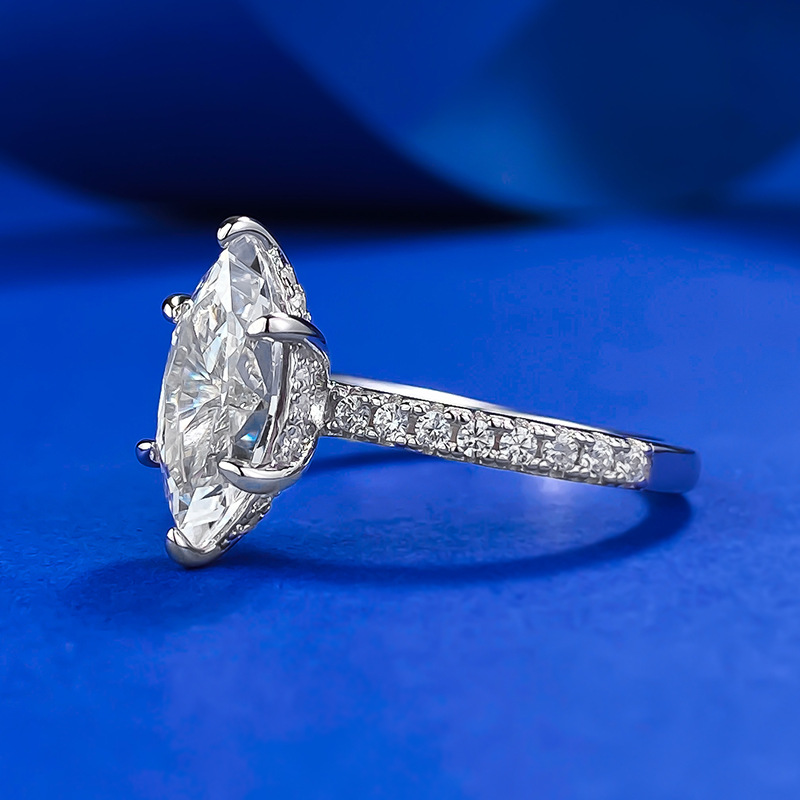
Fine Jewelry Budget by Carat: Buy Smarter by Diamond Size
Shopping for Fine Jewelry Budget by carat is less about chasing the biggest number and more about balancing size, cut, and setting. A well-cut 1.00-carat diamond can look stronger than a larger stone with weak proportions, and the same budget can buy very different results in rings, studs, and pendants. Why pay for weight you cannot see?
Fine Jewelry Budget by Carat Basics
Carat measures weight, not face-up size. One carat equals 200 milligrams, but two stones with the same weight can look very different once shape, depth, and cut enter the picture. That is where Fine Jewelry Budget by carat starts to get real: the number on the report is only part of the story.
Carat tells weight, not spread
A round 1.00-carat diamond often measures about 6.4 to 6.5 mm across. Oval, pear, and marquise shapes can look larger because they spread that weight over more surface area. When shoppers compare Fine Jewelry Budget by carat, millimeters usually tell the truth faster than carat weight alone. Two stones that differ by only a few tenths of a millimeter can look surprisingly different once they are set in a ring or pendant.
Prices jump at common thresholds
Diamond prices rarely move in a straight line. They tend to jump near 0.50, 1.00, 1.50, and 2.00 carats, and a 0.90-carat stone can cost far less than a 1.00-carat stone with similar grades. That same pattern shows up again at 1.49 versus 1.50 carats, which is why Fine Jewelry Budget by carat rewards shoppers who look just below the popular marks. A small size adjustment can leave the stone looking essentially the same while changing the price materially.
Cut matters most in round diamonds
GIA notes that cut has the strongest effect on brilliance in round diamonds. A smaller stone with an Excellent cut can look brighter than a larger stone that leaks light or hides weight below the girdle. For Fine Jewelry Budget by carat, cut usually gives you the biggest visual return. It is also the detail most likely to be noticeable in everyday light, not just under a jeweler’s lamp.
What Different Budgets Usually Buy
The same budget can produce a very different piece depending on the category. A ring, pair of studs, and pendant each spend carat weight differently, so Fine Jewelry Budget by carat should start with the piece, not the number.
At the entry level, clean design usually beats dramatic size. A 0.30 to 0.50-carat natural diamond in 14k gold can still look polished if the cut is strong and the setting is tidy. In this range, fine jewelry budget by carat often favors round brilliants, petite ovals, or bezel settings that keep the stone secure. Buyers at this level should pay close attention to whether the stone is eye-clean and whether the mounting is proportioned correctly for the center size.
In the middle tier, the choices open up fast. You might stay with a 0.90-carat natural diamond and step up in cut quality, or move to a 1.25 to 1.50-carat lab-grown stone with better spread. Many shoppers get the strongest value when they keep the center stone in a sweet spot and spend more on the setting. This is where a stronger metal, a more stable head, or a cleaner finish can make the entire piece feel more expensive without pushing the total carat weight higher.
Higher budgets allow more freedom, but they also make it easy to pay for size without enough craftsmanship. A 2-carat stone in a heavy platinum mount may look impressive, yet a 1.50-carat diamond with sharp proportions and a cleaner finish can look more balanced. That is why fine jewelry budget by carat should always be judged against the finished piece. A well-executed design can look more refined than a bigger stone that has been packed into a bulky or awkward setting.
Use this rule of thumb:
- Tight budget: protect cut and setting security first.
- Flexible budget: choose the best spread per dollar.
- Long-term wear: put money into the metal and the craftsmanship.
Cut, Clarity, Color, Shape, and Setting
Carat gets the headline, but the other details decide whether the piece looks generous or thin. If you are comparing fine jewelry budget by carat across a shortlist, these are the levers that move value.
Cut quality
Cut controls brightness, fire, and sparkle. GIA grades round diamonds from Excellent to Poor, and the gap between Very Good and Excellent can show up in daily wear. For fine jewelry budget by carat, cut is the first place to protect value. A shallow or overly deep diamond may carry weight on paper while looking smaller or less lively in person. In a ring, that difference is visible immediately.
Clarity and color
Clarity covers inclusions and surface marks, but many eye-clean stones fall within VS2 to SI1. You do not need flawless clarity if nobody can see the inclusion without magnification. Color gives you more room too: in white metals, many buyers are happy in the G to J range, which can stretch fine jewelry budget by carat without making the piece look dull. In yellow or rose gold, slightly lower color grades can blend well because the metal color softens the look of the stone.
Shape, proportions, and metal choice
Shape changes how large a stone looks. Oval, pear, emerald, and marquise cuts usually face up larger than a round stone of the same weight, and a good length-to-width ratio matters more than most buyers expect. Metal choice also changes the bill. 14k gold usually costs less than 18k, while platinum adds weight, security, and price. If the goal is maximum size on a fixed budget, 14k white or yellow gold often leaves more room for the stone itself than platinum does. If the goal is a durable heirloom setting, platinum may be worth the extra cost, especially for larger center stones or frequent wear.
If you are narrowing fine jewelry budget by carat across a few options, check the report, the measurements, and the setting together. IGI and GIA reports give you a cleaner basis for comparison. The best choice is rarely the one with the highest single grade in one category; it is the one with the strongest overall balance.
How to Stretch Fine Jewelry Budget by Carat
The goal is not just bigger. It is better looking. Fine jewelry budget by carat stretches further when the design adds presence without paying for weight you will not notice.
1. Choose elongated shapes
Oval, pear, emerald, and marquise shapes usually show more surface area than a round stone of the same carat weight. If your budget is fixed, an elongated shape can make the piece feel larger without losing elegance. These shapes also create a stronger presence in slender rings and pendants, which can be helpful when the entire design needs to look substantial from a distance.
2. Use a halo when it fits the style
Halo settings can make a center stone appear larger, especially in rings and pendants. They add sparkle and presence, but they also add metal and small accent stones, which can raise the price. If you want a larger visual profile on a controlled budget, a halo is one of the most useful tools in fine jewelry budget by carat. The tradeoff is maintenance: more small stones and more surface detail can mean more cleaning and a slightly higher chance of repair work over time.
3. Keep the band slim
A thin band makes the center stone look more prominent. That design trick works well for solitaires and three-stone rings. It also keeps the overall piece lighter and more wearable. The downside is that very thin bands can wear faster, so the safest approach is to keep the profile delicate without making the shank so thin that it loses strength.
4. Prioritize eye-clean quality over paper perfection
It is easy to pay for a grading label that sounds impressive but does not change the way the piece looks. If a diamond is eye-clean and well cut, you may get a stronger result by moving up in carat and staying within a smart clarity range. That is often the sweet spot for fine jewelry budget by carat. Under magnification, almost every diamond has something to see; the practical question is whether the inclusion is visible once the stone is mounted.
5. Compare face-up dimensions before you decide
Ask for millimeter measurements. A well-cut 1.00-carat oval may look larger than a deep 1.10-carat round stone. Face-up dimensions tell you what the eye will actually see, and that is one of the most overlooked parts of fine jewelry budget by carat. If two stones have similar prices, the one with better spread usually delivers more visual value.
6. Spend where the piece takes stress
If the item will be worn often, spend more on prongs, shank thickness, and secure stone setting. If it is an occasional piece, you can lean more heavily into visible size. That keeps the budget tied to how the jewelry will be worn, not just how it looks in a listing photo. A beautiful ring that does not hold up to regular wear is not a good value, no matter how attractive the center stone looked at purchase.
Diamond Specs That Change Value Fast
Beyond the familiar 4Cs, a few technical details can change how a stone looks and how much you should pay for it. These details matter when you are using fine jewelry budget by carat to compare real options rather than abstract price points.
Measurements and depth
Two diamonds with the same carat can have different diameters and depths. A stone with too much depth can hide weight below the girdle, while a stone with too little depth may leak light. Neither issue is ideal if you want the stone to look lively on the hand. Ask for length, width, and depth before comparing prices so you can tell whether the carat weight is translating into visible size.
Table size and symmetry
Table percentage affects how the diamond handles light. A very large table can give a flatter look, while a balanced table can preserve sparkle and fire. Symmetry also matters because it helps the stone present evenly. If a diamond is asymmetrical, the face-up pattern can look less crisp, which is a problem when you are trying to maximize value within a fine jewelry budget by carat.
Girdle, culet, and polish
The girdle should generally fall in a practical range, not excessively thin or thick. An extremely thin girdle can be fragile, while an overly thick one can add hidden weight. A pointed or very large culet can also affect appearance in some shapes. Polish and symmetry grades are easy to overlook, but when they are poor, the stone may look less refined than the price suggests.
Certification and Paperwork Matter
Certification is not decoration. It is the record that tells you what you are actually buying, and it becomes even more important when you are comparing stones online. For fine jewelry budget by carat, the report is what keeps the comparison honest.
GIA is widely regarded as the strictest mainstream grading reference for natural diamonds, while IGI is common for many lab-grown diamonds and is also used for some natural stones. The key is consistency: compare stones on the same grading basis whenever possible. A 1.00-carat diamond with a trustworthy report and strong measurements is easier to evaluate than an ungraded stone with a vague seller description.
Look for the report number, laser inscription if available, and any notes on treatments or growth processes. If you are buying lab-grown, make sure the listing clearly states that the stone is lab-created and that the report matches the stone you will receive. A clear paper trail protects fine jewelry budget by carat by preventing misunderstandings about quality, origin, or upgrade potential.
Setting Tradeoffs by Jewelry Type
The way a diamond is mounted changes how large it looks, how secure it is, and how much of the budget gets consumed by the metalwork. That is especially important if you want fine jewelry budget by carat to stretch across multiple categories.
Solitaire settings
A solitaire keeps the focus on the center stone and generally gives the cleanest look for the money. It can be the best option when you want to maximize the appearance of carat weight without paying for extra accent stones. The tradeoff is that the stone does all the visual work, so the diamond itself needs strong cut quality and good proportions.
Three-stone settings
Three-stone rings spread the visual weight across the finger and can make a center stone feel larger. They also add meaning and symmetry. The tradeoff is cost: once you include side stones, the total price rises, and the center may no longer be the entire focus. For buyers who want more width on the hand without dramatically increasing center carat weight, this can be a smart compromise.
Bezel settings
Bezels wrap metal around the stone and offer strong protection. They are excellent for active wear and can make smaller diamonds feel modern and secure. They usually cover more of the stone than prong settings, which may reduce the visible face-up size slightly, but the security and clean silhouette can be worth it for daily use.
Prong settings
Prongs show more of the stone and usually maximize light entry. They are the standard choice for many engagement rings because they preserve sparkle and make the diamond appear as open as possible. The tradeoff is that prongs need periodic inspection to make sure they remain tight and aligned, especially on rings worn every day.
Cathedral and low-profile mounts
Cathedral settings raise the stone and can create an elegant profile, while low-profile mounts keep the piece closer to the finger. A higher setting can make a center stone look more prominent, but it may catch more easily. A lower setting is often more practical for active wear. If you are comparing fine jewelry budget by carat, think about how the design will behave in real life before choosing a dramatic profile.
Fine Jewelry Budget by Carat for Daily Wear
Fit and comfort matter as much as size. A ring that is too loose spins; one that is too tight feels bad and can stress the shank over time. If you are shopping for a ring, browse our engagement rings and compare profiles that suit your routine.
You can also start with our fine jewelry collection if you want to compare gifts, anniversary pieces, or everyday staples. For a custom fit and a more personal design, use our ring builder before you lock in the final shape.
Daily wear also calls for simple care:
- Clean pieces with mild soap, warm water, and a soft brush.
- Check prongs and clasps regularly.
- Store jewelry separately to avoid scratches.
- Remove rings before heavy lifting, harsh chemicals, or sports.
- Have settings inspected by a jeweler from time to time.
That approach keeps fine jewelry budget by carat aligned with real life, not just the listing photo. A piece that is easy to wear and maintain will hold its value to you longer than one that is constantly uncomfortable or vulnerable.
Ring Sizing and Resizing
Ring size is one of the most practical things to get right before purchase, especially when the budget is tied to carat size and setting style. An incorrect size can make a ring rotate, pinch, or sit higher than intended. If you are buying a larger center stone, the visual weight can make sizing issues more noticeable because the top of the ring draws more attention.
When possible, size the ring after you decide on the setting style. Wider bands usually feel tighter than narrow bands, and a substantial setting can change how the ring sits on the finger. Some designs resize easily, while others are more limited because of eternity bands, halo construction, or intricate side stones. If resizing is likely, ask before purchase whether the style can be adjusted without affecting the stone integrity or aesthetic.
For bracelets, necklaces, and pendants, think about length and balance instead of ring size. A pendant should sit where the neckline works best, and a chain should be strong enough to support the center piece without twisting. Those details matter as much as carat when the goal is a finished piece that wears well.
Why Lab-Grown Diamonds Expand the Budget
Lab-grown diamonds change the math. They are real carbon crystals with the same chemical and optical properties as mined stones, but the price structure is often very different. That can stretch fine jewelry budget by carat further than many shoppers expect.
Depending on shape, color, clarity, and certification, lab-grown diamonds can cost 50% to 80% less than mined diamonds of similar size. That difference can move a buyer from a 0.90-carat natural stone into a larger lab-grown option, or from a simple setting into a more detailed one. For many shoppers, that is the cleanest path to a bigger visual impact.
Certification still matters. IGI and GIA reports help verify grading, and the stone still needs good proportions and a setting that fits the wearer. If you want to compare options, start with our lab-grown diamonds and look at the measurements side by side. A larger lab-grown stone with weak proportions is still a weak buy, so the same evaluation rules apply.
Shipping, Returns, and Insurance
Buying online can be smart, but only if the purchase process protects you. Shipping, return terms, and insurance are part of the real budget, even if they do not appear in the diamond spec sheet.
Look for secure shipping with tracking and signature confirmation. Insured transit reduces the risk of loss or damage before the piece reaches you. If you are comparing sellers, ask whether the package ships in discreet packaging and whether the jewelry is fully insured until delivery is accepted. That matters more on higher-value pieces where the replacement cost is significant.
Return windows also matter. A reasonable return period gives you time to inspect the piece under normal lighting, try it with your wardrobe, and verify the fit. Read the policy carefully for exclusions, restocking fees, return shipping responsibilities, and whether custom or engraved items are final sale. Fine jewelry budget by carat is easier to manage when you can evaluate the item in person and not be forced into a rushed decision.
Insurance after purchase is worth considering as well. A jewelry-specific policy can cover loss, theft, or damage that standard homeowners coverage may not fully protect. If the piece is intended for daily wear, this is part of the ownership cost and should be considered alongside the purchase price.
Common Mistakes Buyers Make
Most overpays come from a few predictable mistakes. Avoiding them is one of the easiest ways to make fine jewelry budget by carat work harder.
One common mistake is buying by carat alone. A larger stone that faces up poorly can look smaller than a slightly lighter but better-cut diamond. Another is ignoring measurements and judging only the report. Two stones with the same weight can have different visible size, and the one with better spread usually gives more value.
Buyers also overpay for clarity they cannot see. If the inclusion is hidden near the edge or only visible under magnification, it may not improve the wearing experience enough to justify the price difference. The same is true for color in some settings. If the metal choice softens the look, a slightly lower color grade may be a smarter use of budget.
Another mistake is choosing an elaborate setting that consumes too much of the budget. If the mount is ornate but the center stone is undersized, the piece can feel visually unbalanced. Finally, some shoppers ignore return and resizing terms until after the purchase. That can create avoidable costs and limit flexibility if the piece does not sit as expected.
Shop Fine Jewelry by Carat With Confidence
The best buying plan starts with four questions: What piece are you buying? How large do you want it to look? How often will you wear it? Where should the budget go first? Once those are clear, fine jewelry budget by carat becomes much easier to manage.
If you are choosing between a few stones, compare carat, cut grade, face-up measurements, and the setting before you decide. If you want a larger look, elongated shapes, halos, and lab-grown diamonds can help. If durability matters most, spend more on prongs, metal, and a lower profile.
Fine jewelry budget by carat works best when you shop with a plan. Explore our jewelry collection, engagement rings, or the ring builder to compare styles, then talk with a specialist if you want a second set of eyes. The right piece is the one that looks right, wears well, and fits the budget without hidden compromises.
FAQ
How much does a 0.90-carat diamond save compared with 1.00 carat?
The jump can be surprisingly large because buyers watch the 1.00-carat mark closely. A 0.90-carat diamond may look very similar once it is set, especially if the cut is strong. That is why fine jewelry budget by carat often works better just below a milestone. Ask for millimeter measurements so you do not pay extra for a tenth of a carat you cannot see. In many cases, the savings can be better used on a stronger cut grade or a more secure setting.
Is a higher carat always better for an engagement ring?
No. A larger stone can still look flat if the cut is weak or the setting is clumsy. For an engagement ring, fine jewelry budget by carat should balance sparkle, comfort, and daily wear. If you want more presence, choose a shape with better spread or a setting that frames the center stone well. A smaller, better-proportioned diamond often delivers more visual satisfaction than a larger stone with poor light performance.
What carat size works best for everyday jewelry?
There is not one perfect number. Many buyers like a size that reads clearly without feeling heavy, which often falls in the 0.50 to 1.50-carat range for rings, depending on the setting. Fine jewelry budget by carat should also reflect your lifestyle, since a low-profile piece usually wears better day after day. If you wear the piece to work or while traveling, security matters more than a bigger headline number.
Are lab-grown diamonds better value for a fixed budget?
Often, yes, if your main goal is visible size. Lab-grown stones can free up money for a better setting or a larger center without pushing the total cost out of reach. Fine jewelry budget by carat gets easier to manage when you compare the full finished piece, not just the center stone. Use grading reports and measurements to make sure the value is real, not just cheap.
What should I compare first when I shop online?
Start with cut, shape, and face-up size. Then check clarity, color, and the setting style so you know where the money goes. A polished diamond with solid measurements usually gives a better result than a bigger stone with weak proportions. If two pieces look close, the one with the cleaner finish and stronger cut usually wins. Also confirm the return policy, shipping insurance, and whether resizing is possible before you commit.
Does metal choice change how big a diamond looks?
Yes. White metals tend to create a cleaner, more seamless look around colorless stones, while yellow and rose gold can make some diamonds appear warmer and slightly less stark. A slimmer 14k setting can also leave more budget for the stone than a heavy platinum mount. The visual effect is subtle, but in fine jewelry budget by carat, subtle differences are exactly where value is won or lost.
How important is the certificate number?
Very important. The certificate number lets you verify that the diamond matches the report and that the specs are consistent with what you were shown. It is especially useful when shopping online or comparing similar stones. If a seller cannot clearly connect the stone to a report, that is a warning sign. Good paperwork supports better decisions and makes the purchase easier to insure, resell, or upgrade later.
Ready to Find Your Perfect Diamond?
Explore our collection of certified lab-grown diamonds
Shop Diamonds