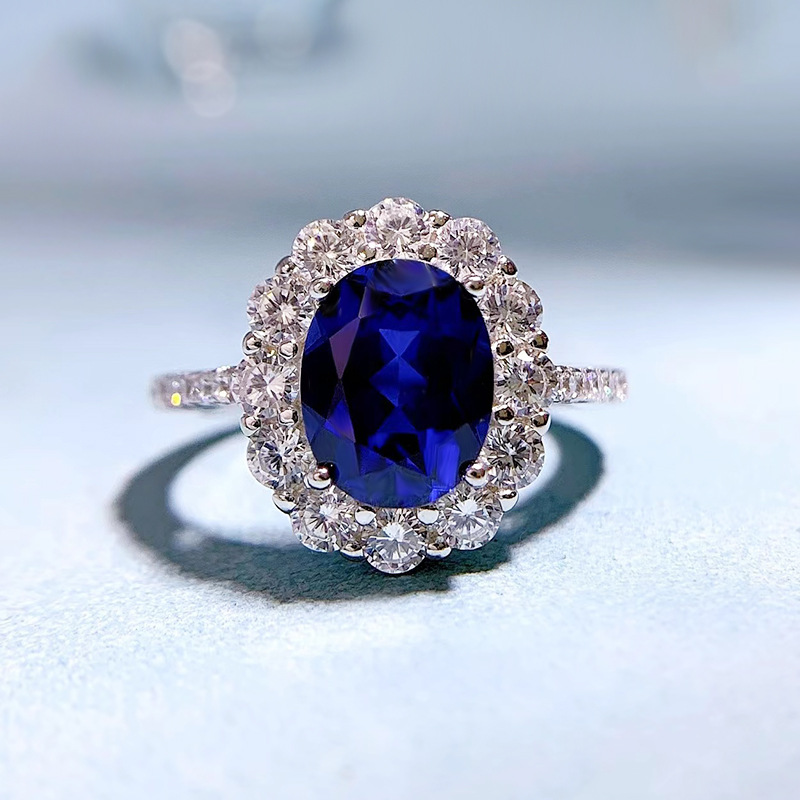
Fine Jewelry Authenticity Paperwork Checklist for Smart Buyers
A Fine Jewelry Authenticity Paperwork Checklist helps you confirm what you're buying before the box is wrapped, the gift is tucked away, or the ring is slipped on during a proposal. It checks the facts behind the sparkle: metal type, diamond or gemstone details, warranty coverage, return terms, and insurance records.
That paperwork Matters for Lab-grown Diamond Engagement Rings, diamond studs, tennis bracelets, gold chains, and heirloom-style gifts. Two pieces can look nearly identical online, yet differ in carat weight, cut quality, metal purity, treatment disclosure, and long-term value.
So what should come with fine jewelry? The short answer: enough documentation to prove what the piece is, what you paid, and how it's protected after purchase.
What a Fine Jewelry Authenticity Paperwork Checklist Should Include
A complete jewelry paperwork packet does more than confirm a sale. It connects the physical piece to its specifications, price, service terms, and replacement value.
For most fine jewelry purchases, your records should include:
- Sales receipt with purchase date, price, retailer name, item description, and order number
- Product description with style name, SKU, metal type, stone type, and setting details
- Diamond or gemstone grading report when the stone is central to value
- Metal purity statement, such as 14K gold, 18K gold, platinum, or sterling silver
- Written warranty terms with coverage, exclusions, and service rules
- Return or exchange policy with timing, condition rules, and refund method
- Care instructions for cleaning, storage, and inspections
- Appraisal or replacement valuation for jewelry you plan to insure
- Digital copies of receipts, reports, photos, and warranty files
Each document has a job. A receipt proves the transaction. A grading report verifies diamond or gemstone details. An appraisal estimates replacement value, often for insurance. A warranty explains what the retailer will and won't cover.
The fine jewelry authenticity paperwork checklist works best when it separates proof of ownership, proof of quality, proof of Value, and Proof of service coverage. I've helped hundreds of couples choose engagement rings, and the calmest buyers are almost always the ones who can point to the paperwork and say, "Okay, this matches."
Why Paperwork Changes the Buying Decision
Paperwork can explain price differences that photos can't. One 1.50 carat lab-Grown Diamond Ring may include an IGI or GIA-style grading report, a clear warranty, and a detailed product page. Another may only say "diamond ring" on a receipt.
That's not the same buying risk.
GIA grades diamonds using the 4Cs: carat weight, color, clarity, and cut. IGI also issues grading reports for both natural and lab-grown diamonds, often listing measurements, polish, symmetry, fluorescence, and report numbers. Those details give you a real comparison instead of a guess.
We've found that customers feel more confident when they can match the report number, metal type, and product description before checkout. It also makes future steps easier, especially insurance, resizing, repairs, gifting, or estate records.
Honestly, I think paperwork is one of the least glamorous parts of buying jewelry, but it is also one of the kindest things you can do for your future self (trust me, I've seen it happen when someone needs a repair or insurance claim years later).
Complete Paperwork vs. Minimal Proof of Purchase
A fine jewelry authenticity paperwork checklist usually falls into two standards: complete documentation or minimal proof of purchase. Both can support a sale. They don't offer the same protection.
Complete documentation is the stronger choice for engagement rings, lab-Grown Diamond Jewelry, anniversary pieces, tennis bracelets, and higher-value gifts. Minimal paperwork may be enough for simple, lower-priced jewelry where gemstone grading doesn't drive the value.
Complete Authenticity Paperwork Packet
A complete packet gives you a fuller ownership trail. It usually includes the receipt, product listing, grading report, appraisal or valuation, warranty, return policy, care guide, and material disclosures.
For diamond jewelry, the grading report is often the key technical document. It may list carat weight, color, clarity, cut grade, measurements, polish, symmetry, fluorescence, and a report number. For lab-grown diamonds, it should clearly state laboratory-grown origin.
Insurance companies often ask for a receipt, appraisal, photos, and a detailed description. A replacement valuation may include the metal, stone details, measurements, and estimated cost to replace the item with a comparable piece.
A complete fine jewelry authenticity paperwork checklist is especially helpful when jewelry costs enough that you'd insure it. If the item is lost, stolen, damaged, resized, repaired, gifted, or inherited, the records are already in place.
Minimal Proof-of-Purchase Packet
Minimal paperwork is lighter. It may include a payment receipt, order confirmation, packing slip, product title, retailer contact details, or a basic warranty card.
That can work for a plain 14K gold band, a small charm, or simple everyday earrings. You still want the receipt, metal purity, item description, and return policy. You may not need a diamond report if no important gemstone is involved.
Minimal paperwork becomes risky when the price rises or the stone carries most of the value. A receipt that says "1 ct diamond ring" doesn't tell you whether the diamond is one stone or total carat weight. It also doesn't confirm color, clarity, cut, lab-grown origin, treatment status, or measurements.
If you're Buying an Engagement Ring, diamond studs, a tennis bracelet, or a meaningful gemstone piece, minimal records leave too much unanswered. A proposal ring or milestone gift carries a lot of emotion, and nobody wants the memory clouded by unanswered questions about what was actually purchased.
Fine Jewelry Authenticity Paperwork Checklist: Side-by-Side Comparison
Use this comparison Before You Buy. The right paperwork depends on the piece, the price, and how you plan to use it.
| Document Type | Complete Paperwork Packet | Minimal Proof of Purchase | Why It Matters |
|---|---|---|---|
| Receipt | Detailed receipt with date, price, retailer, SKU, and item description | Basic payment receipt or order email | Proves ownership and supports returns |
| Grading report | Recognized lab report for significant diamonds or gemstones | Often missing | Verifies stone quality and identity |
| Appraisal or valuation | Includes replacement value, descriptions, measurements, and sometimes photos | Usually missing | Helps with insurance and claims |
| Metal purity | Lists 14K, 18K, platinum, sterling silver, or other metal | May be vague | Confirms material value |
| Warranty terms | Written coverage, exclusions, inspections, and repair process | Basic card or none | Sets service expectations |
| Return policy | Clear return window, condition rules, and refund method | May be hard to find | Protects the purchase decision |
| Care guide | Cleaning, storage, and inspection advice | Often absent | Helps prevent damage |
| Digital records | Downloadable invoice, reports, photos, and warranty files | Order email only | Creates backup proof |
For diamond-heavy jewelry, the grading report matters most after the receipt. For gold jewelry, metal purity and product details become more important. For colored gemstones, look for identity, treatment disclosure, and care guidance.
A fine jewelry authenticity paperwork checklist doesn't mean every piece needs every document. It means the records should match the value and complexity of the jewelry.
How Specs Should Match the Price
Paperwork is also a price-checking tool. A 2.00 carat Lab-Grown Diamond Solitaire in 14K gold should be priced differently from a 2.00 carat total weight halo ring where the center stone is smaller and the remaining weight comes from accent diamonds. Neither is automatically better, but the receipt and product description should make the difference obvious.
For engagement rings, look closely at the center stone specs: exact carat weight, shape, color, clarity, cut grade when available, measurements, and report number. With round diamonds, cut quality has a major effect on brightness, so "Excellent" or equivalent cut documentation is more meaningful than a vague sparkle claim. For fancy shapes such as Oval, Emerald, Pear, radiant, or cushion, check measurements, length-to-width ratio, and whether the listing mentions bow-tie visibility, symmetry, or facet style.
For diamond studs and tennis bracelets, confirm whether the listed carat weight is per stone or total carat weight. A pair of 1.00 carat total weight studs usually means about 0.50 carat per earring. A 3.00 carat total weight tennis bracelet may contain dozens of small stones, so the paperwork should state metal type, bracelet length, clasp style, and diamond quality range, such as F-G color and VS-SI clarity.
Metal choice affects price and wear, too. 14K gold is durable and often a practical choice for daily wear. 18K gold has a richer gold content and color, but it can be slightly softer. Platinum is dense, hypoallergenic for many wearers, and excellent for engagement rings, though it usually costs more and develops a natural patina. White gold commonly uses rhodium plating, so buyers should expect future replating as part of normal care.
Red Flags in Jewelry Paperwork
Missing paperwork doesn't always mean poor quality, but it should slow the purchase down. A good retailer can explain what each document proves.
Watch for these warning signs:
- Vague wording such as "premium stone" without carat weight, identity, or treatment details.
- No lab report for a significant center diamond or higher-value lab-grown diamond.
- Report numbers, laser inscriptions, carat weights, or measurements that don't match.
- Return terms that are unclear, hidden, or marked final sale without explanation.
- Metal descriptions such as "gold finish" when you expected 14K or 18K gold.
- Appraisal values presented as guaranteed resale prices.
- Warranty promises without written exclusions or service steps.
- Product photos, receipts, and certificates that describe different details.
Ask direct questions before paying. Does the report match the diamond? Is the diamond Lab-Grown or Natural? Is the gold solid, plated, or vermeil? What happens if a stone loosens after regular wear?
Here's what nobody tells you: a trustworthy jeweler won't be annoyed by these questions. They'll usually be relieved you're paying attention, because clear paperwork protects both sides.
Which Paperwork Standard Fits Your Purchase?
Choose complete documentation when the jewelry has meaningful financial or emotional value. It's the better standard for engagement rings, Lab-grown Diamond Jewelry, diamond studs, tennis bracelets, anniversary gifts, and pieces you may insure.
Choose a complete fine jewelry authenticity paperwork checklist if:
- You're buying a lab-grown diamond engagement ring or center-stone piece
- The jewelry costs enough that you'd file an insurance claim if it were lost
- You plan to gift the piece and want the recipient to have records
- You may resize, repair, upgrade, resell, or pass down the jewelry
- The value depends on diamond quality, gemstone identity, or metal purity
Minimal paperwork may be fine for lower-priced everyday jewelry. A modest gold chain, small hoop earrings, or plain band may only need a clear receipt, metal details, and return policy.
Best Paperwork for Lab-Grown Diamond Jewelry
Lab-grown diamonds need real documentation when the diamond drives the price. A grading report is strongly recommended for engagement rings, studs, pendants, bracelets, and larger anniversary pieces.
A smart lab-grown diamond paperwork packet includes the report number, laser inscription when available, carat weight, color, clarity, cut grade, measurements, diamond origin disclosure, receipt, warranty, and return policy.
For example, a 1.00 carat round lab-grown diamond with excellent cut, E color, and VS1 clarity is not the same purchase as a 1.00 carat stone with lower grades. The grading report makes that difference visible.
In practical shopping terms, many buyers Compare Lab-Grown Diamonds in common ranges such as 1.00 to 2.00 carats for engagement rings, 0.50 to 1.50 carats total weight for studs, and 1.00 to 3.00 carats for pendants. The best value is not always the highest color or clarity grade. A well-cut G or H color, VS2 or SI1 diamond can look beautiful in many settings, while an E color, VVS clarity stone may cost more for differences that are difficult to see without magnification.
Match the diamond paperwork to the setting. A delicate four-prong solitaire shows more of the diamond and makes cut and shape easy to notice. A bezel setting offers a sleek look and added edge protection, but it can make a stone face up slightly different than it does loose. Halo settings add finger coverage and sparkle, yet they make it especially important to distinguish center-stone weight from total carat weight. Pavé bands are bright and pretty, but small accent stones can require more maintenance than a plain shank.
In my years working with StoneBridge customers, I've seen how much better people feel when they can compare diamonds side by side with actual report details instead of relying on a pretty photo and a vague title. It turns a stressful decision into a much clearer one (yes, even on a budget).
If you're comparing stones now, review documented options through our lab-grown diamonds collection or build a ring with your chosen stone and setting in the ring builder.
Best Paperwork for Gold and Gemstone Jewelry
Gold jewelry should state metal purity clearly. Look for 14K, 18K, platinum, or sterling silver, plus helpful product details such as chain length, width, clasp type, ring size, bracelet length, or earring backing.
Gemstone jewelry needs a slightly different record. Ask for gemstone identity, treatment disclosure when relevant, metal purity, setting details, and care instructions. Heat treatment is common for sapphires and rubies. Emeralds may be oiled. Pearls, opals, and turquoise need gentler care.
If a seller claims a gemstone has a specific origin or treatment status, the paperwork should support that claim. A fine jewelry authenticity paperwork checklist protects you from paying extra for details that aren't documented.
Sizing, Fit, and Setting Details to Document
Sizing details are easy to overlook until a ring needs adjustment or a bracelet sits too loosely. For rings, keep the purchased size, any resizing history, and the current size in your records. Wide bands often fit tighter than thin bands, and eternity bands with stones all the way around may have limited or no resizing room. If the ring has engraving, pavé, side stones, or a tension-style design, ask before purchase how much the size can be changed later.
For bracelets, document the length in inches, clasp Style, and Safety features. A tennis bracelet with a box clasp and safety latch gives extra security, especially at higher carat weights. For necklaces, record chain length, chain style, width, and clasp type. A 16-inch chain sits differently from an 18-inch chain, and a fine cable chain will not wear the same way as a heavier wheat, rope, or box chain.
Setting details matter for maintenance. Prong settings should be checked periodically because tiny prongs can wear down or catch. Bezel settings protect stone edges well, especially for active wearers. Shared-prong bands maximize sparkle, but they may expose small diamonds to more wear than channel-set designs. These details belong in the product description because they affect how the piece looks, wears, and can be repaired.
Insurance, Appraisals, and Long-Term Records
Insurance paperwork deserves special attention. Many insurers want a recent appraisal for higher-value jewelry, often along with a receipt, photos, and a detailed description.
Industry appraisals often list replacement value, not resale value. That's a key difference. Replacement value estimates what it may cost to replace the jewelry with a comparable item through a retail channel, while resale value depends on buyer demand, market conditions, and selling method.
Keep at least 3 types of backups: a printed copy, a cloud copy, and a photo record. Store images of the jewelry from several angles, including any laser inscription, clasp, hallmark, or distinctive detail.
For jewelry worn often, update photos after major repairs or resizing. If the piece changes, your records should change too.
A small practical tip from experience: take the photos as soon as the piece arrives, before it goes into daily wear or gets hidden for a surprise proposal. Future you will be grateful.
Shipping, Returns, and Delivery Paperwork
For Online Fine Jewelry purchases, shipping and return documents are part of the ownership trail. Save the order confirmation, tracking number, delivery confirmation, return window, and any signature requirement. Higher-value jewelry should ship with secure packaging and an insured carrier method, and the package should not clearly advertise expensive contents on the outside.
Before purchase, read whether returns are free, whether resized or engraved items are final sale, and whether loose diamonds, custom settings, or special orders have different rules. Some retailers allow returns only if tags are attached and the piece is unworn. Others require an authorization number before shipping anything back. If you are buying for a proposal or anniversary, check the calendar carefully so the return window does not expire before the gift is opened.
If you need to send jewelry in for resizing, repair, or warranty service, photograph the piece before it leaves your possession and keep the service intake receipt. The paperwork should describe what is being sent, what work is requested, and whether the shipment is insured. This is especially important for diamond rings, tennis bracelets, and pieces with multiple stones.
StoneBridge Recommendation for Jewelry Buyers
Our recommendation is simple: use a complete fine jewelry authenticity paperwork checklist for any premium purchase. It gives you cleaner verification, easier insurance steps, and better long-term records.
Before checkout, confirm these 7 points:
- The receipt lists the retailer, date, price, order number, and item description.
- The diamond or gemstone report number matches the product details.
- The listing shows carat weight, measurements, color, clarity, cut, and origin when relevant.
- The metal purity is clear, such as 14K gold, 18K gold, platinum, or sterling silver.
- The warranty explains coverage, exclusions, inspections, repairs, and timelines.
- The return policy states the window, refund method, condition rules, and final-sale terms.
- Digital copies are saved for receipts, reports, appraisals, photos, and service records.
Buying fine jewelry should feel exciting, not uncertain. If the documents are vague, ask questions before you commit.
You can compare documented styles in our engagement rings, browse everyday and gift-ready pieces in our fine jewelry collection, or contact StoneBridge Jewelry for help understanding what paperwork comes with a specific item.
Final Checklist Before You Buy
The safest paperwork standard depends on the purchase, but premium jewelry deserves complete records. Minimal proof of purchase can work for simple pieces. It isn't enough for most diamond-heavy or high-value jewelry.
Use this final fine jewelry authenticity paperwork Checklist Before You Buy:
- Receipt with retailer, date, price, order number, and item description
- Product page or description with SKU, metal, setting, size, and stone details
- Diamond or gemstone grading report when applicable
- Appraisal or replacement valuation for jewelry you plan to insure
- Warranty terms with clear coverage and exclusions
- Return policy with timing, condition rules, and refund method
- Metal purity details such as 14K, 18K, platinum, or sterling silver
- Gemstone disclosures, including lab-grown origin and treatments when relevant
- Product photos, report numbers, laser inscription details, and digital backups
Good paperwork protects both the emotional and financial value of jewelry. It helps you understand what you're buying today and gives future owners a clearer record later.
Common mistakes are usually simple ones: confusing total carat weight with center-stone weight, assuming an appraisal equals resale value, forgetting to save the return policy, choosing a ring size without considering band width, or buying white gold without knowing it may need rhodium maintenance. A few extra minutes with the paperwork can prevent those disappointments.
Ready to compare with confidence? Shop StoneBridge Jewelry pieces with clear product details, transparent material information, and purchase records that help you make a smarter decision.
Ready to Find Your Perfect Diamond?
Explore our collection of certified lab-grown diamonds
Shop Diamonds