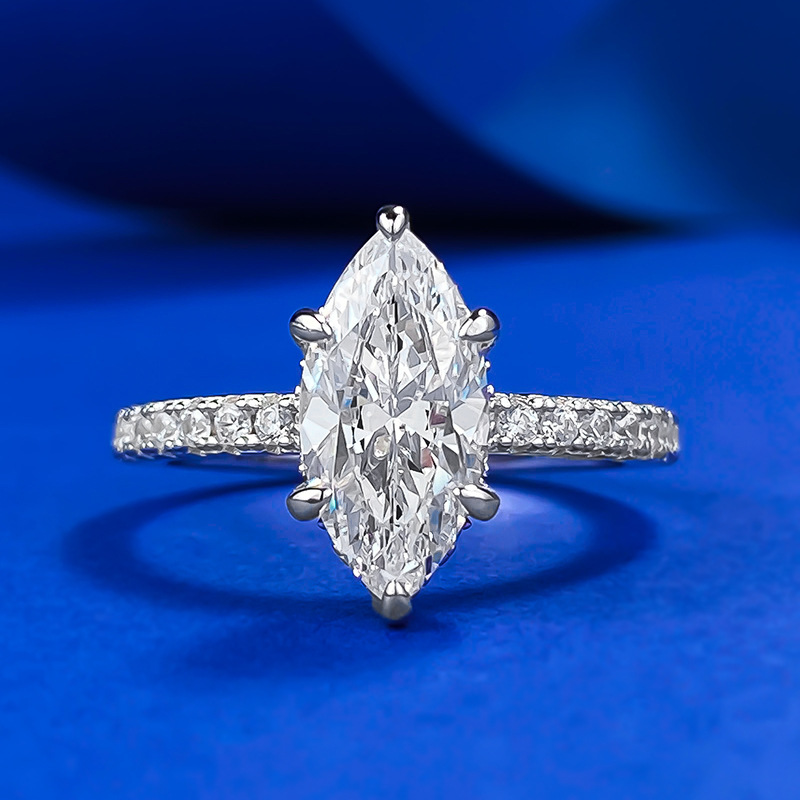
Emerald Cut vs Oval Ring Setting: Which Style Fits You Best?
If you're comparing emerald cut vs oval ring setting, the center stone shape is only part of the decision. The setting changes how the ring sits on the hand, how much sparkle you see, how secure the stone feels for daily wear, and how large it appears from above. For an engagement ring, those details matter.
The right setting can make an emerald cut feel clean and refined. It can also make an oval look brighter and more romantic. The better choice depends on style, comfort, maintenance, and budget.
At StoneBridge Jewelry, we've found that shoppers often narrow this choice faster once they see the setting and stone together. If you'd like to compare styles as you read, you can explore our engagement rings or shop lab-grown diamonds.
Emerald Cut Ring Setting: What It Does Well
An emerald cut ring setting is designed to show off long lines and step-cut facets. Instead of lots of tiny flashes, it gives you broad, mirror-like light. The result feels calm, polished, and elegant.
That look has stayed popular for a reason. It works beautifully for people who want a ring with quiet luxury and strong shape. It also pairs well with vintage and Art Deco inspired designs.
Best setting styles for emerald cuts
The best emerald cut ring setting usually keeps the design clean and balanced:
- Solitaire – simple, classic, and focused on the center stone.
- Halo – adds extra brightness and can make the stone look larger.
- Bezel – gives a sleek profile and strong protection.
- Three-stone – adds width and a more substantial look.
- Cathedral – lifts the stone and creates a formal feel.
A solitaire is often the purest look. A halo adds more presence. A bezel is a smart pick if you want extra security for everyday wear.
Pros of an emerald cut ring setting
- Elegant and timeless: The shape feels refined without trying too hard.
- Strong face-up presence: The wide table can look impressive on the hand.
- Finger-flattering shape: The long outline can make fingers look slimmer.
- Great for vintage style: It fits Art Deco and classic looks naturally.
- Less busy look: The design feels calm and clean.
Cons of an emerald cut ring setting
- Less sparkle than brilliant cuts: The shine is more subtle.
- Clarity matters more: Open facets can show inclusions more easily.
- Alignment has to be precise: Small mistakes are easy to spot.
- The setting can overpower it: Heavy designs can take away from the stone.
GIA and IGI both place a strong focus on cut quality and clarity because open facet patterns show detail so clearly. With emerald cuts, even small changes in symmetry can change the whole look. That means the setting has to do more than look pretty; it has to support the stone well.
For lab-grown diamonds, this is especially useful. A well-matched emerald cut can give you a refined look at a strong value, but only if the setting suits the stone's shape and proportions.
Oval Ring Setting: Why So Many Buyers Choose It
An oval ring setting usually creates a brighter, softer Look on the Hand. Oval diamonds use brilliant-style faceting, so they tend to sparkle more than emerald cuts. That extra light return is one big reason shoppers love them.
The shape also feels romantic and easy to wear. It looks modern, but it still feels classic. On top of that, the elongated outline can make the stone look larger than a round diamond of the same carat weight.
Best setting styles for oval diamonds
The oval ring setting works well in several popular designs:
- Solitaire – simple and versatile with the right prong placement.
- Hidden halo – adds sparkle without changing the top view too much.
- Four-prong or six-prong – gives you a clean look with different levels of security.
- Pavé band – adds extra shine along the band.
- Cathedral – gives height and structure.
A six-prong oval ring setting can help protect the pointed ends. A four-prong version looks a little lighter. Hidden halos are popular if you want more sparkle without a busy top view.
Pros of an oval ring setting
- More sparkle: Brilliant-style faceting gives strong light return.
- Soft, flattering shape: The long outline can slim the finger visually.
- Flexible styling: It fits modern, romantic, and classic looks.
- Often looks larger: Ovals can appear bigger at the same carat weight.
- Easy to pair: Many wedding bands sit nicely beside an oval.
Cons of an oval ring setting
- Bow-tie risk: Some ovals show a dark band across the middle.
- Proportion issues stand out: A narrow or uneven cut can look off.
- Prongs matter a lot: Weak placement can leave the ends less secure.
- Thin bands may bend: Larger ovals may need a stronger shank.
Industry buyers and gemologists often point out that oval diamonds vary more in visual performance than many shoppers expect. A good one looks lively and balanced. A poor one can show uneven brightness, so the setting needs to help the stone look its best.
If you're shopping lab-grown stones, oval diamonds are often a smart value pick. They can give you strong sparkle and size for the price, especially when the setting supports the shape well.
Emerald Cut vs Oval Ring Setting: Side-by-Side Comparison
The easiest way to compare these two is to focus on what you'll notice day to day. The emerald cut vs oval ring setting choice usually comes down to sparkle, shape, protection, and overall style.
Quick comparison table
| Feature | Emerald Cut Ring Setting | Oval Ring Setting |
|---|---|---|
| Sparkle | Soft, mirror-like flashes | Bright, brilliant sparkle |
| Face-up look | Broad and elegant | Often looks larger and more stretched |
| Finger effect | Slim and structured | Soft and lengthening |
| Style vibe | Refined, vintage, minimalist | Romantic, modern, versatile |
| Clarity visibility | Higher | Lower |
| Durability needs | Corner protection matters | End protection matters |
| Maintenance | Smudges show more easily | Prongs and bow-tie need checks |
| Best settings | Solitaire, bezel, halo, three-stone | Solitaire, hidden halo, pavé, six-prong |
Sparkle and light performance
If sparkle is your top goal, oval usually wins. Its brilliant faceting gives more fire and scintillation, so it catches the eye fast. Emerald cuts, by contrast, give you broad flashes and a smoother look.
Which do you prefer: sharp brightness or a softer glow? That answer usually points you in the right direction.
Perceived size and finger coverage
Both shapes can look generous on the hand, but they do it in different ways. Ovals often seem larger because the sparkle spreads across the whole stone. Emerald cuts can also look sizable because of the wide table and open top view.
If you want a shape that stretches the finger line, both are strong options. The oval feels softer. The emerald cut feels more structured.
Durability and everyday wear
A ring setting should protect the stone, not just frame it. Emerald cuts need careful corner support, especially in solitaire and three-stone styles. If the prongs are too light, the corners can be more exposed.
Oval diamonds don't have corners, but they still need secure tip coverage. A six-prong oval ring setting is popular because it adds security. For both shapes, a low-profile setting can help with comfort if you wear the ring every day.
Metal pairings that change the look
Different metals shift the mood of the ring:
- Platinum: strong, crisp, and long-wearing
- White gold: bright and classic
- Yellow gold: warm and vintage leaning
- Rose gold: soft and romantic
Emerald cuts often look striking in platinum or yellow gold. Oval ring setting styles adapt easily to all four metals, which is one reason they remain so popular.
What the numbers say
The Gemological Institute of America notes that cut quality is one of the biggest drivers of visual beauty. It also reports that clarity becomes easier to judge in step-cut stones like emerald cuts because the facets are open and broad. In practice, that means the setting and stone have to work together.
We've also seen a common pattern with shoppers: many choose ovals when they want more perceived size from the same budget, and emerald cuts when they want a cleaner, more tailored look. That split comes up again and again in real consultations.
Which Ring Style Fits Your Taste and Lifestyle?
The better choice depends on how you wear jewelry and what you want the ring to say.
Choose an emerald cut ring setting if you prefer:
- A cleaner, more tailored look
- Vintage or Art Deco style
- Less sparkle and more structure
- A refined ring that feels understated
- A design that highlights clarity and shape
An emerald cut ring setting is a strong match if you like jewelry that feels polished and quiet. It works especially well for people who prefer sharp lines over soft curves. If your style is classic, this one may feel like home.
Choose an oval ring setting if you prefer:
- More sparkle and brightness
- A soft, romantic shape
- A ring that looks a bit larger at the same carat weight
- A style that works with many wedding bands
- A design that feels both modern and timeless
An oval ring setting is often the better pick if you want visual impact right away. It also tends to feel easy to wear because it blends into many styles. That flexibility is a big reason it stays so popular.
Lifestyle questions that help you decide
Think about how the ring will live on your hand. Do you work with your hands a lot? Do you want lower maintenance? Do you care more about sparkle than shape? Those answers matter more than trend pieces do.
For daily wear, a bezel or low cathedral setting can be smart for an emerald cut. For an oval, a secure six-prong or hidden halo can strike a good balance between style and support.
If budget is part of the decision, an oval may give you more visible size and sparkle for the money. An emerald cut can still be a smart value if you want elegance and can choose a well-cut stone with solid clarity.
Expert Recommendation: Which Is the Better Buy?
If you want the short answer, here it is: oval is usually the better buy for sparkle and size appeal, while emerald cut is better for a clean, refined look.
That doesn't make one better for everyone. It just means each one serves a different goal.
Best choice by shopping goal
- For classic luxury: emerald cut ring setting in platinum or yellow gold
- For modern glamour: oval ring setting with a hidden halo or pavé band
- For value-focused shopping: oval ring setting for strong visual size
- For vintage style: emerald cut with a solitaire, halo, or three-stone design
- For maximum sparkle: oval with a well-proportioned brilliant cut center stone
Setting details that really matter
A great ring starts with the right structure:
- Prong style: Four-prong looks lighter. Six-prong adds security.
- Band width: Too thin can make a large center stone feel top-heavy.
- Setting height: Lower settings are easier for daily wear.
- Metal choice: Platinum adds strength; gold changes the mood.
- Accent stones: They should support the center, not steal attention.
For emerald cuts, alignment matters a lot. The open facet pattern makes tilt and unevenness easy to notice. For oval ring setting styles, the sparkle gives a little more forgiveness, but symmetry still matters.
If you're shopping lab-grown diamonds, this is where the value story gets interesting. A well-chosen lab-grown emerald cut or oval can let you go a little larger or cleaner on the same budget compared with many mined options. Pair that with the right setting, and the whole ring feels stronger.
You can try our ring builder to compare prongs, metal, and band width side by side. You can also browse our jewelry collection or contact our jewelry experts if you want help matching a wedding band.
Shop the Best Emerald Cut and Oval Ring Settings
The smartest way to shop is to look at the shape, the setting, and the stone together. Start with the style you love, then check protection, metal choice, and how the ring will wear over time.
If you're leaning toward an emerald cut ring setting, look for clean lines, strong corner support, and balanced proportions. If you prefer an oval ring setting, compare four-prong and six-prong versions, hidden halos, and pavé bands to get the right amount of sparkle.
Use these links to keep comparing:
- Explore engagement rings for emerald cut and oval styles
- Shop lab-grown diamonds for center stone options
- Try the ring builder to customize the setting
If you're comparing emerald cut vs oval ring setting for an engagement ring, the best choice comes down to your priorities. Choose emerald cut for elegance and structure. Choose oval for sparkle and size. Either can be beautiful if the setting fits the stone.
FAQ
What is the best emerald cut vs oval ring setting for daily wear?
For daily wear, the best choice depends on how active your hands are. A lower-profile bezel or protected cathedral setting often works well for an emerald cut. For an oval, a secure six-prong or hidden halo setting can give you comfort and support without losing style. If you're hard on jewelry, ask for stronger prongs and a band that isn't too thin.
Which looks bigger: emerald cut vs oval ring setting?
An oval ring setting often looks bigger because the sparkle spreads across the full length of the stone. Emerald cuts can also look large thanks to the wide table and open face-up view. The difference usually comes down to the exact length-to-width ratio and how high the stone sits on the finger. If size illusion matters most, oval usually has the edge.
Is an oval ring setting more sparkly than an emerald cut ring setting?
Yes, in most cases it is. Oval diamonds use brilliant-style faceting, so they return more light and flash more often than emerald cuts. Emerald cuts give a smoother, more reflective look instead. If you want a bright ring that catches light quickly, oval is the better pick.
What setting is safest for an emerald cut ring?
A bezel setting is one of the safest choices for an emerald cut because it wraps metal around the stone. A well-made solitaire with secure corner prongs is also a strong option. If you want more style without losing too much protection, a halo or three-stone design can work well. The key is keeping the corners protected and the stone aligned.
Does an oval ring setting hide inclusions better than an emerald cut setting?
Usually, yes. Oval diamonds tend to hide small inclusions better because their sparkle draws the eye around the stone. Emerald cuts have larger, open facets, so clarity is easier to see. If you're buying lab-grown diamonds, this can help you decide where to spend your budget. You may be able to choose a slightly lower clarity grade in an oval and still love the look.
Ready to Find Your Perfect Diamond?
Explore our collection of certified lab-grown diamonds
Shop Diamonds