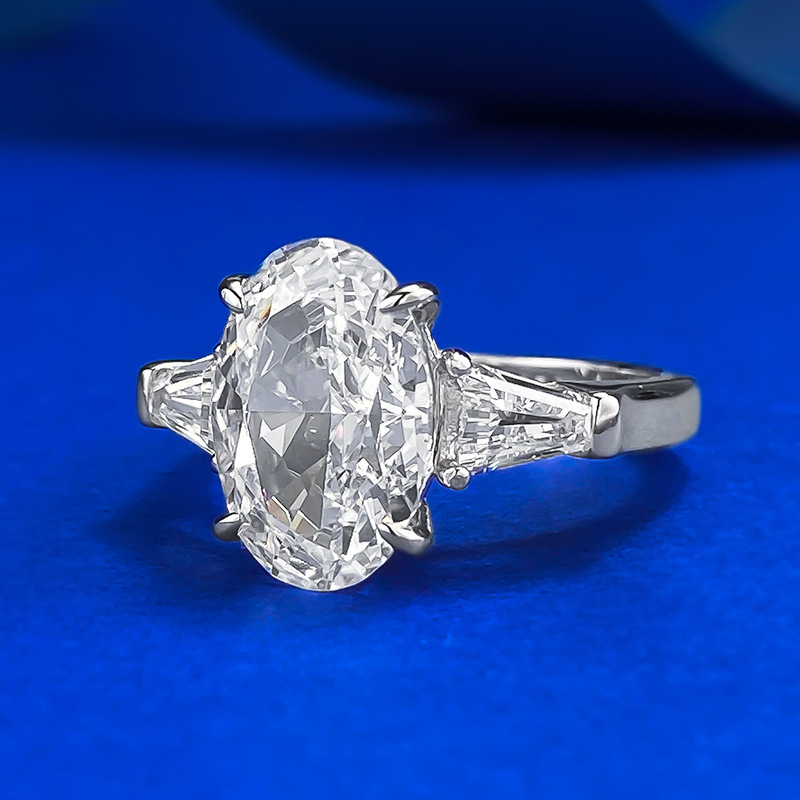
Emerald Cut Lab Diamond Anniversary Ring Insurance Checklist
An emerald Cut Lab Diamond Anniversary Ring insurance checklist gives you a calm, clear way to protect a meaningful purchase before it becomes part of daily life. An anniversary ring carries emotion first, but it also has real value in the diamond, metal, setting, and craftsmanship.
The best time to think about insurance is before the ring is worn to work, packed for a trip, or placed beside a sink after washing hands. A few organized steps now can save stress later if the ring is lost, stolen, or damaged (trust me, I have seen the sink-side habit cause panic more than once).
At StoneBridge Jewelry, I have helped hundreds of couples compare lab-grown diamond rings by carat weight, clarity, color, metal, and setting style. Insurers care about those same details. A strong emerald Cut Lab Diamond anniversary ring insurance checklist helps you save the right records, confirm replacement value, and avoid delays if you ever need to file a claim.
Why Ring Insurance Matters for Emerald Cut Lab Diamonds
An anniversary ring may mark one year, ten years, a vow renewal, or a personal milestone. The meaning is personal. The protection plan should be practical.
Jewelry insurance providers often estimate annual premiums at about 1% to 2% of the insured value, though rates vary by location, deductible, coverage type, and claim history. That means a $5,000 ring may cost about $50 to $100 per year to insure. For many buyers, that cost is easier to manage than replacing the full ring after loss, theft, or damage.
An emerald Cut Lab Diamond anniversary ring insurance checklist helps prevent three common problems: missing documents, vague ring descriptions, and coverage gaps. If the policy starts after the ring is already being worn, the owner may be exposed during the riskiest early days.
Good documentation also makes replacement clearer. A 2.00 carat emerald cut lab-grown diamond in platinum is not the same as a simple 14K gold solitaire. Your policy should describe the actual ring, not a loose category.
Honestly, I think insurance is one of the least glamorous parts of buying a beautiful ring, but it is also one of the kindest things you can do for your future self. The ring may celebrate love, commitment, and all the ordinary days you have built together; protecting it simply honors that story.
What Makes Emerald Cut Lab Diamond Rings Different
Emerald Cut Diamonds have long step-cut facets, an open table, and a clean geometric shape. They do not sparkle like round brilliant diamonds. Instead, they give off broad flashes of light with a crisp, elegant look.
That open table makes clarity especially visible. A small inclusion that hides well in a brilliant cut may be easier to see in an emerald cut. For that reason, your records should include clarity grade, measurements, color grade, and the grading report number.
GIA and IGI reports use consistent grading language for diamond details such as color, clarity, polish, symmetry, and measurements. If your lab-grown diamond has a grading report, keep a digital copy and a printed copy. Insurers may use that report to confirm the quality of a comparable replacement.
Lab-grown diamonds can offer strong value. Many shoppers choose a larger stone, higher clarity grade, or more detailed setting because the lab-grown option fits the budget better than a mined diamond of similar size. Still, a lower purchase price does not mean the ring is simple to replace.
In my years at StoneBridge, I have noticed that emerald cut shoppers tend to be detail people. They care about proportions, symmetry, clean lines, and that quiet mirror-like glow. Those are exactly the details you want captured in your paperwork, because they help an insurer understand what made your ring feel like your ring.
Emerald Cut Lab Diamond Anniversary Ring Insurance Checklist
Use this emerald cut Lab Diamond Anniversary Ring insurance checklist before purchase, after delivery, and any time the ring changes. The goal is simple: prove what you own, what it is worth, and what the policy should replace.
Start with the basics. Save the product listing, receipt, order confirmation, diamond grading report, appraisal, warranty details, and clear photos. If you are still choosing a stone, browse lab-grown diamonds and save the specs for the diamond you plan to buy.
Your checklist should include:
- Ring receipt and order confirmation.
- Diamond grading report, if available.
- Shape, carat weight, color, clarity, and measurements.
- Metal type, metal purity, setting style, and accent stones.
- Professional appraisal, if required by the insurer.
- Photos from the top, side, underside, and close-up views.
- Policy details, deductible, exclusions, and claim rules.
- Copies stored both online and offline.
This emerald cut lab diamond anniversary ring insurance checklist works best when you complete it right away. Do not wait until the ring has already been resized, worn on vacation, or packed during a move.
Here is what nobody tells you: the boring folder you create now may become the most useful thing you own if something goes wrong. It does not need to be fancy. It just needs to be complete, easy to find, and current.
Before You Buy: Check the Details Like an Insurer
Before checkout, read the ring page with care. Does it list the Emerald Cut Diamond's carat weight, color, clarity, dimensions, and certification? Does it name the metal, such as 14K gold, 18K gold, or platinum?
Photos matter too. Look for views that show the center stone, prongs, basket, side profile, accent stones, and band width. A ring with tapered baguettes or a hidden halo needs more detail than a plain band.
If you want to compare settings and center stones, use the ring builder and save your selections before purchase. Those details can help with insurance quotes and appraisals.
Ask the insurer what documents they need for a ring at your price point. Some companies accept a receipt and grading report under a certain value. Others require an appraisal for scheduled jewelry coverage.
If the ring is a surprise anniversary gift, take one extra minute to save the records somewhere your partner can access later (yes, even if you are trying to keep the romance under wraps). A beautiful reveal and responsible planning can absolutely go together.
After Delivery: Appraisal, Photos, and Policy Setup
Once the ring arrives, set up coverage as soon as you can. If an appraisal is required, schedule it with a qualified jewelry appraiser who can identify the stone as lab-grown and describe the ring accurately.
Read the appraisal before you send it to the insurer. Check the diamond shape, carat weight, color, clarity, metal type, accent stones, and replacement value. If the appraisal says mined diamond instead of lab-grown diamond, ask for a correction.
Take your own photos in natural light. Capture the top view, side view, underside, metal hallmark, engraving, prongs, and any custom detail. These images do not replace an appraisal, but they can support ownership records.
Keep all files in one folder. Name them clearly, such as receipt, grading report, appraisal, policy, and ring photos. You will be glad to have them organized if you ever need access while traveling.
I always recommend taking photos before the ring goes into regular rotation. Once a ring becomes part of everyday life, it is easy to forget the small details that were obvious on day one.
Compare Coverage Before You Choose a Policy
A good emerald cut lab diamond anniversary ring insurance checklist does not stop at documents. It should also help you compare policy language.
Two common options are standalone jewelry insurance and scheduled personal property coverage through a homeowners or renters policy. Standalone jewelry policies may offer more jewelry-specific protection. Scheduled coverage can be convenient if you already have a home policy.
Ask direct questions Before You Buy coverage. Does the policy cover accidental loss? Theft during travel? Damage from a chipped stone or broken prong? Does it cover worldwide travel?
Ask how replacement works, too. Some insurers pay cash. Some require replacement through a preferred jeweler. Others may allow you to return to the original jeweler, which can help if you want the same StoneBridge Jewelry design.
The policy should state that replacement will be with a comparable lab-grown diamond. That means similar shape, carat weight, color, clarity, cut quality, and setting details. A vague description can lead to a disappointing claim result.
Do not be shy about asking the same question twice in plain language. For example: "If this exact emerald cut lab diamond ring is lost, what do I receive?" A good insurer should be able to answer clearly.
Pricing and Value: What Should Be Insured?
Insurance value is not always the same as the sale price. A promotional discount may lower what you paid, but the replacement cost could be higher. Metal prices, labor costs, and diamond availability can all affect value.
Most buyers should understand four numbers:
| Value Type | What It Means | Why It Matters |
|---|---|---|
| Purchase price | What you paid at checkout | Proves ownership and helps with quotes |
| Appraisal value | Estimated replacement cost | Often used for scheduled coverage |
| Replacement value | Cost to replace a similar ring | Drives claim outcomes |
| Sentimental value | Personal meaning of the ring | Cannot be fully insured, but guides care |
An inflated appraisal can make premiums higher than needed. An appraisal that is too low can leave you short during a claim. The right number should reflect a comparable emerald cut lab-grown diamond ring in the same metal and quality range.
Many insurance professionals suggest reviewing jewelry appraisals every 2 to 3 years, especially for higher-value pieces. You should also update records after resizing, resetting, upgrading the diamond, or changing the setting.
Sentimental value is the one number no insurer can truly replace. The date, the proposal, the anniversary dinner, the quiet moment at home when the ring was given; those details are yours. Insurance cannot bring back the exact memory, but it can help protect the financial piece so the loss is not harder than it already feels.
Care Habits That Support Insurance Protection
Insurance helps after a loss, but good habits reduce risk. Remove the ring for gym workouts, swimming, gardening, heavy cleaning, and moving furniture. Emerald cut diamonds are durable, but prongs, bands, and accent stones can still bend or loosen.
Clean the ring gently with jewelry-safe methods. Avoid harsh chemicals and abrasive cleaners. If lotion builds up under the stone, the diamond may look dull even when nothing is wrong.
Schedule routine inspections to check prongs, accent stones, and the setting. Keep repair receipts and inspection notes in your insurance folder. Some policies exclude gradual wear or neglect, so maintenance records can help show responsible care.
If you travel, use a secure ring case and avoid placing the ring loose in a purse, pocket, or hotel bathroom tray. For longer trips, check whether your policy includes worldwide coverage before you leave.
One small habit I love: choose one safe place at home where the ring always goes when it is not being worn. Not three places. Not "wherever is nearby." One place. It sounds simple because it is, and it works.
When to Update Your Ring Insurance Checklist
Your emerald cut lab diamond anniversary ring insurance checklist should change whenever the ring changes. Resize it? Update the records. Reset the diamond into platinum? Get a new appraisal. Add side stones or an engraving? Photograph and document the new details.
You should also contact the insurer after a move. Premiums and coverage terms can vary by location. A new address may affect the policy even if the ring stays the same.
Keep old records, but mark the newest version clearly. If there are several appraisals, the insurer should know which one describes the current ring.
If you upgrade the ring for a milestone anniversary, do the paperwork the same week. I know paperwork is not nearly as fun as admiring a new emerald cut diamond under every light in the house, but it keeps your coverage from lagging behind the ring you actually own.
Shop StoneBridge Jewelry with Insurance Confidence
Shopping with insurance in mind does not make the moment less romantic. It makes the purchase easier to protect. Look for complete specifications, clear photos, grading details, and setting information Before You Buy.
If you are comparing anniversary styles, browse the fine jewelry collection and note the metal, setting height, accent stones, and band design. If you prefer a more bridal-inspired anniversary ring, you may also want to view engagement rings for emerald cut setting ideas.
Before regular wear, complete your emerald cut lab diamond anniversary ring insurance checklist. Save the documents, confirm the appraisal, review the policy, and make sure lab-grown diamond replacement is clearly described.
A beautiful anniversary ring deserves more than a receipt in an inbox. Choose the design you love, protect the details, and keep the records ready. Then wear the ring with the confidence the milestone deserves.
FAQ
Do I need insurance for an emerald cut lab diamond anniversary ring?
Yes, insurance is smart if the ring would be costly or stressful to replace. An emerald cut lab diamond anniversary ring insurance checklist helps you gather the receipt, grading report, appraisal, and photos before daily wear begins. Fast coverage can reduce the gap between purchase and protection. Ask your insurer whether loss, theft, travel, and damage are included.
What documents do insurers need for a lab-grown diamond ring?
Most insurers ask for a receipt, ring specifications, clear photos, and a diamond grading report when available. A professional appraisal may be required for higher-value rings or scheduled jewelry coverage. Include the emerald cut shape, carat weight, color, clarity, measurements, metal type, and setting details. Store copies online and offline so they are easy to access during a claim.
Will insurance replace my ring with another lab-grown diamond?
It should, but you need to confirm the wording before you choose a policy. Ask whether an approved claim replaces the ring with a comparable lab-grown diamond, not a generic diamond. The replacement should match the emerald cut shape, size range, color, clarity, and setting quality as closely as possible. Put that answer in writing if you can.
How often should I update my jewelry appraisal?
Many owners review jewelry appraisals every 2 to 3 years, especially for rings with higher insured values. Update the appraisal sooner if the ring is resized, reset, upgraded, or repaired in a way that changes value. Metal prices, labor costs, and replacement availability can shift over time. Send updated documents to your insurer before relying on the policy.
Is standalone jewelry insurance better than homeowners coverage?
It depends on the ring value, deductible, travel needs, and claim rules. Standalone jewelry insurance may offer broader protection for loss, theft, damage, and worldwide travel. Scheduled homeowners or renters coverage can be convenient if you already have a policy. Compare both options and ask how each one handles lab-grown diamond replacement.
Ready to Find Your Perfect Diamond?
Explore our collection of certified lab-grown diamonds
Shop Diamonds