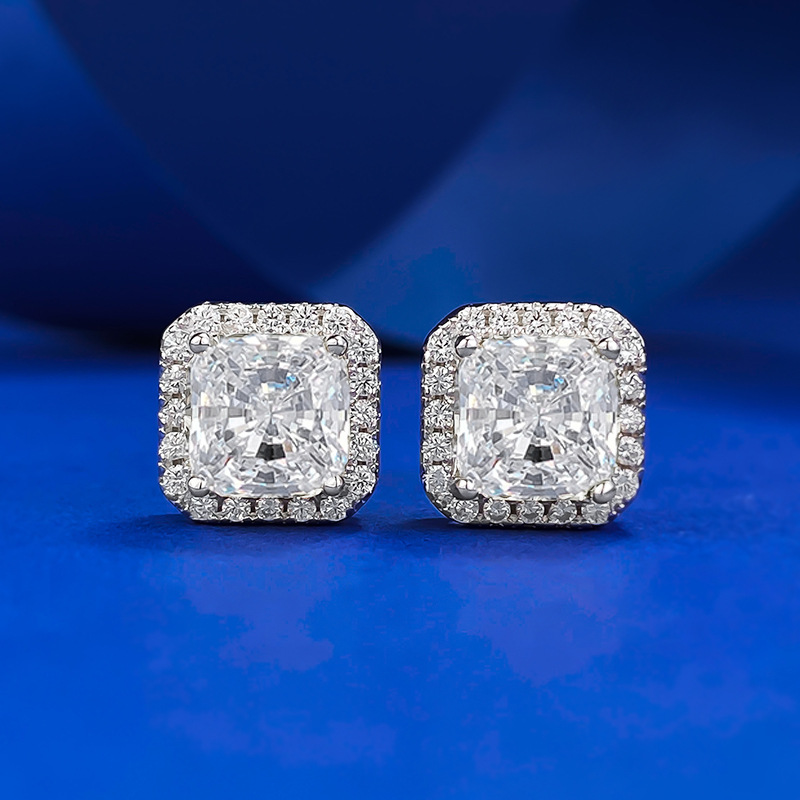
Emerald Cut Drop Earrings Cost: Smart Price Guide
Emerald cut drop earrings cost can start near $400 for petite lab-grown diamond designs and rise past $10,000 for larger natural diamond pairs. The price depends on stone origin, total carat weight, clarity, color, metal, setting style, and how closely the two stones match.
Emerald cut stones have a clean, architectural look. They do not sparkle like round brilliant diamonds. They show long flashes, crisp lines, and a mirror-like pattern that feels refined on the ear.
That shape works beautifully in drop earrings because the stone sits below the lobe and catches light as you move. The same open facets that make emerald cuts elegant also reveal inclusions more easily. That is why emerald cut drop earrings cost can change so much between two pairs that look similar at first glance.
What Changes Emerald Cut Drop Earrings Cost?
Emerald cut drop earrings use rectangular or slightly square stones with cropped corners and step-cut facets. The cut began with emerald gemstones, but jewelers now use it for diamonds, moissanite, sapphire, aquamarine, and other stones.
The Gemological Institute of America, better known as GIA, grades diamonds by the 4Cs: cut, color, clarity, and carat weight. For emerald cuts, clarity and color carry extra weight because the large table acts almost like a window. A visible inclusion or warm tint can be easier to spot than it would be in a brilliant-cut stone.
A one-carat emerald cut diamond often measures around 7 mm by 5 mm, though exact spread varies by proportion. In earrings, that long outline can look graceful without needing extreme carat weight. For a polished pair that does not feel overly formal, a short emerald cut drop is often the sweet spot.
Emerald cut drop earrings cost more than many studs because the design needs more metal, more finishing work, and better balance. A stud sits close to the ear in a compact setting. A drop earring has a vertical build, a connector or basket, and sometimes moving parts or accent stones.
Diamond Origin and Stone Quality
Diamond origin is one of the biggest price drivers. Natural diamond emerald cut drop earrings cost more than lab-grown versions at similar size and grade because mined diamonds are rarer in the market. Lab-grown diamonds have the same chemical composition as mined diamonds, but their pricing follows a different supply curve.
IGI and GIA both grade lab-grown diamonds. A useful report should list carat weight, measurements, color, clarity, polish, symmetry, and whether the stone is lab-grown. Do not compare price by carat weight alone; two emerald cuts with the same weight can face up very differently.
For white metals, many buyers like G-H color or better. In yellow or rose gold, a slightly warmer diamond can still look beautiful because the metal softens the tone. For clarity, VS2 is often a strong target, while a carefully inspected SI1 may save money if the stone is eye-clean.
Colored gemstones change the budget in another way. Emerald, sapphire, aquamarine, morganite, white sapphire, and moissanite can all appear in emerald cut drops. Natural emeralds with rich color and good transparency may cost more than expected, while moissanite usually lowers the price.
Total Carat Weight and Matching
Earring listings often show total carat weight, or TCW. A 2.00 CTW pair usually means about 1.00 carat per ear, unless accent stones are included in the total. Always check the stone breakdown before comparing prices.
Emerald cut drop earrings cost rises quickly as the main stones get larger. A 0.50 CTW lab-grown diamond pair may sit in an accessible range, while a 3.00 CTW natural diamond pair can move into luxury pricing. The jump happens because larger stones cost more, and matched pairs take more time to source.
Matching matters. The two stones should have similar length-to-width ratios, color, clarity, brightness, and table appearance. If one stone looks icy and the other looks warm, the earrings can feel uneven even when both stones have respectable grades.
Customers often notice matching before they notice small grading differences. A balanced pair usually looks more expensive on the ear than a mismatched pair with slightly higher numbers on paper.
Metal Choices That Affect Price
Metal changes emerald cut drop earrings cost, comfort, and color. 14K gold usually gives the best mix of durability and value. It costs less than 18K gold or platinum and works well for earrings worn often.
18K gold has a richer color because it contains more gold. It costs more and can be a little softer, but it gives special-occasion pieces a more luxurious feel. Platinum is dense, naturally white, and durable, yet it often raises the final price because the metal and labor cost more.
White gold may need rhodium plating over time to keep its bright white finish. Yellow gold can make near-colorless or slightly warm diamonds look intentional. Rose gold gives a soft contrast, especially with pastel gemstones or lab-grown diamonds.
If comfort matters, ask about weight. Platinum earrings can feel more substantial because platinum is denser than gold. A pair that looks gorgeous but feels heavy may not get worn often.
Setting Style and Craftsmanship
A simple solitaire drop usually costs less than a halo or multi-stone design. Four-prong and bezel styles keep the focus on the emerald cut center stones. Halo settings add small diamonds around each center, which can make the earrings look larger and brighter.
The tradeoff is cost and maintenance. Pavé work takes skilled labor, and tiny accent stones need secure setting. A halo can be a smart value choice, but it is not always cheaper once you include metal, accent diamonds, and hand-finishing.
Emerald cut corners need protection. Cropped corners are stronger than sharp ones, but weak prongs or thin baskets can still create problems. Secure posts, smooth backs, and balanced drops matter just as much as the stones.
For higher-value pairs, ask for grading reports, measurements, and a clear return policy. You can also contact StoneBridge Jewelry specialists for help comparing stone details Before You Buy.
Emerald Cut Drop Earrings Cost by Price Range
Emerald cut drop earrings cost should be judged by category, not by one average number. Gold prices, diamond markets, certification, and brand service all affect retail pricing. These ranges give you a realistic starting point.
| Category | Common Specs | Estimated Retail Range | What to Check |
|---|---|---|---|
| Entry gemstone drops | Sterling silver or 14K gold with moissanite or small gemstone | $150-$700 | Stone durability, metal type, return policy |
| Petite lab-grown diamond drops | 14K gold, about 0.25-0.75 CTW | $400-$1,500 | IGI or GIA report, eye-clean clarity |
| Mid-range lab-grown diamond drops | 14K or 18K gold, about 1.00-2.00 CTW | $1,200-$3,500 | Matching, measurements, symmetry |
| Natural diamond minimalist drops | 14K or 18K gold, about 0.50-1.50 CTW | $1,500-$6,000 | GIA details, color, visible inclusions |
| Halo or accented diamond drops | Gold or platinum with pavé accents | $2,000-$10,000+ | Accent diamond quality, prong security |
| Premium natural diamond drops | Platinum or 18K gold with larger matched stones | $7,500-$25,000+ | Reports, appraisal, insurance documents |
A 1.50 CTW lab-grown diamond pair in 14K gold may cost less than a 0.75 CTW natural diamond pair in platinum. A smaller center stone with a halo may look larger, but the setting also adds labor. Line-by-line comparison helps you see where the money is going.
How Drop Earrings Compare With Studs, Hoops, and Huggies
Emerald cut drop earrings cost is usually higher than comparable stud earrings. Studs use less metal and have simpler settings. More of the budget goes straight into the stones.
Stud earrings are ideal for daily wear. Diamond studs are easy to compare because the 4Cs and total carat weight do most of the pricing work. Drops add length, movement, and a dressier look.
Hoop earrings and huggie earrings can cost less when they use plain gold or small diamonds. Their prices rise once they include larger stones, pavé work, or heavier metal. A diamond huggie can be practical for everyday wear, while emerald cut drops feel more polished for dinners, weddings, and milestone gifts.
Dangle earrings cover a large price range. A simple chain dangle with a small gemstone may be affordable. A long diamond dangle with matched emerald cut stones can cost far more than a short drop.
| Style | Typical Price Position | Best Use | Value Note |
|---|---|---|---|
| Stud earrings | Low to premium | Daily wear and classic gifts | Price depends mostly on stone grade |
| Diamond studs | Moderate to premium | Simple diamond sparkle | Easy to compare by report details |
| Emerald cut drop earrings | Moderate to luxury | Refined length and formal polish | Price reflects matching and design work |
| Hoop earrings | Low to luxury | Layering and everyday styling | Plain gold stays affordable; diamonds raise cost |
| Huggie earrings | Low to moderate | Comfortable daily wear | Smaller scale often controls price |
| Dangle earrings | Low to luxury | Movement and statement styling | Longer designs need more engineering |
Where to Save Without Losing Beauty
You can lower emerald cut drop earrings cost with smart tradeoffs. Start with the features people will see from normal viewing distance: size, brightness, matching, and clean appearance.
Choose lab-grown diamonds if you want more size for the price. Compare lab-grown diamond options at StoneBridge before you choose a finished pair, since loose diamond specs make the price differences easier to see.
14K gold is another smart place to save. It wears well, costs less than platinum, and keeps earrings lighter. G-H color can also be a strong value in many settings, especially if the stones face up white.
Clarity takes more care. A lower clarity grade is fine only if the inclusions do not show to the naked eye. With emerald cuts, ask for photos, video, or an expert inspection when possible.
Avoid saving on weak construction. Thin prongs, flimsy posts, and loose links can turn a bargain into a repair bill. Secure craftsmanship protects both the stones and your peace of mind.
Where Spending More Makes Sense
Spend more on matching if the pair will be worn often. Two well-matched emerald cuts look calm and intentional. Even small differences in length, color, or brightness can stand out because earrings frame the face.
Better polish and symmetry can also improve the stone's hall-of-mirrors look. The center should feel lively, not flat or glassy. A lab report helps, but your eyes still matter.
A metal upgrade may make sense for a milestone gift. Platinum gives a naturally white finish and a premium feel. 18K gold gives richer color, especially in yellow or rose tones.
Service has value too. Clear grading information, detailed receipts, appraisal support, and access to real jewelry guidance make the purchase easier to trust. For higher-value pairs, insurance is worth considering.
How to Choose the Right Pair
Start with your budget, then choose the stone type. Lab-grown diamonds usually give the most visual size per dollar. Natural diamonds suit buyers who value mined origin, rarity, and traditional heirloom appeal.
Next, choose the metal based on your wardrobe and wear habits. White gold and platinum feel crisp with emerald cut diamonds. Yellow gold looks classic, while rose gold adds warmth.
Length matters more than many shoppers expect. Short drops around 15-25 mm are easier for work, dinners, and frequent wear. Longer drops around 30 mm or more create more movement and drama.
Use this quick checklist before buying:
- Set a firm price range.
- Decide between lab-grown diamond, natural diamond, or gemstone.
- Compare total carat weight with actual stone measurements.
- Check color, clarity, polish, symmetry, and matching.
- Confirm the metal, closure type, and finished earring weight.
- Review return terms, appraisal details, and care guidance.
If you are building a jewelry wardrobe, compare drops with everyday pieces in StoneBridge Jewelry's collection. Diamond studs or huggies may cover daily wear, while emerald cut drops fill the dressier role.
Care and Long-Term Value
Clean diamond earrings with warm water, mild soap, and a soft brush. Dry them with a lint-free cloth before storing. Keep each pair separate so prongs and stones do not scratch other jewelry.
Avoid ultrasonic cleaners for treated gemstones unless a jeweler confirms they are safe. Many natural emeralds contain inclusions or treatments that need gentler care. Diamonds are tougher, but their settings still need periodic checks.
For earrings worth several thousand dollars, keep the receipt, grading reports, appraisal, and photos. Insurance can protect against loss, theft, or damage. The paperwork also helps if you ever need repairs, resizing of parts, or resale documentation.
Frequently Asked Questions About Emerald Cut Drop Earrings Cost
How much do emerald cut drop earrings cost on average?
Emerald cut drop earrings cost about $400-$1,500 for many petite lab-grown diamond designs and $1,500-$6,000 for many natural diamond minimalist pairs. Larger natural diamond or platinum designs can reach $10,000 or more. The final number depends on total carat weight, grading reports, metal, setting style, and matching.
Are emerald cut drop earrings more expensive than studs?
Usually, yes. Drop earrings use more metal, more labor, and more design structure than studs. Studs are simpler, so the same budget may buy larger or higher-grade stones.
Are lab-grown emerald cut drop earrings worth it?
Lab-grown emerald cut drops can be a strong value if you want size, clean clarity, and a bright diamond look. They often cost less than natural diamond earrings with similar specs. Review an IGI or GIA report and compare actual measurements before making the final choice.
What clarity is best for emerald cut diamond earrings?
VS2 is a popular target because it often gives a clean look without the price of higher clarity grades. SI1 can work if the stones are eye-clean, but emerald cuts reveal inclusions more easily than brilliant cuts. For larger stones, ask for high-resolution images or expert review.
What is the best metal for emerald cut drop earrings?
14K gold is the best value for many buyers because it is durable, attractive, and lighter than platinum. 18K gold gives a richer color and a more luxurious feel. Platinum is best for buyers who want a naturally white metal and do not mind a higher price or heavier feel.
Shop Emerald Cut Drops With Confidence
Emerald cut drop earrings cost makes sense when the visible beauty matches the specs and craftsmanship. Look for clean stones, balanced proportions, secure settings, and a length you will actually wear.
Browse StoneBridge Jewelry's current styles, compare stone details, and ask for guidance before you commit. A smart pair does not just fit the budget; it feels right every time you put it on.
Ready to Find Your Perfect Diamond?
Explore our collection of certified lab-grown diamonds
Shop Diamonds