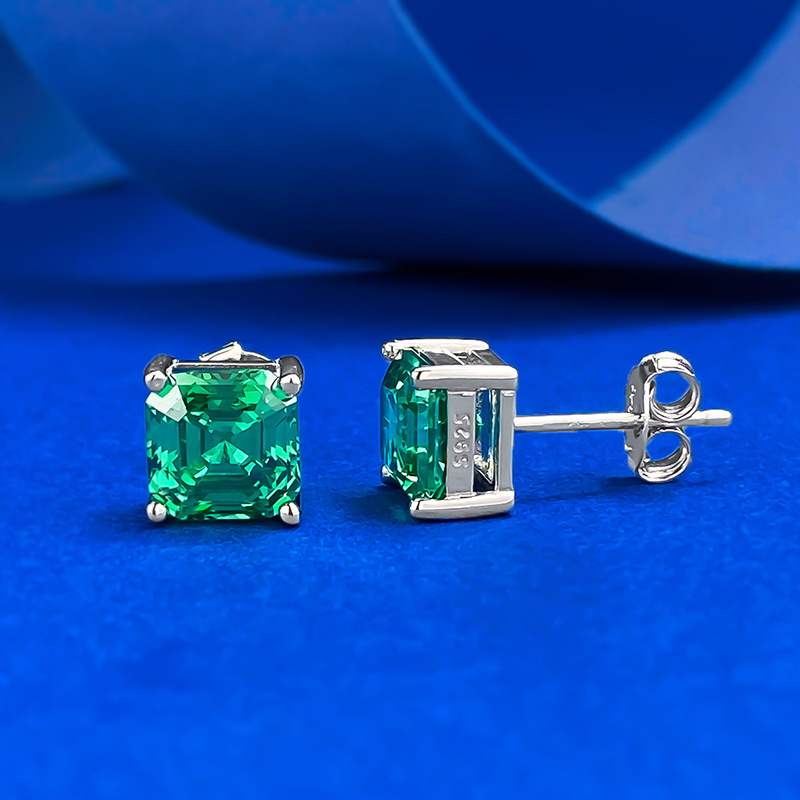
Emerald Clarity Guide Cost Breakdown: Price, Quality, and Value
Shopping for an emerald works differently from shopping for most gemstones. A strong emerald clarity guide cost breakdown helps explain why two stones that look similar can land in very different price ranges. Emeralds are judged by more than clarity, and that is where many buyers get confused.
Inclusions are common in natural emeralds. Gem labs such as GIA describe emeralds as stones where internal features are expected, not unusual. The real question is whether those features affect beauty, transparency, or wearability.
A smart purchase balances color, cut, size, origin, and treatment disclosure. Cleaner is not always better if the color looks flat. So where should you spend, and where can you save?
Why Emerald Clarity Changes the Price You Pay
Clarity affects how light moves through the stone. When an emerald has fewer visible inclusions, it usually looks brighter and more lively face-up. When it has lots of fractures or cloudiness, the gem can look sleepy or dark.
That visual shift matters to buyers and to pricing. Many customers expect an emerald to behave like a diamond, then get surprised by the reality: emeralds are valued with a more visual eye. A stone does not need to be flawless to be beautiful.
A useful emerald clarity guide cost breakdown starts with one simple idea: the cleaner the look, the higher the price tends to go. Still, the stone has to earn that premium with strong color. A pale but “clean” emerald usually will not beat a richer stone with a few natural marks.
Here is what clarity can change:
- transparency
- face-up brightness
- visible texture inside the stone
- long-term durability in worn jewelry
Clarity can also influence how the stone photographs. Social media and online listings often make inclusions look worse or better depending on lighting, so buyers should ask for daylight video whenever possible. A gemstone that looks acceptable in a still image may show haziness or surface-reaching fractures in motion.
How Emerald Clarity Is Judged
Emerald clarity grading is visual, not formula-based. Labs may note inclusions, fractures, or cloudiness, but the final buying decision often comes down to what the eye sees.
The three things to check
Inclusion visibility
Can you see the internal features without a loupe?Transparency
Does the stone let light through cleanly, or does it look hazy?Face-up beauty
Does the emerald look attractive once it is viewed from above?
A stone with many inclusions can still look stunning if the color is rich and the cut is honest. A technically cleaner emerald can still disappoint if the tone is dull.
Common clarity levels buyers run into
Natural emeralds usually fall into a few practical visual groups:
- Eye-clean or nearly eye-clean: Inclusions are hard to see without magnification.
- Moderately included: Marks are visible on close inspection, but the stone still looks appealing.
- Heavily included: Fractures, clouds, or dark crystals are easy to spot and can weaken the look.
The best value is often in the middle. Why pay more for perfection if the color is not there?
Fractures, jardin, and cloudiness
Gemologists often call emerald inclusions jardin, a French word for “garden.” That is a fitting name, because many emeralds look like they hold tiny natural landscapes inside.
Not all inclusions affect price the same way. Surface-reaching fractures can raise concern because they may affect durability, especially in rings. Cloudiness is another common value reducer because it blocks the bright green look buyers want.
One practical point many first-time buyers miss: some inclusions are visually interesting, while others are simply distracting. A silvery feather near the edge may be less noticeable than a milky veil across the center. When comparing stones in person or online, pay attention to where the inclusions sit, not just how many there are.
Emerald Clarity Guide Cost Breakdown by Quality Tier
This emerald clarity guide cost breakdown makes the price jump easier to understand. Exact numbers vary by seller, lab report, and origin, but the pattern stays fairly consistent.
| Clarity Tier | Visual Look | Buyer Type | Price Effect |
|---|---|---|---|
| Lower clarity | Obvious inclusions, haze, or visible fractures | Budget shoppers who care most about color and size | Lowest |
| Mid clarity | Noticeable inclusions, but good overall transparency | Buyers looking for the best balance | Moderate |
| Higher clarity | Near eye-clean, bright face-up look | Buyers wanting a premium look and stronger resale interest | Highest |
Lower-clarity emeralds
Lower-clarity stones are the most budget-friendly. They often show clear jardin, small fractures, or soft clouding. If the color is strong, they can still be beautiful in a pendant or fashion ring.
This tier makes sense when size matters more than fine detail. It is also a good option if the setting will protect the stone and the gem will not face daily bumps. The tradeoff is simple: less money usually means less transparency.
As a buying example, a lower-clarity 1-carat emerald may be priced attractively if it has respectable green color and no major chips, while the same budget in a different gemstone might buy a cleaner look but not the same emerald character. In real-world shopping, that often means a buyer can choose between a larger included emerald or a smaller, cleaner one.
Mid-clarity emeralds
Mid-clarity stones are where many buyers find the sweet spot. The inclusions are there, but they do not take over the look of the stone. The emerald still feels lively.
In many cases, this tier offers the strongest value. You get a noticeable step up in appearance without paying the premium for a nearly clean stone. If you are comparing two stones, this is often the tier where color should decide the winner.
For shoppers building a ring, mid-clarity stones also tend to be easier to pair with side stones, because the center gem has enough presence to hold its own without requiring top-tier pricing. If you plan to wear the piece regularly, this middle category is often the safest combination of beauty, budget, and practicality.
Higher-clarity emeralds
Higher-clarity emeralds are rarer, and rarity pushes price up fast. These stones usually show better transparency and fewer visible inclusions, so they appear cleaner face-up. That polished look can make them especially attractive for fine jewelry.
In the retail market, an eye-clean emerald can cost 20% to 50% more than a visibly included stone of similar size, and sometimes much more for top material. The spread gets wider as carat weight rises, because large clean emeralds are harder to find.
Premium clarity can be worth paying for when you want a showcase stone, especially in a simple solitaire setting or a custom engagement ring. Just remember that a premium clarity premium should also come with excellent color, not merely a cleaner crystal.
What really drives the price jump
Clarity helps, but it does not work alone. A 1-carat emerald with strong color and good transparency may sell for far more than a similar stone with weak color. A better cut can also make an included stone look cleaner than it really is.
According to GIA, emeralds are evaluated largely by appearance because inclusions are part of the material itself. That means the best emerald clarity guide cost breakdown also has to include color, cut, treatment, and origin.
Buyers should also understand that two stones with the same clarity tier can still be priced differently if one has a more desirable cut style. A well-proportioned emerald cut or octagonal cut can make color look richer and hide minor inclusions near the corners, while a shallow or uneven cut may expose more of the interior.
Other Factors That Can Raise or Lower Emerald Price
Clarity is only one part of the bill. If you compare stones side by side, you will see that other details can swing the price just as much.
Color
Color is usually the first thing people notice. A deep green emerald with strong saturation often costs more than a lighter stone, even if the lighter one has fewer inclusions. That is because buyers tend to pay for visual impact first.
When evaluating color, look for even saturation without brown or gray overtones. A stone that is too dark may hide inclusions well, but it can also lose brightness in indoor light. The best stones usually show rich green with a lively glow rather than a flat, heavy tone.
Carat weight
Bigger emeralds are rarer, so the price per carat usually rises with size. A 2-carat stone can cost far more than two 1-carat stones of the same quality. Once the stone gets larger, inclusions also become easier to spot.
For buyers on a budget, it can be smarter to choose a slightly smaller emerald with better transparency than to stretch for a larger stone that looks cloudy. If the setting adds presence, the eye often reads the piece as bigger than the center stone alone suggests.
Treatment disclosure
Most emeralds receive oil or resin treatment to reduce the look of fractures. That is common, but it should always be disclosed. Untreated stones or stones with more stable treatment can command a premium if the look is strong.
Ask whether the treatment is minor, moderate, or significant. That detail matters for both value and future maintenance. Heavily treated emeralds may need gentler care and more cautious cleaning, especially if a fracture-filled stone has been stabilized with material that could be affected by heat or harsh chemicals.
Origin
Origin can matter a lot. Colombian emeralds often carry a premium because of their market reputation, while Zambian stones are widely respected for vivid color and strong transparency. When two stones look similar, origin can tip the price one way or the other.
Brazilian emeralds can offer attractive pricing and a broad range of qualities, making them worth checking when you want value. Regardless of source, ask for the origin only if it is supported by a credible report. Origin claims without documentation should be treated carefully.
A quick way to think about value
- Low clarity + average color = entry-level pricing
- Mid clarity + strong color = often the best balance of price and beauty
- High clarity + excellent color + strong origin = premium pricing
That is the heart of an honest emerald clarity guide cost breakdown. The stone’s look matters more than a single feature on paper.
How to Shop for the Best Value
If you want value, do not chase perfection for its own sake. Buy the emerald that looks best in the setting you plan to wear.
Start with color, then check transparency
Color should come first. After that, look at how the stone handles light. If it looks rich and lively, small inclusions may be easy to live with.
Use this order when comparing stones
- Color
- Transparency
- Clarity visibility
- Cut quality
- Carat weight
- Origin and treatment disclosure
That order helps keep you from overpaying for a cleaner stone that does not look better overall.
Match clarity to jewelry type
Different pieces put different demands on an emerald:
- Rings: Choose better transparency and a protective setting.
- Pendants: Mid-clarity stones often give great value.
- Earrings: Slight inclusions can work well because they are seen from farther away.
If you are building a piece from scratch, try our ring builder to match the stone to your setting and budget. For side-by-side comparisons, browse our jewelry collection and look closely at the product details.
Compare the stone in the right lighting
Daylight is the most useful lighting for judging emerald color and transparency. Warm indoor lighting can make a stone look richer than it really is, while very bright office lighting can exaggerate inclusions. Ask for photos taken in neutral white light, plus a short video that rotates the gem. Movement can reveal dead areas, dark windows, or surface-reaching fractures that static photos hide.
Buying Considerations for Settings, Care, and Certification
Emeralds need thoughtful handling. Many natural stones have fractures or internal features, so the right setting matters more than it does with some other gems.
Settings that protect the stone
Bezel and halo settings can help shield edges and reduce direct impact. Prongs can also work well if they are secure and designed to protect the stone’s weaker points.
If the emerald has visible fractures, avoid settings that leave it exposed. A protective design can improve both durability and peace of mind.
For daily wear, many jewelers recommend a slightly thicker gallery or low-profile head so the stone sits closer to the finger and is less likely to catch on clothing. A high cathedral setting may look elegant, but it can also expose the stone to more bumps and snags.
Metal choices and what they change
The metal you choose affects both appearance and upkeep. Yellow gold brings warmth and can make green look richer. White gold or platinum creates a cleaner, cooler frame that can emphasize brightness. Rose gold offers a softer, modern contrast, though it can make some emeralds look deeper and more muted.
Platinum is often favored for important rings because it is durable and naturally white, but it can be heavier and more expensive. 14k gold is a practical option for everyday wear because it balances strength and price. If you are working with a larger emerald, choosing a sturdy metal can matter as much as the stone itself.
Shape affects how clear it looks
Emerald cuts and step cuts often show inclusions more easily because the open facets act like windows. That does not make them bad cuts. It just means the crystal structure is more visible.
A well-cut stone can still look cleaner than its report suggests. Face-up beauty always matters more than a simple label.
Round and mixed cuts can sometimes hide inclusions better, but they are less traditional for emeralds and may be harder to source in fine material. If you want the classic emerald look, accept that the cut style will likely reveal more interior features.
Care matters more than most people think
Use mild soap, lukewarm water, and a soft cloth. Skip ultrasonic cleaners unless a qualified jeweler confirms the stone can handle them. Emeralds are more fracture-prone than many people expect.
Store emerald jewelry apart from harder stones like diamonds and sapphires. A little extra care goes a long way.
It is also smart to remove emerald rings before gym sessions, gardening, cooking, or household cleaning. Harsh detergents, knocks against sinks, and repeated impact can all shorten the life of a treated stone or loosen a setting over time.
Certification builds trust
Look for a report from a reputable lab or seller. GIA and IGI reports can help confirm the stone’s identity, treatment details, and visible characteristics. Certification will not choose the stone for you, but it does make comparison easier.
If a report lists treatment, origin, and carat weight, you can compare stones more fairly. If you are buying an important piece, ask whether the seller offers an independent appraisal or a full return period so you can inspect the item once it arrives.
If you are weighing different styles, explore our engagement rings to see how emerald quality changes the final look in a fine setting. For more options, shop our jewelry selection and compare details before you decide.
Price Ranges Buyers Commonly See
While exact retail pricing depends on market conditions, a few broad ranges can help you shop with realistic expectations. Smaller included emeralds may sit in a lower entry range, especially if the color is acceptable and the stone is treated in a standard way. Mid-clarity stones with stronger color typically move into a more noticeable premium bracket. Clean, vivid stones with desirable origin can climb quickly.
For example, a modest 0.50-carat emerald with visible inclusions might be relatively accessible, while a similarly sized high-clarity stone can cost substantially more if it has lively color and a reputable report. Once you move to 1 to 2 carats, the price spread between included and cleaner stones becomes more dramatic. Large stones with strong color, good transparency, and proper disclosure are where the budget can rise fastest.
Shoppers should also remember that settings add cost. A simple 14k gold solitaire will usually cost less than a platinum halo or custom mounting. If you are comparing total price, look at the full finished piece, not only the loose stone.
Common Mistakes to Avoid
Many buyers make the same avoidable mistakes when they focus only on one part of the gem. Watching for these problems can save money and disappointment.
- Choosing clarity over color: A cleaner emerald with weak color often looks less satisfying than a slightly included stone with rich green.
- Ignoring treatment: A stone can look beautiful and still be heavily oiled or resin-filled, which affects care and long-term value.
- Buying without photos or video: Emeralds can hide cloudiness in still images, so ask to see the stone from multiple angles.
- Using the wrong setting: A delicate open setting can expose a fracture-prone stone to unnecessary risk.
- Skipping measurement details: Width, length, depth, and spread all affect how large the emerald looks once mounted.
- Assuming all labs mean the same thing: Always read the full report rather than relying on a single grade or headline.
Another mistake is comparing emeralds only by carat weight. Two stones can both weigh 1 carat but have very different face-up sizes if one is cut deeper. Always consider dimensions and shape, especially for step-cut stones that can face up smaller than expected.
Shipping, Returns, and Online Buying Tips
Buying an emerald online can work well if the seller offers strong documentation and a clear customer policy. Because emeralds vary so much visually, you want enough time to inspect the stone once it arrives.
What to check before checkout
- Insured shipping
- Signature confirmation
- Clear return window
- Independent lab report or in-house grading details
- High-resolution photos and video
Many buyers prefer at least a 7- to 14-day return window for a loose stone or finished ring. If a seller charges restocking fees, read the terms carefully. A seemingly good price can lose value quickly if the return policy is strict.
International buyers should also ask about customs duties, import taxes, and shipping delays. Those extra costs can change the final total enough to affect the decision between two similar stones. If a seller does not insure the package for its full replacement value, that is a red flag.
How to inspect the piece after delivery
Check the stone under natural daylight, then again indoors under bright white light. Look for chips at the edges, prong issues, uneven coloration, and any cloudiness that was not obvious in the listing. If the item includes a report number, confirm that it matches the stone. For mounted pieces, inspect the setting to make sure the center stone sits straight and secure.
What We Look for in a Strong Emerald Value Pick
We have found that the best value emeralds usually share three traits: strong color, honest transparency, and inclusions that do not distract. That does not mean the stone has to be clean. It just has to look alive.
The same emerald clarity guide cost breakdown applies whether you are shopping for a ring or a pendant. The best stone is the one that fits your eye, your budget, and the way you plan to wear it.
A few quick questions help narrow the field:
- Does the stone look bright from the top?
- Are the inclusions easy to see without magnification?
- Is the price fair for the color, size, and origin?
- Does the setting protect the stone well?
If the answer is yes to most of those, you are probably looking at a solid buy. If you are still unsure, contact our jewelry experts Before You Buy.
One final point: if you are comparing emeralds in a collection, try to compare pieces of the same type of jewelry. A loose stone and a finished ring are not priced the same way, because mounting cost, labor, and return handling all affect the final number. Understanding the whole package is the best way to judge value accurately.
FAQ
What is the best emerald clarity for value if I’m buying a ring?
The best value for a ring is usually a stone that looks lively face-up, even if it has natural inclusions. Emeralds rarely need diamond-like clarity to be beautiful. A mid-clarity stone with strong color and good transparency often gives the best balance of price and appearance. For rings, the setting matters too, so a protective design can make a slightly included stone a smarter buy.
How much does emerald clarity affect the price of a stone?
Clarity can change price a lot, especially if the inclusions affect transparency or are easy to see without magnification. In the retail market, a cleaner emerald may cost 20% to 50% more than a similar included stone, and premium stones can rise even higher. Still, color and origin can matter just as much. That is why the full emerald clarity guide cost breakdown should always include more than one factor.
Are inclusions normal in natural emeralds?
Yes, inclusions are normal in natural emeralds and are often part of what makes the stone feel real and unique. GIA treats these internal features as expected in emeralds, not as a defect by default. The real test is whether the inclusions hurt the look or durability of the gem. If they stay mostly hidden and the color is strong, many buyers see them as acceptable.
Should I buy an emerald with visible jardin?
You can absolutely buy an emerald with visible jardin if the stone still looks attractive and the price reflects its clarity level. Many shoppers prefer a stone with some character over a cleaner gem that looks dull. The key is to check transparency, color, and how the stone will be worn. A pendant can handle more inclusions than a ring, so the setting should guide your choice.
How do I know if an emerald is priced fairly?
Compare the stone against others with similar color, size, origin, treatment, and clarity. A fair price should match the gem’s face-up look, not just the lab description. Ask for photos or video in neutral light if you can, because lighting can hide cloudiness or exaggerate color. If you are unsure, compare at least three stones before you decide.
Ready to Find Your Perfect Diamond?
Explore our collection of certified lab-grown diamonds
Shop Diamonds