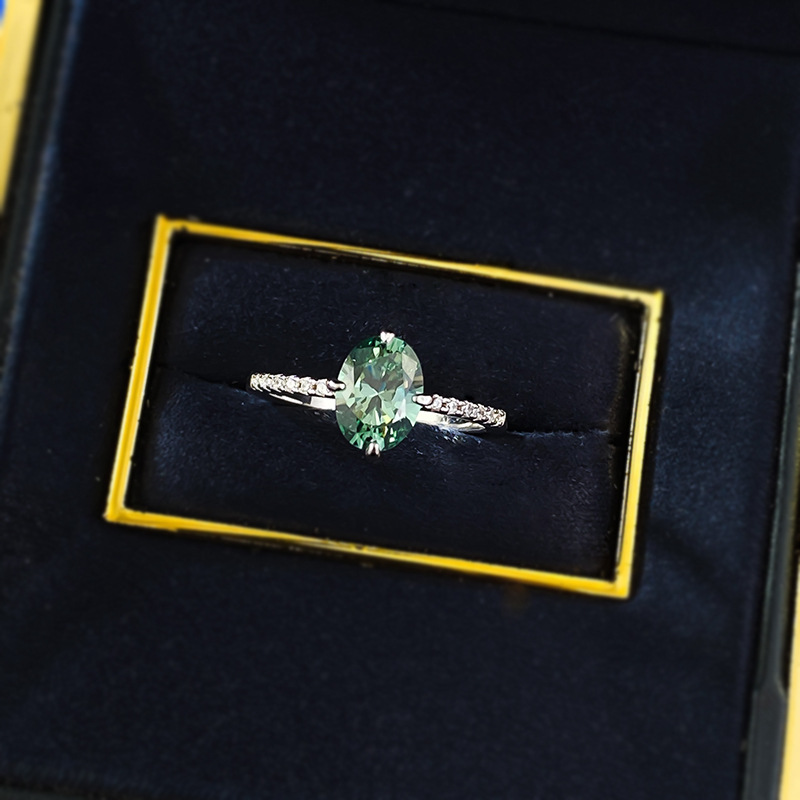
Eco-Friendly Ring Settings for Brides: Sustainable Styles to Compare
Choosing a center stone gets a lot of attention, but the setting shapes the ring’s footprint too. Eco-friendly ring settings for brides affect how much metal is used, how well the stone is protected, and how long the ring can hold up with daily wear. If you want beauty, ethics, and long-term value in one piece, the setting deserves just as much thought as the diamond.
Most eco-friendly ring settings for brides focus on recycled precious metals, responsible production, low waste, and strong construction. A well-made setting can reduce future repairs, help protect the stone, and support a lower-impact bridal purchase. Brides often compare solitaire, bezel, pavé, channel, halo, three-stone, tension, and cathedral designs because each one balances style and sustainability in a different way.
Why Eco-Friendly Ring Settings Matter
Jewelry has a footprint long before it reaches the jewelry box. Mining, refining, casting, polishing, and shipping all use energy and materials. Even if you choose an ethically sourced or lab-grown center stone, the setting still affects the ring’s overall impact.
Longevity is a big part of the picture. A ring that stays beautiful for decades is usually more sustainable than one that needs frequent repairs or replacement. Thin shanks, delicate prongs, and overly busy designs can look lovely at first, but they may need more upkeep over time.
The Gemological Institute of America, or GIA, notes that setting design affects durability, stone security, and long-term wear. That matters here. A secure setting lowers the chance of losing a center stone or accent stone, which can help extend the life of the ring and reduce replacement work.
Brides also want a Ring That Fits real life. It may be worn through office hours, workouts, travel, and daily chores. Eco-friendly ring settings for brides make sense when they combine responsible materials with a design that can handle normal wear.
Here’s why sustainable settings appeal to so many brides:
- They can use recycled gold, platinum, or silver.
- They often use less metal than heavy decorative designs.
- They can protect stones better, which cuts down on losses.
- They may be easier to resize or repair later.
- They pair well with lab-grown diamonds and other ethical stones.
Ask yourself one simple question: will this ring still feel right in 10 or 20 years? If the answer is yes, you’re probably on the right track.
What Makes a Ring Setting Truly Sustainable?
Not every ring sold as “green” is equally responsible. Some claims are vague, while others come with real details about metal, making, and care. Eco-friendly ring settings for brides usually share a few clear traits that help lower impact without sacrificing quality.
Recycled or responsibly sourced metals
Recycled Gold, Platinum, and Silver can reduce demand for newly mined metal. That doesn’t erase the footprint, but it does lower the need for virgin extraction. Traceability matters too. Ask whether the setting uses recycled metal and whether the seller can prove that claim.
Efficient design and less waste
A smart setting uses only the metal it needs for strength and support. Heavy doesn’t always mean better. Some of the most eco-friendly ring settings for brides are simple, well-built designs that use less material while still protecting the stone.
Strong stone security
A secure setting is more sustainable because it reduces the chance of damage or loss. That applies to both the center stone and smaller accent stones. If a ring can hold up to daily wear, it’s less likely to need replacement parts.
Durable construction
Durability matters because longevity matters. Platinum is dense and hard-wearing. 14k gold, which contains 58.3% pure gold, often gives brides a good mix of strength and value. By contrast, 18k gold contains 75% pure gold and offers a richer color, though some people prefer 14k for active daily wear.
Transparent making process
A real sustainable ring comes with details. Who made it? Where was it made? Was it cast, hand-fabricated, or assembled with low-waste methods? If a seller can answer those questions clearly, that’s a good sign.
Brides usually narrow choices faster when they ask three things:
- What materials were used?
- How long will the setting hold up?
- Can it be repaired or resized later?
If the answers are fuzzy, the sustainability claim may be too.
Best Eco-Friendly Ring Settings for Brides
The best eco-friendly ring settings for brides balance style, material use, and long-term wear. Some styles use less metal. Others protect stones better. A few look delicate but need more care, which may still work if they’re made well and fit your lifestyle.
| Setting Style | Material Efficiency | Stone Security | Maintenance Level | Sustainability Notes |
|---|---|---|---|---|
| Solitaire setting | High | High to moderate | Low | Simple design, fewer parts, easy to repair |
| Bezel setting | High | Very high | Low | Strong stone protection, great for active wear |
| Channel setting | Moderate to high | High | Moderate | Protects side stones, less snagging |
| Pavé setting | Moderate | Moderate | Moderate to high | Lots of sparkle, but more upkeep |
| Three-stone setting | Moderate | High | Moderate | Symbolic and balanced, uses more stones |
| Halo setting | Moderate to low | Moderate | Moderate to high | Big sparkle, more components to source |
| Cathedral setting | Moderate | High | Moderate | Elegant height, metal use depends on the build |
| Tension setting | High | High when well made | Moderate | Clean look, but harder to resize |
Solitaire Setting: Simple and Timeless
The solitaire setting is a classic for a reason. It puts the focus on one stone and usually uses less metal than more elaborate styles. That makes it a strong option for brides who want eco-friendly ring settings for brides with a lighter material footprint.
This style also tends to age well. A clean solitaire rarely feels dated, which helps reduce style regret. It’s often easy for a jeweler to service too, since the stone and prongs are easy to reach.
Bezel Setting: Secure and Practical
A bezel setting wraps metal around part or all of the stone’s edge. That gives it excellent protection and makes it one of the best choices for active wear. If you use your hands a lot, this style can be a smart pick.
It also has a sleek look that can feel modern or vintage, depending on the design. Fewer stone losses mean fewer repairs, and fewer repairs usually mean less waste over time.
Channel and Pavé Settings: Sparkle With Different Tradeoffs
A channel setting holds small stones between two metal walls. That protects the stones and helps prevent snagging. Brides who want added sparkle without a fragile feel often like this middle-ground option.
A pavé setting gives you lots of shine because tiny stones sit close together along the band or halo. It looks beautiful, but it can need more maintenance over time. Small prongs can wear down, and tiny stones may loosen if the ring gets heavy daily use.
For eco-friendly ring settings for brides, the choice comes down to this: channel settings usually lean toward protection, while pavé settings lean toward brilliance.
Three-Stone, Halo, Cathedral, and Tension Settings
A three-stone setting adds meaning and balance. It can symbolize the past, present, and future, which many brides love. It uses more stones than a solitaire, so the material use goes up a bit, but it can still be a thoughtful choice when paired with recycled metal.
A halo setting surrounds the center stone with smaller stones. It creates a larger, brighter look without necessarily using a bigger center diamond. The tradeoff is simple: more stones and more upkeep.
A cathedral setting lifts the center stone with arches of metal from the band. It creates height and elegance, and the amount of metal depends on the design. Clean craftsmanship matters most here, because extra bulk doesn’t automatically mean better structure.
A tension setting holds the stone in place through pressure from the band. It creates a modern look and can use less visible metal. Still, it needs precise engineering and may be harder to resize later.
Quick take:
- Best for minimal metal use: solitaire, bezel, tension
- Best for added protection: bezel, channel
- Best for maximum sparkle: pavé, halo
- Best for symbolism: three-stone
- Best for height and presence: cathedral
How to Choose the Right Setting for Your Lifestyle
The best ring is the one you’ll actually enjoy wearing every day. A ring can check every sustainability box on paper, yet still frustrate you if it doesn’t fit your habits. Eco-friendly ring settings for brides work best when they match both values and routine.
Start with how you live.
If you work with your hands, travel often, or stay active, a bezel setting or a sturdy solitaire may suit you better than a high halo. If you want sparkle but still care about durability, a channel setting or a carefully made pavé band can be a fair compromise. If you want the ring and wedding band to sit flush, low-profile styles usually stack better.
Think through these points:
- Daily wear: Will you wear it most of the day?
- Stone security: Do you want exposed prongs or a protective rim?
- Maintenance: Are you okay with regular checkups?
- Band pairing: Do you want a flush fit with your wedding band?
- Budget: Do you want to spend more on metal quality or extra detail?
Budget matters more than many shoppers expect. A simpler setting can leave room for a better-cut center stone or stronger metal. That’s worth considering, because cut quality often affects beauty more than extra decoration.
Repairability matters too. A ring that can be cleaned, resized, and restored later gives you more long-term value. A piece that lasts 20 years with basic care is usually a better choice than one that needs major rebuilding in five.
If you want to compare styles side by side, browse our jewelry collection or explore our engagement rings for more ideas.
Questions to Ask Before You Buy
A good purchase starts with better questions. Sellers should be able to explain how the ring was made and why it’s more responsible than a standard option. If they can’t, keep asking.
Use this checklist while you shop:
- What metal was used, and is it recycled or responsibly sourced?
- Was the setting cast, hand-fabricated, or assembled from sourced parts?
- How much of the metal is structural versus decorative?
- How secure are the prongs, bezel walls, or stone channels?
- Can the ring be resized safely later?
- Can accent stones be replaced without rebuilding the whole setting?
- Does the design work well with lab-grown diamonds?
- What maintenance is recommended, and how often?
GIA and other gemology experts focus on stone security, setting integrity, and fit because those details affect long-term wear. That’s useful for eco-friendly ring settings for brides, because the ring’s life matters as much as its look.
If you’re shopping online, ask for close-up photos of the head, basket, gallery, and underside. Those images can show whether a design is sturdy or overly delicate. A reputable seller should also share band width, height, and metal karat.
For example, a 1.8 mm to 2.2 mm band is often sturdier for daily wear than an ultra-thin band. The best choice still depends on the style and the wearer.
Need help with fit? Learn about ring sizing before you decide. A ring that fits well gets worn more often, and that makes it a better use of materials.
Common Mistakes to Avoid
Even careful shoppers can miss a few key details. Avoiding these mistakes can save money and help the ring last longer.
Focusing only on the center stone
A lab-grown diamond or ethically sourced natural diamond can be a responsible choice. Still, the setting matters. If the ring uses newly mined metal or weak construction, the footprint may be larger than it first appears.
Picking delicate designs without thinking about upkeep
Some brides fall in love with thin shanks, intricate pavé, or high cathedral profiles without thinking about daily wear. Those styles can be beautiful, but they may need more repairs. More repairs usually mean more labor and more replacement parts.
Trusting vague eco claims
“Sustainable” can mean a lot of things. Ask for specifics on recycled metals, sourcing, and repair policies. Clear answers usually signal a more trustworthy seller.
Ignoring comfort and band fit
If a ring spins, rubs, or doesn’t sit well with a wedding band, it may stay in the box more often than it should. A ring that doesn’t get worn isn’t doing its job. Eco-friendly ring settings for brides should feel good enough to wear every day.
FAQs About Eco-Friendly Ring Settings for Brides
What is the most eco-friendly ring setting for brides if I want a low-waste design?
A solitaire or bezel setting is often a strong choice because both can use less metal and keep the design simple. That simplicity can also make repairs easier, which helps the ring last longer. If you want eco-friendly ring settings for brides with low waste in mind, these two are a good place to start.
Are pavé settings less sustainable than solitaire settings for engagement rings?
Not always, but pavé settings usually use more small stones and more labor, so they can create more upkeep over time. A solitaire often needs less maintenance and fewer parts, which appeals to brides who want a simpler ring. The most sustainable pick still depends on the metal source and how well the ring is made.
Is a bezel setting a good choice for an ethical engagement ring with daily wear?
Yes, a bezel setting is often a smart choice for daily wear because it holds the stone securely and protects the edges. That can lower the chance of chips, loosening, or stone loss. For brides who want eco-friendly ring settings for brides that are practical too, a bezel is hard to beat.
What ring setting works best with lab-grown diamonds for brides who want sustainability?
Many settings work well with lab-grown diamonds, including solitaire, bezel, halo, and three-stone styles. The right one depends on the look you want and how much care you’re willing to give it. If you want a ring that feels easy to live with, focus on secure construction and repairability.
How can I tell if a ring setting is truly eco-friendly before I buy?
Ask about recycled metals, sourcing, making methods, and repair options. A truly responsible setting should come with clear details, not just broad green language. If a seller can explain the materials and construction plainly, that’s a strong sign.
Choosing a Ring Setting That Fits Your Values
The best eco-friendly ring settings for brides do more than look beautiful in photos. They balance responsible materials, durable construction, and a style you’ll still love years from now. That’s where sustainability becomes personal: not a trend, but a smart way to choose jewelry that fits your life.
Focus on the details that matter most. Recycled metal. Secure construction. Repairable design. Comfortable fit. A style that still feels right five, ten, or twenty years later. Those choices make a real difference.
If you’re ready to compare options, shop our lab-grown diamonds, try our ring builder, or contact our jewelry experts for help choosing a sustainable setting. Eco-friendly ring settings for brides can be elegant, durable, and meaningful when you choose with care.
Ready to Find Your Perfect Diamond?
Explore our collection of certified lab-grown diamonds
Shop Diamonds