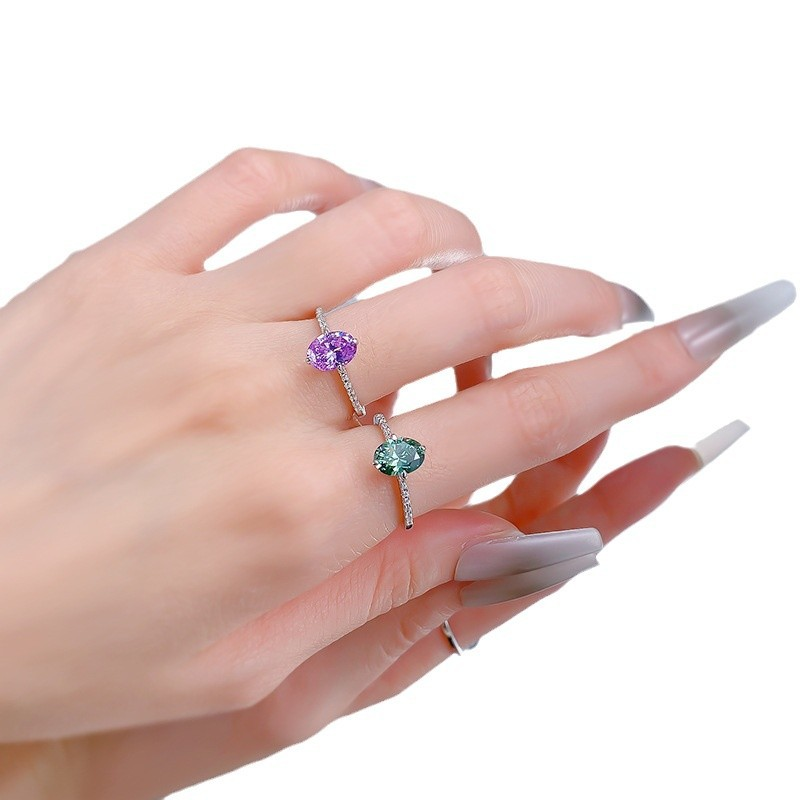
Eco-Friendly Ring Setting Options for a Sustainable Ring
Eco-Friendly Ring Setting Options help you choose a ring that uses resources wisely, protects the stone, and stays wearable for years. The setting is more than a style choice. It affects metal use, repair needs, stone security, comfort, and long-term value.
If you’re shopping for an engagement ring, anniversary ring, or custom design, the center stone is only part of the decision. A lab-grown diamond in a weak setting can still lead to avoidable repairs. A recycled gold ring with smart structure can last for decades with routine care.
What makes one setting more sustainable than another? Look for responsible materials, solid construction, easy servicing, and a design you won’t want to replace when trends change.
What Makes Ring Settings More Sustainable?
Eco-friendly ring setting options usually combine recycled precious metals, thoughtful design, and repair-friendly construction. That may mean recycled 14K gold, recycled platinum, responsibly sourced accent stones, or a setting that can be resized without rebuilding the whole ring.
The most sustainable ring is often the one that stays in use. A thin band may use less metal at first, but it can bend or wear down faster. A slightly sturdier design may use more metal upfront and still prevent stone loss, reshanking, and repeated repairs.
Most buyers compare three things:
- Material source: Recycled gold, recycled platinum, and traceable supply chains reduce demand for newly mined material.
- Manufacturing choices: Careful casting, scrap recovery, and precise finishing reduce waste at the bench.
- Longevity: A ring that can be worn, repaired, resized, and passed down has a stronger sustainability story.
Many customers start by asking about lab-grown diamonds. Once they compare settings, they realize the mounting deserves the same attention. The ring has to protect the stone every day, not just look beautiful in photos.
GIA, the Gemological Institute of America, teaches the 4Cs of diamond quality: cut, color, clarity, and carat weight. Those grades help you compare stones, while the setting determines how that stone lives on the hand. A well-built setting supports both beauty and durability.
Why Eco-Friendly Ring Setting Options Matter
Traditional jewelry production can use significant resources. Mining new gold and platinum involves land disturbance, water use, refining, and transport. Workshop production can also create sprues, filings, polishing dust, and leftover metal from design changes.
Precious metals have one major advantage: they can be recycled again and again. Gold and platinum can be refined without losing their core quality. A recycled 14K or 18K gold setting can look and wear like newly mined gold while reducing demand for fresh extraction.
The numbers help. A 14K gold ring contains 58.3% pure gold, while 18K gold contains 75% pure gold. Platinum used in fine jewelry is often 90% to 95% pure. Those metal choices affect color, strength, weight, cost, and maintenance.
Lab-grown diamonds also pair well with eco-friendly ring setting options. They have the same chemical composition as mined diamonds: carbon arranged in a crystal structure. GIA and IGI both grade lab-grown diamonds using familiar quality factors, including cut, color, clarity, and carat weight.
A 1.00 carat round diamond often measures about 6.4 mm to 6.5 mm across, depending on cut proportions. That exact measurement matters. A setting should be built for the stone’s real dimensions, not just the carat weight printed on a report.
If you want to compare stones first, you can browse lab-grown diamonds and then pair your choice with recycled metal or a secure low-profile setting.
Best Eco-Friendly Ring Setting Options by Style
No single setting wins for every person. The right choice depends on stone shape, lifestyle, budget, hand feel, and how much maintenance you’re comfortable with. These eco-friendly ring setting options give you a practical starting point.
Prong Settings
A prong setting uses small metal claws to hold the diamond. It’s a classic choice because it lets light reach the stone from many angles. Four-prong settings look open and simple, while six-prong settings add security for many round diamonds.
Prongs can be efficient because they use less metal than a full bezel. Less metal does not always mean lower impact. If the prongs are too thin, they can bend, wear down, or catch on fabric.
Choose prongs if you want strong sparkle and a traditional look. Ask about prong thickness, V-prongs for pointed stones, and professional checks every 6 to 12 months. Pear, marquise, and princess cuts need extra care around tips and corners.
Bezel Settings
A bezel setting wraps the diamond with a rim of metal. It can circle the whole stone or cover only part of the edge. Among eco-friendly ring setting options, bezels are a favorite for active wear because they protect the stone and reduce snagging.
A bezel usually uses more metal than prongs, but it may prevent chips, loosening, and stone loss. That trade can make sense for someone who wears a ring daily. Strong protection often means fewer repairs over time.
Bezels work well with round, oval, emerald, Asscher, and cushion-cut diamonds. They can look clean, modern, vintage, or soft depending on the profile. A skilled jeweler can keep the bezel slim so it doesn’t overwhelm the stone.
Semi-Bezel Settings
A semi-bezel holds the stone with metal on two sides while leaving other edges open. It feels lighter than a full bezel but gives more protection than many prong settings. It’s a smart middle ground for shoppers comparing eco-friendly ring setting options.
This style works beautifully with oval, emerald, radiant, and round stones. It often sits lower on the finger, which can reduce knocks during everyday wear. Occasional inspections still matter because part of the girdle remains exposed.
Flush and Gypsy Settings
A flush setting places the stone into the metal so the top sits close to the surface. A gypsy setting has a similar smooth look, with metal holding the stone securely in place. These settings work especially well for bands, accent stones, and low-maintenance rings.
Flush settings are practical for people who wear gloves, work with their hands, or prefer a smooth ring surface. The design can reduce snagging and protect small diamonds from impact. It’s usually not the best choice for a large center stone, but it’s excellent for subtle sparkle.
The jeweler’s precision matters. If the seat is too shallow, the stone may loosen. If it’s too deep, the diamond can look dull.
Channel Settings
A channel setting holds small diamonds between two walls of metal. You’ll often see it on wedding bands or along the shoulders of an engagement ring. The smooth edges make it less likely to snag than delicate pavé.
Channel settings can be sustainable when they’re well built and easy to service. They protect accent stones better than some tiny bead settings. Resizing can be harder, especially if the stones run far around the band.
For a lower-impact version, ask for recycled gold or platinum and lab-grown accent diamonds. If future sizing changes are likely, consider stones across the top half rather than the full band.
Pavé and Micro-Pavé Settings
Pavé settings use many small diamonds held by tiny beads of metal. Micro-pavé uses even smaller stones and finer metalwork. The sparkle can be gorgeous, but these styles need careful review if sustainability is a priority.
Tiny prongs can wear down faster than heavier metalwork. Lost melee stones create repair costs and replacement needs. A well-made pavé ring can last, while a fragile version can become a maintenance problem.
If you love pavé, choose sensible coverage. Avoid stones too far down the shank if resizing may happen later. Ask how the accent diamonds are sourced and how repairs are handled.
Tension and Tension-Style Settings
A true tension setting holds the diamond with pressure from the metal band. A tension-style setting gives a similar floating look but often includes hidden support. These designs need expert engineering.
They may look minimal, but they are not always easy to service. Resizing can be difficult. Some repairs may require major work or even remaking the ring.
If you want this look, ask whether the jeweler has experience with tension designs. Also confirm which stone shapes are safe and how the ring can be adjusted later.
Vintage, Reset, and Heirloom Settings
Reusing an existing ring can be one of the strongest sustainable choices. Vintage and heirloom settings keep materials in circulation and preserve personal history. They also give a ring character that new designs don’t always have.
Before using an older setting, have it inspected. A jeweler should check prongs, shank thickness, stone seats, previous repairs, and metal fatigue. Platinum can be durable, but old prongs may still need restoration.
You can reset an existing diamond into recycled metal, place a lab-grown diamond into a restored family ring, or redesign old jewelry into a new mounting. For many clients, this option feels both personal and practical.
Eco-Friendly Setting Comparison
| Setting Type | Sustainability Strength | Durability | Best For | Watch For |
|---|---|---|---|---|
| Prong | Uses less metal | Medium to high | Classic sparkle and solitaires | Prong wear and snagging |
| Bezel | Strong stone protection | High | Active lifestyles and low profiles | More metal coverage |
| Semi-bezel | Balanced protection and openness | High | Modern rings and elongated stones | Partly exposed edges |
| Flush | Smooth, low-snag design | High | Bands and accent stones | Limited center-stone use |
| Channel | Protects small diamonds | Medium to high | Wedding bands and side stones | More complex resizing |
| Pavé | Sparkle with small stones | Medium | Decorative detail | Stone loss and maintenance |
| Vintage/reset | Reuses existing materials | Varies | Heirloom and antique styles | Metal fatigue and fit |
This table shows why eco-friendly ring setting options are not only about recycled metal. Source, structure, serviceability, and style all matter.
How to Choose Eco-Friendly Ring Setting Options
Start with the wearer’s daily life. Does the ring need to handle workouts, gloves, gardening, tools, or a hands-on job? If yes, a low-profile bezel, semi-bezel, flush design, or sturdy prong setting may be better than a high basket with delicate details.
Next, match the setting to the stone shape. Round diamonds work with most settings. Oval stones often benefit from six prongs, bezels, or semi-bezels. Pear and marquise cuts need protected points, while princess, emerald, and Asscher cuts need corner security.
Band width also matters. Many daily-wear engagement rings perform well around 1.8 mm to 2.2 mm wide. Rings below 1.6 mm can look delicate, but they may bend faster unless the design has careful support.
Repairability should be part of the conversation Before You Buy. Ask whether the ring can be resized, retipped, reshanked, or reset without major reconstruction. Full eternity bands, tension rings, and heavy channel designs can limit future adjustments.
If you want to test combinations, design a ring with our ring builder before finalizing the style. You can also compare finished engagement rings to see how setting height, band width, and stone shape change the look.
Questions to Ask Before You Buy
Strong eco-friendly ring setting options come with clear answers, not vague claims. Ask your jeweler for specifics. A good professional should be comfortable explaining both sourcing and construction.
Helpful questions include:
- Is the gold or platinum recycled, and can the supplier document it?
- What percentage of the metal is recycled?
- Are accent diamonds lab-grown, recycled, or responsibly sourced?
- Can this ring be resized without rebuilding the setting?
- How often should the prongs, bezel, or channels be inspected?
- What repairs are most common for this style?
- Does your workshop recover filings, polishings, and casting scraps?
Responsible Jewellery Council standards can support supply-chain claims, but certifications don’t replace direct questions. You still deserve plain answers about the ring you’re buying.
For more design ideas beyond engagement styles, browse fine jewelry options and compare how different settings hold stones in earrings, bands, and everyday pieces.
Common Mistakes With Sustainable Ring Settings
The first mistake is trusting the word “sustainable” without details. Eco-friendly ring setting options should explain the metal source, stone sourcing, durability, and repair plan. If a product page doesn’t answer those points, ask before ordering.
Another mistake is choosing an ultra-thin band only because it uses less metal. Less metal can mean less strength. A ring that bends, cracks, or loses stones may create more waste than a sturdier design.
Shoppers also overlook stone security. A high setting that catches on sweaters or a pavé band with fragile beadwork can lead to repeated repairs. A beautiful ring should still make sense for real life.
Avoid these pitfalls:
- Vague green claims: Ask for sourcing and recycled metal details.
- Bands that are too thin: Save weight without sacrificing structure.
- Hard-to-size designs: Think twice about full eternity and tension styles.
- Unprotected corners: Protect princess, pear, marquise, emerald, and Asscher cuts.
- Ignoring care habits: Choose a setting that matches how the wearer lives.
Care Tips That Extend Ring Life
A sustainable ring needs upkeep. Prongs should be checked regularly, especially on rings worn every day. Many jewelers recommend professional inspections every 6 to 12 months.
At home, mild dish soap, warm water, and a soft brush usually handle routine cleaning. Skip bleach, harsh chemicals, and abrasive cleaners. White gold, delicate pavé, and plated finishes can suffer from aggressive cleaning.
Take your ring off for heavy lifting, gardening, swimming, and chemical-heavy chores. It’s a small habit, but it can prevent bent prongs, scratched metal, and loose stones. Long life is one of the clearest sustainability wins.
FAQ: Eco-Friendly Ring Setting Options
What are the most eco-friendly ring setting options for engagement rings?
The most eco-friendly ring setting options use recycled precious metals, secure stone seats, and designs that can be repaired over time. Bezel, semi-bezel, flush, and well-built prong settings can all work well. The best choice depends on the stone shape and the wearer’s daily habits.
Are recycled metal ring settings really more sustainable?
Yes, recycled gold and platinum settings can reduce demand for newly mined metals. Precious metals can be refined and reused while keeping their quality. You’ll get the strongest sustainability claim when the jeweler can explain recycled content, supplier practices, and scrap recovery.
Which setting works best with a lab-grown diamond?
A recycled-metal setting with a durable design pairs well with a lab-grown diamond. Prongs give a bright, open look, while bezels and semi-bezels add protection for daily wear. Match the setting to the diamond’s actual measurements and shape.
How do I know if a jeweler’s eco-friendly claims are trustworthy?
Ask for specifics about recycled metal, accent stones, manufacturing, and repair options. Trustworthy jewelers can explain what makes a setting lower impact without hiding behind broad claims. If the answer feels thin, compare another jeweler before buying.
Is a bezel more sustainable than a prong setting?
A bezel can be more sustainable for active wearers because it protects the stone and may reduce repairs. A prong setting uses less metal and shows more of the diamond, but it needs regular inspection. The better choice depends on lifestyle, stone shape, metal source, and long-term serviceability.
Choosing a Ring That Matches Your Values
Eco-friendly ring setting options work best when beauty and practicality meet. Recycled metal matters. So do stone protection, band strength, repairability, and a style the wearer will still love years from now.
Before you choose, compare the metal source, setting height, band width, stone security, and resizing options. Ask direct questions and expect clear answers. If you’d like help narrowing the choices, contact our jewelry experts for guidance on eco-friendly ring setting options that fit your values, budget, and personal style.
Ready to Find Your Perfect Diamond?
Explore our collection of certified lab-grown diamonds
Shop Diamonds