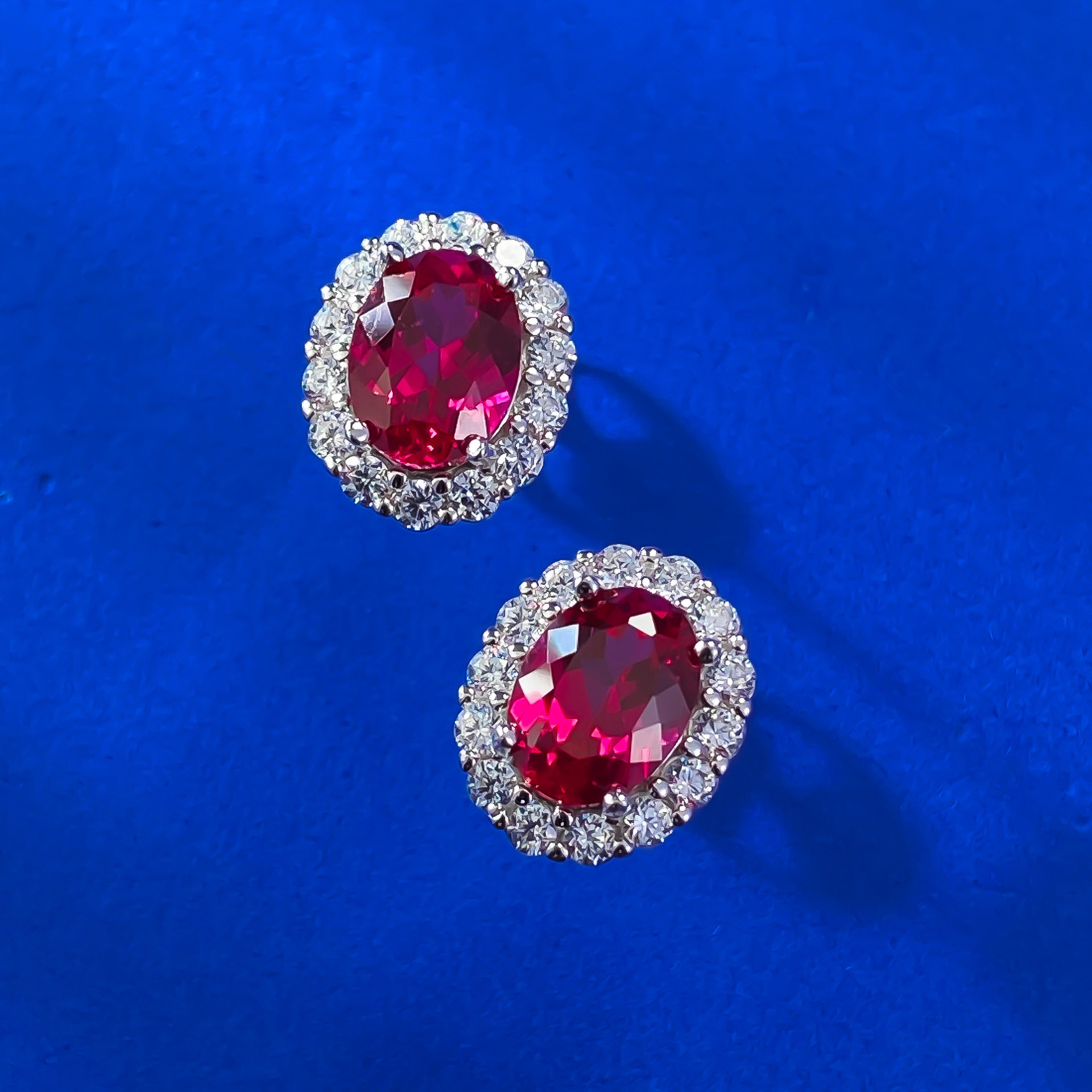
Drop Earrings for Wedding Dress Styling: A Bride’s Guide
Choosing drop Earrings for Wedding dress styling sounds simple until the gown, veil, hairstyle, and photos enter the conversation. The right pair should flatter your face, suit the neckline, and feel comfortable from getting-ready portraits to the last dance.
At StoneBridge Jewelry, we’ve found that brides rarely need the biggest earrings. They need the pair that looks intentional with the dress. Drop earrings for wedding dress looks work especially well because they frame the face, add movement, and bring sparkle close to where people look first.
Start with the gown, then check the neckline, fabric, hair, veil, face shape, metal tone, and earring weight.
Why Drop Earrings for Wedding Dress Looks Matter
Bridal earrings do more than fill space near the face. They set the mood of the whole look. A clean crepe gown may need sleek diamond drops, while a beaded lace dress may look better with short drops or diamond studs.
Drop earrings for wedding dress styling remain popular because they give shape without demanding a necklace. They also show up in nearly every close-up photo, from portraits and ceremony shots to first-look images and reception candids.
A practical styling rule helps: choose one main jewelry focal point. If the earrings lead, keep the necklace simple or skip it. If the necklace, veil, or gown already feels dramatic, choose smaller drop earrings, huggie earrings, or studs.
Fine jewelry details also count. Cut quality, setting symmetry, metal choice, and closure security affect how earrings sparkle and wear. GIA explains diamond quality through the 4Cs: cut, color, clarity, and carat weight. For earrings, cut and visual match often matter more than chasing the highest clarity grade.
Bridal Earring Styles Before You Choose Drops
Drop earrings for wedding dress outfits sit between classic studs and dramatic dangle earrings. They hang below the lobe, but they usually feel more structured than long dangles. That makes them polished, formal, and easy to style.
Stud earrings are the safest choice for heavy lace, high necklines, or pearl-covered gowns. Huggie earrings feel modern and secure. Hoop earrings can work for city weddings or minimalist dresses, especially in small diamond-set styles.
Drop earrings bring more presence. They create a vertical line near the jaw and neck, which can lengthen the face in photos. Dangle earrings add even more movement, but they need a lighter dress or a confident fashion-forward look.
| Earring style | Best with | Movement | Bridal mood | Comfort note |
|---|---|---|---|---|
| Diamond studs | High necklines, ornate gowns | Low | Classic | Easy for 8 to 12 hours |
| Huggie earrings | Modern gowns, short hair | Low | Clean | Secure for dancing |
| Small hoops | Minimal gowns, reception looks | Medium | Relaxed-polished | Check the clasp fit |
| Drop earrings | Open necklines, updos | Medium | Elegant | Watch length and weight |
| Dangle earrings | Simple gowns, statement styling | High | Dramatic | Test before the wedding |
Our customers often bring two options to a styling appointment: a quiet pair for the ceremony and a brighter pair for portraits or the reception. That’s a smart plan if you love sparkle but don’t want heavy earrings all night.
Match Drop Earrings for Wedding Dress Necklines
Neckline is the fastest way to narrow your choices. It controls how much space sits between the face, neck, shoulders, and dress. Open necklines can carry longer earrings. Covered or detailed necklines need restraint.
For strapless gowns, medium or long drop earrings for wedding dress styling add balance to bare shoulders. Pear-shaped diamonds, halo drops, and slim linear drops all work beautifully. Sweetheart necklines pair well with curved shapes because they echo the softness of the dress.
V-neck gowns usually look best with vertical earrings. A deeper V can handle longer drops, while a modest V may call for mid-length diamond drops. Square necklines suit clean shapes, including emerald-cut accents, straight bar drops, or round diamond drops with sharp metal lines.
High-neck, halter, and illusion gowns need a lighter touch. Fabric, lace, or beading already sits close to the face. Short drop earrings for wedding dress balance, diamond studs, or delicate huggies often look more refined than long dangles.
Best Earrings for Strapless, Sweetheart, and Off-the-Shoulder Gowns
Strapless, sweetheart, and off-the-shoulder dresses give earrings room to shine. These necklines expose the collarbone, so drop earrings for wedding dress styling can become the main jewelry moment.
If you skip a necklace, choose earrings with enough presence. A Pear Diamond Drop, a round halo, or a slim multi-stone line can add polish without clutter. For a romantic gown, try teardrop shapes. For a modern gown, choose straight lines or mixed diamond cuts.
As a size reference, many strapless gowns work well with earrings about 1 to 2 inches long. Petite brides or brides wearing a bold veil may prefer the shorter end of that range, while a simple gown with bare shoulders can often carry a longer 2-inch drop. Check the length from the piercing hole, not just the visible diamond section, because the top finding and connector add extra distance.
Best Earrings for High-Neck, Halter, and Illusion Gowns
High-neck and halter gowns already have strong lines near the face. Illusion necklines add sheer fabric, lace, or beadwork. Long dangles can crowd that area fast.
Short drops, diamond studs, and huggie earrings usually work better. They bring light to the face without fighting the dress. If the neckline has crystals or pearls, let the earrings echo the shine rather than repeat every detail.
Coordinate Fabric, Beading, and Metal Tone
Fabric changes the way earrings read. Satin and silk reflect light, so polished diamond drops look crisp. Crepe has a softer surface, which can support either minimal studs or sculptural drop earrings.
Lace feels textured and romantic. Choose delicate earrings instead of sharp, oversized shapes. Tulle and organza have airy volume, so pear, oval, marquise, or floral-inspired drops often feel natural.
Beading creates another decision. If the gown already has crystals, sequins, pearls, or heavy embroidery, choose smaller drop earrings for wedding dress balance. If the dress is simple, earrings can provide the special detail the gown leaves open.
Metal tone should work with the dress color and your skin tone. Bright white gowns often pair well with platinum or white gold. Ivory, cream, and champagne dresses usually look warm with yellow gold. Blush gowns can look soft and romantic with rose gold.
Lab-Grown Diamond Earrings are a strong choice for brides who want brilliance and thoughtful sourcing. They have the same chemical composition as mined diamonds, and reputable stones may be graded by GIA or IGI. For bridal earrings, matched sparkle is key because the stones sit side by side in photos.
If you’re comparing carat weights and diamond grades, browse StoneBridge’s lab-grown diamond options. Seeing how cut, size, and shape affect appearance can make bridal earring choices much easier.
Simple Dresses vs. Embellished Dresses
Simple gowns can carry stronger jewelry. A plain satin sheath, crepe column, or architectural ball gown may look stunning with larger diamond drops. The earrings add dimension without making the dress feel busy.
Embellished gowns need more editing. Heavy lace, pearls, appliqué, or sequins already create texture. Shorter drop earrings for wedding dress styling, diamond studs, or small huggies keep the focus on the bride.
The earrings don’t need to copy the gown exactly. They should match the level of formality, metal tone, and overall scale.
Diamond Shapes That Change the Mood
Round diamonds feel timeless and bright. Pear-shaped diamonds create a graceful teardrop effect. Oval diamonds add length with a softer outline.
Emerald-cut diamonds look clean and architectural. Halo settings add the look of size and extra sparkle. Mixed-shape drop earrings feel distinctive and work well with simple dresses.
Cut quality matters most for sparkle. GIA and IGI both evaluate diamonds using the 4Cs, and cut has the strongest impact on brilliance. A well-cut smaller diamond can look livelier than a larger diamond with weaker proportions.
Diamond Specs, Settings, and Price Ranges
When shopping for Diamond Drop Earrings, look at the total carat weight, not just the carat weight of one stone. A pair described as 1.00 carat total weight usually means about 0.50 carat per ear, divided across the stones in that earring. Multi-stone drops may look larger than solitaire drops at the same total weight because the diamonds spread sparkle over a longer shape.
For bridal earrings, a practical diamond range is often G to I color and VS2 to SI1 clarity for mined diamonds or lab-grown diamonds, depending on the design. Earrings sit farther from the eye than an engagement ring, so a perfectly colorless or flawless grade is rarely necessary. Spend more of the budget on cut quality, matching, and secure construction. If the design uses step-cut diamonds, such as emerald cuts or baguettes, consider a slightly higher clarity grade because inclusions can be easier to see.
Certification matters most for larger center stones. For substantial diamond drops, ask whether the main stones have grading reports from GIA, IGI, or another respected lab. For smaller accent diamonds, a full report for every tiny stone is not typical, but the seller should disclose the estimated color, clarity, total carat weight, metal, and whether the diamonds are lab-grown or mined.
Setting choice affects both sparkle and wear. Prong settings show more diamond and often look brighter, but exposed prongs can catch on lace veils, loose curls, or delicate tulle. Bezel settings protect the diamond edge and feel smooth against fabric, though they can look more modern and slightly reduce side light. Halo settings create a larger face-up look for the budget, while linear bar settings feel sleek and photograph cleanly with minimalist gowns.
Price varies widely by diamond size, metal, and craftsmanship. As a broad fine-jewelry guide, simple 14K gold diamond huggie drops may start around a few hundred dollars. Mid-range lab-grown Diamond Drop Earrings often fall around $800 to $2,500, depending on carat weight and setting complexity. Larger mined diamond drops, platinum styles, or designer-level pieces can move from several thousand dollars to much higher. If you have a fixed wedding budget, decide first whether you want maximum sparkle for photos, heirloom metal quality, or a pair you will wear often after the wedding.
Style Earrings With Hair, Veil, and Face Shape
Hair can completely change how earrings look. Drop earrings for wedding dress styling may seem bold with an updo, then disappear under loose waves. A tiny drop may look perfect in a box but vanish in low reception lighting.
Test earrings during your hair trial if possible. Look at the front, side, and back. Take photos while standing, turning, hugging, and sitting. You’ll quickly see whether the earrings stay visible and comfortable.
Updos and sleek buns show earrings clearly, so medium or long drops can look elegant. Half-up styles work well with mid-length drops. Loose waves often need slightly bolder earrings so the sparkle isn’t hidden by curls.
Face shape offers another helpful filter. Round faces often suit longer, slimmer drops because they create a vertical line. Heart-shaped faces look balanced with pear or teardrop earrings. Square faces often soften with oval, round, or gently curved drops. Long faces may look best with shorter drops or wider clustered styles.
Veils matter too. Lace edging, combs, and tulle can catch on prongs or moving earring sections. A cathedral veil with heavy detail may call for cleaner earrings, while a simple sheer veil can support more sparkle.
Comfort, Photos, and Wedding-Day Wear
Wedding earrings have a long job. Many brides wear them for 8 to 12 hours, from getting-ready photos through dancing. Comfort affects how relaxed you feel, especially during portraits, hugs, and the reception.
Weight is the first checkpoint. Many brides tolerate earrings under about 5 grams per ear for long wear, though every ear is different. If a pair pulls, swings too much, or makes you aware of it after ten minutes, it’s not the right wedding pair.
Metal choice matters for sensitive ears. Platinum, 14K gold, and 18K gold are common fine jewelry choices. If your ears react easily, ask about alloy composition and avoid mystery metals.
Platinum is naturally white, dense, and durable, which makes it excellent for secure diamond settings, but it can feel heavier and usually costs more. 18K gold has a richer precious-metal content and a refined color, while 14K gold is often slightly more resistant to everyday bending or wear because of its alloy mix. White gold is usually rhodium plated for a bright finish, so brides who want long-term brightness should expect occasional replating after the wedding if the earrings become regular-wear pieces.
Closures deserve attention, too. Lever backs can feel secure for drop earrings and dangle earrings. Screw backs help protect diamond studs. Huggie earrings and hinged hoops should close with a firm, clean snap.
Before buying, compare several bridal-ready styles in StoneBridge’s fine jewelry collection. If you’re also choosing rings, it can help to view your earrings beside your engagement ring style or explore engagement ring designs for metal-tone consistency.
Photo-Test Before the Wedding
A mirror won’t tell the full story. Take photos in natural light, indoor light, and flash. Earrings that look subtle in person may appear brighter in close-up portraits.
Side-profile photos are especially useful for drop earrings for wedding dress looks. The side view shows length, movement, and how the earrings sit against the neck. Test them with your veil, too, so you can spot snags early.
Wear-Test the Closures
Wear your earrings at home for at least two hours before the wedding. Walk, sit, hug someone, and move your head the way you would on the dance floor. If the earrings twist, pinch, or catch in your hair, choose a smoother or lighter pair.
Some brides keep diamond studs as a backup for the reception. That gives you the drama of drop earrings for wedding dress portraits and the comfort of lighter sparkle later.
Buying Timeline, Shipping, Returns, and Care
Try to choose wedding earrings at least two to three months before the wedding, especially if you need a custom order, matching metal tone, or a specific diamond shape. That timing leaves room for shipping, exchanges, alterations to your hair plan, and a full wear-test before final fittings and bridal portraits.
Before checkout, confirm the return window, whether pierced earrings are returnable, and whether custom or made-to-order pieces are final sale. Some fine jewelry retailers allow returns only if the security tag remains attached and the earrings are unworn. If you are ordering close to the wedding date, ask about insured shipping, signature requirements, delivery timing, and whether the package will arrive in gift-ready or travel-safe packaging.
After the wedding, clean diamond earrings with warm water, mild dish soap, and a soft brush unless the design includes pearls, opals, or other delicate materials. Dry them completely before storing. Keep each earring in a separate pouch or compartment so diamonds and prongs do not scratch the metal. Avoid hairspray, perfume, sunscreen, and setting spray after the earrings are on; these can dull the metal and leave residue on diamonds.
Schedule a professional inspection if the earrings have delicate prongs, halos, or moving joints. A jeweler can check for loose stones, worn hinges, and weakened jump rings. This is especially important if you plan to wear the earrings for anniversaries, formal events, or as an heirloom piece.
Common Styling Mistakes to Avoid
The first mistake is buying earrings before finalizing the dress. A pair that looks perfect online may feel too long with a halter neckline or too quiet with a strapless gown.
The second mistake is overmatching. Brides sometimes try to match lace motifs, pearl sizes, bead shapes, metal tone, and hair accessories all at once. The result can feel stiff. Aim for harmony, not duplication.
The third mistake is ignoring hairstyle. Earrings should be checked with the actual wedding hair plan. Loose waves, a low bun, and a veil comb can each change visibility.
The fourth mistake is choosing earrings that are too heavy. A secure, well-proportioned pair often looks more luxurious than a large pair that pulls on the lobe.
Another common mistake is focusing only on the front view. Drop earrings need to look graceful from the side because many wedding photos happen while you are walking, turning, hugging, or looking at your partner. The side view also reveals whether the earring hangs straight or tilts forward because the post, lever back, or drop section is poorly balanced.
Use these quick fixes:
- If the gown feels busy, switch to studs, huggies, or short drops.
- If the look feels plain, try longer drop earrings or brighter diamonds.
- If the necklace and earrings compete, let one piece lead.
- If earrings vanish in photos, choose more length or a brighter setting.
- If the earrings feel heavy, reduce carat weight or choose a lighter design.
- If the veil catches, choose bezel-set diamonds, smoother prongs, or a shorter drop.
- If the budget is tight, prioritize cut quality and a secure setting over higher clarity grades.
Final Checklist for Drop Earrings for Wedding Dress Styling
Use this Checklist Before You commit to a pair:
- Match the neckline. Open necklines can handle longer drops; high or ornate necklines usually need shorter styles.
- Read the fabric. Satin, silk, crepe, lace, tulle, and organza each change the right level of shine.
- Balance embellishment. Simple gowns can carry stronger earrings; detailed gowns need restraint.
- Coordinate metal tone. White gold and platinum suit bright white, yellow gold warms ivory, and rose gold flatters blush.
- Review diamond quality. Check cut, symmetry, matching, and grading from respected labs such as GIA or IGI.
- Confirm the specs. Ask for total carat weight, diamond origin, color and clarity ranges, metal karat, closure type, and return eligibility.
- Test hair and veil. Earrings should stay visible, comfortable, and snag-free.
- Consider face shape. Use length, width, and curves to create balance.
- Wear-test comfort. Try the earrings for a few hours before the wedding.
- Photo-test sparkle. Check natural light, indoor light, flash, and side angles.
- Choose one focal point. Let the earrings, necklace, dress, or hairpiece take the lead.
The best drop earrings for wedding dress styling don’t have to be dramatic. They have to feel right with your dress, your face, and your day. If you want help comparing diamond studs, huggie earrings, hoops, or drop earrings, contact our jewelry experts for personal guidance.
Ready to Find Your Perfect Diamond?
Explore our collection of certified lab-grown diamonds
Shop Diamonds