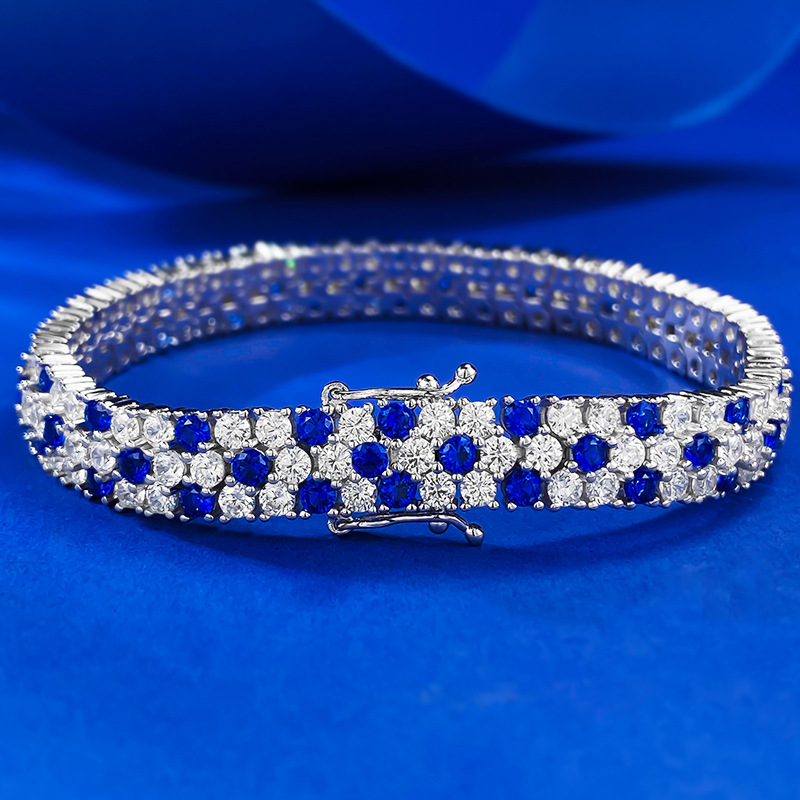
Diamond Tennis Bracelet Carat Size Comparison: How to Choose the Right Look, Weight, and Value
Diamond Tennis Bracelet Carat Size Comparison matters because the number on the tag changes more than weight. It changes sparkle, wrist coverage, comfort, and the overall mood of the bracelet. For shoppers comparing lab-grown diamond tennis bracelets, the right choice is usually less about chasing the highest carat total and more about finding the best balance of presence and wearability.
That balance is what makes a tennis bracelet such a versatile fine-jewelry piece. A lighter style can look polished and refined. A larger style can feel bold and high-impact. Somewhere in the middle, many buyers find the sweet spot: enough brilliance to stand out, enough comfort to wear often, and enough value to feel smart about the purchase.
This Diamond Tennis Bracelet carat size comparison focuses on lab-grown diamond options, where shoppers can compare larger-looking styles at more accessible price points. It also reflects practical buying factors that matter in real life: bracelet length, wrist size, clasp security, setting quality, and how the bracelet feels after hours of wear.
Overview: What Diamond Tennis Bracelet Carat Size Comparison Means
A Diamond Tennis Bracelet Carat Size comparison is not just a comparison of numbers. It is a comparison of total diamond weight, individual stone size, diamond count, and the way all of those details translate to the wrist.
According to GIA, carat measures weight, not visible size. That distinction matters because two bracelets with the same total carat weight can look very different. One may use many smaller diamonds for a delicate line of sparkle. Another may use fewer, larger stones for a stronger, more assertive look. The setting, metal choice, and bracelet length also change the final appearance.
Carat weight, diamond count, and visual presence
Here is the simplest way to think about it:
- Total carat weight tells you how much diamond weight the bracelet contains overall.
- Diamond count tells you how many stones create that total weight.
- Visual presence tells you how the bracelet reads on the wrist from a normal viewing distance.
That last point is the one shoppers care about most. A 3 ctw bracelet with tiny diamonds can look delicate and elegant. A 3 ctw bracelet with fewer larger stones can read a bit bolder. The Diamond Tennis Bracelet Carat Size comparison only makes sense if you look at those details together.
What shoppers are really comparing
Most buyers are not only asking, "How many carats?" They are also asking:
- How much sparkle will I see in daylight?
- How much of my wrist will the bracelet cover?
- Will it feel comfortable for daily wear?
- Does the price match the look I want?
- Will it layer well with a watch or other bracelets?
That is why the best Diamond Tennis Bracelet carat size comparison should always include comfort and lifestyle, not just weight. A bracelet that looks stunning in photos may feel too heavy for all-day wear. A lighter bracelet may be the exact right choice if you want something refined enough for work, travel, and repeat wear.
How StoneBridge Jewelry approaches the comparison
Expert note: StoneBridge Jewelry evaluates tennis bracelets by more than carat total. We look at how the bracelet lays flat, how securely the clasp closes, how smoothly the links move, and whether the diamond line gives good wrist coverage without feeling stiff.
For many shoppers, that practical test is the difference between a bracelet that stays in a jewelry box and one that becomes a signature piece. A smart diamond tennis bracelet carat size comparison should always include those real-world checks.
How Carat Size Changes the Look and Feel of a Tennis Bracelet
Carat size changes the bracelet in three major ways: visual scale, physical feel, and styling range. The shift is easy to see once you compare small, medium, and large options side by side.
Smaller carat weights create a fine, graceful profile. The diamonds sit close together and give a subtle line of shimmer. Medium carat weights bring more obvious brilliance and more wrist coverage. Larger carat weights make the bracelet feel like a statement piece, with stronger shine and a more luxurious profile.
Smaller carat size: delicate and understated
A lighter bracelet usually feels airy on the wrist. It is easy to pair with a watch, a cuff, or a second bracelet. The design does not dominate the outfit, so it works well in quiet luxury wardrobes and everyday jewelry rotations.
In a diamond tennis bracelet carat size comparison, lighter styles often appeal to shoppers who want elegance without flash. The bracelet still catches light, but it does so in a softer way.
Medium carat size: balanced and versatile
Medium carat styles tend to offer the most balanced look. They have enough diamond presence to be noticed, but they do not overwhelm the wrist. Many buyers end up here because the bracelet works across office wear, dinner plans, formal events, and gifting.
This is where a lot of shoppers see the strongest value. The bracelet looks substantial, but the budget does not jump into the top tier the way it does with very large styles.
Larger carat size: bold and elevated
A larger bracelet delivers unmistakable impact. The diamonds read more prominently, and the line of sparkle becomes the centerpiece rather than an accent.
That extra impact does come with trade-offs. The bracelet may feel heavier, cost more, and suit fewer everyday situations. For a milestone gift or a formal collection, though, the larger style can be exactly right.
Fit, movement, and comfort matter too
Carat size does more than change sparkle. It changes how the bracelet moves. Larger stones and heavier settings can reduce flexibility, especially if the links are tightly constructed. Smaller bracelets usually drape more lightly and are easier to forget about during the day.
Bracelet length also affects the final look. A 6.5-inch bracelet on a smaller wrist can appear fuller than expected. On a 7.5-inch wrist, the same diamond tennis bracelet carat size comparison may feel more subtle because the diamonds cover less of the wrist line. That is why length and carat total should always be judged together.
Smaller Carat Tennis Bracelets: Features, Pros, and Trade-Offs
Smaller carat tennis bracelets are the quiet achievers of the category. They deliver a polished line of sparkle without demanding attention. For many shoppers, that makes them the easiest bracelet to wear often.
These styles usually fall into the lighter end of the lab-grown diamond range, often around 1 ctw to 3 ctw, depending on the number and size of the stones. They are a strong fit for buyers who want subtle luxury.
What makes them appealing
- They look refined and elegant.
- They layer easily with other jewelry.
- They work well for office wear and casual styling.
- They usually sit in the lower price tier.
- They feel lighter and more comfortable for long wear.
In a diamond tennis bracelet carat size comparison, smaller styles often win on versatility. They do not overpower a watch or compete with a ring stack. They are also a smart choice if you want the bracelet to be part of your everyday look rather than a once-in-a-while event piece.
The main trade-offs
Smaller bracelets have less wrist coverage. From a distance, they may not show the same level of sparkle as a larger piece. Some shoppers also prefer a more obvious stone size and feel that very delicate lines can look too minimal for dressier settings.
That does not make them less valuable. It just means the design goal is different. A smaller carat bracelet says polished. A larger one says statement.
Best use cases
Smaller carat styles are a good fit for:
- Everyday wear
- Stacking with a watch or bangles
- Shoppers who prefer discreet elegance
- Gifting for someone with minimalist taste
- Buyers who want a lower entry price point
If your goal is a bracelet that feels graceful and easy to style, this end of the diamond tennis bracelet carat size comparison deserves serious attention.
Medium Carat Tennis Bracelets: Features, Pros, and Trade-Offs
Medium carat bracelets are often the most balanced option in the diamond tennis bracelet carat size comparison. They give you a clear visual upgrade over lighter styles without pushing all the way into statement-piece territory.
Many lab-grown diamond tennis bracelets in this range land around 3 ctw to 7 ctw. The exact look depends on bracelet length, stone diameter, and setting style, but the category usually reads as classic, noticeable, and wearable.
Why shoppers choose medium carat sizes
Medium styles often hit the sweet spot between sparkle and practicality. They catch light beautifully. They also hold up well as an everyday luxury item if the clasp and setting are well made.
For many buyers, this range offers the strongest value perception. The bracelet looks substantial enough to feel special, but it does not require the budget of a large, high-drama piece.
Advantages of medium carat bracelets
- Strong brilliance without feeling oversized
- Classic look that fits many occasions
- Better wrist presence than small styles
- Usually the best balance of value and visual impact
- Easier to justify as a one-bracelet purchase
A medium bracelet is especially compelling if you want one piece that can move from day to night. In a diamond tennis bracelet carat size comparison, this is often the category that feels safest for shoppers who are unsure whether to go subtle or bold.
Possible drawbacks
The main drawback is simple: it costs more than a smaller bracelet. And for shoppers who love very minimal jewelry, a medium bracelet may still feel a little too noticeable.
There is also a style question. If your taste leans ultra-clean and understated, a medium bracelet can feel more expressive than you want for daily wear. That is not a flaw. It just means your personal style may fit the smaller end better.
Best use cases
Medium carat bracelets are ideal for:
- Anniversary gifts
- Daily wear with a polished look
- Buyers who want a noticeable but not flashy bracelet
- Shoppers balancing value and luxury
- Jewelry collections that need one versatile statement piece
For many customers, medium is the strongest answer in a diamond tennis bracelet carat size comparison because it gives enough presence to feel premium without drifting into excess.
Larger Carat Tennis Bracelets: Features, Pros, and Trade-Offs
Larger tennis bracelets are designed to be seen. They deliver the most dramatic sparkle, the most wrist coverage, and the strongest visual statement in the diamond tennis bracelet carat size comparison.
These pieces often start around 7 ctw and can move well beyond that depending on the design. In lab-grown jewelry, larger sizes can be especially appealing because they create a high-end look at a more approachable price than many natural-diamond equivalents.
Why larger styles stand out
A larger bracelet has presence from the moment it catches light. It reads as a luxury piece first and a subtle accessory second. That makes it a strong option for milestone gifts, formal wear, and shoppers who want their bracelet to be the centerpiece of the wrist.
Advantages of larger carat bracelets
- Maximum sparkle and brightness
- Strongest wrist coverage
- Premium feel for gifting and events
- Clear visual impact in photos and in person
- Excellent choice for buyers who want a statement piece
In a diamond tennis bracelet carat size comparison, larger styles usually win the "wow" factor. They are the pieces people notice immediately.
Trade-offs to think about
The first trade-off is cost. Larger bracelets sit in the premium tier, and the price rises quickly as the stones get bigger.
The second is comfort. A heavier bracelet can feel more present during all-day wear. The clasp needs to be secure, the links need to move smoothly, and the setting should be finished well so the bracelet does not twist or pinch.
The third is versatility. A very bold bracelet can be harder to wear casually. Some buyers love that drama. Others prefer a piece that disappears a little more into daily outfits.
Best use cases
Larger carat bracelets are a strong fit for:
- Formal events
- Milestone celebrations
- Buyers who want a luxury-first look
- People who wear statement jewelry often
- Gifts meant to feel substantial and memorable
If the goal is maximum sparkle, a larger bracelet clearly leads the diamond tennis bracelet carat size comparison. If the goal is everyday ease, it may be more bracelet than you need.
Side-by-Side Diamond Tennis Bracelet Carat Size Comparison
A direct diamond tennis bracelet carat size comparison makes the decision much easier. The table below shows how small, medium, and large styles typically differ across the factors that matter most to shoppers.
| Carat range | Visual impact | Daily wear | Occasion fit | Value |
|---|---|---|---|---|
| Small: about 1 ctw to 3 ctw | Delicate, refined, subtle sparkle | Very comfortable, easy to layer | Office, casual wear, stacking, understated gifting | Strong entry value |
| Medium: about 3 ctw to 7 ctw | Balanced, noticeable, classic brilliance | Comfortable for regular wear with the right clasp and length | Everyday luxury, dinners, anniversaries, flexible styling | Often the best overall balance |
| Large: about 7 ctw to 15+ ctw | Bold, high-impact, statement-level shine | Heavier feel, better for planned wear than constant wear | Formal events, milestone gifts, dressy occasions | Premium impact, lower value for minimalists |
How to read the comparison
This diamond tennis bracelet carat size comparison works best if you start with your wrist and lifestyle.
- Smaller wrists often look elegant with lighter or medium carat totals.
- Average wrists usually land in the medium range for the best proportion.
- Larger wrists can carry medium or large carat totals without looking crowded.
Bracelet length matters just as much as carat weight. A 6.5-inch bracelet can feel more compact and tailored. A 7-inch bracelet is a common everyday length. A 7.5-inch bracelet can give a looser drape and make the piece look a touch less dense on the wrist.
Typical price tiers for lab-grown bracelets
Price varies with metal, stone quality, and craftsmanship, but these broad tiers help frame the diamond tennis bracelet Carat Size Comparison:
- Small bracelets often sit in the lower price tier and are popular for first-time buyers.
- Medium bracelets usually land in the middle tier and often feel like the best value.
- Large bracelets move into the premium tier, especially when the diamonds are well matched and the setting is finely finished.
For many lab-grown diamond shoppers, that middle tier is where value feels strongest. You get impressive sparkle without pushing the budget into a luxury-only range.
Who Should Choose Which Carat Size
The right bracelet depends on what you want it to do.
Choose smaller carat sizes if you want:
- A refined, quiet look that does not overpower your outfit.
- Easier layering with watches, bangles, or slim chains.
- A lower starting price and a more accessible gift option.
- A bracelet you can wear often without feeling dressed up.
- A piece that matches minimalist style preferences.
Choose medium carat sizes if you want:
- The best all-around balance of sparkle and practicality.
- A classic bracelet that works for many occasions.
- A stronger sense of value per dollar spent.
- Enough wrist presence to feel premium without going oversized.
- A safe choice if you are comparing options for the first time.
Choose larger carat sizes if you want:
- A statement piece with visible luxury impact.
- A bracelet for special occasions or formal wardrobes.
- Maximum sparkle and broad wrist coverage.
- A gift that feels substantial and memorable.
- A piece that stands alone without needing other jewelry around it.
If you are still torn between two sizes, use your wardrobe as the tie-breaker. A person who wears simple basics every day may prefer a smaller or medium bracelet. A person who loves glam dressing may appreciate the larger look right away.
Expert Recommendation and Shopping Advice
For most shoppers, StoneBridge Jewelry recommends the medium carat range as the best overall choice in a diamond tennis bracelet carat size comparison. It usually gives the strongest mix of sparkle, comfort, and long-term versatility. The bracelet feels substantial enough to look luxurious, yet it still works for regular wear.
That said, the best choice depends on the purpose. If you want a daily bracelet that layers easily, a smaller style may be the smarter buy. If you want a true statement piece, a larger bracelet delivers the biggest visual payoff.
What our jewelry specialists look for
A strong tennis bracelet is not only about diamond weight. Our specialists check for:
- Smooth link articulation so the bracelet drapes naturally
- Secure clasp construction with a dependable safety closure
- Even diamond alignment for a clean line of sparkle
- Comfortable edges that do not catch on fabric
- Metal choice that supports the intended wear pattern
For daily wear, 14K gold is often a durable favorite. White gold gives a crisp, bright look. Yellow gold adds warmth and contrast. Rose gold softens the profile and gives the bracelet a romantic tone.
Smart buying tips
- Pick the bracelet length before you choose the carat total.
- Match the bracelet size to your wrist, not just to a photo.
- Look for a secure clasp and ask how the safety mechanism works.
- Ask about diamond grading documentation from trusted labs such as IGI or GIA when available.
- Think about insurance if you are buying a larger bracelet or a piece meant for regular travel.
If you want to compare options with a broader jewelry view, you can browse our jewelry collection or shop our lab-grown diamonds to see how stone quality and setting style influence the final look.
FAQ: Diamond Tennis Bracelet Carat Size Comparison
What carat size is best for a diamond tennis bracelet?
The best carat size depends on your style, wrist size, and budget. A mid-range bracelet is often the most versatile choice because it balances sparkle, comfort, and value without feeling too subtle or too bold. If you want a quieter look, smaller sizes work well. If you want strong presence, larger sizes make a bigger statement.
How do I know what carat size will look best on my wrist?
Start with your wrist measurement and the bracelet length you plan to wear. A smaller wrist often looks elegant with lighter carat weights, while a larger wrist can carry more visual presence with medium or larger sizes. Compare bracelet lengths and stone coverage side by side before buying so the piece feels proportional.
Is a higher carat tennis bracelet always better?
Not necessarily. Higher carat weights create more impact, but many buyers prefer a lighter or medium option for comfort, everyday wear, and better overall value. A higher total does not automatically mean the bracelet suits your style better. The right choice is the one you will actually wear.
What is the difference between total carat weight and individual diamond size?
Total carat weight measures the combined weight of all stones in the bracelet, while individual diamond size refers to each stone. Two bracelets can have the same total carat weight but look different depending on how the stones are distributed. A bracelet with more smaller stones may look finer, while one with fewer larger stones may look bolder.
Are lab-grown diamond tennis bracelets worth it compared with natural diamond bracelets?
For many shoppers, yes. Lab-Grown Diamond Bracelets can offer impressive brilliance and larger-looking carat options at a more accessible price point. That makes them especially appealing in a diamond tennis bracelet carat size comparison. If you want strong value without giving up visual impact, lab-grown is a very compelling category.
CTA: Shop the Best-Fit Diamond Tennis Bracelet
The right diamond tennis bracelet carat size comparison usually points to one of two winners: medium for the best all-around balance, or smaller for an easy everyday look. If you want the strongest mix of sparkle, comfort, and value, start with the medium range. If you want a subtle bracelet that layers beautifully, choose smaller. And if you want a true statement piece, go larger.
Ready to compare your options? Contact our jewelry experts for help with fit, length, and clasp style, or browse our jewelry collection to find the diamond tennis bracelet carat size comparison that matches your wrist and budget.
Ready to Find Your Perfect Diamond?
Explore our collection of certified lab-grown diamonds
Shop Diamonds