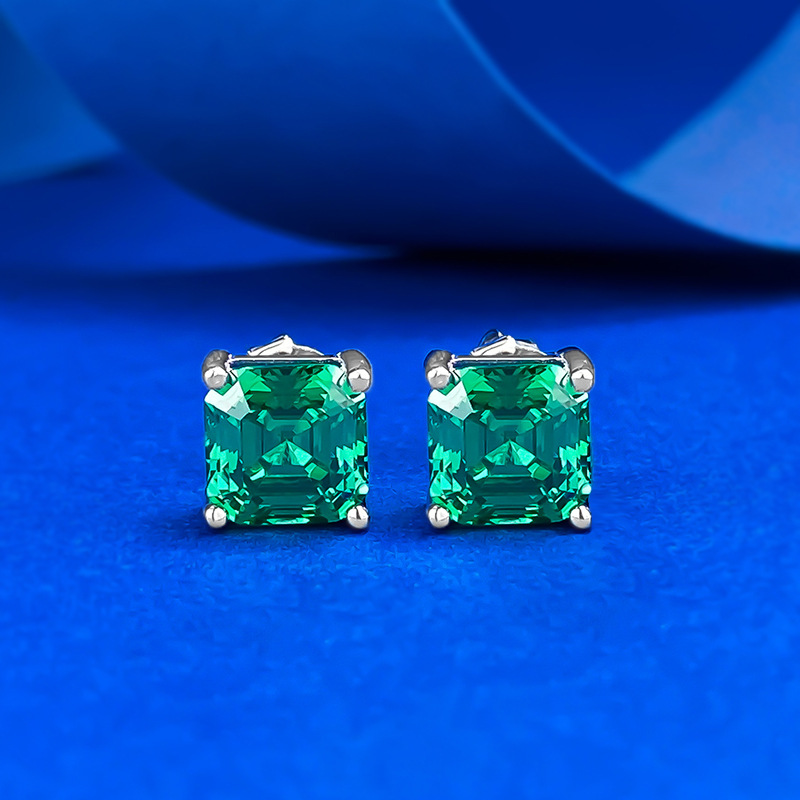
Diamond Stud Earrings Metal Options: How to Choose the Best Setting
The metal behind diamond studs changes more than the color of the setting. It affects how bright the stones look, how secure they feel, how they wear over time, and how much care they need. If you’re comparing Diamond Stud Earrings metal options, the right choice comes down to your style, skin sensitivity, and how often you’ll wear them.
A good metal choice can make diamond studs look cleaner, feel more comfortable, and last longer. A rushed choice can lead to tarnish, irritation, or a look that never quite fits the rest of your jewelry. This guide breaks down Diamond Stud Earrings metal options in plain language so you can compare platinum, white gold, yellow gold, rose gold, and more with confidence.
Why the Metal Matters for Diamond Stud Earrings
Color is usually the first thing people notice in Diamond Stud Earrings metal options. White metals tend to make diamonds look crisp and bright. Yellow and rose tones add warmth and contrast. That visual effect is real. A white metal can blend into the setting so the diamond seems to float, while yellow gold frames the stone with a classic glow.
Durability matters just as much as appearance. Studs are often worn daily, slept in, and left on through long workdays. That means the post, prongs, and backing all take repeated stress. Platinum and gold alloys offer different balances of hardness, scratch resistance, and long-term wear.
Comfort is another big factor. Some buyers need hypoallergenic materials because even a small amount of nickel can cause redness or itching. Others want a lighter feel. A metal that looks great in a display case may still be the wrong pick if it irritates your ears or needs constant polishing.
Budget also shapes the decision. Many shoppers compare white gold with platinum, or yellow gold with rose gold, because the metal choice changes the price before the diamond quality changes. Should you spend more on the setting or put that money toward a larger stone? For diamond studs, the answer depends on how you'll wear them and how long you want them to last.
Your other jewelry matters too. If you already wear gold hoops, silver huggie earrings, or mixed-metal bracelets, you may want studs that fit right in. If your collection includes bold dangle earrings or sleek drop earrings, your diamond studs may need to act as a quiet anchor piece. Diamond Stud Earrings metal options should work with your whole jewelry wardrobe, not just one pair.
A Quick Look at Earring Metals and Diamond Settings
Precious metals became the standard for fine stud earrings because they combine beauty with stability. Gold has been used in jewelry for thousands of years, while platinum became a favorite fine-jewelry metal because of its density and prestige. In diamond studs, the setting isn't just decoration. It holds the diamond and supports daily wear.
Metal purity matters because pure metals behave differently from alloys. Pure gold is very soft, so jewelers mix it with other metals to create 10K, 14K, or 18K gold. The higher the karat, the more pure gold is present. For example, 14K gold is 58.5% gold, and 18K gold is 75% gold. Platinum jewelry is often marked Pt950, which means 95% platinum. Those numbers help explain why some Diamond Stud Earrings metal options feel softer, look richer, or need more care than others.
Hardness isn't the same as durability. A harder alloy may resist scratches better, but a denser metal can hold prongs more securely over time. GIA and IGI both advise buyers to check metal stamps, backing style, and craftsmanship before judging a piece only by the diamond size.
Lab-grown diamonds can shift the budget in a useful way. Because many buyers can choose a larger or higher-quality lab-grown stone at a lower diamond price, they often have more room for a stronger setting. That can make it easier to choose better Diamond Stud Earrings metal options, more secure backs, or cleaner craftsmanship without stretching the total too far. If you're comparing stones and settings together, shop our lab-grown diamonds to see how budget flexibility can shape the final piece.
Diamond Stud Earrings Metal Options Compared
Before comparing each metal, it helps to look at the tradeoffs side by side. For most buyers, the best choice comes down to four questions: how you want the earrings to look, how often you'll wear them, whether your ears are sensitive, and how much upkeep you can live with.
| Metal | Look | Durability | Upkeep | Sensitivity | Best For |
|---|---|---|---|---|---|
| Platinum | Bright white with a substantial feel | Very high | Low to moderate | Often excellent | Daily wear, heirloom pieces |
| White Gold | Bright white after plating | High | Moderate | Good for many wearers, but check alloy | Classic modern style on a tighter budget |
| Yellow Gold | Warm, rich, traditional | High in 14K, softer in 18K | Low to moderate | Usually good | Timeless styling and warm skin tones |
| Rose Gold | Soft pink warmth | High in 14K, slightly softer in 18K | Low to moderate | Usually good | Romantic, modern-vintage looks |
| Sterling Silver | Bright but less stable over time | Lower | Higher | Variable | Fashion jewelry or short-term wear |
Platinum is the premium benchmark in Diamond Stud Earrings metal options. It is dense, secure, and naturally white, so it doesn't rely on plating for color. Platinum can feel more substantial in the ear and tends to hold prongs well over years of wear. If you want studs you'll keep in rotation for a long time, platinum is a strong pick.
White gold remains one of the most popular choices because it balances cost and appearance. It gives the bright, clean look many shoppers want for diamond studs, especially if they already wear white-metal pieces. The tradeoff is rhodium plating. Over time, that finish can wear, which means white gold may need refreshing to keep its crisp look. For many buyers, that upkeep is worth the lower entry price.
Yellow gold offers the most traditional presentation. Its warmth creates a strong frame around the diamond, and that contrast can make the stone stand out in a softer, classic way. 14K yellow gold is often the practical sweet spot because it offers better durability than higher-karat gold while keeping a rich color. 18K yellow gold looks deeper and more luxurious, but it is softer and can show wear more easily.
Rose gold is the style-forward pick. Its copper-rich alloy gives it a blush tone that feels romantic and a little vintage, but still modern. Rose gold works with many skin tones and can make diamond studs feel less expected than white or yellow gold. In 14K form, it is also very wearable for daily use. If you want something distinctive without chasing a trend that may fade, rose gold is worth a close look.
Sterling silver is usually the budget-first alternative, not the best long-term fine-jewelry choice. Silver can look bright at first, but it tarnishes more quickly and is softer than the gold and platinum options used in premium diamond studs. That softness matters in small settings where prongs and posts take constant stress. Silver can be fine for occasional wear, but most shoppers who want a lasting pair of studs should choose a stronger metal.
The simple version is this: platinum for maximum security and a premium feel, white gold for a polished white-metal look at a lower cost, yellow gold for timeless warmth, rose gold for a softer and more distinctive style, and silver only if you're buying a lower-cost fashion piece.
How to Choose the Right Metal for Your Lifestyle
The right metal depends on how the earrings will actually be worn. A pair for travel, work, and errands needs a different build than a pair saved for events. If you only wear stud earrings a few times a month, upkeep may matter less. If you plan to wear the same pair for years, durability and repairability move to the top of the list.
A practical way to compare Diamond Stud Earrings metal options is to rank your priorities.
- Decide how often you'll wear the studs.
- Identify whether your skin reacts to certain alloys.
- Match the color to the jewelry you already own.
- Set a budget for the setting before you choose the diamond.
- Review the backing style, prong design, and warranty.
Daily wear usually points toward platinum or 14K gold. Those metals balance security and comfort well. If you're the kind of person who sleeps, showers, or works out in small studs, you need a setting that resists loosening and can handle repeated contact. Platinum is the most robust everyday choice, but a well-made 14K white, yellow, or rose gold setting can also perform well.
Sensitivity concerns can narrow the field fast. Some white gold alloys contain nickel, which is a common trigger for irritation. Platinum is often favored for sensitive ears because it is typically used in higher-purity form and is less likely to include problematic alloys. If you've had irritation from earrings before, pay attention to the backing material, the post finish, and whether any coating or plating is involved.
Style consistency matters more than many buyers expect. If your rings, necklace chain, and bracelet set are all yellow gold, a white-metal stud may look disconnected unless you're intentionally mixing metals. If you wear silver-toned hoop earrings or huggie earrings most days, white gold or platinum studs will usually feel more cohesive. If your collection includes rose-gold accents, rose-gold diamond studs can tie the look together without feeling overly matched.
Mixed-metal styling can work very well when it feels planned. A yellow gold stud next to a silver necklace doesn't have to look accidental if the rest of the outfit has one warm and one cool accent. The key is repetition. If your wardrobe already blends metals, choose a stud setting that fits inside that pattern instead of fighting it.
Budget should be judged over the life of the earrings, not just at checkout. White gold may cost less upfront than platinum, but it may need replating. Silver may save money now, but it can tarnish faster and wear out sooner. Platinum costs more at first, but it can reduce replacement risk and repair concerns over time. If you want to put more of the budget toward diamond quality or setting strength, browse our jewelry collection to compare styles across metals and silhouettes.
Match the Metal to Your Skin Sensitivity and Comfort Needs
Sensitive ears often do best with simpler metal compositions. Nickel-free platinum settings are a frequent recommendation for people with irritation issues, while some white gold alloys deserve a closer look before purchase. If you don't know what caused a reaction in the past, start with the most conservative choice and ask for alloy details.
Comfort also depends on the whole build. The post should feel smooth, the backing should hold firmly without pinching, and the prongs should not snag hair or clothing. Even the best metal can feel wrong if the workmanship is poor. If irritation keeps showing up, a jeweler or dermatologist can help sort out a metal allergy from a fit issue or a maintenance problem.
Match the Metal to Your Style and Existing Jewelry
Visual harmony matters as much as technical quality. A minimalist wardrobe often looks best with white metals because they keep the focus on shape and sparkle. A classic wardrobe with warm neutrals can benefit from yellow gold. A romantic or creative style may lean toward rose gold because it feels softer and more personal.
Think about the jewelry you already wear most. If your watch, rings, and chains are mostly one tone, matching your studs creates a cleaner silhouette. If you enjoy contrast, choose a metal that supports the look instead of trying to dominate it. Diamond studs are versatile enough to sit between hoop earrings, drop earrings, and dangle earrings without creating visual clutter, so the right metal choice can make them the most adaptable piece in your lineup.
Match the Metal to Your Budget and Long-Term Value
Price differences often reflect metal weight, purity, and labor more than brand markup. Platinum usually costs more because it is denser and more expensive to work with. 18K gold costs more than 14K gold because it contains more pure gold. Silver costs less, but that lower price comes with tradeoffs in stability and maintenance.
A stronger setting can protect the diamond and keep the earrings wearable longer. That matters for both emotional and financial value. If you're choosing between a larger diamond in a weaker setting and a slightly smaller diamond in a stronger one, many jewelers would steer you toward the stronger setting for everyday studs. Lab-grown diamond buyers often have extra flexibility here, since the stone cost may leave room for better metal and craftsmanship.
Practical Tips for Buying Diamond Stud Earrings in the Right Metal
The product listing should tell you more than the color name. Look for details about the metal stamp, whether the piece is solid metal or plated, and how the backing is designed. A listing that only says white gold or gold isn't enough if you want to compare quality accurately.
Use this checklist before buying:
- Confirm the purity mark, such as 14K, 18K, or Pt950.
- Check whether the setting is solid metal or plated.
- Look at prong count and prong shape for stone security.
- Review the post length and backing type.
- Read the return policy and warranty or repair terms.
Prong design is not a small detail. A four-prong setting can show more of the diamond, while a six-prong setting can add security and a little more metal around the stone. Basket construction matters too. A well-built basket supports the diamond and keeps the setting balanced so the earring doesn't tilt forward or feel unstable.
Backing style deserves attention as well. Friction backs are common and easy to wear, but heavier studs may benefit from more secure back designs. Screw backs can add security for smaller children or for buyers who want an extra layer of confidence. For anniversary gifts or bridal jewelry, a secure backing often matters more than a dramatic design detail because the earrings are likely to become a frequent staple.
Care should happen before the purchase, not after. Platinum can develop a soft patina over time. White gold often needs rhodium replating to keep its bright finish. Yellow and rose gold are easier to maintain in daily wear, though they still need cleaning and inspection. Sterling silver tarnishes and may need more frequent polishing.
What to Check Before You Buy
The basics are easy to verify if you know what to look for. Read the product description line by line and confirm whether the earrings are solid platinum, solid gold, or plated over a base metal. Check for a metal stamp on the post or clasp. If the seller doesn't list it clearly, ask before ordering.
Also inspect the mounting style. Prongs should look even, polished, and tight against the diamond. The basket should support the stone without bulky excess metal. A clear return policy and a written warranty or repair option are useful trust signals, especially for a piece that's expected to last.
How to Care for Each Metal Type
Basic care is straightforward. Clean platinum and gold with mild soap, warm water, and a soft brush. Dry them carefully and store them in a lined pouch or jewelry box so the posts and backs don't scratch each other. Silver needs more frequent polishing because it tarnishes faster.
White gold may need rhodium replating every so often depending on wear habits and skin chemistry. If your studs start to look slightly yellow or dull at the edges, that's often a plating issue rather than damage. An annual inspection is smart for any pair of everyday studs, because prongs and backs can loosen even when the earrings still look fine.
Common Mistakes to Avoid When Choosing Diamond Stud Earring Metals
The biggest mistake is picking the cheapest setting without thinking through daily use. A lower price can be tempting, but a metal that tarnishes, bends, or irritates the skin will cost more in frustration later. If the studs are meant to be worn often, treat the setting like a long-term purchase, not a disposable accessory.
Another common mistake is ignoring alloy details. Some buyers see white gold and assume it will behave like platinum, but that's not true. White gold may need replating, and certain alloys can bother sensitive ears. Silver can also look like a bargain until you factor in polishing, oxidation, and wear. Diamond Stud Earrings metal options should be judged on comfort and maintenance, not just sticker price.
The third mistake is choosing the metal only to match the diamond size. A larger stone in a weak setting can be a poor value if the earrings will be worn every day. Metal choice should reflect lifestyle first, then style, then diamond size. A well-made small stud in the right metal often delivers more satisfaction than a larger pair that feels fragile or uncomfortable.
How Diamond Studs Fit Into a Bigger Earring Wardrobe
Diamond studs usually do the quiet, dependable work in a jewelry collection. They're the everyday foundation piece. Hoop earrings, huggie earrings, drop earrings, and dangle earrings do something different: they add movement, shape, and occasion. That's why the best diamond stud earrings metal options often mirror the rest of the wardrobe instead of standing apart from it.
If your collection is mostly white-metal, diamond studs in platinum or white gold will feel easy to reach for. If you rotate through gold hoops and warm-toned necklaces, yellow or rose gold studs can become the anchor piece that ties everything together. The goal isn't perfect uniformity. It's a collection that feels deliberate.
A simple framework works well:
- Choose one main metal family for most everyday pieces.
- Add one secondary metal if you like mixed-metal styling.
- Use diamond studs as the most versatile anchor.
- Let hoop earrings, drop earrings, and dangle earrings add variety for dressier days.
The most useful pair is usually the one that disappears into your routine. You should reach for them without thinking twice.
Diamond Stud Earrings Metal Options: Quick Comparison by Buyer Type
If you want the fastest path to a decision, start with how you'll wear the earrings. Our customers often tell us they narrow the choice much faster once they think about daily habits instead of just color. A pair worn five days a week needs a different metal than a pair reserved for dinners or holidays.
Here's a simple way to think about it:
- Best for daily wear: platinum or 14K gold
- Best for sensitive ears: platinum, with full alloy details checked before purchase
- Best for a bright modern look: white gold
- Best for warm classic style: yellow gold
- Best for romantic or trend-forward styling: rose gold
- Best for budget shopping: sterling silver, with the tradeoff that it needs more care
According to GIA, the more durable choice isn't always the hardest metal; it's the one that balances density, wear, and maintenance for the way you'll use it. That matters more than a sales label. It also explains why a $200 setting can be the smarter buy than a cheaper one that needs replacing in a year or two.
FAQs About Diamond Stud Earrings Metal Options
What is the best metal for diamond stud earrings if I wear them every day?
Platinum is often the strongest choice for daily wear because it's dense, secure, and naturally white. White gold is also a good everyday option if you want a similar look at a lower price and don't mind occasional maintenance. The best pick depends on your budget, your skin sensitivity, and how much upkeep you want to handle over time. If you plan to keep the studs on often, focus on a strong setting, a reliable backing, and a metal that won't irritate your ears.
Are platinum diamond stud earrings better than white gold?
Platinum is generally denser and more durable, so it's a strong choice for long-term wear. White gold is more budget-friendly and still very popular, but it may need occasional rhodium replating to maintain its bright finish. If you want the lowest-maintenance premium option, platinum usually has the edge. If price matters more, white gold is still a smart choice among diamond stud earrings metal options.
Which diamond stud earrings metal options are best for sensitive ears?
Platinum is often preferred for sensitive ears because it's typically used in higher-purity form and is less likely to involve irritating alloys. Some white gold alloys can contain nickel, so buyers with sensitivities should check alloy details carefully. If irritation has happened before, ask a jeweler to confirm the metal composition and backing material Before You Buy. That small step can save you a lot of discomfort later.
Do diamond stud earrings look better in yellow gold or white gold?
Neither is universally better; it depends on the style you want. White gold creates a sleek, modern look that can enhance brightness, while yellow gold adds warmth and contrast for a more classic or vintage-inspired feel. The best choice is the one that fits your wardrobe and the jewelry you already wear most often. If you already wear gold chains or rings, yellow gold may feel more natural.
How do I choose the right metal for diamond studs to match other earrings like hoop earrings or huggie earrings?
Start by identifying the metal tone you wear most often across your jewelry collection. If you prefer mixed metals, choose diamond studs that can pair easily with hoop earrings, huggie earrings, drop earrings, or dangle earrings in both warm and cool tones. The goal is a cohesive jewelry wardrobe that feels intentional, not forced. If you're torn, pick the metal that shows up most often in your everyday pieces.
Final Choice: Which Diamond Stud Earrings Metal Options Fit You Best?
If you want the safest premium pick, choose platinum. If you want a bright white look with a lower starting price, white gold is hard to beat. If you love warmth, yellow gold still feels timeless. If you want something a little softer and more personal, rose gold is a strong choice. Silver can work for fashion jewelry, but it's usually not the best long-term answer for fine studs.
For daily wear, prioritize security and comfort over short-term savings. If style is your main goal, choose the metal tone that matches your wardrobe and skin undertone. If budget matters most, compare the setting costs alongside the diamond so you don't overpay for one part of the piece while underinvesting in the other.
The smartest shoppers compare diamond stud earrings metal options before they compare sizes. That order usually leads to a better fit, better wear, and better long-term value. If you're still deciding, explore setting details, review metal stamps carefully, and use our blog to compare more fine-jewelry buying topics, or contact our jewelry experts for help narrowing the field.
Ready to Find Your Perfect Diamond?
Explore our collection of certified lab-grown diamonds
Shop Diamonds