Diamond Jewelry Care Checklist for Safe Storage: Protect Settings and Shine
A diamond jewelry care checklist for safe storage starts the moment a piece comes off your hand or neck. If it lands in a crowded tray, the metal can scratch, the clasp can snag, and the stone can take a knock it does not need.
I see this happen all the time in repair work: damage usually starts in the jewelry box, not on the wrist. A loose chain or a spinning ring can do more harm than most people expect (trust me, I’ve seen it happen more than once).
A simple jewelry storage routine keeps each piece dry, separated, and easy to find. It also makes cleaning faster, because loose backs, bent prongs, and dull spots stand out before they turn into repairs.
That matters whether you own a modest everyday band or a diamond piece you saved for over time. The better the piece, the more you want the storage habit to be automatic, not something you improvise on a rushed night.
Diamond Jewelry Care Checklist for Safe Storage: Why It Matters
Diamonds are tough, but they are not bulletproof. GIA notes that diamond sits at 10 on the Mohs scale, which is why it resists scratches so well. Even so, a sharp corner can chip if it hits another hard surface, especially on princess, pear, marquise, and emerald cuts.
Storage matters for value, too. A 1.00-carat diamond can cost under $1,000 for some lab-grown stones or several thousand dollars for natural stones, depending on cut, color, clarity, and certification. A few careful habits protect that purchase for the long run.
The goal of a diamond jewelry care checklist for safe storage is simple: stop contact damage, slow dulling, and keep the setting stable. That is part of ring maintenance, not an extra chore you do once in a while.
Honestly, I think storage is one of the easiest ways to protect jewelry because it asks for so little and saves so much. A minute at night can spare you a repair appointment later.
It also helps you keep track of wear patterns. When pieces always go back to the same spot, you notice if a prong starts to look thin, if a clasp no longer closes firmly, or if a chain has developed a weak point near the jump ring.
How Safe Storage Protects More Than the Diamond
Most people think of storage as a way to protect the stone, but the setting and finish need protection too. Yellow gold, white gold, rose gold, platinum, and sterling silver all wear differently, and each one shows friction in its own way.
White gold can lose some of its rhodium plating over time, especially on rings worn daily. If a white gold piece is stored loosely against other jewelry, the finish can look tired faster because the surface is already taking daily stress. Platinum is more durable in a structural sense, but it can still develop a soft patina if it rubs against rough metal or hard edges.
That is one reason many shoppers compare metal choices before buying. Platinum is often favored for durability and security, but it usually costs more than 14k or 18k gold. Fourteen-karat gold is popular because it offers a solid balance of strength and price, while 18k gold gives a richer color but is a little softer. If you know a piece will be stored with other items or worn in a busy routine, sturdier alloys can be a smart buy.
Safe storage also protects accent stones. Pavé, halo, and three-stone settings have many tiny contact points, and those smaller stones can loosen if the piece rattles around in a drawer. A well-organized box reduces the daily bumps that lead to repair work later.
Diamond Jewelry Care Checklist for Safe Storage Setup
Start with a soft-lined jewelry box that closes fully. Velvet, microfiber, or suede interiors help cushion the metal and reduce friction. Open trays may look pretty, but they invite dust and rubbing.
Add dividers, ring slots, and small pouches so each item has its own spot. If you live in a humid area, keep silica packs inside the closed box, not loose against the jewelry. For silver or mixed metals, anti-tarnish strips help with tarnish prevention.
In my 10 years at StoneBridge, I’ve learned that the best storage system is not the fanciest one. It is the one people actually use every day (yes, even on a budget).
A few simple rules make the setup work:
- Give raised settings extra depth so the stone does not hit the lid.
- Keep chains flat or in narrow pouches.
- Store earrings as pairs so backs do not disappear.
- Leave space between pieces that can scratch each other.
- Keep paperwork, like GIA or IGI reports, in a separate envelope near the box.
If your box feels crowded, it probably is. Move seasonal pieces to another pouch or drawer before the space gets tight.
For buyers, the safest storage plan often starts before the piece even arrives. If you are ordering online, choose a seller that ships in a rigid outer box, places the jewelry in a presentation case, and includes a secure insert so the item does not bounce during transit. Good packaging is not just about presentation; it reduces the chance that a prong bends or a stone loosens before you ever wear the piece.
Choose a Jewelry Box That Fits Your Collection
The right jewelry box should match the pieces you actually wear. A ring-heavy collection needs more slots, while a chain-heavy collection needs longer channels or pouches. For a daily routine, easy access matters as much as padding.
Look for a box that keeps pieces from rolling around when you open the lid. That small detail makes safe storage easier to maintain, because the box itself does half the work.
If you own several diamonds in different settings, consider splitting them by use: everyday, special occasion, and travel. A small travel case can hold just the essentials, while the main box stores the rest safely at home. That makes it less tempting to toss valuable pieces into a cluttered bathroom drawer or a carry-on pocket.
Use Dividers and Pouches the Right Way
Dividers stop metal from rubbing on metal. Pouches keep one statement piece from tangling with the rest of the collection. Together, they make jewelry storage simple enough to repeat every night.
People stick with the routine when it takes less than a minute. If you need to dig, untangle, or reshuffle, the system will not last.
For delicate chains, a soft pouch with a drawstring can be enough, but make sure the chain is clasped before it goes in. For larger necklaces, a flat compartment with a slight contour is better because it keeps pendants from nesting into each other and twisting the chain.
What to Consider When Buying Diamond Jewelry You Plan to Store Well
If you are buying with storage in mind, the details of the piece matter just as much as the carat weight. A diamond with a well-cut, protected setting is often easier to maintain than a larger stone in a fragile mount.
Start with the diamond itself. Certification from GIA or IGI gives you a consistent grading report, which helps you compare cut, color, clarity, and carat without guessing. For a round brilliant, many buyers look for strong cut quality first, because a well-cut stone hides minor color issues better and tends to look brighter in everyday light. For shape, the corners and points matter: princess, pear, marquise, and heart shapes need a little more care than a round stone because the tips are more vulnerable when stored or traveled with.
Price depends heavily on whether the stone is natural or lab-grown, and on the 4Cs. As a broad shopping range, a well-made lab-grown diamond ring can start in the low hundreds and move into the few-thousand-dollar range, while natural diamond rings often begin higher and climb quickly with size and quality. If you compare pieces at a similar budget, it is usually smarter to prioritize cut, setting quality, and a solid return policy before chasing the biggest number on the certificate.
Settings matter just as much. A solitaire with a low profile is often easier to store and less likely to snag than a tall cathedral or halo design. A bezel setting protects the stone edge well and can be a good choice for everyday wear, though it changes the look and may cover more of the diamond. Prong settings show more of the stone and can feel classic, but they require more attention because the tips can catch or bend if the ring is stored carelessly.
When shopping for a ring or bracelet, ask whether the piece can be resized later. Some eternity bands cannot be resized easily because the stones run all the way around. If finger size changes are likely, a half-eternity band, three-stone ring, or plain shank may be easier to maintain in the long run.
Diamond Specs That Affect Wear and Storage
Carat weight affects how much the stone sits above the finger and how much pressure the setting may face in storage. A half-carat stone may sit lower and be easier to protect than a 2.00-carat center stone with a tall head, though setting style is still the bigger factor.
Clarity can influence care, too. Included stones are not automatically fragile, but a gem with feathers near the edge or a girdle that is too thin may deserve extra caution. If the report notes clarity characteristics near a tip or edge, that is worth discussing with the jeweler before purchase.
Color is less about storage than about long-term appearance, but it affects buying decisions. White gold and platinum settings often pair well with near-colorless grades, while yellow gold can make slightly warmer diamonds look brighter to the eye. If the piece is meant for daily wear, that visual balance can help you choose a more affordable stone without feeling disappointed later.
Ask About Return Windows and Service Policies
Any serious diamond purchase should come with clear return terms. A 7-day window is common in some stores, while others offer 14 or 30 days. Make sure the policy covers whether the piece can be resized, engraved, or worn before return, because those details can affect eligibility.
It is also worth asking whether prong tightening, first cleaning, or inspection is included. Some jewelers offer complimentary checks for a year or more, which is valuable if you plan to store and wear the piece regularly. If a seller does not offer a service pathway, you may want to factor in future maintenance costs before buying.
Diamond Jewelry Care Checklist for Safe Storage by Piece
Sort by piece type first, then by how often you wear each item. Daily pieces should sit in the easiest slots, but they still need separation. Occasion jewelry can rest deeper in the box as long as it stays dry and padded.
Store Rings Without Scratching the Setting
Keep each ring in its own slot or pouch. Raised centers need a little extra breathing room because the stone sits higher and can catch on nearby pieces. If you wear pavé bands, do not stack them tightly together.
This is one of the easiest parts of the diamond jewelry care checklist for safe storage to keep up with. Set the ring down, close the box, and move on.
Here’s what nobody tells you: even a gorgeous engagement ring can pick up tiny wear marks if it gets tossed in with bracelets or earrings every night. I’ve helped hundreds of couples choose rings for proposals and weddings, and the happiest owners are usually the ones who build a storage habit early.
If a ring feels slightly loose on your finger, do not assume storage will solve the issue. A loose ring is more likely to twist in the box, fall off while washing hands, or catch on fabric when you remove it. Proper sizing is part of storage safety because a Ring That Fits well is easier to handle and less likely to get bent.
Keep Necklaces from Tangling
Fasten the clasp before you store a necklace. Lay the chain flat in its channel, or wrap it in a soft cloth if the box does not have a long slot. A pendant should rest without swinging into another chain.
No one wants to spend ten minutes picking knots apart before dinner. A flat, separate space solves most of that problem.
Delicate chains such as cable, box, and snake styles can still tangle if the clasp is left open or if they are stored with heavier pieces. Chunkier links, like some curb or rope chains, are less likely to knot but can still dent if they are compressed under weight. If the necklace is expensive or sentimental, a separate pouch is usually worth the extra second it takes.
Protect Earrings and Bracelets
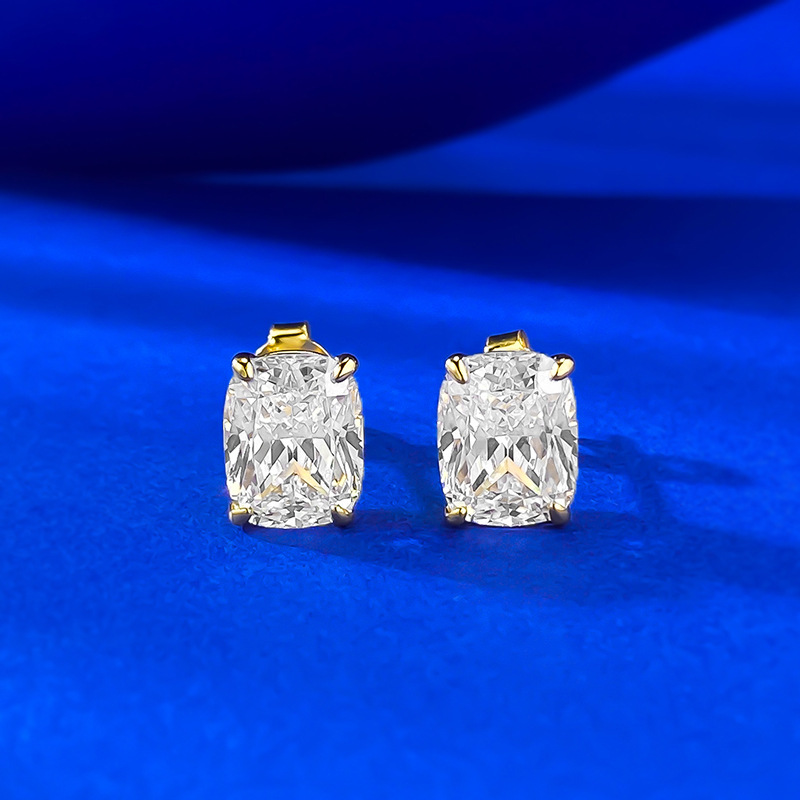
Store matched earrings together so the backs stay with the pair. Studs do well on a padded card or in a small fitted slot, while drops need enough room that the hooks do not bend.
Bracelets need space around the clasp and links. Tennis bracelets and delicate chains should rest flat, not pressed under heavier pieces. That supports better diamond jewelry care checklist for safe storage habits overall.
For hoops and hinged earrings, make sure the latch closes before you put them away. A partially open hinge can stress the mechanism and create a weak point over time. For tennis bracelets, the safety clasp should be closed and checked periodically, because a loose box clasp is a common reason pieces disappear during travel or overnight storage.
Diamond Jewelry Care Checklist for Safe Storage Cleaning Tips
Clean pieces store better. Oils, lotion, and dust hold onto grime, and that buildup makes the jewelry look older than it is. A quick clean also helps you catch loose prongs, worn clasps, and bent earring backs.
For most pieces, mild dish soap, warm water, a soft brush, and a lint-free cloth are enough. Rinse well, then dry every part before you close the box. Trapped moisture can dull metal and slow tarnish prevention.
Many jewelers suggest a professional cleaning and inspection every 6 to 12 months, especially for rings worn every day. That visit can catch problems early. It also gives you a chance to ask whether your piece is safe for ultrasonic cleaning.
Use ultrasonic cleaning only when the setting is secure. Old repairs, loose stones, fracture-filled stones, and some antique pieces should stay out of the machine unless a professional approves them.
It helps to think about cleaning as part of storage rather than a separate chore. A clean ring is easier to inspect, easier to photograph for insurance records, and less likely to transfer lotion or soap residue onto other pieces in the box.
If you are cleaning at home, avoid abrasive tools and harsh chemicals. A soft toothbrush is enough for most settings, but use light pressure around pavé areas and along the gallery where residue often collects. Dry the piece completely, including under the head and inside ring shanks, before it goes back into a closed container.
Shipping, Returns, and Travel: Storage Rules Do Not Stop at Home
One of the most overlooked parts of diamond jewelry care is what happens when the piece leaves your dresser. Shipping, vacations, and gift returns all introduce extra risk because jewelry gets handled more than usual.
If you are mailing jewelry for repair, appraisal, or return, use a tracked service and a package that does not reveal what is inside. The jewelry itself should be in a small protective box or pouch inside the outer shipping carton so it does not move around. Never send a diamond in a loose envelope or a padded mailer without a rigid inner case.
For returns, check whether the seller requires original packaging. Many do, so save the ring box, certificate envelope, and any tags until you are certain you are keeping the piece. If a retailer offers free resizing or an exchange option, confirm that the policy still applies after you wear the item at home for a short try-on period.
When traveling, use a compact case with separate channels, not a makeup bag filled with loose pieces. Keep high-value items in carry-on luggage rather than checked bags, and do not pack them in the same pocket as keys, chargers, or coins. Even a short flight can damage a setting if the jewelry is allowed to bounce around with hard objects.
For hotel stays, use the room safe only if you are confident it is secure and large enough to keep the case flat. If not, a hidden pocket in a personal bag you keep with you may be the better choice. The less a diamond moves, the less likely the setting is to suffer.
When to Schedule Repairs, Resizing, or Insurance Updates
Safe storage is only part of the maintenance plan. If a ring spins too much, if a clasp feels weak, or if a stone looks slightly raised on one side, the piece needs attention before storage can truly protect it.
Prongs should be checked regularly, especially on engagement rings and earrings with visible head settings. A jeweler can tighten prongs, replace a worn head, or reinforce a clasp before you lose a stone. If you wait until the piece has already slipped, the repair is usually more expensive.
Resizing is another topic buyers often overlook. Fingers change with weather, pregnancy, weight shifts, and age. A proper fit makes daily wear safer, and it also helps the ring sit correctly in storage. If a ring needs repeated temporary sizing beads or guards, it may be time for a permanent adjustment.
Insurance should be reviewed whenever you make a meaningful purchase or upgrade. Keep the appraisal, certificate, receipt, and photos in a separate file. If your diamond increases in value or you add matching pieces, update the policy so the coverage reflects the actual collection, not the original purchase price from years ago.
Mistakes That Undermine Diamond Protection
Crowding is the biggest mistake we see. If the box is full, pieces press together, prongs catch, and chains tangle. A 30-second reset is a lot easier than a repair.
Moisture causes trouble too. Never close a lid on a damp ring or necklace, even if it only feels slightly wet. A dry towel and a minute of patience protect the finish better than any quick fix.
Avoid bleach, toothpaste, rough paper towels, and strong cleaners. They can scratch polished metal and leave a cloudy finish. If a tray is already full, move the extra piece to another pouch instead of forcing it in.
My honest opinion? The “I’ll sort it out later” approach is the fastest way to wear down a beautiful setting. Most of the time, the fix is embarrassingly simple: separate the pieces, dry them fully, and give them room to breathe.
Another common mistake is storing jewelry in the bathroom because it is convenient. Steam, humidity, and temperature swings are rough on metal finishes and can encourage tarnish. A bedroom drawer or closet shelf is usually a better long-term home for diamonds and their settings.
People also forget that perfume, hairspray, sunscreen, and hand lotion leave residue. If you remove jewelry after applying products, wipe it before putting it away. That small step keeps the box cleaner and reduces the film that makes diamonds look less bright.
Simple Buying Choices That Make Storage Easier
If you are choosing between two similar pieces, the one that is easier to store often becomes the better long-term buy. Low-profile settings tend to snag less, bezel settings protect edges well, and sturdier chain styles hold up better in travel cases.
For rings, a plain shank or a modest cathedral can be easier to maintain than a very tall halo with many tiny stones. For earrings, secure backs and balanced weight matter more than people expect, because uneven earrings bend posts and stress the metal during storage. For bracelets, a quality box clasp with a safety latch is worth paying for if the piece will be worn often.
If you are comparing price points, remember that a better-designed setting can reduce future repair costs. Saving a little upfront on a fragile design sometimes leads to higher service bills later. A slightly stronger mounting or a more practical diamond shape can be the smarter purchase, especially if the piece will live in regular rotation.
Keep the Routine Easy to Repeat
A strong diamond jewelry care checklist for safe storage does not need a fancy setup. It needs a box that fits your pieces, a dry place to keep it, and a habit you can keep on busy nights. That is what keeps diamond care and jewelry storage goals on track.
If you want to upgrade your system, start small. Add a better jewelry box, move high-value pieces into separate slots, and keep your diamond education resources handy when you shop or clean. If you are shopping for something new, you can also browse engagement rings or try our ring builder to find a style that fits your routine.
A few minutes now can save you a repair later. Your jewelry box will look better, too, and the pieces that mark big moments stay ready for the next one.
If you already own a piece you love, the next best step is to inspect it with the same care you use to store it. Check the prongs, test the clasp, and clean it before putting it away. Good storage is not glamorous, but it is one of the most reliable ways to keep diamonds bright, settings secure, and heirlooms ready to wear for years.
Ready to Find Your Perfect Diamond?
Explore our collection of certified lab-grown diamonds
Shop Diamonds