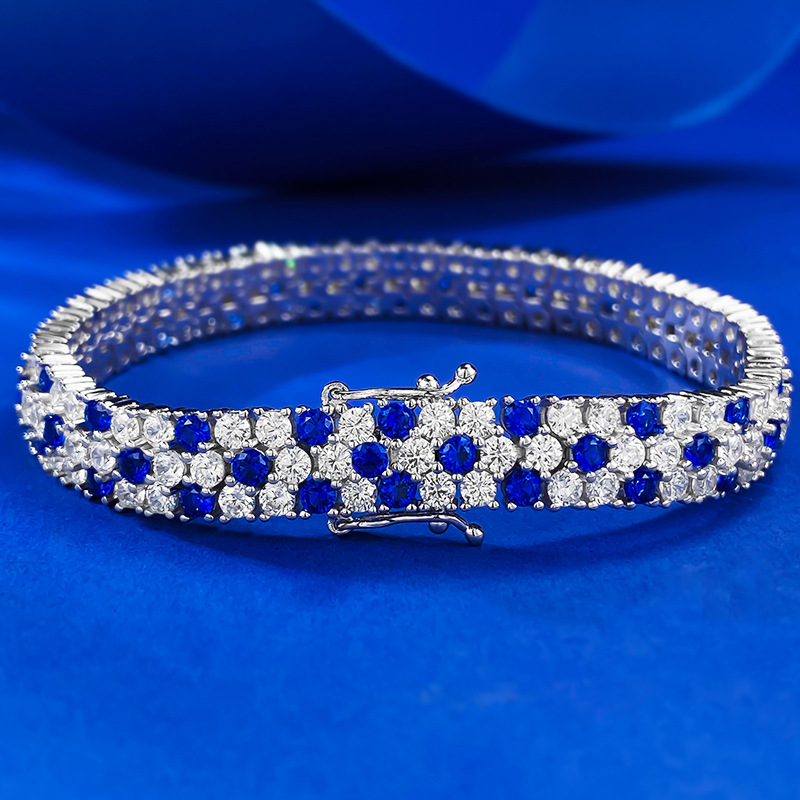
Diamond Jewelry Care Checklist for Safe Storage: Protect Diamonds and Keep Their Sparkle
A smart diamond jewelry care checklist for safe storage does more than keep pieces organized. It helps protect diamonds from scratches, loose settings, moisture, and wear that can build up quietly over time. Good jewelry storage also preserves shine, supports ring maintenance, and reduces avoidable repairs. If you want your favorite ring, earrings, or necklace to stay ready to wear, the right storage routine matters.
Diamonds are durable, but the settings around them are not invincible. A thoughtful diamond jewelry care checklist for safe storage gives every piece a better chance of staying beautiful, secure, and easy to enjoy for years.
Why Safe Storage Matters for Diamond Jewelry
The easiest damage to miss is the kind that happens while jewelry is sitting still. A ring tossed into a dish, a necklace left tangled in a drawer, or earrings stored loose in a pouch can suffer more than most people realize. Scratches form when hard surfaces rub together. Prongs can bend. Chains knot. And even if the diamond still looks bright, the setting can slowly weaken.
Safe Jewelry Storage also helps with hygiene and appearance. Skin oils, dust, lotion residue, and humidity can settle on metal and stone surfaces. Over time, that buildup dulls sparkle and can contribute to tarnish on metals like sterling silver. A good diamond jewelry care checklist for safe storage keeps those problems from starting.
This is part of long-term ring maintenance, not just short-term tidiness. Industry best practices from organizations such as GIA emphasize inspection, gentle cleaning, and proper storage as part of routine care. That approach makes sense for engagement rings, tennis bracelets, stud earrings, and pendant necklaces alike. When pieces are stored well, they are easier to clean, easier to inspect, and easier to keep secure.
Understanding What Can Harm Diamonds and Settings
Diamonds rank 10 on the Mohs hardness scale, which is why they resist scratching better than almost any other gemstone. But hardness is not the same as toughness. A diamond can still chip if it hits a hard surface at the wrong angle, especially near edges or pointed tips. Settings face even more risks because Gold, Platinum, and Silver are softer than diamond and can bend, wear, or tarnish.
Here are the main storage hazards to watch for:
- Abrasion: Diamonds and metal surfaces can scratch each other if stored together loosely.
- Dust and grit: Tiny particles act like sandpaper during handling and cleaning.
- Humidity: Moisture can encourage tarnish and affect certain settings or adhesives.
- Chemical residue: Lotion, perfume, hairspray, and household cleaners can leave films that dull shine.
- Pressure and impact: Piled jewelry can press on prongs, clasps, and links.
A piece can look fine from a distance and still need attention. A setting may show wear long before the center diamond appears affected. That is why jewelry storage should be paired with regular inspection. If a prong looks thin, a clasp feels loose, or a chain link bends easily, put the item aside for professional cleaning or repair before it goes back into long-term storage.
Build Your Diamond Jewelry Care Checklist for Safe Storage
The best diamond jewelry care checklist for safe storage starts before the jewelry goes into the box. Every piece deserves a quick reset so it stays protected until the next wear.
1) Remove jewelry before heavy activity
Take off rings, bracelets, and necklaces before workouts, gardening, cleaning, showering, or sleeping. That reduces the buildup of sweat, soap, and debris. It also lowers the chance of scratching or bending a setting before storage begins.
2) Inspect each piece under good light
Look closely at prongs, clasps, chain links, and stone seats. A 10x loupe is useful, but even bright window light can reveal loose stones or bent settings. If you notice movement in the diamond or damage around the mounting, stop and arrange professional cleaning or repair. Safe storage starts with stable jewelry.
3) Clean gently before storing
A basic cleaning removes residue that can harden over time. For most diamond jewelry, use lukewarm water, a drop of mild dish soap, and a soft brush with gentle bristles. Rinse carefully and dry fully with a lint-free cloth. This step keeps oils and grime from sitting in crevices while the piece is stored.
4) Dry completely
Never store diamond jewelry while it is damp. Moisture trapped in a clasp, under a stone, or inside a box liner can create problems later. Dry each piece fully, especially around prongs and hidden links. A soft, absorbent cloth works well, but air-drying for a few minutes before storage adds extra protection.
5) Separate every item
One of the most important parts of a diamond jewelry care checklist for safe storage is separation. Put each ring, bracelet, earring pair, and necklace in its own compartment, pouch, or slot. Pieces stored together can scratch one another, knot, or tangle.
6) Match the storage method to the piece
Not every item needs the same kind of home. Delicate chains need anti-tangle storage. Stud earrings need secure pair storage. Rings with elevated settings need cushioning around the mount so the stone does not press against a hard surface. The right jewelry box makes this easier.
7) Control the environment
Choose a cool, dry place away from direct sunlight and humidity. Bathrooms are usually poor storage locations because steam and moisture can increase tarnish risk. A bedroom drawer, closet shelf, or lined cabinet is usually a better choice.
8) Check stored jewelry regularly
Even the best storage plan needs follow-up. Every few months, inspect pieces for dust, discoloration, loose stones, or chain tangles. If you wear a favorite ring often, check it more frequently. This keeps small issues from becoming costly repairs.
9) Keep a record of valuable pieces
For fine diamond jewelry, note metal type, diamond shape, approximate carat weight, and any certificates or appraisals. Clear records help with insurance, resale, and future service. They also make it easier to identify which pieces need more careful storage.
10) Use the right cleaning and storage sequence
A practical routine looks like this:
- Remove the piece after wear.
- Wipe off visible oils or moisture.
- Clean gently if needed.
- Dry fully.
- Inspect settings and clasps.
- Place the item in separate storage.
- Store in a dry, stable location.
That sequence turns a simple habit into a reliable diamond jewelry care checklist for safe storage.
Quick storage checklist by piece type
| Jewelry Type | Best Storage Method | Key Risk to Avoid |
|---|---|---|
| Diamond ring | Lined compartment or ring slot | Scratches and prong impact |
| Diamond earrings | Secure pair pouch or earring tray | Loss and rubbing against metal |
| Diamond necklace | Flat tray or hanging storage | Tangling and chain kinks |
| Diamond bracelet | Soft compartment or padded roll | Pressure on links and clasps |
| Mixed-metal piece | Separate pouch with padding | Tarnish transfer and abrasion |
Choose the Right Jewelry Storage System
The right jewelry storage setup depends on how often you wear each piece, how valuable it is, and whether you need storage at home or while traveling. A jewelry box is the most common solution, but it is not the only one.
Jewelry box
A well-designed jewelry box is often the best all-around option. Look for soft lining, separate compartments, and enough structure to keep pieces from shifting. A quality jewelry box can protect diamonds from contact with other items while keeping everything easy to reach. For rings, choose slots or padded rows. For earrings, look for paired sections that prevent loss.
Soft pouches
Individual soft pouches work well for travel or for storing a single special piece. They reduce rubbing and are easy to tuck inside a safe or drawer. Use them for pieces that do not need to stay on display or in frequent rotation.
Lined trays and drawer inserts
Drawer inserts and lined trays help if you wear multiple pieces and want a clean, organized system. They make it easier to separate jewelry by category and keep a clear view of what you own. For many shoppers, this is one of the most practical forms of jewelry storage because it keeps pieces flat and accessible.
Compartmentalized travel cases
Travel cases should be compact, padded, and secure. Choose a case with closures that prevent the contents from sliding around in a bag. For travel, the goal is not just organization. It is protecting diamonds from movement, pressure, and tangling.
What to store where
- Rings: Padded slots or individual compartments
- Stud earrings: Small sealed compartments or paired pouches
- Drop earrings: Separate hanging-safe sections or soft-lined cells
- Necklaces: Flat trays, individual pouches, or hanging storage
- Bracelets: Wider compartments or rolls that stop shifting
If you want help choosing a piece that travels well or stores cleanly, browse our jewelry collection for styles that pair well with protective storage habits.
Cleaning and Maintenance Before Storage
Diamond cleaning before storage should be gentle and deliberate. The goal is to remove buildup without stressing the setting.
Safe cleaning methods
For many diamond pieces, mild soap and water are enough. Soak the jewelry briefly, then use a soft brush to remove residue around the stone and under the setting. Rinse well and dry with a lint-free cloth. This is a practical way to refresh sparkle before placing the piece into storage.
A polishing cloth can be helpful for the metal portions of rings, bracelets, and necklaces. It can lift fingerprints and restore shine, especially on gold and platinum. Use it lightly. A polishing cloth should not replace proper cleaning, and it should not be used aggressively on plated, matte, or specialty finishes.
When professional cleaning makes sense
Professional cleaning is a smart choice for pieces worn daily, especially engagement rings and anniversary rings. Jewelers can clean hard-to-reach areas, inspect settings, and spot wear that a home routine might miss. If a piece has visible buildup, a loose stone, or a complex mount, professional cleaning before storage offers peace of mind.
Ultrasonic cleaning: useful, but not for everything
Ultrasonic cleaning can be effective for some diamond jewelry, but it is not a universal solution. The vibration can dislodge grime, yet it can also expose weakness in loose settings, repaired pieces, or jewelry with mixed materials. Avoid ultrasonic cleaning if the item has fragile prongs, surface treatments, glued components, or stones beyond diamond.
Industry experts often recommend checking a setting before using ultrasonic cleaning, not after. If you are unsure, professional cleaning is the safer route. That is especially true for heirloom jewelry or rings with detailed galleries and vintage mounts.
A simple maintenance rhythm
- Wipe jewelry after wear.
- Clean lightly every few wears.
- Inspect at least monthly for daily-use pieces.
- Schedule professional cleaning every 6 to 12 months for frequently worn items.
That rhythm keeps buildup low and supports a better diamond jewelry care checklist for safe storage.
Common Storage Mistakes That Can Damage Jewelry
Even expensive jewelry can suffer from simple storage errors. These are the most common ones to avoid:
- Storing multiple pieces loose in one compartment
- Putting jewelry away while still wet
- Leaving chains unclasped, which encourages tangling
- Using harsh cleaners before storage
- Relying on ultrasonic cleaning for every piece
- Storing in humid spaces like bathrooms
- Ignoring early signs of tarnish or wear
- Skipping inspection after travel or frequent use
The biggest issue is usually contact. Jewelry that touches other jewelry can scratch, snag, or press on itself. A second common issue is moisture. If you store pieces damp, you invite tarnish and residue buildup. That is why tarnish prevention starts before the jewelry enters the box.
Another mistake is assuming a diamond is the only part that matters. The stone may remain brilliant, but the setting can still weaken. If a prong wears down or a clasp loosens, the piece becomes less secure. Routine inspection catches that early and helps protect diamonds more effectively.
FAQ: Diamond Jewelry Storage and Care
How should I store diamond jewelry safely?
Store each piece separately in a soft-lined jewelry box or individual pouch so diamonds and metal surfaces do not rub against each other. Keep items dry, clean, and compartmentalized to reduce scratches and tangling. A cool, low-humidity location is best for long-term jewelry storage.
What is the best jewelry box for diamond storage?
The best jewelry box for diamond storage has a soft lining, separate compartments, and secure closures that prevent movement. Look for ring slots, padded sections, and space for necklaces or bracelets to lie flat. A box that keeps pieces apart is better than a decorative box with open, shared space.
Can I use ultrasonic cleaning before storing diamond jewelry?
Ultrasonic cleaning can be appropriate for some diamond pieces, but it is not ideal for every setting. If a ring has loose stones, delicate prongs, vintage construction, or mixed materials, professional cleaning is safer before storage. When in doubt, inspect the piece first or ask a jeweler.
What is the best way to prevent tarnish in stored jewelry?
Tarnish prevention starts with dry storage, minimal exposure to air and moisture, and keeping pieces away from perfumes and cleaners. A lined jewelry box with separate compartments helps protect both diamonds and metal settings. Storing pieces clean and fully dry also reduces the chance of dullness.
Should I use a polishing cloth on diamond rings before putting them away?
A polishing cloth can be useful for removing fingerprints and restoring shine to the metal portion of a ring. Use it gently and only as directed for the specific material. For frequent wear, pair cloth care with occasional professional cleaning so the ring stays in better condition.
How often should I have my diamond jewelry professionally cleaned or inspected?
A professional cleaning and inspection every 6 to 12 months is a common recommendation for frequently worn pieces. This helps catch loose settings, buildup, or wear before they turn into larger problems. If a piece is worn daily or has a complex setting, more frequent checks can be worthwhile.
Final Takeaway: Protect Diamonds with Better Storage Habits
A strong diamond jewelry care checklist for safe storage is simple: clean gently, dry fully, inspect carefully, and store each piece separately in the right jewelry box or pouch. Those habits help protect diamonds, reduce scratches, and support long-term ring maintenance.
Good jewelry storage does more than keep a collection neat. It protects value, preserves shine, and lowers the chance of repair. If you want to keep your favorite pieces ready to wear, make storage part of your routine. For more care tips and jewelry options that pair well with thoughtful storage, read more on our blog or contact our jewelry experts for guidance.
Ready to Find Your Perfect Diamond?
Explore our collection of certified lab-grown diamonds
Shop Diamonds