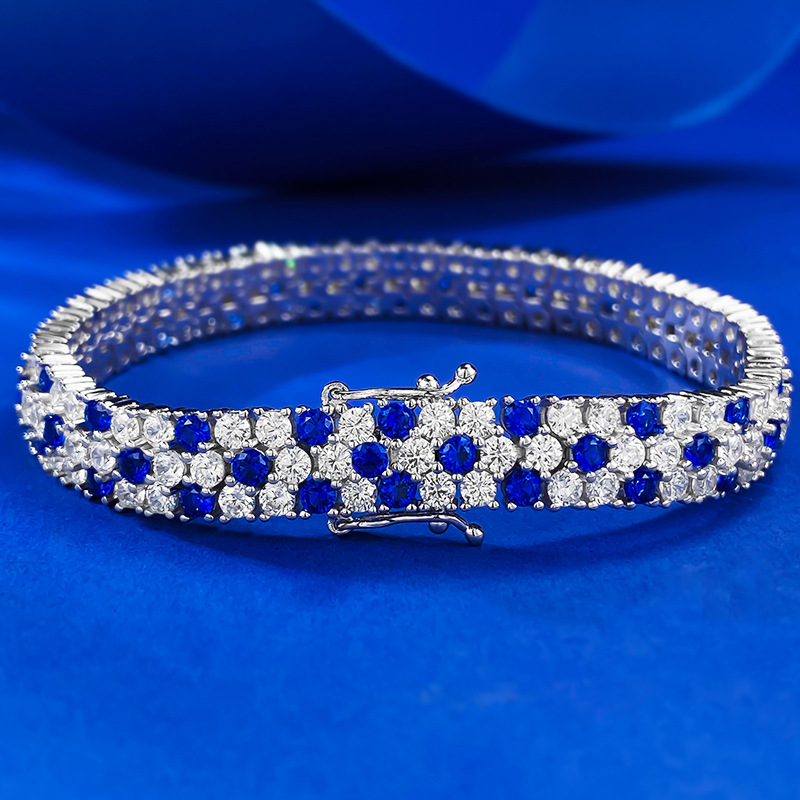
Diamond Jewelry Care Checklist for Safe Storage: Protect Diamonds and Keep Pieces Brilliant
A smart diamond jewelry care checklist for safe storage does more than keep pieces organized. It helps protect diamonds from scratches, limits loose settings, and preserves the shine that makes fine jewelry stand out. If you wear diamond rings, earrings, necklaces, or bracelets often, the way you store them matters just as much as how you clean them. Use this practical routine for jewelry storage, ring maintenance, and everyday protection so each piece stays ready to wear.
Why Safe Storage Matters for Diamond Jewelry
Diamonds rank 10 on the Mohs scale, so many shoppers assume they are nearly indestructible. They are very hard, but hardness is not the same as immunity. Diamonds can still chip at the edges, loose prongs can catch on fabric, and settings can bend under pressure. That is why a diamond jewelry care checklist for safe storage matters even for high-quality pieces.
Poor jewelry storage often creates small problems that build over time. A ring tossed into a drawer can rub against a bracelet clasp and pick up tiny marks. A necklace stored loose can tangle, strain its chain, or scratch other pieces. A pair of earrings stored together may bump against each other, dulling polished surfaces and stressing the post or backing.
The right habits also support long-term ring maintenance. When a ring stays in a safe place after each wear, you reduce the chance of bent prongs, buildup around the stone, and accidental loss. The same idea applies to tennis bracelets, pendant necklaces, and studs. Good storage helps you protect diamonds, keep metal surfaces cleaner, and avoid repair costs later.
Industry experts, including the Gemological Institute of America, consistently emphasize routine inspection and proper care for fine jewelry. That guidance lines up with a simple truth: storage is part of care. A diamond jewelry care checklist for safe storage is one of the easiest ways to preserve brilliance without adding much effort.
How Diamonds and Settings React to Storage Conditions
Storage conditions affect more than appearance. They influence friction, pressure, humidity, and contact between metals, gemstones, and skin residue. A diamond may look flawless in the tray, but if it sits against another hard surface, tiny abrasions can still happen to the setting or adjacent metal.
Friction is a major issue. Even though diamonds are hard, they can still scratch other diamonds and many metals. That means a loose ring stored beside a diamond pendant can leave marks on the band or the pendant bail. If a piece has pavé stones or delicate filigree, contact with another item can also weaken tiny metal details.
Pressure creates another risk. Heavy pieces stacked on top of each other can stress clasps, hinge points, and prongs. A thin chain pinched under a bracelet can kink. A ring sitting under a watch can warp slightly or snag on a sharp edge. These problems may start small, but they make regular ring maintenance more important.
Humidity matters too. Moisture can accelerate tarnish on sterling silver, white gold alloys, and mixed-metal jewelry. It can also encourage residue to cling to the surface, which makes diamond cleaning less effective later. That is why tarnish prevention should be part of your storage routine, especially if you live in a humid climate or keep jewelry in a bathroom.
Oils, lotions, perfume, and skin products also play a role. They leave a film on the stone and metal, which can reduce sparkle and attract dust. Standard gem care advice points to buildup around the setting as a common reason a diamond looks dull even when the stone itself is clean. That is why diamond cleaning before storage matters.
A polished diamond reflects light best when the table and pavilion are free from residue. A dirty ring might still be beautiful, but the brilliance will look muted. Combine safe storage with regular diamond cleaning, and you protect diamonds while keeping the stone’s fire and sparkle more consistent.
Step-by-Step Diamond Jewelry Care Checklist for Safe Storage
Use this diamond jewelry care checklist for safe storage as a repeatable routine after each wear. It takes only a few minutes, but it can prevent a lot of damage.
1. Inspect the piece before putting it away
Hold the jewelry under a bright light. Check for:
- Loose prongs
- Bent clasps
- Snagged chain links
- Cloudy buildup near the stone
- Missing accent stones
If anything looks off, stop and arrange professional cleaning or repair instead of forcing the piece back into rotation. A small issue today can become a lost stone tomorrow.
2. Wipe away oils and surface residue
Use a soft, lint-free polishing cloth to gently remove fingerprints, lotion, and everyday smudges. This is a safe first step for many pieces and helps reduce buildup before storage. A polishing cloth works well for routine care, but it is not a fix for deeper grime or damaged settings.
Use the cloth lightly. Do not scrub aggressively. Hard rubbing can wear down softer metals and push debris into crevices. For antique, enamel, pearl, or mixed-stone pieces, be even more cautious.
3. Clean only when the piece is suitable for home care
A quick diamond cleaning at home can help preserve sparkle, but the method should match the jewelry. Mild dish soap, lukewarm water, and a soft brush are often enough for many solid diamond pieces with durable settings. Rinse carefully and dry thoroughly before storage.
Skip DIY cleaning if the item includes:
- Emeralds, opals, pearls, or other delicate gemstones
- Loose prongs or visible damage
- Glue-set elements
- Vintage construction
- Unknown treatments or fragile finishes
In those cases, professional cleaning is the safer choice.
4. Let the jewelry dry completely
Never place damp jewelry into a closed container. Moisture can slow tarnish prevention and encourage residue buildup. Dry each piece with a clean cloth, then let it air-dry briefly before storing it.
5. Separate each item
This is one of the most important steps in any diamond jewelry care checklist for safe storage. Diamonds can scratch metal surfaces, and metal edges can chip or scuff other pieces. Keep each item in its own compartment, pouch, or lined slot.
If you have limited space, prioritize separation for:
- Rings with raised center stones
- Tennis bracelets
- Pendant necklaces
- Dangly earrings
- Pieces with pavé or halo settings
6. Secure the clasps and backs
Before storage, fasten necklace clasps and earring backs. This reduces tangling and helps protect delicate hardware. For long chains, thread the clasp through a soft loop or lay the chain fully extended in its section.
7. Place each piece in the right part of the jewelry box
A good jewelry box is lined, divided, and sized for the kinds of pieces you wear most. Rings belong in padded slots. Necklaces do better in hanging channels or individual long compartments. Bracelets need enough room not to bend or press against hard edges.
8. Store in a cool, dry place
Avoid bathrooms, sunny windowsills, or areas with major temperature swings. Heat and humidity can harm both metal and finish. A drawer, closet shelf, or dedicated dressing area usually works better.
9. Review your collection regularly
Set a monthly reminder to inspect your jewelry box. Check for dust, tangled chains, missing backs, and pieces that need cleaning or repair. This simple habit keeps jewelry storage organized and helps you catch issues early.
Storage Checklist by Jewelry Type
Different pieces need different care. Use the checklist below to match storage to the item.
| Piece Type | Best Storage Method | Extra Care Point |
|---|---|---|
| Rings | Padded ring slots or individual compartments | Keep prongs from rubbing other metal surfaces |
| Stud Earrings | Small lined section or earring card | Store backs with the pair so they do not get lost |
| Drop Earrings | Separate compartment or pouch | Prevent hooks from bending or tangling |
| Necklaces | Hanging section or flat individual slot | Fasten the clasp and keep chains straight |
| Bracelets | Soft-lined compartment | Avoid stacking with hard watches or bangles |
Rings
Rings need the most regular attention because they pick up daily wear. Place each ring in a padded slot or a separate compartment. If the ring has a large center stone, store it so the setting does not press into the lining or another piece. This supports ring maintenance and reduces prong stress.
Earrings
Studs, hoops, and drops should never be tossed together. Small earrings can disappear quickly in a crowded box, and hooks can bend if they snag. Keep each pair together, ideally on a holder or in a divided tray.
Necklaces
Necklaces are the most likely pieces to tangle. Lay them flat, use necklace hooks, or place them in narrow compartments. If the chain is delicate, add extra space so it does not kink. A dedicated jewelry box with separate necklace sections is often the best choice for daily wear pieces.
Bracelets
Bracelets need protection from pressure and scratches. Store them flat or in a softly lined slot. Tennis bracelets deserve extra care because the settings can catch on nearby items. If the bracelet has a clasp that opens easily, make sure it is secured before storing.
Choosing the Right Storage Method for Each Piece
A diamond jewelry care checklist for safe storage works best when the storage method fits the item. Not every container does the same job.
Travel cases
Travel cases are useful for short trips, but they are designed for portability first. Choose one with padding, a zipper, and separate sections. Never dump multiple pieces into a single pocket, especially if you are carrying engagement rings or fine necklaces.
Compartmentalized boxes
A compartmentalized jewelry box is the most practical choice for many collections. It keeps pieces separated, reduces friction, and makes it easy to see what you own. This is a strong option if you wear several items throughout the week and want a fast routine.
Soft pouches
Soft pouches can work for a single piece or for temporary storage, especially when traveling. They protect against dust and reduce surface scratches. They are not ideal for multiple items stored together, since pieces can still press against each other inside the same pouch.
Lined trays
Lined trays are helpful for larger collections, especially if you already use a dresser drawer or cabinet. They keep items visible and organized. Make sure the tray has enough separation to prevent tangling and metal-on-metal contact.
Which storage method works best?
| Storage Method | Best For | Watch Out For |
|---|---|---|
| Travel case | Trips and overnight stays | Limited space and piece-to-piece contact |
| Compartmentalized jewelry box | Daily wear collections | Overcrowding compartments |
| Soft pouch | One piece at a time | Tangling or rubbing if overfilled |
| Lined tray | Drawer organization | Dust exposure if not covered |
If you wear the same ring every day, a jewelry box with individual slots near your sink, vanity, or dresser can make routine storage easier. The simpler the routine, the more likely you are to keep up with it.
Protect Diamonds Through Cleaning and Maintenance Before Storage
Storage and cleaning work together. If you want to protect diamonds over the long term, start with a safe cleaning routine before each storage cycle.
A basic at-home diamond cleaning method usually includes:
- Filling a bowl with lukewarm water and a drop of mild dish soap
- Soaking the piece briefly if the setting is sturdy
- Brushing gently with a soft toothbrush
- Rinsing under clean water
- Drying with a lint-free cloth
That method suits many durable diamond pieces, but not all. Avoid soaking items with glued components, fragile gemstones, or unknown settings. If you have a piece with a high-value center stone or a complicated setting, professional cleaning is often the smarter option.
Ultrasonic cleaning can be effective for some diamond jewelry. It uses high-frequency sound waves to dislodge debris from small spaces, which can be useful for heavily worn settings. But ultrasonic cleaning is not safe for every item. It can loosen stones in worn prongs, damage treated gems, or stress antique construction. A jeweler should confirm whether the piece is appropriate before you use this method.
Professional cleaning also gives you the benefit of inspection. A trained jeweler can check prongs, clasps, hinges, and settings while cleaning the piece. That matters for engagement rings, anniversary gifts, and heirloom jewelry that you wear often. GIA-style care guidance supports inspection as part of regular maintenance, especially for important pieces.
For many shoppers, a simple rule works well: if the piece is sturdy, clean it gently at home; if it is delicate, valuable, or uncertain, choose professional cleaning.
Common Diamond Jewelry Storage Mistakes to Avoid
Even a strong diamond jewelry care checklist for safe storage can fail if you repeat a few common mistakes.
- Storing pieces loose together in one drawer
- Leaving jewelry in bathrooms or humid spaces
- Using paper towels or rough cloths that can scratch metal
- Applying harsh chemicals before storage
- Over-polishing delicate metals with abrasive cloths
- Storing damp jewelry in closed containers
- Ignoring bent clasps or loose stones
- Letting chains knot up for weeks at a time
These habits can create scratches, tarnish, and unnecessary repair costs. A bent clasp or loose prong should be handled right away, not after the next wear. The same goes for chain tangles that are hard to undo. The longer you wait, the more likely the piece will suffer.
One more mistake is assuming diamonds need no care because they are durable. The stone may be tough, but the mounting, clasp, and surrounding metal are often the weak points. That is where storage discipline pays off.
FAQ: Diamond Jewelry Storage and Care
How should I store diamond jewelry to prevent scratches?
Store each piece separately in a soft-lined compartment or pouch so diamonds and metal surfaces do not rub together. This helps protect stones, reduce scratching, and keep settings in better condition over time. A divided jewelry box is one of the easiest ways to keep pieces apart.
Can I use ultrasonic cleaning before putting diamond jewelry away?
Ultrasonic cleaning can be helpful for some diamond pieces, but it is not safe for every setting or gemstone combination. Check the jewelry construction first, and when in doubt, rely on professional cleaning and inspection. If prongs are worn or the piece includes fragile stones, skip ultrasonic cleaning.
What is the best jewelry box for diamond rings and necklaces?
The best jewelry box has separate compartments, soft lining, and enough structure to prevent tangling or impact. Rings benefit from padded slots, while necklaces need hanging space or divided sections to avoid knots. If you wear pieces daily, choose a box that makes quick storage easy.
How often should diamond jewelry be professionally cleaned?
Many pieces benefit from professional cleaning and inspection every 6 to 12 months, especially frequently worn rings. A jeweler can check for loose prongs, worn settings, and buildup that is hard to remove safely at home. If a piece gets heavy wear, schedule service more often.
Does diamond jewelry need special care if I wear it every day?
Yes, daily-wear pieces still need regular wiping, safe storage, and periodic inspection because oils, lotion, and normal friction can dull appearance or loosen settings. A consistent care routine helps maintain brilliance and security. Even an everyday ring deserves the same careful storage habits as special-occasion jewelry.
Final Checklist and Gentle Next Steps
Use this quick diamond jewelry care checklist for safe storage after every wear:
- Inspect for loose prongs, bent clasps, and buildup
- Wipe with a soft polishing cloth
- Clean gently only if the piece is suitable
- Dry completely before storing
- Separate each item in a lined compartment or pouch
- Keep jewelry in a cool, dry place
- Schedule professional cleaning and inspection regularly
A good routine helps protect diamonds, reduce damage, and keep each piece ready to wear. It also makes jewelry storage easier and more consistent, which is the real secret to long-term care. If you want to keep building a better care routine, explore our related guides and browse our jewelry collection for storage-friendly pieces and accessories that fit everyday wear.
Ready to Find Your Perfect Diamond?
Explore our collection of certified lab-grown diamonds
Shop Diamonds