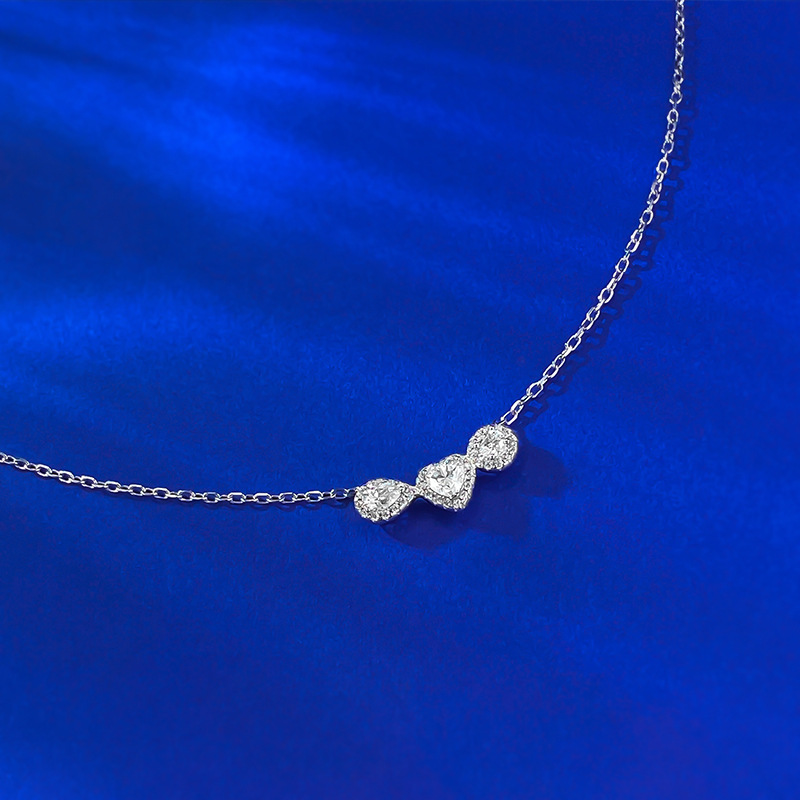
Diamond Jewelry Care Checklist for Safe Storage and Long-Term Protection
A diamond Jewelry Care Checklist for Safe storage gives you a simple way to protect diamonds, reduce wear, and keep every piece looking bright. Good jewelry storage is not just about tidiness. It helps preserve settings, reduce friction, and limit residue that can dull sparkle over time. If you want a routine that protects diamonds without turning care into a chore, the steps below keep the process practical and repeatable.
Why Safe Diamond Storage Matters
Daily wear exposes diamond jewelry to more than normal use. Rings pick up lotion, soap, hand sanitizer, dust, and skin oils. Necklaces and bracelets twist against clasps and other metal surfaces. Earrings often get tossed into a dish or left loose in a drawer. Over time, that routine can create micro-scratches, loosen prongs, and build a film that reduces brilliance.
A diamond jewelry care checklist for safe storage works because prevention is easier than repair. Diamonds are very hard, but the surrounding metal is not. Gold, Platinum, and Silver can all show wear from contact, especially along edges, prongs, and polished finishes. If pieces rub together in a crowded jewelry box, the result is often scratched metal, tangled chains, or stones knocked against one another.
Consistent jewelry storage pays off. Clean, dry, separated pieces stay brighter longer. Settings stay stable. The need for frequent professional cleaning drops because residue and dirt have less time to settle in. A well-built diamond jewelry care checklist for safe storage also protects the value of your jewelry. A one-carat diamond ring and a two-carat ring may differ sharply in price, so the cost of proper storage is small compared with the cost of avoidable damage.
Industry sources such as GIA and IGI consistently emphasize matching care to the piece itself. That means treating a pavé ring differently from a solitaire, and treating a vintage necklace differently from a simple tennis bracelet. The right jewelry storage habit is not complicated. It just has to be consistent.
How Diamonds, Metals, and Settings React to Storage Conditions
Diamonds sit at 10 on the Mohs hardness scale, but that does not make them indestructible. Hardness means resistance to scratching, not immunity to impact. A diamond can still chip at the girdle or along sharp edges if it hits a hard surface. The setting around it is usually more vulnerable than the stone itself. Prongs, clasps, and mounting details are softer and can bend, thin out, or loosen with repeated contact.
That is why diamond jewelry care checklist for safe storage advice starts with the materials. A polished platinum ring and a yellow gold band can both develop surface wear. Silver is more prone to tarnish. Mixed-metal pieces may age differently depending on the environment and the coating or finish used on the piece. Friction is one of the biggest risks in jewelry storage because even small particles of dust can act like grit between two surfaces.
Moisture matters too. A damp piece stored in a closed jewelry box can trap residue and encourage tarnish on certain metals. Heat and humidity can make the problem worse, especially in bathrooms or rooms with frequent temperature swings. Chemical exposure is another issue. Perfume, hairspray, cleaning sprays, and leftover lotion can leave a film that slowly dulls the surface. Over time, that film can settle into grooves, under prongs, and around pavé settings.
GIA, IGI, and experienced bench jewelers all recommend dry, separate, padded Storage for Fine jewelry. That standard lines up with common sense. If the piece can move, rub, or trap moisture, the risk goes up. If the piece is clean, dry, and secure, the risk goes down. A strong diamond jewelry care checklist for safe storage follows that logic from the start.
There is also a ring maintenance angle here. Rings take the most impact because they touch countertops, tools, gym equipment, steering wheels, and other hard surfaces all day long. If you store a ring with a bent prong or a loose stone, the problem usually gets worse during handling. Safe storage is part of ring maintenance, not separate from it.
Core Diamond Jewelry Care Checklist for Safe Storage
Use this diamond jewelry care checklist for safe storage before every piece goes into a jewelry box. The goal is simple: remove residue, confirm the piece is dry and secure, and store it in a way that prevents scratching or tangling.
-
Clean the piece gently.
- Use a soft brush, mild soap, and lukewarm water for many diamond pieces.
- Dry with a lint-free cloth or a clean polishing cloth.
- If the item has a delicate setting or mixed gemstones, choose a safer method and skip anything aggressive.
-
Remove surface buildup.
- Body oils, lotion, and makeup residue can blur brilliance.
- If the piece only needs a light refresh, wipe it with a polishing cloth before storage.
- For more noticeable buildup, use careful diamond cleaning that matches the metal and setting.
-
Dry every piece fully.
- Water trapped near prongs, clasps, or hinges can cause trouble later.
- Let pieces air-dry on a clean surface before they go into a box or pouch.
- Never close up damp jewelry storage.
-
Inspect the setting.
- Check prongs, bezels, clasps, jump rings, and earring backs.
- If anything looks bent, thin, or loose, set the piece aside for repair.
- A secure piece belongs in storage. A compromised piece needs a jeweler first.
-
Separate by type.
- Keep rings apart from earrings, necklaces, and bracelets.
- Use separate compartments, pouches, or trays.
- This step reduces scratches and tangling and makes safe access easier later.
-
Store based on use.
- Pieces worn often should stay easy to reach but still separated.
- Heirlooms or high-value items deserve the most protected spot in your jewelry box.
- If a piece is special enough to insure, it is special enough to store properly.
-
Recheck before closing the box.
- Make sure chains are unclasped and laid flat.
- Make sure earrings are paired together.
- Make sure rings are not touching one another.
This diamond jewelry care checklist for safe storage is practical because it works in real life. You do not need special equipment for most pieces. You need consistency, a soft cloth, and a storage method that fits the collection.
Clean Before You Store
Clean jewelry before it goes away. A ring covered in lotion or a necklace coated with daily residue is less likely to shine, and that residue can harden in small crevices. Use only safe cleaning methods for the metal and stone type. A soft brush can help remove debris around settings, but avoid abrasive scrubbers and harsh chemicals.
A clean piece is easier to inspect. It also stays closer to its original brilliance while stored. If your diamond jewelry care checklist for safe storage starts with clean pieces, the rest of the routine becomes much more effective.
Dry, Inspect, and Secure
Make sure every piece is fully dry before it goes into jewelry storage. Moisture is one of the simplest ways to invite tarnish and trapped residue. While the piece is drying, inspect prongs, clasps, and settings. A loose stone can shift during handling, and a worn clasp can fail when you remove the piece from storage later.
If the setting looks weak, do not force the piece back into regular use. Put it aside for a jeweler. A secure piece is easier to protect, and a damaged one is safer out of circulation until it is repaired.
Match the Storage Method to the Jewelry Type
Different pieces need different storage habits. Rings are best kept in individual slots or padded compartments. Necklaces do better when they are laid flat or kept in a way that prevents knots. Earrings often work best in pairs inside small dividers or dedicated earring cards. Bracelets need room to avoid pressure on clasps and delicate links.
Heirloom pieces and high-value items deserve extra care. If a piece has a vintage setting, a fragile halo, or pavé stones, the safest choice is usually an individual compartment or a soft pouch. A jeweler or gemologist can confirm whether the design has any weak points before long-term storage.
Best Jewelry Storage Methods to Protect Diamonds
The best jewelry storage method depends on the piece, how often you wear it, and how much movement the storage container allows. A soft-lined jewelry box is the most versatile choice for home use, but travel cases, pouches, and anti-tarnish systems each solve different problems.
| Storage Method | Best For | Strengths | Watch-Outs |
|---|---|---|---|
| Lined jewelry box | Daily home storage | Keeps pieces separated, accessible, and protected from dust | Weak if pieces are packed too tightly |
| Travel case | Trips and overnight stays | Compact, secure, and easy to carry | Usually smaller, so overpacking becomes a risk |
| Soft pouch | Singles or delicate items | Reduces abrasion and helps protect diamonds during short-term storage | Not ideal if multiple pieces are tossed together |
| Anti-tarnish storage | Silver and mixed-metal pieces | Helps with tarnish prevention and metal preservation | Still needs dry, separate placement |
A diamond jewelry care checklist for safe storage should always account for movement. The more a piece can shift, the more likely it is to scratch or tangle. That matters especially for chains, drop earrings, and pieces with polished finishes.
For gold and platinum, the main goal is preventing surface wear and keeping settings secure. For silver, tarnish prevention becomes more important. For mixed-metal or mixed-gemstone pieces, the safest storage is often the most conservative one: separate, padded, and dry. Humidity control helps all of them. A small desiccant pack or anti-tarnish insert can be useful in the right setup, especially if your home tends to be humid.
A good jewelry storage setup also supports the value side of ownership. Fine jewelry often carries both emotional and financial value. A diamond piece with a larger carat weight or a specialty setting deserves a storage system that protects both the stone and the metal. The right box can reduce wear over time and keep the item ready to wear, sell, or pass down later.
Choosing the Right Jewelry Box
Look for a jewelry box with a soft lining, secure closure, and separate slots or trays. The box should feel structured enough that pieces do not tumble around when it moves. A lid that closes firmly matters, but so does the inside layout.
For everyday use, think about access. You want a box that is easy to open and use without creating clutter. For travel, choose a case with tighter compartments and secure closure points. A quality jewelry box extends the life of both settings and stones because it reduces friction, dust exposure, and accidental impact.
Organizing Pieces for Safe Access
Good organization is part of safe storage. Group items by frequency of use, but do not let those pieces rub together. If you wear one ring daily and another only on occasion, keep them in separate sections. Keep chains unclasped and laid flat if the case allows it. That small step prevents knots that can strain links and clasps.
Labelled sections or soft separators make retrieval safer and faster. They also make it easier to keep a diamond jewelry care checklist for safe storage routine consistent, because you do not have to dig through a pile of loose items each time you want one piece.
Storage for Special Materials and Settings
Pavé, halo, vintage, and very delicate settings need a gentler approach. Tiny stones can loosen more easily in settings with many small prongs, and vintage mounts may show wear that is not obvious at first glance. Mixed gemstone pieces also deserve caution because the safest cleaning method for a diamond may not be the safest method for the other stones in the design.
If a design has fragile filigree, thin prongs, or a history of repair, ask a jeweler to review it before long-term storage. That extra step is practical, not overcautious. A short inspection can prevent avoidable damage later and helps the diamond jewelry care checklist for safe storage work the way it should.
Maintenance Habits That Keep Jewelry in Good Condition
A diamond jewelry care checklist for safe storage does not stop at the jewelry box. Long-term condition depends on maintenance habits too. That means routine inspections, careful cleaning, and a realistic understanding of when a piece needs professional help.
Ring maintenance should happen on a schedule, not only when something looks obviously wrong. Check prongs, clasps, and mounts for wear. Look for stones that seem raised, shifted, or uneven. If a ring spins more than it should or feels looser than it used to, the fit or the setting may need attention. If you need help with sizing or a better fit, learn about ring sizing before the problem turns into extra wear.
Ultrasonic cleaning can be useful for some diamond jewelry, but it is not a universal answer. A simple home routine is usually enough for regular maintenance, while a stronger method should be reserved for pieces that can handle it safely. Professional cleaning is valuable because jewelers can remove buildup from hard-to-reach areas and spot structural issues before they get worse.
The most useful habits are still the simplest ones:
- Remove jewelry before workouts, gardening, heavy lifting, or cleaning.
- Put pieces on after lotions, perfumes, and hairspray are fully dry.
- Store each item separately instead of leaving it in a dish.
- Wipe pieces with a polishing cloth after wear if they need a light refresh.
- Schedule inspections before a loose prong becomes a lost stone.
That last point matters. The cost of fixing worn prongs, replaced stones, or bent clasps is usually much higher than the cost of a better storage habit. A diamond jewelry care checklist for safe storage reduces the chance of those repairs in the first place.
If a ring is a daily piece, think of care as a cycle: wear, clean, inspect, and store. Repeat it. That rhythm keeps the piece ready for the next use and reduces buildup between cleanings.
When Ultrasonic Cleaning Is Appropriate
Not every diamond piece should go into an ultrasonic cleaner. Some diamond rings can handle it, especially simple settings with stable mounts, but delicate pavé, vintage, treated, or mixed-gemstone pieces may not be suitable. If the item has fractured stones, glued components, enamel, or very thin prongs, ultrasonic cleaning can create more risk than benefit.
Ask a jeweler before using stronger cleaning methods. GIA and experienced bench jewelers generally advise matching cleaning to the design, not assuming every diamond piece can take the same treatment. If you are unsure, professional cleaning is the safer route.
Building a Maintenance Schedule
A simple schedule works better than a vague plan. For frequently worn pieces, follow a monthly home care routine and a professional checkup once or twice a year. If a ring gets heavy daily wear, inspections may need to happen more often.
A workable schedule looks like this:
- After every wear: wipe the piece and return it to separate storage.
- Once a week: do a quick visual check for buildup or damage.
- Once a month: perform gentle diamond cleaning and inspect settings closely.
- Every 6 to 12 months: schedule professional cleaning and inspection.
That schedule ties directly to the diamond jewelry care checklist for safe storage. Storage protects the piece between wears. Maintenance keeps the piece safe to store.
For more practical care guidance, read more on our blog and compare care habits for different jewelry types.
Common Mistakes to Avoid When Storing Diamond Jewelry
Even the best diamond jewelry care checklist for safe storage fails if the storage environment is wrong. The most common errors are easy to avoid once you know what to watch for.
- Tossing multiple pieces into one open dish.
- Storing jewelry while it is still wet.
- Using harsh cleaners on unknown metals or mixed gemstones.
- Leaving pieces in the bathroom, where heat and humidity are higher.
- Letting chains knot together or rub against clasps.
- Assuming diamonds do not need care because they are hard.
- Ignoring a loose prong, bent clasp, or damaged mount.
Bathrooms are a poor choice for long-term jewelry storage because humidity and temperature changes can affect metal finishes and encourage tarnish on vulnerable pieces. Open dishes are also risky because they do not protect against dust, friction, or accidental knocks. A countertop catch-all might seem convenient, but it usually leads to scratches and tangles.
Another misconception is that diamonds are indestructible. They are not. They can chip. Settings can bend. Clasps can fail. Even when the stone itself stays secure, residue from everyday wear can dull the look of the piece over time. That is why diamond cleaning and storage should always work together.
Poor storage can create repair costs that are easy to avoid. A worn prong can turn into a lost stone. A tangled chain can break. A silver bracelet left in humid storage can tarnish faster than necessary. Safe storage is cheaper than repair, and it helps preserve the look you paid for.
Frequently Asked Questions
How should I store diamond rings so they do not get scratched?
Store each ring separately in a lined compartment or soft pouch so the stones and metal do not rub against other pieces. Make sure the ring is clean and completely dry before placing it away, and check the setting regularly for loose prongs. A diamond jewelry care checklist for safe storage is especially useful for rings because they take the most daily impact. If a ring is worn often, use a storage spot that is easy to reach but still protected.
Is it safe to use ultrasonic cleaning before storing diamond jewelry?
Ultrasonic cleaning can be appropriate for some diamond jewelry, but it is not safe for every setting or mixed gemstone piece. Delicate pavé, vintage designs, and pieces with treated or glued stones deserve extra caution. Ask a jeweler before using stronger cleaning methods, especially if the piece has hidden wear. A safe cleaning choice makes jewelry storage more effective because it removes buildup without adding risk.
What is the best jewelry box for safe diamond storage?
The best jewelry box has a soft lining, separate compartments, secure closures, and enough structure to keep pieces from shifting. For home use, choose a box that can handle rings, earrings, necklaces, and bracelets without forcing them to touch. For long-term storage, anti-tarnish materials and moisture control are helpful. A quality jewelry box turns a basic diamond jewelry care checklist for safe storage into a routine you can actually keep.
How often should diamond jewelry be professionally cleaned or inspected?
Most frequently worn pieces benefit from professional cleaning and inspection at least once or twice a year. If a ring is worn every day, or if the setting is intricate, more frequent checks can be worthwhile. Professional cleaning removes buildup that home care may leave behind, and inspection helps catch loose prongs or worn clasps early. That combination protects both appearance and structure.
Can I store diamond jewelry in the bathroom?
It is better to avoid bathroom storage because heat and humidity can affect metal finishes and increase tarnish risk for some pieces. Bathrooms also tend to encourage casual storage, which means open dishes and crowded counters. A dry, cool location with organized compartments is a safer choice. For a durable routine, keep to a diamond jewelry care checklist for safe storage and use a proper jewelry box instead of an exposed surface.
Summary and Next Step
A reliable diamond jewelry care checklist for safe storage is built on a few simple habits: clean each piece before storage, dry it fully, inspect the setting, and place it in a separate compartment or soft pouch. The right jewelry storage setup protects diamonds from scratches, limits friction, and slows the buildup that can dull brilliance. It also supports ring maintenance by catching loose prongs, worn clasps, and early signs of wear before they become expensive repairs.
If you wear fine jewelry often, think beyond the box itself. Use regular diamond cleaning, choose storage that matches the piece, and schedule professional cleaning when needed. A good jewelry box, a polishing cloth, and a routine inspection can protect both everyday favorites and high-value pieces.
If you are building out your care routine, browse our jewelry collection for pieces that deserve the right level of protection, or reach out to contact our jewelry experts for guidance on safe storage, care, and maintenance. A little attention now helps protect diamonds, preserve sparkle, and keep each piece ready to wear for years.
Ready to Find Your Perfect Diamond?
Explore our collection of certified lab-grown diamonds
Shop Diamonds