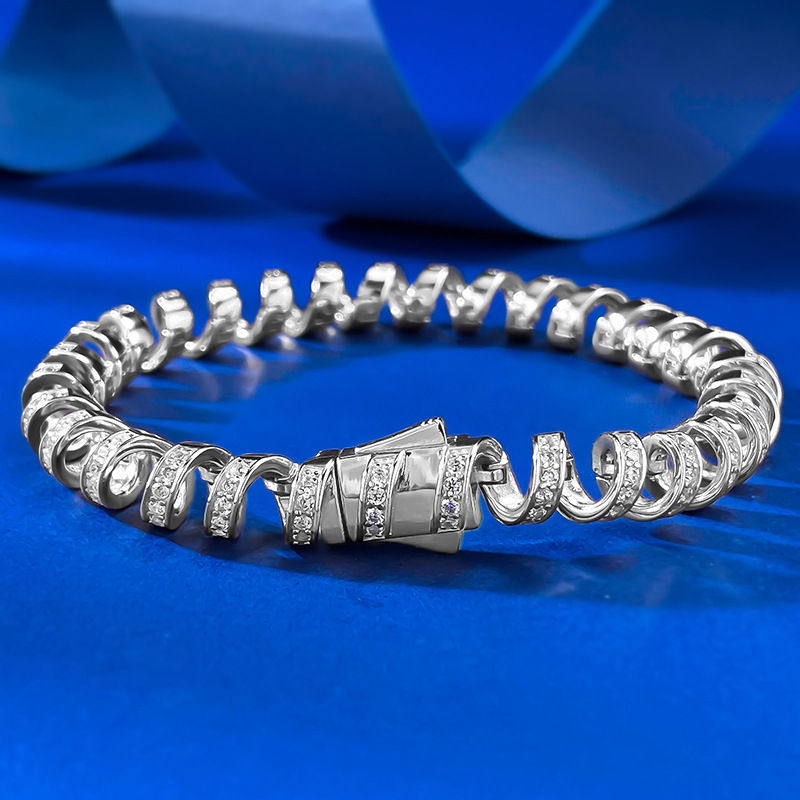
Diamond Jewelry Care Checklist for Safe Storage and Everyday Care
A diamond jewelry care checklist for safe storage keeps your pieces away from scratches, loose settings, and moisture. Diamonds are hard, but the metal around them is not. Most avoidable damage starts in the jewelry box, not on the hand or neck.
When a ring lands in an open dish, it can knock against another band. When a necklace sits loose in a drawer, the chain can kink. When earrings go into a damp bathroom tray, residue and tarnish build fast. A few simple habits can protect diamonds for years.
Use this diamond jewelry care checklist for safe storage as a daily habit, a travel habit, and a long-term storage habit. It works because it keeps each piece clean, dry, separated, and easy to inspect.
Why This Diamond Jewelry Care Checklist for Safe Storage Matters
A diamond can be extremely durable and still get damaged in ordinary use. GIA explains the Mohs scale as a 1-to-10 hardness scale, and diamond sits at 10. Sapphire and ruby sit at 9, quartz at 7, and many metals fall much lower. That gap matters when pieces touch each other inside a crowded jewelry box.
A hard stone is not the same thing as a safe setting. A diamond can chip at a thin edge. A prong can bend after repeated wear. A chain can twist, and a clasp can loosen. That is why the diamond jewelry care checklist for safe storage has to cover the whole piece, not just the stone.
Customers often bring in rings that looked fine until a prong started lifting or a chain started snagging. The problem usually was not one dramatic event. It was a slow mix of friction, moisture, and missed inspections.
The simplest protection is also the most effective: separate each piece, keep it dry, and check it often. That routine protects diamonds and helps metal finishes last longer.
Build the Right Jewelry Storage Setup
A good storage setup gives every piece its own place. Soft lining, clear compartments, and a closed box do more than keep things neat. They reduce friction, limit dust, and make inspection easier. If you want a small but strong upgrade, start with a lined jewelry box instead of an open dish.
Use the diamond jewelry care checklist for safe storage to decide where each item belongs. Rings need slots. Chains need space. Earrings need pairs that stay together. Bracelets need a flat section that does not force them to bend.
What to Look for in a Jewelry Box
Look for a jewelry box with these features:
- Soft velvet, microsuede, or other smooth lining
- Separate ring rolls or ring slots
- Long compartments for bracelets and tennis bracelets
- Necklace hooks or channels that reduce tangles
- Covered sections for small pieces and earrings
- A secure lid or closure for travel and drawer storage
- Enough space so pieces do not press against each other
A hard plastic divider can scratch polished metal. Unfinished wood can be rough on fine jewelry. A soft, structured box is the safer choice for daily wear pieces and long-term storage.
Store by Piece Type
Use this quick guide inside your diamond jewelry care checklist for safe storage:
| Jewelry Type | Best Storage Method | Extra Care Note |
|---|---|---|
| Engagement rings | Individual ring slot or soft pouch | Keep the center stone from touching other jewelry |
| Wedding bands | Separate ring slot | Store away from prong-set rings |
| Diamond earrings | Earring section with backs attached | Keep pairs together |
| Necklaces | Hooks, channels, or individual pouches | Let chains hang freely when possible |
| Pendants | Flat lined compartment | Keep the face from rubbing against chains |
| Bracelets | Long compartment, laid flat | Close the clasp before storage |
| Tennis bracelets | Padded long slot or original box | Avoid sharp bends and tight stacking |
Each piece has a weak point, and the storage method should protect that weak point. A strong diamond jewelry care checklist for safe storage keeps rings, earrings, chains, and bracelets from creating avoidable wear.
If you are building a collection or replacing a worn setting, you can also browse our diamond collection or fine jewelry selection to compare styles that are easier to maintain.
Diamond Jewelry Care Checklist for Safe Storage by Piece Type
Not every piece needs the same handling. A solitaire ring, a pavé band, and a tennis bracelet all face different risks. A smart diamond jewelry care checklist for safe storage matches the box to the shape.
Rings
Rings should live in ring slots or soft pouches with enough separation to keep the stone from touching other metal. Prong-set rings need extra room because the head sits higher and can catch on neighboring pieces. If a ring feels loose on your finger, it can also shift more at home and bump into hard surfaces more often.
Earrings
Diamond Studs Should stay paired with backs attached. That keeps the post protected and makes it easier to notice if one back is missing. Drop earrings and hoops should sit in a covered section so they do not rub against chains or bracelets.
Necklaces and Pendants
Necklaces need the most help with tangling. Hooks work well if the chain can hang freely, while soft pouches work better for travel or drawer storage. Pendants should not press flat against a hard surface, because that can mark polished metal and stress the bail.
Bracelets
Bracelets should lie flat inside a long compartment. Close the clasp first so the piece stays together, but do not pull the chain tight. A tennis bracelet should never be folded sharply. That puts stress on links and can wear out the clasp.
The Daily Diamond Jewelry Care Checklist for Safe Storage
A daily diamond jewelry care checklist for safe storage works best when it takes less than a minute. Remove jewelry before high-risk tasks, wipe it gently, inspect the obvious weak points, and put each piece back where it belongs.
Use this daily routine:
- Remove diamond jewelry before sleep, exercise, showering, swimming, gardening, cleaning, or lifting heavy objects.
- Put on lotion, sunscreen, perfume, and hairspray before you wear your jewelry.
- Check for moisture, soap film, lotion, or dust before storage.
- Wipe the piece with a lint-free cloth or a soft polishing cloth made for that metal.
- Look at prongs, clasps, posts, backs, and chain links under good light.
- Store each item in its own slot, pouch, tray, or ring roll.
- Close the jewelry box or drawer so dust and accidental impact stay out.
These steps may feel small, but they keep buildup from hardening around the setting. Diamond attracts grease, so a thin film can make a stone look dull fast. A quick wipe helps protect diamonds and keeps them bright between deeper cleanings.
A few habits deserve extra attention. Sleeping in a ring can let the setting catch on sheets. Showering in earrings leaves soap film behind quickly. Those shortcuts raise the odds of snagging, loosening, and dulling.
Before You Put Jewelry Away
Before storage, take ten seconds and look for residue around the stone, under the setting, and near the clasp. If the piece feels damp, dry it fully before it goes back into a closed box. Moisture trapped in a pouch or drawer can slow tarnish prevention efforts and leave a dull film behind.
Check the parts that keep the jewelry wearable. Are prongs even? Does the clasp close cleanly? Do earring backs feel tight? Does the chain show a kink or twist? If something looks off, store the item separately and take it to a jeweler before the problem grows.
Where Not to Store It
Do not store diamond jewelry in bathrooms, windowsills, kitchen counters, gym bags, loose purse pockets, or car consoles. Those spots expose jewelry to humidity, heat, pressure, chemicals, and loss.
Bathrooms are especially rough on jewelry storage because steam lingers. Kitchen counters put pieces near sinks, oils, and cleaners. Travel bags and purses create friction. A diamond jewelry care checklist for safe storage should always point back to a lined, dry, secure place.
Clean Before Long-Term Storage
Diamond cleaning before storage helps stop grime from hardening around the setting. Oil, lotion, makeup, sunscreen, and dust collect in the small spaces under a stone. If that buildup sits for months, it can hide a loose prong or make the piece harder to clean later.
For many gold or platinum pieces, at-home cleaning is enough. Use warm water, mild dish soap, a soft brush, and careful drying. Skip bleach, chlorine, toothpaste, baking soda scrubs, and harsh household cleaners. Those products can dull finishes and damage certain components.
At-Home Diamond Cleaning Basics
Use this simple method for many diamond pieces:
- Fill a small bowl with warm water and a few drops of mild dish soap.
- Soak the jewelry for 15 to 20 minutes.
- Brush gently with a soft toothbrush, especially behind the stone and around the setting.
- Rinse in a bowl of clean water or over a closed drain with a strainer.
- Dry completely with a lint-free cloth.
- Let the piece air-dry fully before it goes into the jewelry box.
That 15 to 20 minute soak is enough for many everyday pieces. It is not enough for every design, though. If the jewelry includes pearls, opals, emeralds, enamel, glued parts, or treated stones, ask a jeweler first.
Professional Cleaning and Ring Maintenance
Professional cleaning is useful because it reaches tight spots and gives a jeweler a chance to inspect the structure. Most jewelers recommend a check every 6 to 12 months for frequently worn rings. That interval works well for engagement rings and wedding bands that hit hard surfaces all day.
Ring maintenance should cover prongs, bezels, shanks, clasps, posts, and bracelet links. A jeweler can spot a worn prong before it opens up, or a thin band before it splits. If you are planning a new ring, explore engagement ring settings with maintenance in mind. If the fit has changed, use our ring size guide before the ring starts to move too much.
Moisture Control and Tarnish Prevention
Moisture control matters most for sterling silver, silver accents, and mixed-metal jewelry. Sterling silver tarnishes faster in humid rooms, and even gold pieces can pick up residue or lose shine when they sit in damp storage. Keep jewelry away from bathrooms, damp closets, and windows that collect condensation.
Silica gel packets can help in humid climates. Anti-tarnish strips help with silver and silver-accented pieces. Use them in the drawer or box, not against the jewelry itself. Replace them on schedule so they keep working.
A simple storage habit protects diamonds and the metal around them. Put jewelry on after lotion, perfume, and hairspray have dried. Take it off before cleaning, swimming, or handling chemicals. That one change prevents a lot of dull buildup.
Direct sunlight is less of a risk for untreated diamonds than for many colored stones, but heat still affects storage materials and some mixed designs. A closed, lined box does a better job than an open tray on a sunny shelf.
If you want to build a collection around easier care, start with pieces that match your routine. You can build your own ring or compare styles that fit daily wear better.
Common Storage Mistakes That Can Damage Diamond Jewelry
Even careful owners make the same mistakes again and again. The fix is usually simple, and it starts with the diamond jewelry care checklist for safe storage.
| Mistake | Why It Causes Problems | Better Habit |
|---|---|---|
| Tossing several diamond pieces into one compartment | Diamonds can scratch metal, gemstones, and each other | Use individual slots, pouches, or dividers |
| Storing jewelry while wet | Moisture can encourage tarnish and residue buildup | Dry fully before closing the box |
| Leaving rings near sinks | Rings can slip, chip, or go down the drain | Use a bedroom ring holder or ring slot |
| Packing jewelry loose for travel | Pressure and movement can bend settings or tangle chains | Use a padded travel case with sections |
| Using abrasive cleaners | Harsh products can damage metals and finishes | Use mild soap, warm water, and soft tools |
| Relying on ultrasonic cleaning without inspection | Vibration can loosen stones in weak settings | Ask a jeweler before ultrasonic cleaning |
| Storing valuables in checked luggage | Theft, loss, and impact risks increase | Keep jewelry in carry-on storage |
Travel deserves special care. Keep diamond jewelry with you, not in checked luggage. A small, padded case is far safer than a loose pouch. For higher-value pieces, review insurance before you leave home.
Another mistake is treating every piece the same. A pavé ring has many small stones and tiny beads of metal. A tennis bracelet has multiple links and a clasp that can wear out. A pendant can rub against its chain. The storage should match the design.
A Weekly, Monthly, and Annual Care Schedule
A diamond jewelry care checklist for safe storage becomes easier when the work is spread out. You do not need to check every prong every night. You do need a rhythm that makes problems visible.
Daily
- Remove jewelry before sleep, showers, workouts, swimming, cleaning, and lotion.
- Wipe diamonds and metal with a lint-free cloth.
- Return each piece to its assigned storage spot.
Weekly
- Check rings, earrings, bracelets, and necklaces under good light.
- Look for loose stones, raised prongs, bent posts, weak clasps, and tangled chains.
- Clear dust or debris from trays and compartments.
Monthly
- Clean frequently worn pieces at home if the design is suitable.
- Replace pouches that hold product residue.
- Check anti-tarnish strips and silica packets in humid storage areas.
Every 6 to 12 Months
- Schedule professional cleaning and inspection for engagement rings, wedding bands, tennis bracelets, and daily-wear diamond jewelry.
- Update appraisal, warranty, and insurance records.
- Ask about ring maintenance if the band feels thin or the stone moves.
That 6 to 12 month window is a practical benchmark for daily-wear pieces. It gives a jeweler time to catch wear before it turns into loss. It also keeps the diamond jewelry care checklist for safe storage tied to real upkeep, not just good intentions.
Keep the Routine Simple
The best diamond jewelry care checklist for safe storage is the one you will actually use. Clean gently. Dry fully. Separate each piece. Use a soft-lined jewelry box. Check the setting now and then. Those habits protect diamonds, slow down wear, and keep the metal looking better for longer.
Safe storage is not about doing more. It is about doing the right few things every time. Separation keeps stones from scratching each other. Dry storage supports tarnish prevention. Inspection catches worn prongs before they fail.
If your jewelry sits in a drawer, gets packed for travel, or comes off every night, this routine matters even more. A few minutes of care can save a repair later. If you are choosing a new piece, start with a setting and storage plan that fits your life.
FAQ
What is the best way to store diamond jewelry at home so it stays safe?
The best way to store diamond jewelry is in a soft-lined jewelry box with separate compartments for each piece. That setup helps protect diamonds from rubbing against other stones and metal. Keep the box in a dry place away from bathrooms, windows, and cleaning products. If you own higher-value pieces, keep appraisal and insurance records in a separate safe place.
Can I store diamond rings together in one jewelry box compartment?
It is better not to. Even though diamonds are hard, they can scratch metal and catch on prongs when rings press together. A diamond jewelry care checklist for safe storage should always separate rings into individual slots or soft pouches. If you travel often, use a padded case with dividers so the rings stay still.
Should I clean diamond jewelry before putting it into storage?
Yes, diamond cleaning before storage helps remove oil, lotion, soap film, and dust. A quick soak in warm water with mild dish soap works for many gold and platinum pieces, followed by gentle drying. Let the jewelry dry completely before you close the jewelry box. If the piece has delicate stones or a worn setting, ask a jeweler first.
Is ultrasonic cleaning safe for all diamond jewelry pieces?
No, ultrasonic cleaning is not safe for every piece. It can loosen stones in worn settings and can damage jewelry with pearls, opals, emeralds, enamel, glued parts, or treated stones. If a ring or bracelet already has a weak prong, the vibration may make the problem worse. A jeweler should inspect the piece before you use an ultrasonic cleaner.
How often should I schedule ring maintenance for diamond rings I wear every day?
Most daily-wear diamond rings benefit from professional cleaning and inspection every 6 to 12 months. That gives a jeweler time to check prongs, the band, and stone security before wear turns into damage. If the ring snags clothing, spins on your finger, or looks cloudy fast, schedule service sooner. That kind of ring maintenance keeps the diamond safer and the setting tighter.
Ready to Find Your Perfect Diamond?
Explore our collection of certified lab-grown diamonds
Shop Diamonds