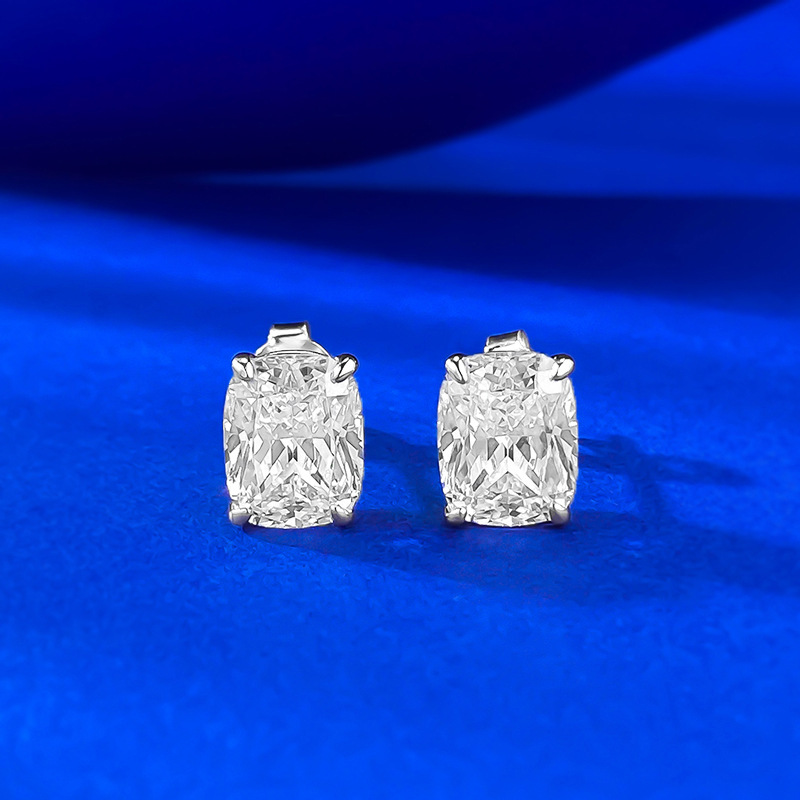
Diamond Drop Earrings Price Guide: Prices, Quality, and Smart Buying Tips
A clear Diamond Drop Earrings price guide should do more than list numbers. It should help you understand why one pair costs more than another, what details deserve your budget, and where lab-grown diamonds can give you a bigger look for the price.
Diamond Drop Earrings bring movement, length, and polish in a way studs don't. They catch light as you turn your head. They frame the jawline. They can feel subtle at dinner or striking at a wedding, depending on the length and setting.
At StoneBridge Jewelry, shoppers usually ask three questions first: How much should I spend, what quality should I choose, and will the earrings feel comfortable after several hours? I've helped plenty of people choose earrings for proposals, wedding weekends, anniversaries, and just-because gifts, and those three questions come up almost every time. This Diamond Drop Earrings price guide answers them with practical buying advice, not guesswork.
Diamond Drop Earrings Price Guide: What Really Drives Cost
The price of Diamond Drop Earrings comes from several details working together. Total carat weight matters, but it isn't the whole story. Cut quality, color, clarity, metal type, setting style, matching, backing security, and finishing all affect the final price.
A pair with 1.00 total carat weight can cost much more than another pair with the same weight if the diamonds are brighter, better matched, or set in heavier 18k gold. Design also plays a major role. A simple solitaire drop usually costs less than a halo, pavé, graduated, or chandelier-style earring because those designs use more stones and more labor.
GIA explains diamond value through the 4Cs: cut, color, clarity, and carat weight. One carat equals 200 milligrams, so small weight changes can affect price, especially when stones are larger or better graded. IGI and GIA reports also help buyers compare lab-grown diamonds with more confidence.
A useful Diamond Drop Earrings price guide looks at the finished pair, not loose diamonds alone. Fine earrings need balance. They should hang evenly, feel secure, and move without twisting. Honestly, I think this is where many buyers get the best value: not by chasing the biggest number on the tag, but by choosing earrings that look beautiful on the ear.
Why Drop Earrings Cost More Than Some Studs
Diamond studs often place most of the budget into two main stones. Drop earrings spread the budget across diamonds, gold or platinum, connectors, backs, and design work. That extra construction can raise the price even when the total carat weight looks similar.
Drop earrings also need better engineering. A post, lever back, or hinged closure must support the length without pulling the lobe forward. The left and right earrings should match in length, angle, color, and sparkle.
Is a higher price always worth it? Not automatically. The best value is the pair that looks bright on the ear, feels comfortable, and has clear specifications (trust me, I've seen gorgeous-looking earrings lose their appeal fast when the backs feel flimsy).
Lab-Grown Diamond Drop Earrings Price Guide by Budget
This Diamond Drop Earrings price guide uses broad price tiers because metal markets, diamond grades, and design details change pricing. Most shoppers can compare options in four simple groups: entry, mid-range, premium, and luxury.
Lab-grown diamonds often give buyers more flexibility in each tier. According to GIA, lab-grown diamonds have the same chemical, optical, and physical properties as mined diamonds; the difference is origin rather than diamond identity. For many buyers, that means more visible size, better sparkle, or a richer setting without stretching the budget as far.
| Price Tier | Common Features | Best For | What To Check |
|---|---|---|---|
| Entry | Petite drops, accent diamonds, lower total carat weight | First fine jewelry, bridesmaid gifts, everyday sparkle | Secure backs and clean setting work |
| Mid-range | More visible diamonds, 14k or 18k gold, refined shapes | Birthdays, anniversaries, elevated daily wear | Cut quality, matching, and total length |
| Premium | Larger stones, halos, pavé, pear or oval drops | Bridal looks, milestone gifts, formal events | Certification and craftsmanship |
| Luxury | High total carat weight, platinum or substantial gold, dramatic design | Major gifts and heirloom-style pieces | Comfort, documentation, and symmetry |
Entry and Mid-Range Diamond Drop Earrings
Entry and mid-range pairs work well when you want real diamond sparkle without a heavy luxury price. These styles may include petite round diamonds, slim bar drops, pear-shaped accents, or small halo details. They look polished without feeling too formal.
Lab-grown diamonds can be especially useful in this range. You may be able to choose a larger visible spread or brighter cut quality while staying within your budget (yes, even on a budget). For daily wear, shorter drops around 0.5 to 1 inch often feel easiest.
Use this Diamond Drop Earrings price guide to compare the parts you can see and feel: sparkle, length, backing security, and metal color. If a product page doesn't list total carat weight, metal type, or diamond details, ask before buying.
Premium and Luxury Diamond Drop Earrings
Premium and luxury styles lean into presence. Expect larger center stones, halo settings, graduated diamond lines, pear drops, oval drops, or articulated sections that move with the wearer. These earrings are made for weddings, black-tie events, anniversaries, and major gifts.
Higher pricing often reflects larger diamonds, tighter matching, heavier metal, and more detailed setting work. In multi-stone earrings, consistency matters. The diamonds should not look patchy, gray, or uneven from one ear to the other.
For luxury pairs, comfort deserves as much attention as carat weight. A dramatic earring that pulls on the lobe won't become a favorite. The right pair should feel secure enough for photos, dancing, and a long evening. I always tell wedding shoppers to try to imagine the whole day: getting ready, ceremony hugs, portraits, dinner, dancing. Earrings should add magic to that day, not become something you want to take off before the cake is cut.
Diamond Quality: The 4Cs in Earring Buying
The 4Cs apply to earrings, but buyers should weigh them with real-life wear in mind. Earrings are usually seen from a social distance, not under magnification. That gives you room to buy smart.
Cut quality should come first. A well-cut diamond reflects light sharply as the earring moves. A weak cut can look dull even if the diamond has a high color or clarity grade.
Color can be flexible. Near-colorless diamonds often look bright in white gold or platinum. In yellow gold or rose gold, a slightly warmer diamond can still look beautiful because the metal softens the contrast.
Clarity should be practical. Eye-clean diamonds usually give better value than flawless grades in earrings, especially for small accent stones. Save the extra budget for cut, size, or a better setting.
This Diamond Drop Earrings price guide recommends comparing total carat weight across the pair, not per earring, unless the product page clearly says otherwise. A 1.00 total carat weight pair usually means both earrings together equal one carat. Here's what nobody tells you: that tiny wording detail can completely change how large the earrings look in person.
Metal, Setting, and Construction Details That Affect Price
Metal choice changes both the look and the cost. 14k gold contains 58.3% pure gold, while 18k gold contains 75% pure gold. That higher gold content gives 18k a richer feel, but it often costs more.
White gold keeps the focus on the diamonds. Yellow gold feels warm and classic. Rose gold gives a softer, romantic look. Platinum is naturally white, dense, and durable, so it usually sits at a higher price point than gold.
Setting style also changes the budget. Prong settings let in more light and create a delicate look. Bezel settings wrap the diamond in metal for a smooth, protective edge. Halo settings make a center diamond look larger, while pavé adds extra shimmer through rows of small stones.
Construction matters more with drop and dangle earrings than with many studs. Look for smooth articulation, secure links, polished backs, and closures that match the earring's weight. Lever backs and hinged closures are popular for drops because they feel stable during longer wear.
Comparing Drop Earrings With Studs, Hoops, and Huggies
A Diamond Drop Earrings price guide should also help you decide whether drops fit your wardrobe better than other earring styles. Diamond studs are the classic daily choice. They sit close to the ear and work with nearly every outfit.
Hoop earrings create a rounded shape and can feel casual, bold, or dressy depending on size. Huggie earrings are smaller hoops that sit close to the lobe, making them easy for daily wear and layered piercings. Dangle earrings often have more movement or length than classic drops, though many stores use the terms together.
Drop earrings sit between timeless and statement. They add length without always feeling oversized. If the wearer owns studs already, Diamond Drop Earrings can be a smart next gift because they add a dressier option. I've seen this work beautifully for anniversaries: studs become the everyday pair, and drops become the pair they reach for when the night feels special.
Before You Buy, compare these details:
- Daily wear versus occasion wear
- Preferred metal color and existing jewelry
- Face shape, neckline, and hair length
- Total carat weight and visible diamond spread
- Closure style and comfort for long events
- Return policy if the earrings are a gift
You can compare styles in the StoneBridge Jewelry collection at browse fine jewelry styles. If you want to study diamond grades before choosing finished earrings, visit shop lab-grown diamonds.
Choosing the Best Size and Length for Your Budget
Size should match the wearer, not just the price tag. Petite drops under about 1 inch are easy for work, dinner, and frequent wear. Medium drops around 1 to 1.5 inches feel more elegant without being too formal.
Longer drops make a stronger entrance. They work beautifully with open necklines, updos, bridal gowns, and evening dresses. They may not suit someone who prefers tiny studs or low-maintenance jewelry.
Face shape can help narrow the choice. Slim vertical drops can lengthen the look of the face and neck. Rounded halo drops soften sharper features. Pear-shaped drops give a graceful taper that many shoppers love for bridal and anniversary gifts.
For gifting, check what the recipient already wears. Do they reach for yellow gold every day? Are their hoops small or bold? Do they wear huggies in a second piercing? Those clues help you choose earrings they'll actually put on. And if this is tied to a proposal, wedding morning, or milestone anniversary, give yourself room for sentiment too. The best gifts feel considered, not just expensive.
A simple buying path works well:
- Set a comfortable budget range.
- Choose the metal color.
- Pick petite, medium, or statement length.
- Compare cut quality, total carat weight, and certification.
- Check the closure and return policy.
- Choose the pair that fits the occasion and wardrobe.
Care and Long-Term Value
Good care keeps Diamond Drop Earrings bright and secure. Diamonds attract oils from skin, makeup, hair products, and lotion. Warm water, mild soap, and a soft brush can remove buildup without harsh chemicals.
Avoid chlorine, abrasive cleaners, and heavy pressure around prongs or pavé. Remove long drop earrings before swimming, sleeping, intense workouts, or applying hairspray. Diamonds are hard, but settings can still bend or loosen.
Store each pair separately. Drop earrings can tangle with hoops, scratch against studs, or bend if they sit loose in a drawer. A lined tray, pouch, or divided jewelry box protects the stones and metal.
StoneBridge Jewelry recommends periodic professional checks for fine earrings, especially styles with prongs, halos, pavé, or moving sections. A jeweler can spot loose stones, worn backs, and bent posts before they become expensive problems.
Shop With a Clear Diamond Drop Earrings Price Guide
The best diamond drop earrings price guide helps you connect price with real value. Look at diamond quality, total carat weight, metal, setting style, backing Security, and Comfort. Then choose the pair that fits the way it will be worn.
For the strongest value, focus on bright cut quality, eye-clean clarity, balanced proportions, and clear documentation. Lab-grown diamond drop earrings can be a smart choice when you want more visible size or a more detailed setting for your budget.
If you're comparing diamond studs, hoops, huggies, and drops, think about the feeling you want the gift to create. Studs feel classic. Hoops feel versatile. Huggies feel effortless. Diamond drop earrings feel elegant, memorable, and a little more dressed up.
Need help choosing? Contact StoneBridge Jewelry experts for guidance, or explore engagement rings and fine jewelry inspiration if you're planning a milestone gift.
FAQ
How much should I spend on diamond drop earrings?
Most buyers should set a budget based on how often the earrings will be worn, the total carat weight, and the metal type. This diamond drop earrings price guide recommends paying first for cut quality, secure construction, and a style that fits the wearer. Lab-Grown Diamond Earrings can help you get more visible sparkle for the price. If you're buying a gift, choose a retailer with clear specifications and a fair return policy.
Are lab-grown diamond drop earrings worth buying?
Yes, lab-grown diamond drop earrings are worth considering if you want real diamond brilliance and strong value. GIA states that laboratory-grown diamonds have essentially the same chemical, optical, and physical properties as mined diamonds. You should still compare cut, color, clarity, carat weight, and grading details. The best pair looks bright, hangs comfortably, and includes transparent product information.
What is the difference between drop earrings and dangle earrings?
Drop earrings usually hang below the lobe in a cleaner, more structured line. Dangle earrings often have more length, swing, or articulated sections. The terms can overlap, so check product photos, measurements, and closure style before buying. If comfort matters most, choose a balanced pair with secure backs and a length that suits daily movement.
Are diamond drop earrings better than diamond studs for a gift?
Diamond studs are safer for everyday wear because they are classic and easy to style. Diamond drop earrings feel more personal and occasion-ready, especially for anniversaries, weddings, birthdays, and milestone gifts. If the recipient already owns studs, drops add something fresh to the jewelry wardrobe. Use a diamond drop earrings price guide to compare quality instead of choosing only by design.
What size diamond drop earrings are best for everyday wear?
Petite to medium diamond drop earrings usually work best for everyday wear. Look for drops under about 1.5 inches, balanced weight, and secure closures that won't tug on the lobe. Total carat weight should suit the design rather than overwhelm it. If the wearer likes huggies or small hoops, start with a shorter drop style.
Ready to Find Your Perfect Diamond?
Explore our collection of certified lab-grown diamonds
Shop Diamonds