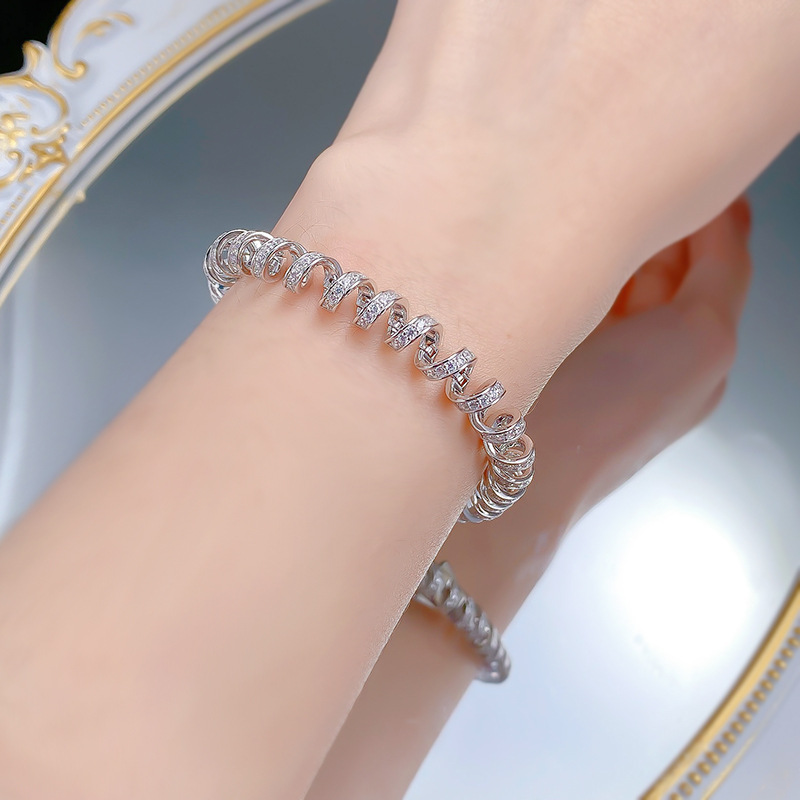
Diamond Buying Guide for First-Time Buyers: Choose Your First Diamond with Confidence
Buying your first diamond should feel exciting, not stressful. It might be for a proposal, a milestone birthday, an anniversary, or a piece you have wanted for years. Either way, the purchase carries meaning, so it deserves more than a quick price check.
This diamond buying guide for first-time buyers keeps the process practical. You will learn how the 4Cs affect beauty, why certification matters, how lab-grown diamonds compare with mined diamonds, and which diamond tips help you spend wisely.
At StoneBridge Jewelry, we work with premium lab-grown diamonds and fine jewelry every day. I have helped many first-time buyers walk in feeling overwhelmed and leave feeling genuinely excited, usually because they stopped trying to find the “perfect” diamond on paper and started looking for the right diamond for their life.
Start Here: What Should Your First Diamond Do?
Before comparing grades, decide how the diamond will be worn. Is it an engagement ring for daily wear? A pendant for special occasions? A personal reward you will wear often? The answer shapes the right balance of size, sparkle, setting, and budget.
A strong diamond buying guide for first-time buyers starts with purpose. A ring worn every day needs a secure setting and a shape that fits the wearer’s routine. A pendant or pair of earrings may allow more flexibility because those pieces usually face less impact.
Budget comes next. Forget old salary rules. Choose a number that feels comfortable after you include the setting, taxes, resizing, insurance, and future care. A beautiful first diamond should not leave you stressed after checkout (yes, even on a budget).
Why Diamond Shopping Feels Confusing at First
Diamonds are graded by several details at once. Two stones can share the same carat weight and still look very different. Cut, proportions, color, clarity, shape, and setting all affect what your eye sees.
That is why many buyers get stuck. One diamond looks larger. Another has a better color grade. A third has a certificate that seems stronger on paper. Which one is actually the better buy?
A diamond buying guide for first-time buyers should make that decision easier. It should help you separate visible beauty from details that only matter under magnification.
GIA, one of the best-known gemological authorities, grades diamond color on a D-to-Z scale. For standard round brilliant diamonds, GIA cut grades range from Excellent to Poor. Those scales give shoppers a shared language, but grades still need context.
Natural and Lab-Grown Diamonds: What First-Time Buyers Should Know
Lab-grown diamonds are real diamonds. They have the same chemical composition, crystal structure, and optical properties as mined diamonds. The difference is origin: one forms underground, while the other grows in a controlled laboratory setting.
For many shoppers, lab-grown diamonds offer strong value. They can make it possible to choose a larger first diamond or improve the mix of cut, color, and clarity within the same budget. That matters when you want beauty without stretching too far.
Natural diamonds may appeal to buyers who prefer mined origin or traditional rarity. Lab-grown diamonds may appeal to buyers who want transparency, Size, and Value. Neither choice is wrong. The right one depends on what matters most to you.
Honestly, I think first-time buyers should at least compare lab-grown diamonds before deciding. Not because they are the right choice for everyone, but because seeing the difference in size, quality, and price often makes the whole decision feel much clearer.
If you want to compare styles and certificate details side by side, browse StoneBridge Jewelry’s lab-grown diamond collection.
Diamond Certificates: Do Not Skip the Paperwork
A grading report tells you what you are buying. It usually lists carat weight, color, clarity, measurements, polish, symmetry, fluorescence, and identifying notes. Some reports also include a laser inscription number.
This part of a diamond buying guide for first-time buyers is simple: choose a diamond with a reputable grading report. GIA and IGI are two widely recognized labs in the diamond industry, and their reports help you compare stones with less guesswork.
A certificate will not tell you which diamond you will love most. It will show whether the price and quality claims line up. That is especially useful online, where photos can vary by lighting, angle, and magnification.
Here’s what nobody tells you: the certificate is not the romance. It is the safety net. The romance is still the moment, the person, the promise, or the reason you are choosing the diamond in the first place.
The 4Cs: The Core of Any Diamond Buying Guide
The 4Cs are cut, color, clarity, and carat. Each one affects price and appearance, but they do not all carry equal visual weight. For most first-time buyers, cut deserves the most attention because it controls how well the diamond returns light.
| C | What It Affects | Smart First-Time Focus |
|---|---|---|
| Cut | Brilliance, fire, and sparkle | Prioritize Excellent or Ideal when possible |
| Color | How white the diamond looks | Near-colorless grades often offer strong value |
| Clarity | Internal marks and surface features | Choose eye-clean over flawless on paper |
| Carat | Diamond weight and size impression | Balance weight with shape and proportions |
A carat is a unit of weight, not size. One carat equals 0.2 grams. Two diamonds with the same carat weight can face up differently because shape and depth affect spread.
Cut: The Sparkle Factor
Cut has the biggest effect on sparkle. A well-cut diamond reflects light back to the eye, creating brightness, fire, and movement. A poorly cut diamond can look dull even if it has high color or clarity grades.
For a first diamond, choose the best cut your budget allows. With round brilliant diamonds, Excellent or Ideal cut grades are often a smart target. Fancy shapes need a closer look at videos, proportions, and symmetry because cut grading can vary by lab and shape.
One of the most useful diamond tips: do not trade sparkle for size. A slightly smaller, livelier diamond often looks better than a larger stone with weak light return (trust me, I have seen it happen more than once).
Color: How White the Diamond Appears
Diamond color is graded from D to Z, with D being colorless. Many shoppers find good value in the near-colorless range because the difference can be hard to see once the diamond is set.
Metal color changes perception. White gold and platinum can make warmth more noticeable. Yellow or rose gold can soften the look of a slightly warmer diamond.
A diamond buying guide for first-time buyers should not push everyone toward the highest color grade. Compare the diamond in the type of setting you plan to wear. Your eye matters more than a letter on a report.
Clarity: Clean to the Eye Is the Goal
Clarity measures inclusions inside the diamond and blemishes on the surface. Many inclusions are tiny and hard to see without 10x magnification, which is the standard used in professional grading.
For most buyers, eye-clean clarity is the sweet spot. If you cannot see the inclusion during normal wear, paying much more for a higher clarity grade may not improve the look.
Ask where inclusions sit. A small mark near the edge may hide under a prong, while a dark inclusion in the center can be more noticeable. Photos, videos, and knowledgeable support help here.
Carat: Weight, Size, and Smart Milestones
Carat affects price quickly because shoppers love milestone weights like 1.00, 1.50, and 2.00 carats. A diamond just under one of those points, such as 0.90 instead of 1.00 carat, can look very similar but may cost less.
Shape also changes size impression. Oval, pear, marquise, and emerald cuts can look larger face-up than some round diamonds of the same weight. Cushion and asscher cuts may carry weight differently because of their depth.
A good diamond buying guide for first-time buyers helps you balance carat with cut and proportions. Bigger is fun. Brighter is usually better.
Step-by-Step Diamond Buying Guide for First-Time Buyers
Use this buying guide as a simple path from research to purchase. It keeps the decision organized without turning the process into homework.
- Set a comfortable total budget.
- Choose a shape that fits the wearer’s style.
- Pick a setting that matches daily life.
- Compare certified diamonds, not just prices.
- Review return policies, resizing, warranty terms, and care.
Step 1: Set the Whole Budget
Include more than the center stone. The setting, metal type, taxes, shipping, resizing, appraisal, and insurance can all affect the final cost. If you are buying an engagement ring, leave room for the band too.
Once the number is set, decide what matters most. Some buyers want the largest look. Others care more about sparkle, color, or a specific shape. Clear priorities make every comparison easier.
I have seen couples feel instant relief once they set a real number and stop measuring their choice against outdated rules. The best budget is not the one that impresses someone else. It is the one that lets you enjoy the diamond without second-guessing the purchase later.
Step 2: Choose Shape and Setting Together
Shape gives the diamond its personality. Round brilliant feels classic and bright. Oval looks graceful and elongated. Emerald is clean and elegant. Cushion feels soft. Radiant, princess, pear, and marquise each bring a distinct style.
Setting style changes the whole piece. A solitaire keeps the focus on the center stone. A halo adds visual size. A bezel protects the edges. A three-stone ring adds balance and meaning. Pave brings extra sparkle along the band.
For daily wear, think about comfort. Does the wearer use gloves often? Work with their hands? Prefer low-profile jewelry? Explore engagement ring settings to see how the same diamond can look completely different in each design.
If this diamond is part of a proposal, give yourself permission to think beyond specs for a minute. Imagine the ring being slipped onto a hand, photographed, hugged over, shown to family, and worn during ordinary Tuesday errands. That little bit of real-life thinking can point you toward the setting that actually fits.
Step 3: Compare Certified Diamonds Carefully
Once you know your shape, setting, and budget, compare two or three certified diamonds. Look beyond the headline grade. Review measurements, table, depth, fluorescence, polish, symmetry, and video.
Do not rush this part. A diamond buying guide for first-time buyers works best when it slows the choice down just enough to avoid regret. If two diamonds seem close, ask which one looks brighter, cleaner, or better balanced in real viewing conditions.
StoneBridge customers often ask whether a slightly lower grade will still look beautiful. Often, the answer is yes, if the diamond is well cut and clean to the eye.
Diamond Tips for Better Value
Good value does not mean choosing the cheapest diamond. It means choosing the stone that gives you the best mix of beauty, quality, and confidence for your budget.
Start with what people actually see. Cut, face-up appearance, shape, and setting usually matter more than tiny differences hidden in a grading report. A diamond with smart proportions can make a stronger impression than a stone with a higher grade in the wrong category.
Use these diamond tips Before You Buy:
- Choose Excellent or Ideal cut when possible, especially for round diamonds.
- Consider near-colorless grades instead of paying for the top color range.
- Pick eye-clean clarity rather than chasing flawless grades.
- Compare stones just below popular carat milestones.
- Use a halo, bezel, or refined band to shape the final look.
Lab-grown diamonds can stretch the budget further. If your goal is a larger first diamond or a better cut-color-clarity balance, they deserve a serious look.
Mistakes First-Time Diamond Buyers Can Avoid
The biggest mistake is buying by carat alone. Size catches attention, but weak cut quality can make a large diamond look flat. A smaller, brighter stone often looks more impressive on the hand.
Another mistake is ignoring certification. Without a trusted grading report, you lose the clearest way to compare quality. Price alone does not prove value.
A third mistake is choosing a setting without thinking about real life. A tall, delicate design may be perfect for occasional wear but frustrating for someone active. A lower-profile setting may feel better day after day.
Last, do not buy under pressure. A first diamond is too personal for rushed decisions. If you need to see how styles work together, try StoneBridge Jewelry’s ring builder before you commit.
First Diamond Checklist Before You Buy
Use this final check before placing an order:
- You know the full budget, including setting and care costs.
- The diamond has a reputable grading report from a recognized lab.
- You have compared cut, color, clarity, carat, and measurements.
- The stone looks good in photos or video, not just on paper.
- The setting fits the wearer’s style and routine.
- Return, warranty, resizing, and aftercare details are clear.
- You have reviewed whether insurance or an appraisal makes sense.
If you can explain why you chose the diamond, you are probably making a sound decision. That is the real goal of a diamond buying guide for first-time buyers: confidence without pressure.
Buy Your First Diamond with a Clear Plan
Your first diamond does not need to be perfect in every grade. It needs to be beautiful, well documented, fairly priced, and right for the person wearing it.
Use the 4Cs as your framework, but do not let them replace your eye. Prioritize cut, choose a certificate you trust, and make smart trade-offs around color, clarity, and carat. Want the simplest next step? Compare a few certified lab-grown diamonds and see which one keeps catching your attention.
For more help, browse StoneBridge Jewelry’s fine jewelry collection, compare certified stones in our diamond collection, or build a ring setting around the first diamond that feels right.
Ready to Find Your Perfect Diamond?
Explore our collection of certified lab-grown diamonds
Shop Diamonds