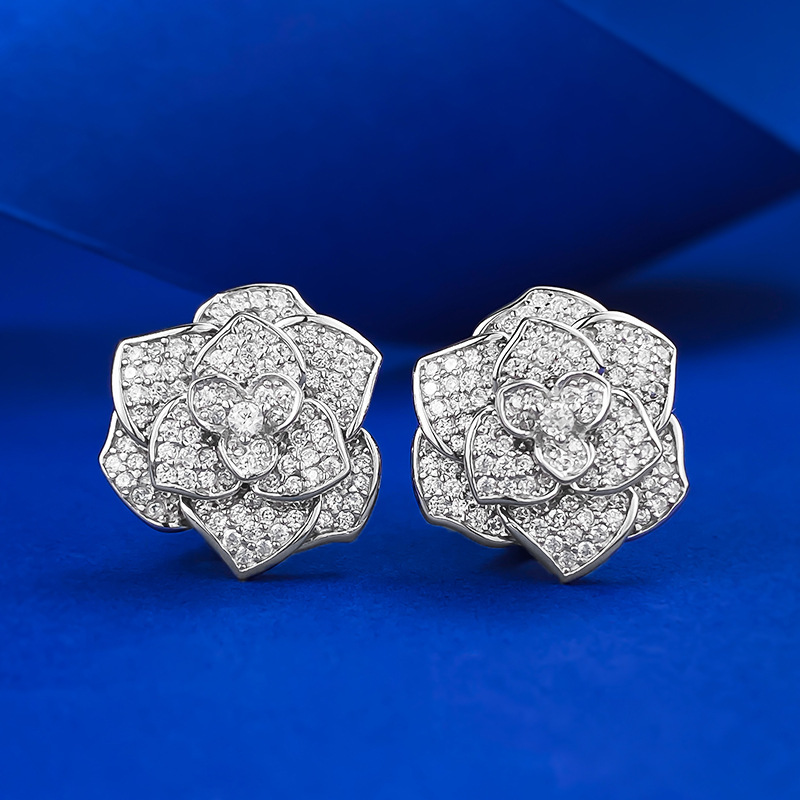
Cut Grade Price Impact Guide for Diamond Buyers
A diamond can look perfect on paper and still fall flat in person. Carat weight, color, and clarity matter, but cut is what gives a diamond life. This cut Grade Price Impact guide explains how cut changes sparkle, price, perceived size, and long-term value.
If you're buying an engagement ring, anniversary gift, lab-grown diamond, or everyday piece, cut deserves early attention. A smart purchase does not always mean choosing the largest stone. Often, it means choosing the diamond that sends the most light back to your eye. I've helped hundreds of couples compare stones side by side, and the reaction is usually the same: the brightest diamond wins hearts first (trust me, I've seen it happen).
Why Diamond Cut Grade Changes What You See
Cut grade measures how well a diamond's proportions, symmetry, polish, and facets work together. In plain terms, it tells you how bright and lively the diamond should look. A strong cut creates brilliance, fire, and scintillation.
Brilliance is white light return. Fire is the colored flash you see as the stone moves. Scintillation is the crisp pattern of bright and dark flashes that makes a diamond feel energetic.
This cut grade price impact guide starts with a simple shopping truth: cut is often the most visible of the 4Cs. Many buyers cannot spot the difference between nearby color grades once a diamond is set. Minor inclusions in an eye-clean clarity grade may also be hard to see without magnification.
Cut is different. Two 1.50 carat round diamonds can look nothing alike. One may appear bright from edge to edge, while the other looks dark under the table or dull near the rim.
The Gemological Institute of America, or GIA, grades round brilliant cut diamonds from Excellent to Poor. GIA reviews brightness, fire, scintillation, weight ratio, durability, polish, and symmetry. IGI, a common lab for natural and lab-grown diamonds, also reports cut, polish, symmetry, and measurements.
A report gives you a starting point, not the full story. Videos, measurements, and side-by-side comparisons show how the grade performs in real light. That is why a good cut grade price impact guide treats cut as both a lab grade and a visual test. In my 10 years at StoneBridge, I've seen buyers change their minds in seconds once they see two similar stones under the same lighting.
How Cut Grade Affects Diamond Price
Cut affects price because precision costs money. A cutter can preserve more rough diamond by keeping extra weight, but that choice may hurt light return. Cutting for top sparkle often means removing more rough, which leaves a smaller finished diamond.
For round brilliant diamonds, Excellent and Ideal cuts usually sit at the top of the price range. Very Good cuts often cost less while still offering strong beauty. Good, Fair, and Poor cuts may look tempting by price, but the lower cost can bring visible tradeoffs.
Retail comparisons often show Excellent cut diamonds priced about 5% to 20% higher than similar Very Good cut diamonds. The gap can widen at popular sizes such as 1.00, 1.50, and 2.00 carats. Price also shifts with color, clarity, fluorescence, certification, and whether the diamond is natural or lab-grown.
This cut grade price impact guide also looks at spread, which means the visible face-up size. A diamond cut too deep can hide weight in the pavilion. A well-cut 1.20 carat diamond may look larger than a deeper 1.30 carat diamond because more of its weight shows from the top.
Lab-grown diamonds follow the same light physics. A lab-grown diamond with weak proportions can look flat, while a well-cut one can look bright and crisp. Since lab-grown diamonds often cost less than mined diamonds with similar grades, many buyers can afford a higher cut grade without leaving their budget.
Cut Grade Price Impact Guide: Premiums and Payoff
The table below gives a practical view of cut grade, price position, and visual return. Actual prices change by retailer, grading report, and inventory, but the pattern is consistent.
| Cut Grade | Typical Price Position | Visual Performance | Best Fit |
|---|---|---|---|
| Excellent / Ideal | Highest premium | Strong brilliance, fire, and balance | Engagement rings and sparkle-first buyers |
| Very Good | Moderate premium | Attractive sparkle with small tradeoffs | Value-focused buyers who still want beauty |
| Good | Lower price | Light return may look uneven | Budget jewelry where size matters more |
| Fair / Poor | Lowest price | Often dark, dull, or poorly proportioned | Rarely recommended for center stones |
The biggest visual jump often comes from Good to Very Good or Excellent. The price difference between Very Good and Excellent can be smaller, especially with lab-grown diamonds. Watch the video, check the measurements, and compare more than one stone before deciding.
When a Better Cut Grade Is Worth It
A better cut grade is usually worth paying for when the diamond is the center of the design. Engagement rings, solitaire pendants, and anniversary pieces get close attention. A lively stone holds up better in office light, daylight, and home lighting.
Prioritize cut when the diamond will be worn daily. Choose it when the stone will be photographed often. Give it extra weight when you're comparing close sizes, such as 1.40 versus 1.50 carats.
Many customers end up happier with a slightly smaller, brighter diamond than with a larger stone that looks sleepy. Why pay for size if the stone does not sparkle? Honestly, I think that is the whole point of this cut Grade Price Impact Guide: beauty that you can actually see, not just numbers on a report.
What to Check Beyond the Cut Grade
A grading report gives the official grade, but the supporting details matter. For round diamonds, review table percentage, depth percentage, crown angle, pavilion angle, girdle thickness, polish, and symmetry. These measurements guide how light enters and exits the stone.
GIA research on round brilliant diamonds shows that beauty comes from a balance of brightness, fire, and scintillation. One number cannot carry the whole result. A diamond with a pleasing table size can still leak light if its pavilion angle is off.
Use this cut grade price impact guide as a shopping checklist. Look for an Excellent or Ideal cut when possible for round diamonds. Polish and symmetry should be Very Good or Excellent for a refined look.
Check the face-up diameter, not just carat weight. Review the depth percentage, since excess depth can hide size. Confirm that the product page matches the GIA, IGI, or other respected lab report.
Video matters. Store spotlights can make many diamonds sparkle, but normal lighting is less forgiving. In online videos, look for even brightness, lively flashes, and few dark zones under the table.
Round Diamonds vs. Fancy Shapes
Round brilliant diamonds have the most standardized cut grading, so comparison is easier. Fancy shapes need more visual judgment. Ovals, pears, emeralds, cushions, princess cuts, radiants, and marquise diamonds may not carry the same type of cut grade on every report.
For fancy shapes, study the outline, symmetry, length-to-width ratio, bow-tie effect, and brightness pattern. An oval with a strong bow tie may cost less, but it can look dark across the center. An emerald cut relies on clean steps, symmetry, and clarity rather than explosive sparkle.
This cut grade price impact guide still helps with fancy shapes, but your eyes matter more. If two stones have similar specs, choose the one with better light movement and a shape you genuinely like.
Budget Strategies That Protect Beauty
You do not need to max out every grade to buy a beautiful diamond. The best value plan is simple: protect cut first, then make careful tradeoffs in color, clarity, and carat weight. That approach usually gives more sparkle per dollar.
Start with Excellent or Very Good cut options, then compare stones within your target size range. For example, a 1.75 carat Excellent cut lab-grown diamond with G color and VS2 clarity may look better than a 2.00 carat Good cut diamond with E color and VVS2 clarity. The second stone may win on a spreadsheet, but the first may win on the hand.
This cut grade price impact guide is especially helpful for lab-grown diamonds. Lower overall pricing can let you choose a premium cut, a larger size, or a more detailed setting. You can compare options in StoneBridge Jewelry's lab-grown diamond selection and filter by the specs that matter most.
For engagement rings, the center stone gets the attention. For earrings or pendants, cut still matters, but you may have a little more flexibility because the stones are viewed from farther away. Daily-wear jewelry benefits from lively stones because movement catches light all day.
Smart Tradeoffs by the Numbers
A practical budget order looks like this:
- Choose the best cut grade your budget allows.
- Pick a carat range instead of one exact weight.
- Select a color grade that looks white in your metal.
- Choose eye-clean clarity rather than paying for flaws you cannot see.
- Save money for the setting, sizing, warranty, and care.
Dropping from VVS1 to VS2 clarity can save money if the stone is eye-clean. Moving from F to G or H color can also work well, especially in yellow gold or rose gold. Choosing 1.90 carats instead of 2.00 carats may reduce price while keeping a very similar look.
Be more careful with cut downgrades. Moving from Excellent to Very Good may be fine if the video looks strong and the savings are real. Dropping to Good or below for a center stone often creates a compromise you will notice.
Matching Cut Grade to the Jewelry Style
The right cut grade depends on how the jewelry will be worn. A solitaire engagement ring leaves the diamond exposed, so cut quality carries the whole design. A halo setting adds surrounding sparkle and may allow a slightly smaller center stone with a stronger cut.
A bezel setting protects the diamond and gives a clean outline. It can also reduce side light compared with prongs. In that case, a stronger cut helps keep the stone bright.
Metal color changes the look too. White gold and platinum highlight a crisp, icy appearance. Yellow gold and rose gold can make near-colorless diamonds look warm in a flattering way.
If you're designing a ring, compare settings before choosing the final stone. StoneBridge shoppers can explore engagement ring styles or use the ring builder to see how shape, size, and setting style work together. That mix matters a lot when the ring is meant for a proposal, a wedding day, or a gift that says more than words ever could.
Care and Ownership After You Buy
Even a beautifully cut diamond needs care. Oils, lotion, soap film, and dust can block light and reduce sparkle. An Excellent cut diamond can look muted if it is dirty.
Clean diamond jewelry with warm water, mild dish soap, and a soft brush. Rinse well and dry with a lint-free cloth. For rings worn every day, a quick weekly cleaning helps protect the brilliance you paid for.
Fit matters as well. A ring that spins can make the diamond sit off-center, which changes how it catches light. If you're unsure about fit, review StoneBridge Jewelry's ring size guide before finalizing your order.
Before buying, check return terms, resizing options, warranty coverage, and inspection services. A confident diamond purchase includes support after the sale. This cut grade price impact guide is about beauty, but ownership details protect the full value of the piece.
Cut Grade Price Impact Guide: Quick Buying Checklist
Use this Checklist Before You add a diamond to your cart:
- The cut grade matches the sparkle level you want.
- The grading report matches the product page.
- The face-up measurements make sense for the carat weight.
- Polish and symmetry are Very Good or Excellent when possible.
- The video shows balanced brightness with few dark areas.
- The price compares fairly with similar certified stones.
- Return, resizing, and warranty details are clear.
This cut grade price impact guide can make comparison faster. If two diamonds look similar, ask what you're really paying for. A higher clarity grade may not matter if both stones are eye-clean, but better cut performance often shows right away.
The Best Cut Grade for Your Budget
Cut grade strongly affects diamond price, beauty, and perceived size. Better cuts usually cost more because they require precision and may waste more rough material. In return, they often deliver stronger light performance and a more satisfying everyday look.
The main takeaway is simple: choose the best cut grade your budget allows, then adjust color, clarity, and carat weight with care. A diamond that sparkles beautifully will feel better than one that only looks impressive on a report.
Use this cut grade price impact guide while you compare StoneBridge Jewelry diamonds. Then choose the stone that gives you the right mix of sparkle, size, certification, setting style, and price. I always tell shoppers the same thing: a diamond should feel exciting the moment you see it, especially when it is tied to a proposal, anniversary, or a gift meant to be remembered for years.
FAQ
How much does diamond cut grade affect price?
Cut grade can raise or lower diamond price because stronger cuts usually require more precision and may remove more rough material. In many retail comparisons, Excellent cut diamonds cost about 5% to 20% more than similar Very Good cut diamonds. The exact price gap depends on carat weight, color, clarity, certification, and diamond origin. Use a cut grade price impact guide to compare both the lab grade and the actual video.
Is an Excellent cut diamond worth the extra cost for an engagement ring?
Yes, an Excellent cut is often worth it for an engagement ring because the center diamond gets daily attention. You'll usually see stronger brightness, cleaner flashes, and better balance across the stone. If your budget is tight, compare Excellent and Very Good diamonds side by side before you decide. A slightly smaller Excellent cut can look more beautiful than a larger diamond with weak proportions.
Should I choose a better cut grade or a bigger carat weight?
Choose the better cut when the size difference is small. A well-cut diamond can look brighter and sometimes larger face-up than a heavier stone with extra depth. Carat weight appears on the report, but sparkle is what people notice first. If you're torn, use measurements and video to see which diamond gives more visual value.
What makes a diamond cut grade a good value?
A good-value cut grade gives strong light return without forcing you to overpay for less visible specs. Check the grading report, face-up diameter, depth, table, polish, symmetry, and video. GIA and IGI reports help confirm the basics, but your visual comparison matters too. The best value diamond looks bright, fits the setting, and stays within the full jewelry budget.
Does cut grade matter for lab-grown diamonds?
Yes, cut grade matters just as much for lab-grown diamonds as it does for mined diamonds. Sparkle depends on angles, proportions, polish, and symmetry, not the diamond's origin. Lab-grown pricing often lets buyers choose a higher cut grade or a more detailed setting for the same budget. That is why this cut grade price impact guide recommends making cut a top priority for lab-grown engagement rings.
Ready to Find Your Perfect Diamond?
Explore our collection of certified lab-grown diamonds
Shop Diamonds