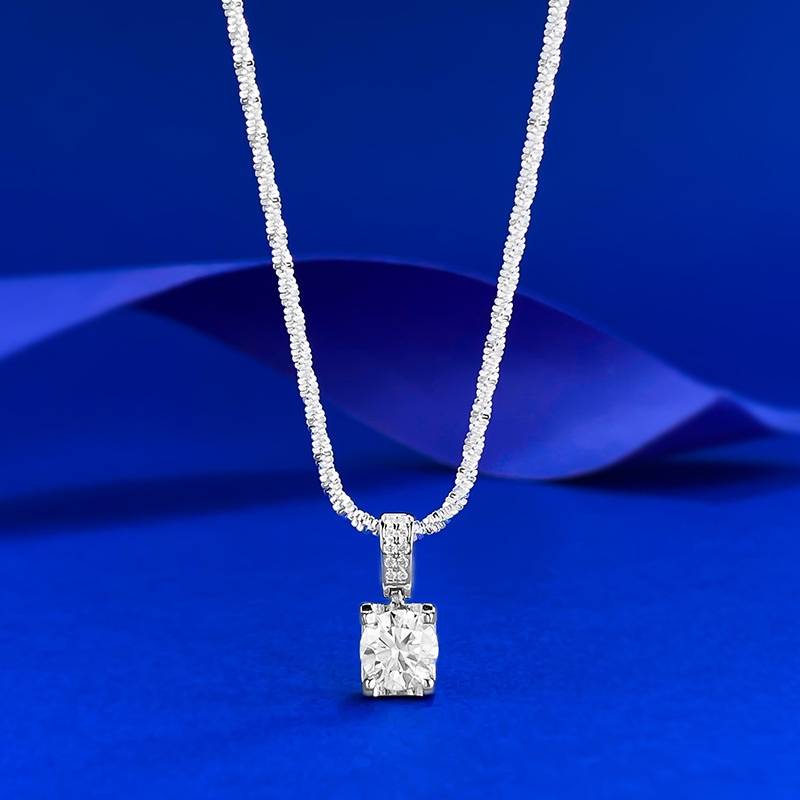
Cut Grade Comparison for Buyers: Excellent vs Very Good vs Good Diamonds
A smart cut grade comparison for buyers starts with one simple truth: cut has the biggest impact on the sparkle you see. Color and clarity matter, but a diamond with weak light return can look flat even if it has a desirable grade on paper. For lab-grown diamond shoppers, this makes cut especially important because the value advantage often lets you prioritize beauty without giving up as much size.
This cut grade comparison for buyers looks at Excellent, Very Good, Good, Fair, and Poor cut diamonds from a shopper's point of view. The goal is not to make the grading scale feel complicated. It's to help you compare brilliance, price, risk, and long-term satisfaction Before You Buy.
Cut Grade Comparison for Buyers: What We Are Comparing
Cut grade describes how well a diamond's proportions, symmetry, and finish work together to return light to the eye. It is the quality factor most directly tied to brilliance, fire, scintillation, and overall visual performance. Brilliance is the white light return. Fire is the rainbow flash. Scintillation is the pattern of sparkle as the diamond or viewer moves.
For this cut grade comparison for buyers, the main grades are:
- Excellent cut: the premium choice for maximum sparkle and balanced proportions.
- Very Good cut: a strong value option when the individual diamond is well selected.
- Good cut: a budget-dependent option with visible tradeoffs.
- Fair cut: usually risky for important center stones.
- Poor cut: generally not recommended for fine jewelry buyers seeking beauty.
Cut grade is not the same as diamond shape. Shape means the outline and style: round, oval, emerald, pear, cushion, radiant, princess, marquise, or another silhouette. Cut quality refers to how successfully that shape has been proportioned and finished. A round brilliant diamond can have an Excellent cut or a Good cut. An oval diamond can be beautifully proportioned or poorly proportioned, even though many fancy shapes do not receive the same universal cut grade used for round brilliant diamonds.
Cut also differs from carat weight, color, and clarity. Carat measures weight, not visible size. Color grades measure body color. Clarity grades measure internal and surface characteristics. Cut controls how light moves through the diamond. Because buyers often shop online using filters, it's easy to over-focus on carat weight or clarity while missing the quality factor that most affects face-up beauty.
According to GIA cut grading standards, round brilliant diamonds are evaluated through a combination of brightness, fire, scintillation, weight ratio, durability, polish, and symmetry. Many lab-grown diamonds are graded by IGI or GIA, and their reports may list table percentage, depth percentage, polish, symmetry, measurements, fluorescence, and other details. Fancy shapes such as oval, emerald, pear, radiant, and cushion often require proportion analysis, video review, and expert inspection rather than relying on a single cut grade.
Why Cut Grade Matters More Than Many Buyers Realize
A well-cut diamond can appear brighter and visually larger than a poorly cut diamond of the same carat weight. That surprises many shoppers. But it makes sense: a diamond that returns more light across the crown creates stronger edge-to-edge brightness, while a poorly proportioned stone may leak light through the pavilion and look smaller or darker.
Light return matters even more in engagement rings and solitaire settings, where the center stone carries the whole design. A 1.50 carat lab-grown diamond with excellent proportions may look more lively than a 1.70 carat diamond with a weak cut. The larger stone may cost more and still deliver less beauty.
Cut is also one of the hardest of the 4Cs to judge online without support. A grading report helps. So do magnified images, 360-degree videos, ASET or Ideal-Scope images when available, and expert review. For StoneBridge Jewelry shoppers, a cut grade comparison for buyers should always connect the grade to what the diamond actually looks like.
Option A: Excellent Cut Diamonds
Excellent cut diamonds are the premium option for buyers who want maximum sparkle, balanced proportions, and strong purchase confidence. In a cut grade comparison for buyers, Excellent cut usually wins for round brilliant lab-grown diamonds because it offers the most consistent combination of light return, fire, and scintillation.
For engagement rings, Excellent cut is the safest default. The diamond will be viewed every day, under office lights, daylight, restaurant lighting, and evening settings. A high-performing cut helps the stone look bright across more environments.
Lab-grown diamonds make this choice more accessible. Because lab-grown diamonds often cost significantly less than mined diamonds with similar grades, buyers may be able to choose Excellent cut while still reaching their desired carat size. For example, a shopper comparing a 1.50 carat and 2.00 carat lab-grown round diamond may find that prioritizing Excellent cut gives the ring a premium look without the same budget pressure seen in mined diamond shopping.
An Excellent cut grade does not mean every diamond is identical. Two round brilliant diamonds can both receive Excellent cut grades while having different table percentages, depth percentages, crown angles, pavilion angles, girdle thickness, polish, symmetry, and fluorescence. Those details can influence how crisp, bright, or fiery the diamond appears.
Common report details to review include:
- Table percentage: often reviewed with depth and angle relationships.
- Depth percentage: helps determine whether a diamond faces up large or hides weight.
- Polish: affects surface finish and can influence crispness.
- Symmetry: affects facet alignment and sparkle pattern.
- Measurements: show how large the diamond appears face-up.
- Fluorescence: usually not an issue in many lab-grown diamonds, but still worth checking.
For many StoneBridge Jewelry buyers, Excellent cut is the place to start. Then adjust color, clarity, or carat weight as needed.
Features of Excellent Cut Diamonds
Excellent cut diamonds typically show strong light performance, crisp sparkle, and an attractive face-up appearance. They are designed to return light efficiently, which helps create the bright, lively look people expect from fine diamond jewelry.
In round brilliant lab-grown diamonds, Excellent cut is usually the safest recommendation because the shape has established grading standards and predictable performance patterns. Buyers who want a diamond that looks bright in a solitaire engagement ring, halo setting, or classic four-prong design usually benefit from choosing this grade first.
Still, the grade is not the whole story. A cut grade comparison for buyers should compare the actual diamond, not only the label. Look at the measurements, video, table, depth, polish, and symmetry. If two diamonds both have Excellent cut grades, the one with stronger face-up brightness and a more pleasing sparkle pattern may be the better buy.
Pros and Cons of Excellent Cut Diamonds
Excellent cut diamonds offer the highest sparkle potential and the strongest visual confidence for most buyers. They tend to be easier to recommend online because the grade narrows the risk of poor light performance. They may also be more desirable if the buyer later upgrades, trades, or resells, since cut quality is a major beauty factor.
The main downside is price. Excellent cut diamonds often cost more than lower cut grades, so you may need to balance another quality factor to stay within budget. A shopper might choose an Excellent cut diamond with VS2 clarity instead of VVS1 clarity, or near-colorless G-H color instead of colorless D-F, if the stone still looks beautiful to the naked eye.
And not every Excellent cut diamond performs equally. Certification and visual inspection still matter. The best cut grade comparison for buyers treats Excellent cut as the strongest starting point, then confirms the choice with report details and imagery.
Option B: Very Good Cut Diamonds
Very Good cut diamonds are the practical value option for buyers who want strong beauty while managing budget. In a cut grade comparison for buyers, Very Good often sits in the sweet spot between performance and price, especially when the diamond's proportions are close to Excellent ranges.
A well-selected Very Good cut diamond can look impressive to the naked eye. Under normal viewing conditions, some shoppers may see only a subtle difference between a strong Very Good cut and an Excellent cut. That is why this category deserves attention. It can help buyers shift budget toward a larger carat weight, higher color grade, or cleaner clarity grade.
Very Good cut may make sense for Diamond Stud Earrings, pendants, anniversary jewelry, or buyers who want a larger lab-grown diamond but still care about sparkle. Earrings and pendants are often viewed from slightly more distance than an engagement ring center stone, so tiny differences in scintillation may be less noticeable.
StoneBridge Jewelry gem specialists recommend checking videos, proportions, measurements, and certification before choosing Very Good cut. This grade has more variation than Excellent. One Very Good diamond may be bright and balanced, while another may show weaker light return, a dark center, or extra weight hidden in the depth.
A smart buying sequence looks like this:
- Start with certified diamonds from reputable labs such as GIA or IGI.
- Compare table and depth percentages, not just carat weight.
- Review videos for brightness across the entire crown.
- Check whether the stone faces up large for its carat weight.
- Ask a jewelry expert to compare two or three finalists before purchase.
For value-focused shoppers, Very Good can be a strong runner-up. It just requires more careful screening.
Features of Very Good Cut Diamonds
Very Good cut diamonds usually show slightly reduced light performance compared with Excellent cut. In a carefully chosen stone, the visible difference may be minimal. The diamond can still look bright, lively, and attractive in everyday jewelry.
This grade can help buyers allocate budget more flexibly. For example, a shopper may prefer a 2.00 carat Very Good cut lab-grown diamond over a 1.70 carat Excellent cut diamond if the larger stone has appealing proportions and strong video performance. Another buyer may choose Very Good cut to move from I color to G color or from SI1 clarity to VS2 clarity.
The value depends heavily on the individual diamond. A cut grade comparison for buyers should never treat every Very Good diamond as equal. The best examples sit close to Excellent in appearance. The weakest examples may sacrifice brilliance in ways the lower price does not justify.
Pros and Cons of Very Good Cut Diamonds
The biggest advantage of Very Good cut is price flexibility. Buyers may gain carat size, improve another grade, or stay within a firm budget while still choosing a diamond that looks beautiful. Very Good cut can be a smart choice for earrings, pendants, and some engagement rings if the stone has strong light return.
The tradeoff is consistency. Very Good diamonds vary more in performance, so the buyer must review certification and imagery closely. Reduced brilliance, less balanced scintillation, or a smaller face-up appearance can appear in poorly selected stones.
Do not choose Very Good cut only because the price looks attractive. Use the lower price as a reason to compare, not a reason to skip inspection. In this cut grade comparison for buyers, Very Good is the best value alternative only when the diamond proves itself visually.
Lower Cut Grades: Good, Fair, and Poor Compared
Good, Fair, and Poor cut diamonds may save money upfront, but they often compromise sparkle, symmetry, and face-up appearance. In a cut grade comparison for buyers, lower cut grades need the most caution because the price gap can tempt shoppers into buying a diamond that looks less beautiful than expected.
A Good cut diamond can be acceptable in limited cases. It may suit a strict budget, fashion jewelry, or a buyer who values size more than brilliance. But there are tradeoffs. A Good cut round diamond may show less fire, weaker edge-to-edge brightness, or a less balanced sparkle pattern compared with Excellent or Very Good.
Fair and Poor cut diamonds are usually not advised for engagement ring center stones. They may look dull, dark, glassy, or uneven. If proportions are too shallow, light can escape through the pavilion instead of returning to the eye. If proportions are too deep, the diamond may hide weight in the body and face up smaller than its carat weight suggests. Both problems reduce perceived beauty.
This is the hidden cost of choosing a lower cut grade: the diamond may be heavier on paper but less impressive in person. A 2.00 carat diamond with weak light return can appear less lively than a 1.70 carat diamond with better proportions. Buyers often notice sparkle before they notice exact carat weight.
Lower grades also make online shopping riskier. Without clear video, reliable certification, and expert review, it is difficult to know whether the discount reflects a smart value or a serious beauty compromise. For meaningful purchases, especially engagement rings, cut should rarely be the first quality factor sacrificed.
When a Good Cut Diamond Might Make Sense
A Good cut diamond might make sense for strict budgets, fashion rings, pendants, or situations where size matters more than brilliance. It can also work for buyers who understand the tradeoffs and are comfortable prioritizing price.
Even then, the diamond should come with a reputable grading report and strong imagery. Review the measurements to see whether the diamond faces up appropriately for its carat weight. Check the video for dull zones, dark centers, or uneven sparkle. If possible, compare the Good cut diamond side by side with Excellent and Very Good options.
A practical cut grade comparison for buyers should ask one question: does the savings justify the visible difference? If the answer is unclear, move up to Very Good or Excellent.
Why Fair and Poor Cut Diamonds Are Usually Risky
Fair and Poor cut diamonds often show dullness, weak sparkle, dark centers, or uneven light return. They may be priced lower, but the discount can be misleading if the diamond lacks the beauty buyers expect from fine jewelry.
For center stones, these grades are usually risky. Engagement rings are viewed constantly, and a lackluster diamond can feel disappointing over time. A lower price is not a true value if the stone does not look bright.
StoneBridge Jewelry recommends avoiding Fair and Poor cut diamonds for meaningful fine jewelry unless a trusted gem expert reviews the exact stone and explains why it may still be suitable. Most buyers will be happier with a smaller Excellent cut or carefully chosen Very Good cut diamond.
Cut Grade Comparison for Buyers: Side-by-Side Table
The table below gives a clear cut grade comparison for buyers who want a practical shopping answer rather than technical jargon. Use it as a starting point, then confirm your final choice with a grading report, diamond video, measurements, and expert inspection.
| Cut Grade | Sparkle Level | Value | Best Use Case | Buyer Risk | StoneBridge Recommendation |
|---|---|---|---|---|---|
| Excellent | Highest sparkle potential, strong brilliance, fire, and scintillation | Premium value when beauty is the priority | Engagement ring center stones, solitaire rings, halo rings, premium lab-grown diamonds | Low, but compare proportions and imagery | Best overall choice for most round brilliant lab-grown diamonds |
| Very Good | Strong sparkle in well-selected stones, slightly less consistent than Excellent | Best value alternative for careful shoppers | Earrings, pendants, larger lab-grown diamonds, value-focused engagement rings | Moderate because performance varies | Strong runner-up if certification and video look good |
| Good | Acceptable sparkle with noticeable tradeoffs | Budget-dependent | Fashion jewelry, strict budgets, size-first purchases | Moderate to high | Consider only after side-by-side comparison |
| Fair | Weak or uneven sparkle is common | Low upfront price, often weak beauty value | Rare specialty cases only | High | Generally avoid for center stones |
| Poor | Low brilliance, poor light return, possible dark or dull appearance | Not a strong value for fine jewelry | Not recommended for meaningful purchases | Very high | Avoid in most cases |
This cut grade comparison for buyers shows why Excellent cut earns the top recommendation and Very Good cut remains the strongest value alternative. Good cut may work only when budget limits are firm and expectations are realistic. Fair and Poor cut diamonds usually carry too much beauty risk.
Final selection should consider more than a single grade. Review the grading report, diamond videos, measurements, table percentage, depth percentage, polish, symmetry, and any available light performance images. For fancy shapes, ask for a separate visual performance review because the same standardized cut grade may not apply.
What the Comparison Table Should Emphasize
A buyer-focused comparison should make the decision easier: choose the diamond that looks best, fits the budget, and carries the least regret risk. Technical details matter, but they should support the purchase decision rather than overwhelm it.
For lab-grown diamond engagement rings, prioritize Excellent cut first. If the budget feels tight, adjust color or clarity before sacrificing cut. Many shoppers are happier with an Excellent cut G-H color, VS2-SI1 clarity diamond than a higher clarity stone with a weaker cut, assuming the diamond is eye-clean and well certified.
Fancy shapes need extra care. Oval, emerald, pear, cushion, radiant, and marquise diamonds can vary widely in bow-tie effect, length-to-width ratio, depth, table size, and light return. A cut grade comparison for buyers should treat fancy shapes as individual stones, not just filtered grades.
Who Should Choose Each Cut Grade
Different buyers have different priorities. The best cut grade comparison for buyers connects the grade to the intended jewelry, budget, and level of visual expectation.
Choose Excellent cut if you want the safest premium choice. It is best for engagement ring center stones, buyers who prioritize brilliance, and shoppers who want strong performance without needing to become diamond technicians. If you are building a solitaire or halo ring, Excellent cut gives the diamond the best chance to command attention.
Choose Very Good cut if you are value-focused and willing to compare individual diamonds carefully. This grade can be smart for larger lab-grown diamonds, earrings, pendants, or buyers trying to balance sparkle with size. But it should be supported by certification and clear imagery.
Choose Good cut only if budget is the leading factor or the jewelry piece is not centered on maximum brilliance. A Good cut diamond may be acceptable for casual fashion jewelry or a size-first purchase, but compare it against better-cut stones before deciding.
Avoid Fair and Poor cut for most meaningful fine jewelry. The lower price rarely compensates for weak light return, reduced face-up beauty, and higher disappointment risk.
StoneBridge Jewelry guidance is straightforward: cut should rarely be the first quality factor sacrificed. Minor clarity differences are often less visible than weak light performance. A small inclusion hidden near the edge may be hard to notice. A dull diamond is obvious.
If you are comparing lab-grown diamonds now, start with cut quality, then refine color, clarity, carat weight, and setting style. You can shop our lab-grown diamonds to compare certified options, or try our ring builder to see how different stones work in Engagement Ring Settings.
Best Cut Grade for Engagement Rings
Excellent cut is the recommended choice for most round brilliant lab-grown diamond engagement rings. Engagement rings are viewed daily and under many lighting conditions, so sparkle and light return matter more than they might in occasional jewelry.
Solitaire settings show the diamond with very little distraction. Halo settings add surrounding brilliance, but the center stone still needs to perform. An Excellent cut lab-grown diamond can look crisp, bright, and balanced in both designs.
StoneBridge lab-grown diamond solitaire rings and halo engagement rings are ideal for showcasing Excellent cut diamonds. If you are choosing a center stone, explore our engagement rings and compare how carat size, metal color, and setting style affect the final look.
Best Cut Grade for Earrings, Pendants, and Budget Jewelry
Very Good cut can be reasonable for earrings and pendants because these stones are usually viewed from more distance than an engagement ring center stone. The visual difference between Excellent and a strong Very Good cut may be less obvious in those pieces.
Matched pairs still need careful review. Diamond Stud Earrings should have consistent diameter, sparkle, color, and overall appearance. A mismatch in light return can make one earring look brighter than the other.
Good cut should be reserved for strict budget situations and realistic expectations. If the piece is meant to be a meaningful gift or a long-term fine jewelry purchase, moving up to Very Good or Excellent often creates better satisfaction.
StoneBridge Expert Recommendation and Shop the Winner
The winner of this cut grade comparison for buyers is Excellent cut. For most shoppers, it offers the strongest combination of brilliance, beauty, and purchase confidence. It is the best default choice for round brilliant lab-grown diamond engagement rings and premium fine jewelry.
Very Good cut is the runner-up. It can be a smart value play for buyers who want a larger lab-grown diamond or more flexibility in color and clarity. But it requires careful comparison. The best Very Good cut diamonds can look impressive; the weaker ones may not justify even a lower price.
Good cut is a conditional choice. It can work for limited budgets or secondary jewelry, but buyers should compare it against better-cut stones before buying. Fair and Poor cut diamonds are generally not recommended for center stones or meaningful fine jewelry purchases.
For a direct shopping path, compare these StoneBridge categories:
- Shop Excellent Cut Lab-Grown Diamonds at /collections/excellent-cut-lab-grown-diamonds for maximum sparkle and the strongest overall recommendation.
- Shop Lab-Grown Diamond Engagement Rings at /collections/lab-grown-diamond-engagement-rings if you are choosing a center stone for a proposal, upgrade, or anniversary ring.
- Shop Lab-Grown Diamond Stud Earrings at /collections/lab-grown-diamond-stud-earrings if you are considering Very Good cut value options for matched pairs.
This cut grade comparison for buyers comes down to visible beauty. A diamond's certificate matters, but the sparkle you see matters more. Excellent cut gives most buyers the best chance of loving the diamond long term, while Very Good cut can deliver strong value when the stone is carefully selected.
If you are torn between two diamonds, compare the reports side by side and ask for expert review. You can also contact our jewelry experts for help weighing cut grade, carat size, color, clarity, and setting style before purchase.
Recommended StoneBridge Products to Feature
For shoppers who want the safest winner, start with Excellent Cut Lab-Grown Diamonds. This category fits buyers who want maximum sparkle, strong face-up beauty, and a diamond that performs well in engagement rings and premium jewelry.
For buyers choosing a center stone, Lab-Grown Diamond Engagement Rings offer the best setting-focused path. Compare solitaire, halo, hidden halo, three-stone, and pavé styles to see how the diamond's cut interacts with the design.
For earrings, Lab-Grown Diamond Stud Earrings may be the better place to consider Very Good cut value. Matched pairs should still be reviewed for consistent size, measurements, and sparkle.
Final Buying Checklist
Use this Checklist Before Buying any lab-grown diamond:
- Check the grading report from a reputable lab such as GIA or IGI.
- Confirm the cut grade for round brilliant diamonds.
- Review polish, symmetry, table percentage, depth percentage, and measurements.
- Watch diamond videos for brightness, dark zones, and sparkle pattern.
- Compare face-up size, not only carat weight.
- Prioritize cut over tiny clarity or color differences if sparkle is the goal.
- Ask StoneBridge Jewelry specialists to compare two or more diamonds before you buy.
A strong cut grade comparison for buyers should make your decision simpler: choose Excellent cut for the best overall result, consider Very Good cut for carefully screened value, and be cautious with lower grades. The right diamond should look bright, balanced, and beautiful every time you see it.
FAQ
What is the best cut grade for a lab-grown diamond engagement ring?
Excellent cut is usually the best choice for a round brilliant lab-grown diamond engagement ring because it maximizes brilliance, fire, and scintillation. Engagement rings are seen daily, so consistent light return matters. Very Good cut can be considered by value-focused buyers, but the diamond should be reviewed with certification, measurements, and video.
Is Very Good cut noticeably different from Excellent cut?
Sometimes the difference is subtle to the naked eye, especially in a well-proportioned Very Good cut diamond. Excellent cut generally gives more consistent light performance and is the safer premium choice. A cut grade comparison for buyers should compare actual videos and proportions, not only the grade name.
Should I choose a bigger diamond with a lower cut grade?
A bigger diamond with a lower cut grade may look less bright or even smaller face-up if the proportions are poor. Weight can hide in the depth, and weak light return can make the diamond look dull. Most buyers are happier with a slightly smaller Excellent cut or strong Very Good cut diamond than a larger stone with weak sparkle.
Are Good cut diamonds worth buying?
Good cut diamonds can be worth considering for strict budgets or jewelry where sparkle is not the top priority. They may suit fashion jewelry or size-first purchases. For engagement rings and premium fine jewelry, Excellent or Very Good cut usually offers better beauty and long-term satisfaction.
Does cut grade matter for fancy-shaped diamonds?
Yes, cut quality matters for fancy shapes, but many fancy-shaped diamonds do not receive the same standardized cut grade as round brilliant diamonds. Buyers should compare proportions, symmetry, videos, bow-tie effect, and expert recommendations. Oval, cushion, emerald, pear, radiant, and marquise diamonds need individual review.
Ready to Find Your Perfect Diamond?
Explore our collection of certified lab-grown diamonds
Shop Diamonds