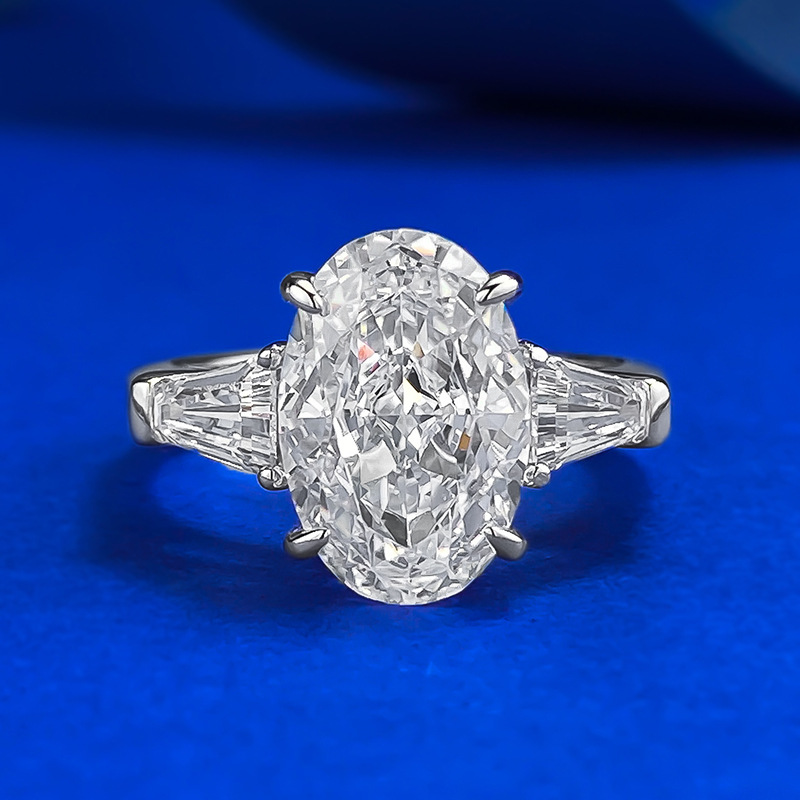
Cut Grade and Sparkle Comparison: Which Diamond Shines More?
Cut changes how a diamond looks more than almost any other detail. In a cut grade and sparkle comparison, the difference between a stone that feels lively and one that looks dull often comes down to how well it returns light.
That matters even more with lab-grown diamonds and fine jewelry. Buyers want strong visual impact, and they want real value too. Why pay more for specs you may never notice in daily wear?
GIA and IGI both use cut standards to judge how proportions, symmetry, and polish affect brilliance, fire, and scintillation. GIA reports for round brilliants and IGI grading for lab-grown diamonds help shoppers compare stones with more confidence. People don’t wear reports. They wear the diamond.
This cut grade and sparkle comparison focuses on what you actually see face-up, in real lighting, and in the settings people wear every day.
Cut Grade and Sparkle Comparison: What Actually Matters
Cut grade tells you how well a diamond was shaped from rough crystal into its finished form. For round brilliants and many other shapes, the grade helps predict how the stone handles light.
Brilliance is the white light return. Fire is the flash of color. Scintillation is the sparkle you see as the diamond moves. In a cut grade and sparkle comparison, those three traits matter more than a number on a report.
Two diamonds can weigh the same and even share the same color grade. Still, the better cut often looks brighter, sharper, and more expensive. That’s why cut is usually the first thing we look at when helping customers choose a stone.
Shoppers comparing diamonds online can often spot cut quality faster than color or clarity. The reason is simple: cut changes the way a diamond plays with light, and that shows up in videos, photos, and real life.
It also affects how forgiving the diamond feels in different lighting. A stone with an excellent cut may hold its sparkle in a dim restaurant, office lighting, and daylight near a window. A weaker cut can look fine under bright showroom lights but lose life when you get it home.
When evaluating diamonds for everyday wear, look beyond the basic grade and ask how the stone behaves in the context of your ring style, finger size, and budget. A small, well-cut diamond can look more impressive than a larger stone with less efficient light return.
How to read a grading report before you compare sparkle
A grading report is the starting point, not the whole decision. For round diamonds, review the cut grade first, then look at table percentage, depth percentage, symmetry, and polish. These numbers help explain why two stones with the same cut grade may still look different.
For shoppers using a GIA report, a cut grade of Excellent is usually the strongest benchmark for light performance in a round brilliant. For IGI reports, especially on lab-grown diamonds, the same concept applies, but the proportions and viewing videos matter just as much. Ask for the actual report number and verify it on the grading laboratory’s website when possible.
Be cautious with stones that have a strong cut grade on paper but limited visual information. If the vendor can provide 360-degree videos, ASET images, or IdealScope images, that can reveal light leakage, dark zones, and contrast patterns that a plain report does not show.
Excellent Cut Diamonds: The Brightest Option
Excellent cut diamonds sit at the top of the grading scale for many round brilliant stones. In a cut grade and sparkle comparison, this grade usually wins on visual performance.
These diamonds are made to return more light to the eye. The result is stronger brightness, tighter contrast, and more lively sparkle in most settings.
What excellent cut usually looks like
An excellent cut diamond often shows:
- Strong brightness across the face-up view
- Crisp sparkle when the stone moves
- Balanced fire and white light return
- Sharp patterning in round shapes
- A clean, premium look in daylight and indoor light
That’s why many buyers think of excellent cut when they picture a diamond that really shines. It tends to look more energetic than lower grades of the same size and color.
In practical terms, excellent cut can make a diamond look more “finished.” The stone may appear to have more presence even at a smaller carat weight, which is especially helpful for buyers who want a refined look instead of just a bigger number.
Why buyers choose excellent cut
Most shoppers choose excellent cut for a few clear reasons:
- Better light return – The stone looks brighter and more alive.
- Stronger first impression – It usually grabs attention fast.
- Better online viewing – Photos and videos tend to look better.
- Easier to justify for an engagement ring – Many buyers want the best-looking center stone.
If sparkle is the top goal, excellent cut is usually the safer choice in a cut grade and sparkle comparison.
Where excellent cut can fall short
The biggest downside is price. Excellent cut stones often cost more than very good cut diamonds of similar quality.
A report grade alone can also be misleading. Two diamonds can both earn excellent, but one may have better proportions than the other. That’s why you should always look at the full report, not just the label.
Some excellent cut diamonds may also face a tradeoff with size or color if the budget is fixed. Buyers sometimes stretch for the highest cut grade and then have to accept a smaller center stone or a slightly lower color grade. The best purchase is the one that balances sparkle with the details you will actually see in the finished ring.
Very Good Cut Diamonds: Smart Value With Strong Style
Very good cut diamonds offer a nice balance of beauty and price. Many still look bright and attractive in daily wear.
In a cut grade and sparkle comparison, very good cut is often the value pick. It gives up a little sparkle, but it may free up budget for size, setting, or color.
How very good cut compares to excellent cut
A very good cut diamond may show slightly less brightness or contrast than an excellent cut diamond. The gap is often subtle.
You may notice:
- A touch less sparkle
- Slightly softer brightness at some angles
- Less crisp patterning under close inspection
- A look that still feels polished and attractive
For many buyers, that tradeoff makes sense. If you’d rather put money toward a bigger stone or a better ring design, very good cut can be the smarter choice.
Value benefits of very good cut
Very good cut diamonds can stretch your budget further. In some price bands, the savings can be enough to move up in carat weight or improve the setting.
That can help you choose:
- A larger center stone
- A better mounting
- More side stones or accents
- A more balanced overall ring budget
For shoppers who want beauty without paying top dollar, very good cut deserves a close look.
Where very good cut makes the most sense
Very good cut is often ideal when the stone will be seen from a normal viewing distance, such as earrings, pendants, or rings with smaller center stones. It can also be a practical choice if you plan to use a halo or a pavé setting, because the surrounding diamonds add visual sparkle.
In larger solitaire rings, the cut difference can become easier to see. The face-up surface is bigger, so any weak light performance stands out more. If you are choosing a one-carat-plus center stone for an engagement ring, compare very good and excellent side by side before deciding.
What to watch for
The main tradeoff is sparkle. A very good cut diamond may still look great in store lighting, but the difference can show in softer indoor light or side by side with an excellent cut stone.
Don’t judge by grade alone. Check the proportions, ask for videos, and compare the stone in more than one light source. That’s how a real cut grade and sparkle comparison should be done.
Also be careful when a lower price seems too good to be true. Some very good cut diamonds are priced attractively because they have less desirable proportions, a larger table, or a deep pavilion that hides spread. Always ask how the carat weight translates to the actual face-up size.
Side-by-Side Cut Grade and Sparkle Comparison
A direct comparison makes the differences easier to see. Here’s how excellent and very good cut diamonds usually stack up.
| Factor | Excellent Cut | Very Good Cut |
|---|---|---|
| Sparkle | Highest brilliance and scintillation | Strong sparkle with slightly less punch |
| Brightness | Excellent light return | Very good light return |
| Fire | Often more vivid and balanced | Good fire, sometimes a bit softer |
| Face-up look | Crisp, bright, and highly lively | Attractive, but a little less sharp |
| Daylight performance | Strong and consistent | Very good, with small variation possible |
| Indoor lighting | Excellent contrast and flash | Good to very good |
| Price | Higher | Usually lower |
| Best for | Engagement rings, premium looks, top sparkle | Value buyers, larger size goals, budget balance |
Natural light performance
In daylight, excellent cut diamonds usually stand out more. They often show stronger brightness and a cleaner mix of white and colored flashes.
Very good cut diamonds can still look beautiful outside. Still, if the proportions are less refined, the sparkle may feel a little softer from certain angles.
Direct sunlight can be revealing. Stones with strong cut quality will usually throw more vivid flashes while moving, while weaker stones may look flatter or show less contrast. Overcast daylight is also a useful test because it can expose whether the diamond still looks lively when the light is less intense.
Indoor lighting performance
Under spotlights, both grades can look impressive. Even so, excellent cut stones often show a stronger pop.
Very good cut diamonds hold up well indoors too. The difference is easier to spot when you compare two stones side by side.
Try to evaluate diamonds under several conditions: showroom spotlights, normal room lighting, and window light. A diamond that only looks good under one type of light may not deliver the most satisfying everyday sparkle.
What grading reports can tell you
According to GIA and IGI grading standards, cut quality affects how efficiently a diamond returns light to the eye. That’s the heart of any honest cut grade and sparkle comparison.
A report can also hint at why one stone looks better than another. Table size, depth, symmetry, and polish all matter, especially in round brilliants.
For example, a very large table may increase brightness but reduce fire, while excess depth can make the diamond face up smaller than its carat weight suggests. Symmetry and polish are not the whole story, but they help reveal whether the stone was finished with care.
Best choice by jewelry type
- Engagement rings: Excellent cut usually wins because daily wear calls for strong sparkle.
- Earrings: Very good cut can work beautifully since they’re often seen from farther away.
- Pendants: Either grade can shine, but excellent cut gives more visible flash.
- Everyday jewelry: Very good cut may be the better value if price matters.
How Diamond Shape Changes the Sparkle Comparison
Cut grade is easiest to compare in round brilliants, but shape changes everything once you move into fancy shapes. Oval, cushion, pear, radiant, and marquise diamonds do not all reflect light the same way.
Round brilliants typically offer the most predictable sparkle because their facet structure is designed for light return. In a cut grade and sparkle comparison, round diamonds are the most straightforward category for shoppers who want reliable brightness.
Fancy shapes should be judged by appearance, not just report grade. A well-cut oval can show a bright center and attractive “crushed ice” or larger-flash patterning, while a poorly cut oval may look dark in the middle or lose fire near the edges. Cushions vary widely as well, with some leaning toward a soft romantic glow and others showing more modern brilliance.
If you are choosing a fancy shape, ask for a video and check for bow-tie effect, which appears as a dark band across the center of ovals, pears, and marquise diamonds. A visible bow-tie can reduce sparkle even when the cut grade looks acceptable on paper.
Diamond Specs That Influence Sparkle Beyond Cut
Cut is the biggest sparkle factor, but it is not the only one. A smart buyer checks the full combination of diamond specs before deciding.
- Color: Higher color grades can make a diamond look crisper, especially in white gold or platinum.
- Clarity: Eye-clean diamonds often offer the best value because sparkle can disguise minor inclusions.
- Carat weight: Bigger stones are more noticeable, but cut determines whether they look lively.
- Fluorescence: Strong fluorescence can sometimes help a lower-color diamond look whiter, but in some stones it may create a hazy appearance.
- Table and depth: These proportions influence brilliance, fire, and spread.
A good rule is to prioritize cut first, then decide where you can safely compromise. Many buyers prefer an eye-clean VS2 or SI1 clarity stone with a strong cut over a flawless stone with weaker sparkle. That approach usually delivers more visual impact for the money.
For color, G-H is often a practical sweet spot in white metals, while I-J can work nicely in yellow gold or rose gold. The metal choice can soften color concerns and help you allocate more budget to cut quality.
Setting Choices That Change How a Diamond Shines
The setting can make a good diamond look better or make a weak diamond’s flaws more obvious. This is a big part of the buyer decision because the diamond and the setting work together.
Solitaire settings
A solitaire keeps the focus on the center stone. This is the best option if you want to evaluate the diamond’s own sparkle without distractions. It also makes cut quality easier to spot because the light performance is front and center.
Halo settings
A halo adds small surrounding stones that amplify the overall sparkle effect. This can be a smart choice if you want more visual presence at a lower total cost than a larger center diamond. A halo can also make a very good cut center look more luxurious, though it won’t fix a poorly cut stone.
Three-stone settings
Three-stone rings create a balanced look and can visually widen the finger coverage. They are useful when you want to combine sparkle with symbolism or highlight a center stone without making it overly large.
Pavé and hidden halo designs
Pavé shanks and hidden halos add extra sparkle and make the ring look more detailed. They can complement an excellent cut center stone beautifully. Just remember that more small stones means more maintenance over time, since prongs can loosen and tiny stones can need tightening.
Metal choices
Metal affects both style and how the diamond’s color appears. Platinum is durable and pairs well with high-color diamonds, but it is usually more expensive. 14k white gold is a popular option because it offers a bright look at a lower price. Yellow gold gives warmth and works well with slightly lower color grades. Rose gold can flatter many skin tones and is often chosen for a softer, romantic feel.
If your diamond is in the I-J color range, yellow or rose gold can make it look whiter by comparison. If you choose an E-F color stone, white metals like platinum or white gold will help showcase the crispness of the diamond.
Price Ranges and Budget Planning
Prices vary widely depending on carat weight, shape, color, clarity, and whether the diamond is natural or lab-grown. Still, cut grade can influence cost enough to affect the entire ring budget.
As a practical guide, excellent cut diamonds usually carry a premium over very good cut stones of similar specs. That premium may be modest in smaller stones and more noticeable as carat size rises. In the lab-grown market, the price gap can be smaller than many shoppers expect, which is why some buyers choose to upgrade cut without a dramatic budget jump.
When planning your purchase, compare three budget scenarios:
- Top sparkle: Excellent cut, slightly smaller carat, strong setting
- Balanced value: Very good cut, larger stone, refined setting
- Luxury look: Excellent cut with premium metal and accent diamonds
For engagement rings, many buyers set a total budget and divide it between the center stone and the mounting. A common mistake is spending too much on carat weight and not enough on cut, which can leave the ring looking less brilliant than expected. Another mistake is overspending on an elaborate setting while choosing a diamond with mediocre light return.
Common Mistakes Buyers Make in a Cut Grade and Sparkle Comparison
The most common mistake is assuming that all Excellent or Very Good grades look the same. They do not. Two diamonds with the same label can perform differently because of subtle proportion differences and facet alignment.
Another mistake is shopping by carat weight alone. A 1.00 carat diamond with weak cut can look less impressive than a 0.90 carat diamond with superior cut and spread. Face-up size matters, but sparkle often makes the stone seem larger and more alive.
Some buyers also ignore the shape. A fancy shape with a loose grading structure should be inspected more carefully than a round brilliant. Bow-ties, dark centers, and uneven outlines can hurt beauty even when the listed specs look fine.
It is also easy to overfocus on clarity. Many diamonds that are eye-clean at VS2 or SI1 offer better value than higher clarity grades. Since most inclusions are not visible once the ring is worn, putting money into cut can create a much better overall result.
Finally, do not rely on stock photos. Lighting can make almost any diamond look good. Ask for a video taken under neutral lighting and, if possible, compare the diamond in natural daylight and in a regular indoor environment Before You Buy.
Who Should Choose Excellent Cut vs Very Good Cut?
The best choice depends on what you care about most.
Choose excellent cut if you want:
- The strongest sparkle possible
- A premium look for an engagement ring
- Better performance in photos and video
- A diamond that feels impressive right away
- More confidence while shopping online
If sparkle is the main reason you’re buying the diamond, excellent cut is usually worth it.
Choose very good cut if you want:
- Better value for your budget
- More room to go up in size
- A diamond that still looks beautiful in daily wear
- A smart compromise between cut and cost
- More flexibility for the setting
For many shoppers, very good cut is the sweet spot. It keeps the stone attractive while leaving room elsewhere in the ring.
How shape and setting affect the choice
Shape matters a lot. Round brilliant diamonds are the easiest to compare because cut grading is most consistent.
Fancy shapes like oval, pear, marquise, radiant, and cushion depend more on proportions and visual inspection. A halo setting can boost sparkle. A solitaire can make cut quality easier to see.
Don’t compare cut grade alone. Look at shape, table, depth, symmetry, polish, and video in different lighting. If you want to keep comparing, shop our lab-grown diamonds or build your ring online.
If you are comparing an engagement ring for active daily wear, also think about setting height and prong style. A lower-profile setting may be more comfortable and less likely to snag, while a cathedral or high-set solitaire can show off the diamond more dramatically. The right design depends on whether you want maximum visibility or a sturdier everyday profile.
Size, Sizing, and Practical Wear Considerations
Diamond sparkle is only part of the purchase. The ring also has to fit comfortably and suit the person who will wear it.
For ring sizing, most engagement rings are ordered in standard sizes and adjusted later if needed. If you are buying a surprise, try to borrow an existing ring from the correct finger or ask a close friend for help. Resizing is possible for many styles, but not all. Full eternity bands, some tension settings, and heavily patterned pavé rings can be harder to alter.
Think about finger width and hand shape when choosing carat weight and setting style. A diamond that looks large on one finger may look perfectly moderate on another. If the wearer has a smaller hand, an excellent cut stone can create the impression of more size because the brightness draws the eye. On larger hands, a slightly larger very good cut stone may balance better visually.
Also consider daily lifestyle. If the ring will be worn around children, at work, or during frequent travel, a lower set design with secure prongs may be more practical than an ultra-high mounting. Comfort and durability matter just as much as sparkle.
Shipping, Returns, and Warranty Questions to Ask Before You Buy
Fine jewelry buyers should review the seller’s policies before placing an order. A beautiful diamond is only a good purchase if the buying process is protected.
Ask whether the retailer offers insured shipping and signature-required delivery. For higher-value rings, it is important that the package is fully insured from the seller’s facility to your door. Many reputable jewelers also provide tracking and discreet packaging so the contents are not obvious from the outside.
Check the return window carefully. Some companies allow 14 days, while others offer 30 days or more. A strong return policy gives you time to compare the diamond in your own lighting conditions. Make sure you know whether return shipping is covered and whether custom-made settings are final sale.
A warranty or service plan can also matter. Ask if prong tightening, polishing, rhodium plating, and routine inspections are included. For lab-grown and natural diamonds alike, the setting is often the part that needs maintenance over time.
Care Tips to Keep the Sparkle Strong
Even a superbly cut diamond can look dull if it is covered with lotions, soap, or oils from daily wear. Regular care keeps the sparkle close to what you saw at purchase.
At home, clean the ring with warm water, mild dish soap, and a soft brush. Rinse it well and dry it with a lint-free cloth. Avoid harsh chemicals, toothpaste, or abrasive cleaners that can damage metal finishes or loosen settings over time.
Store diamond jewelry separately so harder stones do not scratch other pieces. If the ring has pavé or halo details, inspect the small stones periodically to make sure none are loose. Have prongs checked at least once a year, or sooner if the ring is worn every day.
If the ring is white gold, it may need rhodium replating over time to maintain its bright white appearance. Platinum does not need plating, but it can develop a soft patina that some buyers love and others prefer to polish away.
Expert Recommendation: What Most Buyers Should Pick
For most buyers, excellent cut is the better choice. Cut has the biggest effect on sparkle, and sparkle is usually what people notice first.
A well-cut diamond can look more impressive than a larger stone with weaker light return. That’s the key lesson behind any solid cut grade and sparkle comparison.
Still, very good cut has a real place. If budget matters more than chasing the top grade, a strong very good cut can deliver excellent beauty.
StoneBridge customers often tell us they expected to see a huge gap between the two grades. In practice, the difference is often subtle, but it matters more when the stones are viewed side by side.
The smartest approach is to compare actual stones, not just grading labels. Use the report as a filter, then judge the diamond by video, proportions, shape, setting, and how it looks in the light you live with every day.
FAQ: Cut Grade and Sparkle Comparison
What is the difference between excellent cut and very good cut sparkle?
Excellent cut diamonds are usually made for stronger light return, so they often show more brilliance and scintillation. Very good cut diamonds can still look attractive, but the sparkle may be a little softer in some lights. In a cut grade and sparkle comparison, excellent cut usually looks livelier. If you want the brightest face-up look, excellent cut is the safer pick.
Is excellent cut worth it for a lab-grown diamond?
For many shoppers, yes. Lab-grown diamonds can offer a lot of size and quality for the money, so cut becomes even more important. Excellent cut helps the stone look bright and lively, which is what most people want in an engagement ring. If your budget is tight, very good cut can still be a strong value.
Can you see the difference between very good and excellent cut with the naked eye?
Sometimes you can, but not always. The gap is often small and shows up more clearly in side-by-side viewing or bright lighting. In normal daily wear, many people won’t spot a big difference right away. If sparkle is a top priority, compare the stones in video Before You Buy.
Which cut grade gives the most sparkle in an engagement ring?
Excellent cut usually gives the most sparkle in an engagement ring. It tends to show stronger brilliance, sharper contrast, and better overall light return. That makes it a favorite for center stones that need to stand out. A good setting can make the effect even stronger.
Should I choose a bigger very good cut diamond or a smaller excellent cut diamond?
If sparkle matters most, the smaller excellent cut diamond often looks more impressive. It handles light better, so it can appear more lively even if it’s slightly smaller. If size is your main goal, very good cut can be a smart tradeoff. The right choice depends on whether you value impact or size more.
What diamond specs should I prioritize after cut?
After cut, most buyers should focus on color, clarity, and spread. A near-colorless grade such as G, H, or I can offer strong value, especially in white gold or platinum. For clarity, choose an eye-clean stone rather than paying for a higher grade you will not see. Then compare the stone’s face-up dimensions so you know how large it will actually appear.
How much should I expect to spend?
Prices depend on whether the diamond is lab-grown or natural, plus size, color, clarity, and shape. Lab-grown diamonds often provide a lower entry price, making excellent cut more accessible. Natural diamonds can cost substantially more for the same apparent size. In either category, a strong setting can add a few hundred to several thousand dollars depending on metal and design complexity.
Do certifications from GIA or IGI matter when comparing sparkle?
Yes. A certification helps confirm that the diamond was graded by an independent laboratory. It does not replace your own visual review, but it gives you a baseline for comparison. Use the report to confirm cut, measurements, polish, symmetry, and other specs, then inspect videos and photos to judge real-world sparkle.
Shop the Right Stone for Your Budget
If you’re ready to compare stones, start with excellent cut and very good cut diamonds in the same size range. Seeing them side by side makes the choice much easier.
Browse StoneBridge Jewelry here:
- Explore engagement rings for sparkle-focused styles
- Shop lab-grown diamonds to compare cut grades
- Use our ring builder to match the diamond to your setting and budget
- Browse fine jewelry for everyday pieces with strong visual appeal
Need help choosing between two diamonds? Contact our jewelry experts. A careful cut grade and sparkle comparison can turn a good choice into the right one.
Ready to Find Your Perfect Diamond?
Explore our collection of certified lab-grown diamonds
Shop Diamonds