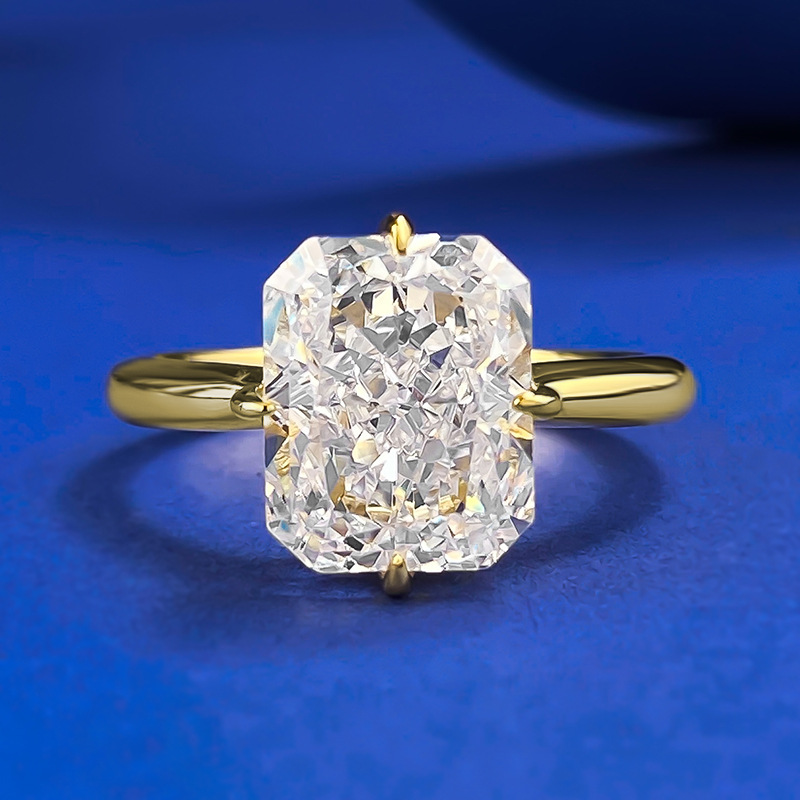
Cushion Diamond Ring Setting Compare: Solitaire, Halo, and Three-Stone Styles
A cushion diamond ring setting compare usually starts with one honest question: which ring will still feel right after years of daily wear? Cushion-cut diamonds have rounded corners, soft square or rectangular outlines, and chunky flashes of light. The setting can make that same diamond feel classic, glamorous, vintage-inspired, or clean and modern.
This cushion diamond ring setting compare covers the styles shoppers ask about most: solitaire, halo, three-stone, and pavé or side-stone designs. Each style can be beautiful. Each one also changes how the diamond looks, feels, and fits beside a wedding band.
A solitaire keeps the focus on the center stone. A halo adds a frame of small diamonds for more sparkle and a larger face-up look. A three-stone ring adds meaning and width. A pavé band brings shimmer without surrounding the center diamond.
The right choice depends on sparkle, comfort, budget, maintenance, setting height, and how hard you are on your jewelry.
Cushion Diamond Ring Setting Compare: What Matters First
A useful cushion diamond ring setting compare should look beyond the first impression. Sparkle matters, but so do prongs, profile height, cleaning, and long-term service. Engagement rings are worn through workdays, travel, workouts, gloves, lotion, and the occasional bump against a countertop.
Cushion diamonds respond strongly to setting style. A slim solitaire can make the shape look crisp and elegant. A cushion halo can make the diamond look larger and more defined. A three-stone setting stretches the design across the finger. A pavé band adds light without stealing attention from the center stone.
Use these six points as your filter:
- Sparkle: How much light comes from the center diamond and accent stones?
- Perceived size: Does the ring make the center diamond look larger?
- Security: Are the prongs, bezels, or pavé settings built for daily wear?
- Cleaning: Will soap, lotion, and dust collect in small spaces?
- Budget: How much money goes toward the center diamond versus the setting?
- Wedding band fit: Will a straight band sit flush, or will you need a curved band?
GIA describes diamond quality through the 4Cs: cut, color, clarity, and carat weight. IGI also grades many lab-grown diamonds and provides reports with measurements, proportions, and grade details. Those reports help you compare stones with facts, not just photos.
At StoneBridge Jewelry, customers often narrow the choice faster once they try on two profiles: a clean solitaire and a more detailed halo or three-stone ring. The difference on the hand is immediate.
How Cushion-Cut Diamonds Affect Setting Choice
A cushion diamond ring setting compare should always account for shape. Square cushions feel balanced and classic. Elongated cushion diamonds can flatter the finger because they create more length.
Prong placement matters too. Four prongs show more of the diamond, while double prongs add contact points near the rounded corners. Claw prongs look sleek. Rounded prongs look softer. A bezel or semi-bezel protects more of the edge, but it also changes the open, airy look of the ring.
Setting height affects comfort. A high setting can make the diamond look more prominent and may allow a wedding band to sit closer. A lower setting feels easier for active hands, though some low profiles need a curved wedding band.
Band width is another quiet detail that makes a big difference. Many engagement ring bands fall around 1.8 mm to 2.2 mm because that range balances delicacy and strength. Very thin bands can look pretty, but they may need more care over time.
Solitaire Cushion Diamond Ring Settings
A solitaire is the cleanest option in a cushion diamond ring setting compare. It puts almost every bit of attention on the center diamond. No halo. No side stones. No extra detail competing with the cushion outline.
That simplicity is the appeal. A well-cut cushion diamond in a solitaire setting can look graceful for decades. It also gives you the most flexibility with wedding bands, from plain metal bands to diamond bands.
Popular solitaire styles include:
- Four-prong solitaire: Minimal metal with a clear view of the diamond shape.
- Double-prong solitaire: Two small prongs at each corner for a refined, secure look.
- Cathedral solitaire: Raised arches support the center stone and add structure.
- Hidden halo solitaire: Small diamonds sit under the center stone for side-view sparkle.
- Low-profile solitaire: The diamond sits closer to the finger for easier daily wear.
- Bezel-inspired solitaire: Metal protects more of the edge for a smooth, secure feel.
Solitaire settings often leave more of the budget for the diamond itself. If you are choosing between a detailed setting and a larger or better-graded center stone, the solitaire may give you more room. For example, the cost difference between a plain mounting and an intricate halo can sometimes help move from one carat range to the next, depending on diamond specs and metal choice.
Solitaire Pros and Cons
A cushion diamond ring setting compare gives solitaires high marks for comfort and upkeep.
Pros:
- Timeless look that does not feel trendy
- Easier to clean than halo or pavé designs
- Often lower setting cost
- Fewer accent stones to inspect
- Strong wedding band flexibility
- Full focus on the center cushion diamond
Cons:
- Less finger coverage than halo or three-stone rings
- Center diamond may look smaller than it would in a halo
- Some shoppers prefer more sparkle
- Ultra-thin bands can wear faster with daily use
Choose a solitaire if you want a ring that feels elegant, practical, and easy to wear. It is the safest choice for someone who wants the diamond, not the setting, to do most of the talking.
Halo Cushion Diamond Ring Settings
A halo is often the most eye-catching option in a cushion diamond ring setting compare. Small diamonds frame the center stone, which increases sparkle and makes the ring look larger from the top.
A cushion-shaped halo works especially well because it follows the soft corners of the center diamond. It can make a square cushion look more defined and help an elongated cushion look fuller. If you love a bright, dressed-up ring, this style is hard to ignore.
Common halo styles include:
- Cushion-shaped halo: Follows the pillow-like outline of the center stone.
- Hidden halo: Adds sparkle under the diamond, mostly visible from the side.
- Double halo: Uses two rows of accent diamonds for a larger look.
- Milgrain halo: Adds tiny beaded metal detail for a vintage feel.
- Micro-pavé halo: Uses very small diamonds for a delicate frame.
- Floating halo: Leaves a slight gap around the center stone for an airy outline.
A halo can change the way a diamond reads on the hand. A 1.50 carat cushion with a well-built halo may appear closer in finger coverage to a larger solitaire, though the center diamond weight does not change. That is why halo settings remain popular with buyers who want strong visual impact.
Lab-grown diamond halos can offer strong value too. Because lab-grown diamonds often cost less than comparable mined diamonds with similar grades, shoppers may be able to choose a larger center stone or a more detailed setting. You can compare shapes and grades in StoneBridge's lab-grown diamond selection before choosing the final ring style.
Halo Pros and Cons
A cushion diamond ring setting compare usually ranks halo settings highest for sparkle and perceived size.
Pros:
- Larger face-up look than a solitaire of the same center size
- Extra brilliance from accent diamonds
- Strong romantic, vintage, or glamorous style
- Excellent finger coverage
- Good choice for shoppers who want more presence
Cons:
- More small stones to clean and inspect
- Higher setting cost than many solitaires
- Micro-pavé can need more maintenance
- Some halos require a curved wedding band
- High halos may snag on fabric or gloves
A halo is best for someone who wants sparkle first. Plan for care as part of ownership. Professional inspection every 6 to 12 months is smart for rings with pavé, halos, or many tiny prongs.
Three-Stone and Side-Stone Cushion Settings
Three-stone rings add meaning to a cushion diamond ring setting compare. Many couples like the past, present, and future symbolism. The center cushion stays in the spotlight, while the two side stones add width and balance.
Side-stone shapes change the mood of the ring. Round side stones feel soft and classic. Tapered baguettes add an Art Deco look. Trapezoids feel clean and geometric. Half-moons curve nicely beside a cushion diamond. Pears create a romantic outline.
Side-stone and pavé settings are a little different from true three-stone rings. A three-stone design uses two larger side diamonds. A pavé or side-stone band uses smaller diamonds along the shank for shimmer.
This category is a strong middle ground. You get more detail than a solitaire, but you do not fully frame the center stone like a halo does.
Three-Stone and Side-Stone Pros and Cons
A cushion diamond ring setting compare puts these styles near the top for personalization.
Pros:
- Meaningful engagement ring symbolism
- More width across the finger
- Extra sparkle without a full halo
- Many side-stone shape options
- Strong custom design potential
Cons:
- Side stones must be matched carefully
- Usually costs more than a solitaire
- Some designs need a contoured wedding band
- More prongs require more inspections
Diamond matching is key. If the center diamond is near colorless, such as G or H, the side stones should sit in a compatible color range. A mismatch can make one stone look too warm or too bright beside the others.
If you are still comparing silhouettes, browse StoneBridge's engagement ring collection or start with the ring builder to test diamond shape, metal, and setting combinations.
Cushion Diamond Ring Setting Compare Table
This cushion diamond ring setting compare table gives a quick side-by-side view. Prices vary by metal, accent diamond quality, craftsmanship, and center diamond choice.
| Setting Type | Style Feel | Sparkle | Perceived Size | Upkeep | Wedding Band Fit | Estimated Setting Range* |
|---|---|---|---|---|---|---|
| Solitaire | Clean, classic | Medium | Medium | Low | Excellent | $700-$2,500 |
| Halo | Glamorous, bright | Very high | Very high | Medium-high | May need contour band | $1,400-$4,500+ |
| Three-Stone | Symbolic, balanced | High | High | Medium | Depends on side stones | $1,800-$6,000+ |
| Pavé Band | Refined, sparkly | High | Medium-high | Medium-high | Usually good | $1,200-$4,000+ |
| Hidden Halo | Subtle, modern | Medium-high | Medium | Medium | Often good | $1,200-$3,500+ |
| Bezel or Semi-Bezel | Sleek, secure | Low-medium | Medium | Low | Good to excellent | $1,000-$3,500+ |
| Vintage-Inspired | Detailed, heirloom | High | High | Medium-high | Often needs matching band | $1,800-$5,500+ |
*Setting ranges are estimates and do not include every center diamond price. Final pricing depends on diamond specs, metal, ring size, and design details.
The quick take: solitaire wins for low upkeep and budget control. Halo wins for sparkle and size impression. Three-stone wins for meaning and finger coverage. Bezel and semi-bezel settings win for security.
Budget, Lab-Grown Value, and Daily Wear
A cushion diamond ring setting compare should include the full budget, not just the center diamond. Solitaires usually cost less because they use fewer stones and less setting labor. Halo, pavé, and three-stone rings cost more because they include extra diamonds and more detailed work.
Lab-grown cushion diamonds can shift the budget in a helpful way. Many shoppers can choose a larger carat weight, higher color grade, or more detailed setting than they expected. Still, the diamond report matters. Review carat weight, color, clarity, measurements, table percentage, depth percentage, and length-to-width ratio.
For daily wear, think about your hands. Do you wear gloves often? Do you work with equipment, children, pets, or fitness gear? A lower solitaire, semi-bezel, or smooth-sided setting may be easier than a high micro-pavé halo.
Care is simple but important. Clean most diamond rings with warm water, mild dish soap, and a soft brush. Skip harsh chemicals. Have prongs and accent stones checked at least once or twice a year, especially if you wear the ring every day.
If fit is part of your decision, use StoneBridge's ring size guide before finalizing your order. A comfortable fit helps protect both the ring and the wearer.
Best Setting by Shopper Priority
A cushion diamond ring setting compare becomes easier once you know what you care about most.
- Best for low maintenance: Solitaire or bezel-inspired setting.
- Best for maximum sparkle: Halo or pavé halo.
- Best for sentimental meaning: Three-stone setting.
- Best for modern minimalism: Cathedral solitaire or hidden halo solitaire.
- Best for finger coverage: Halo, double halo, or three-stone ring.
- Best for active lifestyles: Low-profile solitaire, bezel, or semi-bezel.
- Best for easy wedding band pairing: Classic solitaire.
If you want a ring that looks bigger and brighter, start with halo designs. If you want easy care and long-term flexibility, start with solitaires. If you want a personal story built into the ring, three-stone designs deserve a close look.
Expert Recommendation
After a full cushion diamond ring setting compare, the halo setting is the strongest overall choice for many StoneBridge shoppers. It gives cushion diamonds more sparkle, more finger coverage, and a larger face-up look. It also works well with both square and elongated cushion shapes.
The halo is not the right answer for everyone. A solitaire is better if you want lower upkeep and a cleaner profile. A three-stone ring is better if you want symbolism and a wider design. A pavé band is a smart choice if you want shimmer without a full frame around the center stone.
For the best balance of beauty, perceived Size, and Value, choose a cushion halo. For the easiest daily ring, choose a solitaire. For a meaningful custom feel, choose a three-stone setting.
Ready to compare styles in person or online? Shop StoneBridge's cushion-cut lab-grown diamond engagement rings, browse halo engagement rings, or compare solitaire engagement rings. For more symbolic designs, explore three-stone engagement rings.
Need help choosing between two settings? Contact StoneBridge's jewelry team for guidance on prong style, diamond proportions, metal choice, and wedding band fit.
FAQ: Cushion Diamond Ring Setting Compare
What is the best setting for a cushion-cut diamond engagement ring?
The best setting depends on your lifestyle and style taste, but halo settings often win for sparkle and perceived size. They frame the cushion diamond and make the ring look more substantial on the hand. Solitaires are better if you want easier cleaning and a timeless look. Three-stone rings are ideal if you want symbolism and extra width.
Does a halo setting make a cushion diamond look bigger?
Yes, a halo can make a cushion diamond look bigger because the accent diamonds extend the outline of the center stone. The center diamond's carat weight does not change, but the face-up footprint looks larger. This is one reason cushion halo engagement rings are popular with shoppers who want more presence. For the cleanest look, choose a halo that follows the cushion shape closely.
Are cushion solitaire engagement rings better than halo rings?
Cushion solitaire rings are better for buyers who want low maintenance, clean lines, and simple wedding band pairing. Halo rings are better for shoppers who want more sparkle and a larger-looking ring. Neither style is automatically better; they solve different needs. If you work with your hands often, a low-profile solitaire may feel more practical.
What is the most secure setting for a cushion diamond ring?
A bezel, semi-bezel, low-profile solitaire, or well-made double-prong setting can offer strong security for a cushion diamond. Double prongs help protect the rounded corners while keeping the shape visible. If you choose a halo or pavé band, schedule inspections every 6 to 12 months. Regular checks help catch loose prongs before a stone is lost.
Which cushion diamond ring setting works best with a wedding band?
Classic solitaire settings usually pair best with straight wedding bands. Halo, three-stone, and very low-set rings may need a curved or contoured band for a closer fit. Before You Buy, check the side profile of the engagement ring and ask how a band will sit beside it. If you want a flush stack, plan both rings together.
Ready to Find Your Perfect Diamond?
Explore our collection of certified lab-grown diamonds
Shop Diamonds