Cushion Diamond Bezel Setting Compare: Bezel vs Prong vs Halo
Quick Take: How the Three Settings Differ
A cushion diamond bezel setting compare should start with daily wear, not just sparkle. Will you wear your ring every day? Do you work with your hands, travel often, or pull gloves on and off? Those habits matter because the setting controls how protected, open, and easy to clean your cushion diamond will be.
Cushion diamonds have a soft square or rectangular shape with rounded corners. Some show chunky antique-style flashes. Others have a crushed-ice look with many smaller reflections. Because cushions vary more than round brilliants, the setting changes the finished look in a big way.
A bezel setting wraps a thin rim of metal around the diamond edge. A prong setting holds the stone with small metal tips. A halo setting surrounds the center diamond with smaller accent stones, adding sparkle and a larger face-up look.
If you want the short answer, bezel wins for protection and comfort. Prongs win for a classic, open look. Halos win for extra visual size and decorative sparkle. The best choice depends on how you want the ring to feel on your hand every day.
Why Cushion Diamonds Need the Right Setting
A cushion diamond bezel setting compare is useful because cushion cuts are not one-size-fits-all. A square cushion usually has a length-to-width ratio near 1.00 to 1.05. An elongated cushion often falls around 1.10 to 1.20, which can make the finger look longer.
The girdle, or outer edge of the diamond, takes the most contact during wear. GIA explains that diamond quality depends on factors such as cut, polish, symmetry, clarity, color, and measurements. Those details matter, and the setting decides how much of the diamond edge stays protected.
Our customers often notice this most during try-ons. A cushion in prongs can feel airy and traditional. The same size stone in a bezel can feel smoother, lower, and more secure. A halo may look larger from the top, even when the center diamond has the same carat weight.
This cushion diamond bezel setting compare focuses on six buying points: security, sparkle, style, comfort, maintenance, and value. A ring is not just a photo. It is something you will wear through errands, workdays, dinners, travel, and all the small routines in between.
Bezel Setting for Cushion Diamonds
A bezel setting uses a narrow metal frame to hold the cushion diamond around its edge. The bezel may fully surround the stone or cover only selected sections. Full bezels give the most protection, while partial bezels leave more of the diamond open.
In a cushion diamond bezel setting compare, the bezel usually ranks highest for security. The metal rim helps shield the rounded corners and girdle from knocks. It also lowers the chance of snagging on sweaters, hair, pockets, scarves, and gloves.
The look is clean and modern. Platinum or white gold gives a crisp finish. Yellow gold adds warmth. Rose gold creates a softer, romantic contrast. A well-made bezel should follow the cushion outline closely without making the ring look bulky.
Craftsmanship matters here. A heavy bezel can make a smaller cushion look closed in. A fine bezel, polished evenly, can define the stone beautifully and make the shape look more intentional. For a 0.75-carat cushion, the rim should be delicate. For a 2.00-carat elongated cushion, a slightly stronger bezel can still look balanced.
Bezel Pros in a Cushion Diamond Bezel Setting Compare
The biggest bezel benefit is peace of mind. It protects more of the diamond edge than prongs do, which helps during daily wear. It also creates a smooth profile that feels easy on clothing and skin.
A bezel can also make the cushion shape look neater. Since cushion diamonds vary in corner curve and outline, the metal frame gives the ring a tailored finish. This is especially helpful if you want a clean, minimalist engagement ring.
For lab-grown cushion diamonds, a bezel can be a smart pairing. IGI and GIA both grade lab-grown diamonds using the same basic quality factors used for mined diamonds. Many shoppers use the value difference to choose a larger center stone, then protect it with a secure setting.
Best bezel benefits include:
- Strong edge and corner protection.
- Lower snag risk than many raised prong rings.
- Smooth comfort for frequent wear.
- A sleek frame that defines the cushion outline.
- Strong value with lab-grown cushion diamonds.
Bezel Cons to Consider
A full bezel covers a small part of the diamond edge. If you want to see as much diamond surface as possible from every angle, prongs may suit you better. Some buyers also prefer the lighter, more traditional look of a solitaire.
A bezel can feel too metal-heavy if it is not well proportioned. Ask for videos, side views, and measurements before buying online. Look for even metal, a close fit, and a ring height that matches your comfort level.
Prong Settings for Cushion Diamonds
Prong settings use small metal tips to secure the diamond. Four prongs are common for cushion cuts because they show the outline clearly. Some rings use claw prongs for a sharper, refined look. Rounded prongs feel softer and more classic.
In this cushion diamond bezel setting compare, prongs lead for openness. They expose more of the diamond edge and keep the focus on the center stone. Most diamond brilliance returns through the crown, or top of the stone, but the open design can make the ring feel brighter and lighter.
Prongs need care. They can wear down, bend, or catch on fabric over time. If the stone starts to move or a prong feels rough, stop wearing the ring and ask a jeweler to inspect it.
Many jewelers suggest professional checks every 6 to 12 months for engagement rings worn daily. That schedule matters even more for prong, pavé, and halo designs. Early repairs are usually simple. Lost stones are not.
Halo Settings for Cushion Diamonds
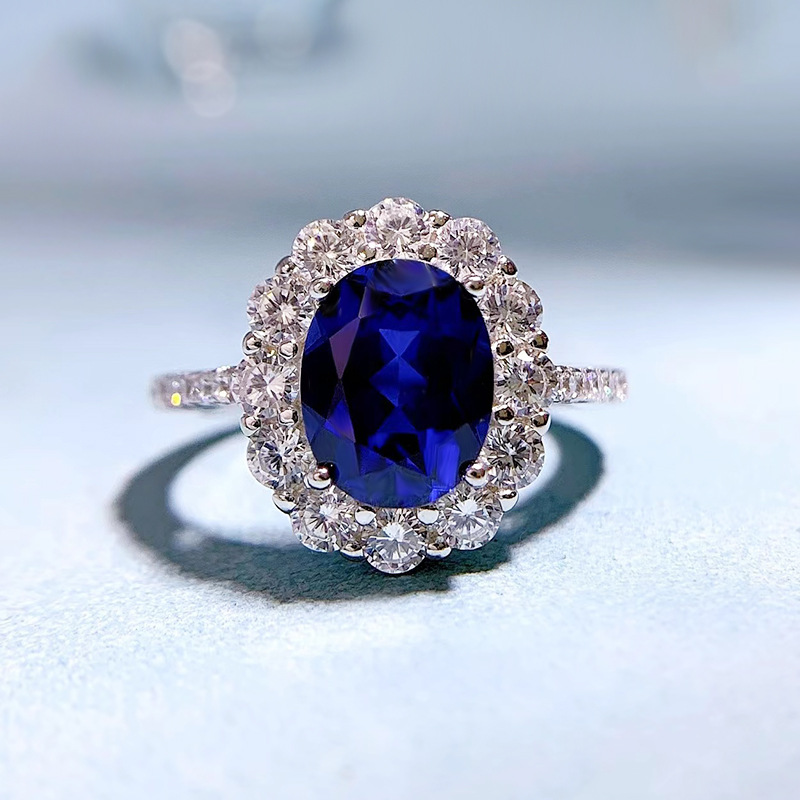
A halo setting places small diamonds around the cushion center stone. The halo often follows the pillow-like outline, which gives the ring a romantic, vintage-inspired feel. It also makes the ring look larger from the top.
A 1.00-carat cushion with a well-proportioned halo may look closer to a larger center-stone ring from a normal viewing distance. The exact effect depends on halo width, accent diamond size, and the center stone measurements. Carat weight alone does not tell the whole story.
In a cushion diamond bezel setting compare, halo settings win for decorative sparkle. They add more diamond surface across the top of the ring. They also suit buyers who love detail, milgrain edges, pavé bands, or antique-style design.
The trade-off is upkeep. Lotion, soap, dust, and oil can build up around tiny accent stones. A halo ring needs steady cleaning and routine inspections so the smaller diamonds stay secure.
Cushion Diamond Bezel Setting Compare Table
Use this table as a practical shopping shortcut. It shows the general strengths of bezel, prong, and halo settings for cushion diamonds.
| Factor | Bezel Setting | Prong Setting | Halo Setting |
|---|---|---|---|
| Security | Excellent; metal protects the perimeter | Very good, but more exposed | Very good, with more small parts to check |
| Corner protection | Excellent for cushion corners and girdle | Moderate to very good | Moderate for the center stone |
| Sparkle | Very good with a well-cut cushion | Excellent open look | Excellent due to accent diamonds |
| Visual size | Defined and polished | Shows more center stone | Largest face-up effect |
| Style | Sleek, modern, clean | Classic, airy, timeless | Romantic, detailed, vintage-inspired |
| Maintenance | Low to moderate | Moderate | Moderate to high |
| Best for | Active wearers and minimalists | Solitaire lovers | Buyers who want extra presence |
A cushion diamond bezel setting compare should never judge the setting alone. Metal quality, stone proportions, ring height, and workmanship all change the result. A precise platinum bezel may wear better than a thin prong setting with poor finishing.
How to Choose Based on Lifestyle
Choose a bezel if you want security, comfort, and a smoother edge. It is a strong choice for active wearers, frequent travelers, parents, medical professionals, and anyone who uses gloves. You will still need normal care, but the design has fewer exposed points.
Choose prongs if you want a classic solitaire with more visible diamond. Prongs pair easily with many wedding bands and keep the ring looking light. They work especially well when your cushion diamond has strong symmetry, polish, and pleasing facet pattern.
Choose a halo if you want more sparkle and visual size. Halos can stretch the look of the ring without moving to a much larger center stone. They are best for shoppers who enjoy detail and do not mind extra cleaning.
If you are still deciding, compare real videos instead of only product photos. A cushion diamond can change dramatically in motion. Brightness, contrast, and facet pattern often tell you more than the carat number.
Diamond Specs to Check Before You Choose a Setting
The best setting starts with the actual diamond report and measurements. For cushion cuts, do not shop by carat weight alone. A deep cushion may carry weight in the pavilion and look smaller from the top, while a well-spread cushion may give more face-up size at the same carat weight. Review the millimeter measurements, table percentage, depth percentage, polish, symmetry, color, clarity, and fluorescence on the grading report.
For many engagement ring shoppers, a practical lab-grown cushion range is F to H color and VS1 to SI1 clarity, depending on budget and how clean the individual stone looks in video. If you choose yellow or rose gold, you may be comfortable with a slightly warmer color grade because the metal already adds warmth. For white gold or platinum, shoppers who want an icy look often stay closer to D to G color.
Clarity should be judged with the setting in mind. A bezel can hide small inclusions near the girdle, but it will not hide a visible inclusion under the table. Prongs may cover a corner inclusion if the jeweler can orient the stone safely, but do not rely on prong placement without confirming it before production. Halo settings add sparkle around the stone, which can make small clarity characteristics less noticeable, but the center diamond should still look clean to the naked eye.
Ask for a grading report from GIA, IGI, or another respected laboratory, and make sure the report number matches the diamond being sold. For online purchases, request magnified video and a normal-distance hand video when possible. The magnified view helps you inspect inclusions and facet pattern, while the hand video shows the true personality of the cushion in everyday lighting.
Metal Choices, Ring Height, and Sizing
Metal choice affects durability, color, maintenance, and price. Platinum is dense, naturally white, and excellent for secure settings, especially bezels and prongs that will be worn daily. It usually costs more than gold and develops a soft patina over time. 14k gold is durable and practical for everyday wear because it contains more alloy than 18k gold. 18k gold has a richer color, especially in yellow gold, but it can be slightly softer.
White gold is usually rhodium-plated to give it a bright white finish. That plating may need refreshing over time, especially on the underside of the band where it rubs against surfaces. Yellow gold can make a near-colorless cushion look warmer and more traditional. Rose gold flatters many skin tones, but buyers with metal sensitivities should ask about alloy content because rose gold commonly contains copper.
Ring height matters more than many shoppers expect. A low-profile bezel can be comfortable and less likely to bump into hard surfaces, but it may limit how a straight wedding band sits beside it. A higher prong or halo basket may allow a flush wedding band, yet it can feel more exposed. Before ordering, ask whether the engagement ring is designed for a flush band, a curved band, or a small gap.
Sizing should account for band width and lifestyle. Wider bands usually feel tighter than thin bands in the same size. If the ring has a pavé band or detailed shank, large future resizing may be more difficult. For shoppers between sizes, a jeweler may recommend a quarter size adjustment, sizing beads, or a slightly wider band instead of making the ring too tight.
Budget and Price Range Expectations
Prices change with diamond size, lab report, metal, setting complexity, and production method, but a few practical ranges can help you compare. A simple 14k gold prong solitaire setting is often the most budget-friendly option. A bezel setting usually costs more than a basic prong solitaire because it requires precise metalwork around the full cushion outline. A halo setting can cost more still because of the accent diamonds, pavé work, and extra labor.
For a lab-grown cushion diamond ring, many shoppers build a strong everyday ring in the 1.00 to 2.00 carat range before moving into higher luxury budgets. A finished ring with a smaller lab-grown cushion and a simple gold setting may fall in a lower four-figure range, while a larger certified cushion in platinum, a custom bezel, or a detailed halo can move several thousand dollars higher. Natural cushion diamonds can cost much more at comparable size and quality.
When comparing quotes, make sure each price includes the same items: the center diamond, setting metal, accent stones, grading report, production, shipping, warranty terms, and resizing policy. A lower advertised setting price may not include the center stone or may use lighter metal. A very low halo price may also mean smaller or lower-grade accent diamonds. Ask about the Total Carat Weight of the halo or pavé, the color and clarity of accent stones, and whether repairs are covered after purchase.
Care, Cleaning, Shipping, and Returns
At home, clean cushion diamond rings with warm water, mild dish soap, and a soft toothbrush. Avoid harsh chemicals, bleach, and abrasive cleaners. Bezel settings may trap grime along the inner rim, so gently brush around the frame. Prongs and halos need attention around the basket and under the stone, where lotion and soap collect.
Remove your ring before heavy lifting, gardening, swimming, rock climbing, or using strong cleaning products. Diamonds are hard, but settings can bend and small accent stones can loosen. For daily-wear engagement rings, schedule professional cleaning and inspection at least once or twice a year. If you hear a rattle, see a gap, or notice a rough prong, stop wearing the ring until it is checked.
Shipping and returns are also part of a smart purchase. Before You Buy, confirm whether the ring ships insured, whether a signature is required, and how long production takes. Custom Bezel and Halo rings can take longer than ready-to-ship solitaires because the setting must be made or adjusted to the exact diamond measurements. If the ring is for a proposal date, build in extra time for sizing and possible weather or carrier delays.
Review the return and exchange policy carefully. Some made-to-order, engraved, resized, or custom rings may have limited returns. Ask whether resizing is included after delivery and whether the center diamond can be exchanged if the proportions or sparkle are not what you expected. A generous policy is especially valuable when buying a cushion diamond online, because cushions can look very different in person.
Common Mistakes to Avoid
One common mistake is choosing the setting before confirming the diamond’s exact shape. A square cushion, elongated cushion, and softly rectangular cushion may all need different basket proportions. If the setting is not built for the stone, the bezel can look uneven, the prongs can sit awkwardly, or the halo can leave distracting gaps.
Another mistake is focusing only on carat weight. A well-cut 1.50-carat cushion with attractive measurements may look better than a deeper 1.70-carat cushion that faces up small. Compare millimeter size, video performance, and length-to-width ratio before spending more for weight you may not see.
Do not ignore wedding band fit. Many shoppers choose a low bezel for comfort, then later realize a straight wedding band will not sit flush. That is not always a problem; a small gap can look intentional. But it should be a choice, not a surprise. Ask for side-profile images and band pairing recommendations before ordering.
Finally, avoid buying without a clear maintenance plan. Bezel rings are protective, not indestructible. Prongs are classic, not maintenance-free. Halos are sparkly, but they have more small stones to inspect. The best ring is the one whose look, care needs, and durability match your real routine.
Value Tips for Lab-Grown Cushion Diamonds
Lab-grown cushion diamonds can offer strong value, especially for buyers who want a larger center stone or higher color and clarity grades. GIA and IGI reports list key details such as carat weight, measurements, color, clarity, polish, symmetry, and fluorescence.
Pay close attention to measurements. Two 1.50-carat cushion diamonds can face up differently. One may measure around 6.8 x 6.8 mm, while an elongated cushion may measure closer to 7.5 x 6.3 mm. The setting should match the shape, not just the carat weight.
For security-minded buyers, the cushion diamond bezel setting compare often points to a lab-grown cushion in a refined bezel. You get the clean shape of the cushion, strong edge protection, and a modern look that works for daily wear.
If you are still choosing a center stone, you can shop lab-grown diamonds or build your engagement ring. For broader style ideas, browse engagement rings or explore more fine jewelry at StoneBridge Jewelry.
Our Recommendation
After weighing security, sparkle, comfort, upkeep, and value, the bezel setting is the best overall choice for many cushion diamond buyers. It protects the corners, frames the shape, and feels easy to wear. That balance is hard to beat for an engagement ring you plan to wear often.
Prongs and halos still have strong reasons to choose them. Choose prongs if you love a classic solitaire and want the most open view of the center stone. Choose a halo if you want a bigger, brighter look with more detail.
For the strongest daily-wear choice, start with cushion bezel engagement rings. If you prefer a traditional look, compare cushion solitaire engagement rings. For extra sparkle, view cushion halo engagement rings or choose a center stone from lab-grown cushion diamonds.
FAQ: Cushion Diamond Bezel Setting Compare
Is a bezel setting good for a cushion cut diamond?
Yes, a bezel setting is a strong match for a cushion cut diamond. It protects the rounded corners and girdle, which are the areas most likely to take contact during daily wear. It also gives the cushion shape a clean, finished outline. If you want a ring that feels secure and low-snag, bezel should be high on your list.
Does a cushion diamond bezel setting make the diamond look smaller?
A full bezel can cover a tiny part of the outer edge, so it may show less diamond surface than prongs. A well-proportioned bezel can make the cushion outline look sharper and more balanced. Metal color also matters because yellow or rose gold creates more contrast than white metal. Ask for videos and measurements before you decide.
Is bezel or prong more secure for a cushion diamond?
Bezel is usually more secure because it supports more of the diamond perimeter. Prongs can be very safe when they are well made, but they leave more edge exposed. If you choose prongs, plan on jeweler checks every 6 to 12 months. For active routines, the cushion diamond bezel setting compare usually favors bezel.
Which cushion diamond setting gives the most sparkle?
Halo settings usually show the most sparkle because they add accent diamonds around the center stone. Prong settings also look bright because they keep the center diamond open. A bezel can still sparkle beautifully when the cushion diamond has strong polish, symmetry, and lively facets. Compare the stone in motion, not just in still photos.
Is a bezel-set lab-grown cushion diamond a good value?
Yes, a bezel-set lab-grown cushion diamond can be a smart value choice. Lab-grown diamonds often let you choose a larger or higher-grade center stone within budget. The bezel adds protection, which helps if you plan to wear the ring every day. Review the IGI or GIA report and match the setting to the exact measurements.
Ready to Find Your Perfect Diamond?
Explore our collection of certified lab-grown diamonds
Shop Diamonds