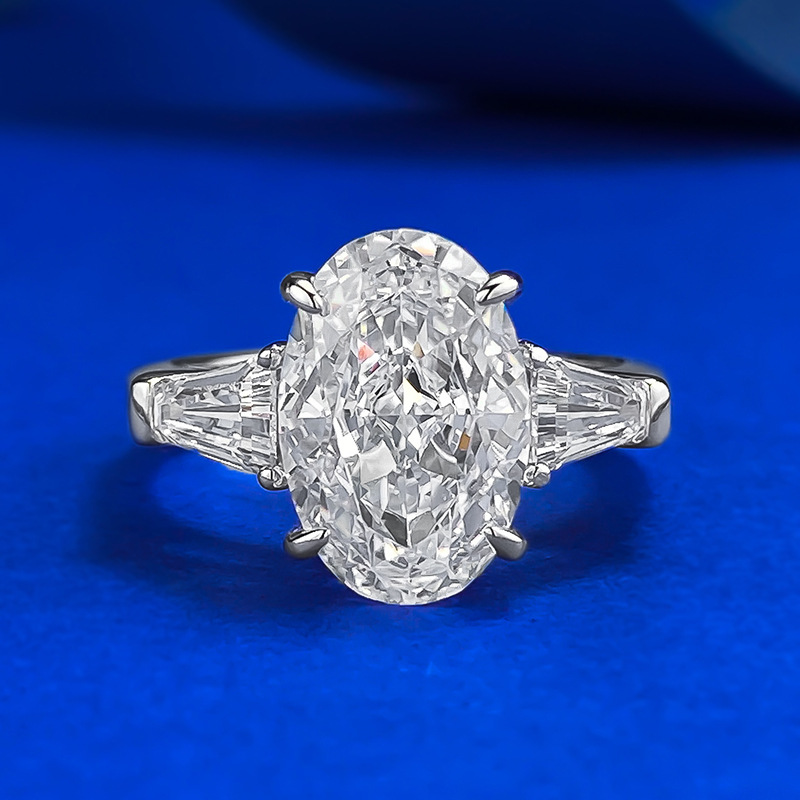
Compare Ring Settings for Oval Diamonds: Best Styles for Sparkle, Security, and Everyday Wear
Choosing an oval diamond is only the first step. The setting changes how the stone looks, how safe it feels, and how comfortable it is to wear every day. If you want to compare ring settings for oval diamonds in a smart way, start with the details that matter most: sparkle, security, coverage, comfort, and price.
Oval diamonds already have a long, flattering shape. The right setting can make that shape look even better. The wrong one can make the stone feel too heavy, too small, or less secure than it should be.
The best setting usually comes down to lifestyle. A solitaire keeps the focus on the center stone. A halo adds more sparkle and a larger look. Pavé gives the band extra shine. Bezel, channel, three-stone, cathedral, and tension settings each bring a different mix of style and protection.
GIA notes that ring design changes both the look and the feel of a diamond, especially through prong style, metal weight, and stone height. That matters with ovals, since their shape can look longer or shorter depending on the mounting. If you’re ready to explore our engagement rings or build your own ring, this breakdown will help you narrow the field fast.
Compare Ring Settings for Oval Diamonds: What to Look For First
Oval diamonds behave a little differently from round stones. Their length can make them look larger for their carat weight, but proportions matter more. A setting that’s too bulky can hide the shape. A setting that’s too minimal can make the stone feel underwhelming.
When you compare ring settings for oval diamonds, focus on these six points:
- Sparkle — Does the setting boost brilliance or keep the focus on the center stone?
- Security — Does it protect the diamond and reduce snagging?
- Finger coverage — Does it make the ring look wider across the hand?
- Style — Is it classic, modern, romantic, or bold?
- Durability — Will it hold up to daily wear?
- Price — Does it add value without pushing the budget too far?
Most buyers start with the styles they see most often: solitaire setting, halo setting, and pavé setting. From there, they compare more distinctive choices like three-stone, bezel, channel, cathedral, and tension settings. Each one shifts the look in a real way.
Solitaire, Halo, and Pavé Settings for Oval Diamonds
These three settings show up again and again for a reason. They fit a lot of styles, budgets, and engagement-ring goals. If you compare ring settings for oval diamonds side by side, these are the first three worth studying.
A solitaire setting gives the oval center stone all the attention. It’s clean, timeless, and easy to pair with a wedding band. A halo setting surrounds the center stone with smaller diamonds, which adds sparkle and makes the oval look larger. A pavé setting places tiny diamonds along the band for steady shimmer without changing the outline of the center stone.
Here’s the quick version:
- Solitaire setting: best for classic style and simple maintenance
- Halo setting: best for maximum sparkle and a bigger-looking center stone
- Pavé setting: best for refined shine and a polished finish
Price also plays a role. Halo and pavé styles can make a smaller oval look more substantial, which helps if you want visual impact without moving up in carat weight. A solitaire often makes more sense if you want to spend more of the budget on the diamond itself. Many shoppers are surprised by how much the setting changes the ring’s overall presence.
Solitaire Setting: Clean, Classic, and Centered on the Diamond
A solitaire setting uses minimal metal, so the oval diamond stays front and center. The look is simple, refined, and easy to wear for years. Because there’s less visual noise, the oval shape stands out clearly.
This style works well if you want flexibility. It pairs easily with many wedding bands and usually needs less upkeep than more detailed settings. The tradeoff is sparkle spread. If you want a ring that feels bold right away, a solitaire may feel too quiet.
Halo Setting: Bigger Look, Brighter Finish
A halo setting frames the oval with a ring of smaller diamonds. That frame adds brightness and can make the center stone appear larger. For many shoppers, that makes the halo one of the top choices when they compare ring settings for oval diamonds.
Halo rings offer strong finger coverage and a lot of visual payoff. A 1.00 carat oval can look noticeably more substantial with the right halo proportions. The downside is upkeep. Small stones and extra surfaces can collect lotion, dust, and oil, so the ring needs more cleaning.
Pavé Setting: Extra Shine Without Changing the Shape
A pavé setting adds small diamonds along the band. The result is a bright, polished look that supports the center stone without competing with it. It’s a good fit if you want sparkle that feels elegant, not loud.
Pavé bands are popular in modern bridal styles because they add light from every angle. They also work well with slim bands. The tradeoff is long-term care. Tiny stones can loosen over time if the ring gets knocked around often, so pavé needs a bit more attention than a plain band.
Compare Ring Settings for Oval Diamonds Beyond the Most Common Styles
Once the classic three are off the list, many buyers look at settings that bring more structure, protection, or height. These designs can change the ring’s profile a lot. Some are better for active wear. Some feel more formal. Some just look different in a good way.
If you want to compare ring settings for oval diamonds beyond the usual picks, these five deserve a close look.
Three-Stone Setting: Balanced and Easy to Customize
A three-stone setting pairs the oval center with two side stones. Those side stones are often round, pear, or tapered baguette shapes. The result feels meaningful and balanced, which is why many shoppers like it.
This style adds sparkle from more angles and can make the center stone feel larger. It also gives you room to customize the look. The main thing to watch is proportion. If the side stones are too large or too small, the ring can feel off-balance.
Bezel Setting: Secure, Smooth, and Modern
A bezel setting wraps part or all of the oval diamond in a rim of metal. That rim protects the stone and gives the ring a sleek, modern look. If you want a low-snag ring, this is a strong choice.
Bezel settings are among the most secure options because they hold the stone firmly. They also work well for people who wear their ring every day and don’t want much fuss. The downside is that a heavy bezel can hide some sparkle. A good one should feel clean, not bulky.
Channel Setting: Clean Lines and Protected Accent Stones
A channel setting works best when small accent stones run along the band. Instead of individual prongs, the stones sit inside a metal channel. That gives the ring a smooth, tailored look.
This setting is valued for durability. The stones are better protected than they are in many open designs. It does have one drawback: resizing can be harder later. If you like crisp lines and a more structured feel, channel setting is worth a serious look.
Cathedral Setting: Raised and Graceful
A cathedral setting lifts the center stone above the band with arched supports. That height gives the ring a more dramatic profile and a classic bridal feel. With an oval diamond, the shape can look especially elegant.
The extra height helps the stone catch the eye quickly. It can also make the diamond feel more prominent. The tradeoff is exposure. A higher setting can bump into things more easily, so it’s not the best choice for everyone.
Tension Setting: Bold and Unusual
A tension setting uses pressure to hold the diamond between the ends of the band. The stone seems to float in place, which creates a striking, modern look.
This style is less common for oval diamonds, so it needs expert design. Not every oval shape works well here, and the ring must be engineered carefully. If you want something very different, tension can be stunning. Just don’t choose it without professional guidance.
Side-by-Side Comparison of Oval Diamond Ring Settings
If you want a quick way to compare ring settings for oval diamonds, this table makes the tradeoffs easier to see.
| Setting | Sparkle | Security | Maintenance | Visual Size | Style Mood | Budget Impact |
|---|---|---|---|---|---|---|
| Solitaire setting | Medium | Medium | Low | Medium | Classic, timeless | Often best for center-stone value |
| Halo setting | Very high | Medium | Medium to high | Very high | Glamorous, bold | Adds cost, but boosts presence |
| Pavé setting | High | Medium | Medium | Medium to high | Elegant, polished | Moderate cost increase |
| Three-stone setting | High | Medium | Medium | High | Balanced, meaningful | Varies widely |
| Bezel setting | Medium | Very high | Low | Medium | Sleek, modern | Metal weight can affect price |
| Channel setting | Medium | High | Low to medium | Medium | Clean, structured | Good durability value |
| Cathedral setting | Medium to high | Medium | Medium | High | Elevated, formal | Usually moderate |
| Tension setting | Medium | Medium | Low | High | Bold, minimalist | Needs expert fabrication |
A few patterns stand out. Halo settings deliver the most sparkle and visual size. Bezel and channel settings offer the best protection. Solitaire settings stay the easiest to wear and style. Cathedral settings add height, while tension settings lean into a sharp, modern look.
A slim pavé band can also change the whole feel of the ring. It can make an oval look brighter without crowding the center stone. That’s why it helps to compare ring settings for oval diamonds in the context of real life, not just in photos.
Which Oval Diamond Ring Setting Fits Your Lifestyle?
Different settings suit different people. Your routine matters just as much as your style. Do you wear jewelry all day? Do you work with your hands? Do you want low maintenance, or do you enjoy a little extra sparkle?
Choose a solitaire setting if you want:
- A timeless look with a clean profile
- Easy pairing with wedding bands
- A design that highlights diamond quality
- Simple care and long-term flexibility
Choose a Halo setting if you want:
- A bigger-looking oval diamond
- Strong sparkle and coverage
- A glamorous, eye-catching style
- High visual value for the size
Choose a pavé setting if you want:
- Extra brilliance without changing the center shape
- A polished bridal look
- A slim band with more light
- A style that feels balanced, not heavy
Choose a three-stone setting if you want:
- More visual presence
- A symbolic design
- Room for creative stone shapes
- A higher-sparkle alternative to a solitaire
Choose a bezel setting if you want:
- Maximum security
- Less snagging
- A sleek, modern profile
- A practical ring for daily wear
Choose a channel setting if you want:
- Protected accent stones
- A clean, structured look
- Strong durability
- Lower snag risk
Choose a cathedral setting if you want:
- Height and drama
- A classic bridal silhouette
- Extra prominence without a halo
- An elegant, lifted profile
Choose a tension setting if you want:
- A bold, modern statement
- Very little metal around the diamond
- A design that feels different
- Expert-level fabrication
Finger shape can matter too. Oval diamonds often flatter shorter fingers because they create a lengthening effect. Slim bands can make that effect stronger. Wider bands and heavy halos can make the ring feel bolder, which some buyers love and others do not.
If you’re unsure about fit, read our ring sizing guide before you finalize the design.
Expert Recommendation for Most Buyers
If you want the most versatile option, a solitaire setting is usually the best starting point for oval diamonds. It gives the stone a clean stage and lets the shape do the work. That shape already brings elegance and finger coverage, so the setting doesn’t need to do too much.
A solitaire also works across a lot of styles. It can feel classic, modern, or even a little vintage depending on the prong shape and band width. Buyers who want more sparkle can add a pavé wedding band later. Buyers who want a bigger look can choose a larger oval or add a halo.
GIA’s guidance on diamond mounting also supports this approach: proportion, symmetry, and secure prong placement matter a lot. For oval diamonds, the prongs should protect the points without making the head look too bulky. A well-made solitaire keeps the ring comfortable and refined.
If your main goal is maximum sparkle, the halo setting is the strongest alternative. Still, for everyday wear and long-term flexibility, the solitaire usually wins when you compare ring settings for oval diamonds.
Shop the Best Oval Diamond Ring Styles
Start with a solitaire if you want the most flexible choice. At StoneBridge Jewelry, you can browse our jewelry collection, build a custom ring, or shop lab-grown diamonds if you want a larger look at a more accessible price.
Good starting points include:
- Oval solitaire engagement ring with a slim or tapered band
- Oval solitaire with pavé band for extra sparkle without losing balance
- Oval halo ring if you want maximum visual size and brilliance
If you’re torn between two settings, compare the same oval stone in both designs. The difference is usually obvious right away. Which One Feels right on the hand, not just in a photo?
FAQ
What ring setting looks best with an oval diamond?
A solitaire setting is often the most flattering because it keeps the focus on the oval diamond. It gives the stone a clean, timeless look and works with many band styles. A halo setting is a strong second choice if you want more sparkle and a larger look. Our customers often choose between those two first because they cover the widest range of styles.
Is a halo setting good for oval diamond rings?
Yes, a halo setting works very well with oval diamonds. It can make the center stone look larger and brighter, and it adds strong finger coverage. The key is proportion, since a halo that’s too wide can overpower the oval shape. If you want a bold look without jumping to a bigger carat size, this setting is a smart option.
Are bezel settings secure for oval diamonds?
Yes, bezel settings are among the most secure choices for oval diamonds. The metal rim helps protect the edges and lowers the chance of snagging on clothes or hair. That makes bezels a good fit for people with active routines or hands-on work. They can still look elegant if the bezel is shaped carefully and kept slim.
Which setting makes an oval diamond look the biggest?
Halo and three-stone settings usually make an oval diamond look the biggest. A slim pavé band can also help because it adds more sparkle around the center stone. If your goal is maximum visual size, those are the settings to compare first. A solitaire can still look substantial, but it relies more on the center diamond’s size and proportions.
What is the most durable ring setting for an oval diamond?
Bezel and channel settings are usually the most durable because they protect the stone and reduce snagging. They’re good choices for daily wear and for anyone who wants less upkeep. A solitaire can also be durable if the prongs are well made and checked regularly. If you wear your ring every day, durability should weigh just as much as style.
How do I compare ring settings for oval diamonds if I want everyday comfort?
Start by checking how high the stone sits above the finger and whether the setting has sharp edges. Low-profile solitaires and bezels often feel the most comfortable. Cathedral and halo styles can look beautiful, but they may sit higher and catch more often. Try on a few options if you can, since comfort is easier to feel than to judge in photos.
Ready to Find Your Perfect Diamond?
Explore our collection of certified lab-grown diamonds
Shop Diamonds