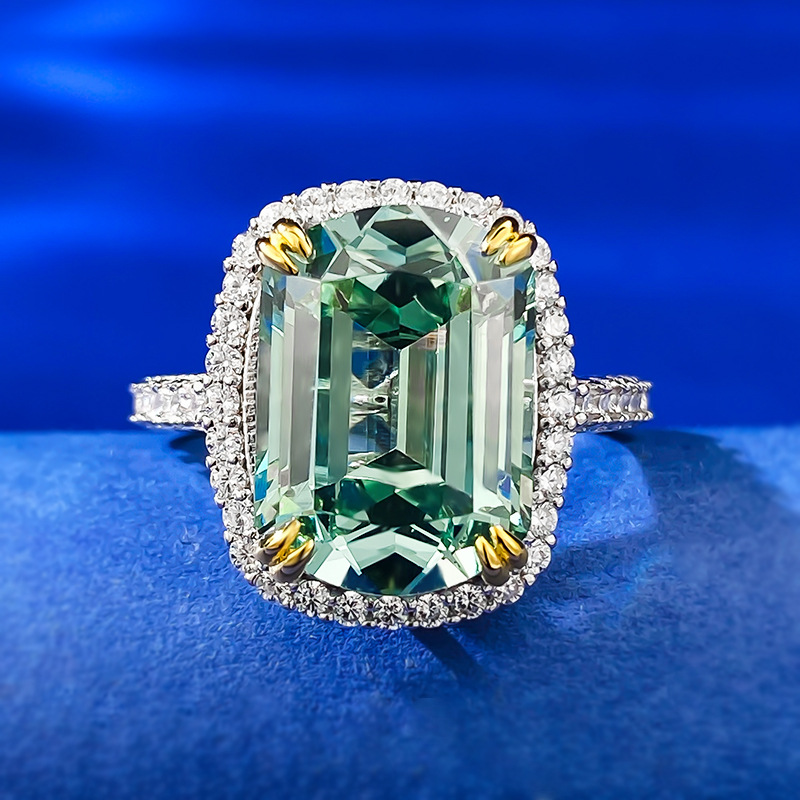
Compare Ring Settings for Diamond Shape: Fit, Sparkle, and Security
Choosing an engagement ring involves more than picking a diamond. The setting shapes how the stone looks, how secure it feels, how comfortable it is to wear, and even how large it appears on the hand. If you want to compare ring settings for diamond shape the right way, start by pairing the shape with the setting. A round brilliant in a solitaire looks very different from the same stone in a halo or bezel.
The same applies to ovals, pears, princess cuts, emerald cuts, and other fancy shapes. Some settings boost sparkle. Others protect corners. A few do both well. The best match depends on your stone and your everyday routine.
This guide covers the most common options shoppers compare: solitaire, halo, pavé, channel, bezel, three-stone, tension, and cathedral settings. You’ll see how each one affects appearance, comfort, care, and daily wear, so you can compare ring settings for diamond shape with more confidence.
What Matters Most When You Compare Ring Settings for Diamond Shape
To compare ring settings for diamond shape well, focus on four things: visual impact, protection, comfort, and how the setting works with the stone’s outline. A setting can make a diamond look larger, soften sharp corners, or protect weak points. It can also make a ring feel lighter on the hand or more solid and secure.
That’s why shape and setting should be chosen together. A diamond’s cut affects sparkle, but the setting decides how that shape is framed. A pear shape may look graceful in a solitaire, yet the pointed tip may need extra protection. A princess cut may shine in a bezel or four-prong design, while an emerald cut often looks best in a clean, structured frame.
When shoppers compare ring settings for diamond shape, they usually ask four simple questions:
- Will the setting make my diamond look bigger or smaller?
- Does it protect the stone well enough for daily wear?
- Does the style feel classic, modern, or bold?
- How much care will it need over time?
Those questions matter because a ring gets worn every day. The Gemological Institute of America (GIA) stresses that cut, shape, and mounting style should work together for beauty and durability. A strong setting should support the diamond, not fight it.
We've found that many buyers focus on sparkle first, then wish they'd asked about comfort and maintenance sooner. A pretty ring that snags on sweaters or needs constant tightening can get old fast.
How Diamond Shape Changes the Best Setting Choice
Different diamond shapes work better with different settings. Round diamonds are the most flexible, which is why they fit almost any style. Oval diamonds often look longer and more elegant in a solitaire, while a halo can make them feel broader and more dramatic.
Cushion cuts often look softer in halo or pavé styles. Princess cuts need corner protection because of their sharp points. Pear, marquise, and heart shapes all have pointed ends, so secure prongs, bezels, or halos can help. Emerald and asscher cuts usually look best in refined settings that show off their step-cut lines.
Shape also affects proportion. A setting can lengthen a short stone, balance a narrow one, or make a large table feel less dominant. It can also protect corners and tips, which are common stress points for fancy shapes.
Shape-by-shape setting notes
- Round: Works with solitaire, halo, pavé, cathedral, and three-stone designs.
- Oval: Looks elegant in solitaire or halo settings; a bezel gives it a sleek modern outline.
- Cushion: Often shines in halo or pavé styles for extra brilliance.
- Princess: Needs corner protection; bezel and channel settings help.
- Pear: The pointed tip should be secured well; halo and bezel styles are common.
- Emerald: Best in clean, architectural settings that highlight clarity.
- Marquise: Needs protection at both points; cathedral and bezel designs can help.
- Heart: Needs careful symmetry and secure prong placement.
A setting can affect long-term wear as much as the diamond itself. A beautiful shape with exposed corners may need more upkeep than the same stone in a bezel or protective halo. If your goal is to compare ring settings for diamond shape from a practical angle, look at how the setting supports the stone’s weak points, not just how it looks from above.
Solitaire Setting vs Halo Setting
The solitaire setting remains a favorite for shoppers who want the diamond shape to lead the design. It uses minimal metal and little extra detail, so the eye stays on the center stone. That makes it a strong choice for anyone who wants a timeless look and a clean profile.
A halo setting surrounds the center diamond with smaller accent stones. The effect is easy to spot: more sparkle, a larger visual footprint, and a ring that stands out more on the hand. If you compare ring settings for diamond shape with size perception in mind, halo styles often win that category.
How solitaire settings perform by shape
A solitaire setting works especially well with:
- Round diamonds, because the shape feels balanced and bright.
- Oval diamonds, because the clean frame highlights length.
- Emerald cuts, because the setting suits the geometric outline.
- Princess cuts, when the design includes corner protection.
The biggest strength of a solitaire is restraint. It doesn’t crowd the diamond. It also tends to be easier to clean and resize than more detailed styles, which many buyers like.
How halo settings change the look
A halo can make a center stone look larger, especially when the accent diamonds are tightly set and well scaled. Many jewelers suggest halos for shoppers who want strong sparkle without moving up to a much larger center stone. A 0.75-carat oval in a halo can often appear larger than the same stone in a solitaire.
Halo settings often pair well with:
- Round diamonds for classic brilliance
- Oval diamonds for added width and drama
- Cushion cuts for a soft, romantic look
- Pear diamonds for tip protection and a balanced shape
- Princess cuts for a bold, bright profile
If your main goal is to compare ring settings for diamond shape by presence, halo designs usually beat solitaires. If you want the exact shape and cut to stay front and center, the solitaire is still hard to top.
Best use cases
- Choose solitaire if you want timeless, quiet, and shape-first styling.
- Choose halo if you want more sparkle, a larger look, and stronger visual drama.
Pavé, Channel, and Bezel Settings
If you compare ring settings for diamond shape beyond the center stone, the band matters too. Pavé, channel, and bezel settings each change how the ring wears and how secure it feels.
Pavé setting: shimmer from every angle
A pavé setting places small diamonds closely along the band, which creates a line of sparkle. It doesn’t change the center stone’s shape as much as a halo does, but it does boost the overall shine of the ring. Pavé works with nearly every shape because it frames the center stone without taking over.
Best for:
- Round
- Oval
- Cushion
- Princess
- Pear
Strengths:
- Adds a rich look
- Makes the ring feel more luxurious
- Fits both modern and romantic styles
Tradeoffs:
- Needs more care than smoother settings
- Tiny stones may need tightening over time
Pavé is a smart choice if you want extra sparkle without a full halo. It often shows up on solitaire, cathedral, and three-stone rings.
Channel setting: clean lines and solid protection
A channel setting holds accent stones between two metal walls, which creates a smooth, neat look. It’s common in wedding bands and side-stone designs because it offers strong security and fewer exposed edges. That makes it a solid pick for active wearers.
Best for:
- Princess
- Emerald
- Round side stones
- Asscher-style designs
Strengths:
- Good durability
- Low snag risk
- Clean, modern style
Tradeoffs:
- Less sparkle than pavé
- Less decorative than halo designs
If you compare ring settings for diamond shape and your top concern is daily wear, channel settings deserve a close look. They also sit well next to many wedding bands.
Bezel setting: strong protection and a sleek outline
A bezel setting wraps a metal rim around the diamond. It’s one of the strongest choices for protecting edges and points, and it gives the ring a crisp, modern look. Many shoppers like bezel settings because they’re low maintenance and feel smooth on the hand.
Best for:
- Pear
- Princess
- Marquise
- Round
- Oval
Strengths:
- Strong protection for edges and tips
- Comfortable low profile
- Great for active lifestyles
Tradeoffs:
- Covers a small part of the diamond edge
- Lets in less side light than open prong settings
For fancy shapes with pointed ends, a bezel can be a very practical choice. It works well if you use your hands a lot, travel often, or prefer a ring that won’t snag easily.
Three-Stone, Tension, and Cathedral Settings
Some settings do more than frame the center stone. They shape the whole look of the ring. Three-stone, tension, and cathedral styles all stand out, and each one changes how the diamond shape reads on the hand.
Three-stone setting: balance and meaning
A three-stone setting places the center diamond between two side stones. The result feels balanced, elegant, and often wider than a solitaire. The side stones can match the center shape or contrast it, depending on the design. Round centers may pair with tapered baguettes, pears, or small rounds. Oval and emerald centers often look especially polished in this style.
Why shoppers like it:
- Strong visual presence
- Symbolic meaning
- Flexible styling
Best shapes:
- Round
- Oval
- Emerald
- Cushion
This setting can make the center diamond feel larger without using a halo. It also gives designers room to balance the shape on the finger.
Tension setting: modern and dramatic
A tension setting holds the diamond in place with pressure from the band, which creates the look of a floating stone. It’s bold and clean, but it isn’t the right fit for every shape. The diamond needs strong support and exact sizing, so this style works best with shapes that can handle the engineering.
Best shapes:
- Round
- Princess
- Emerald, in some custom designs
Strengths:
- Striking modern look
- Minimal style
- Strong visual impact
Tradeoffs:
- Limited shape fit
- Harder to resize
- Needs precise craftsmanship
Because tension settings are so exact, ask about metal type, stone measurements, and long-term fit before you choose one. Jewelers often recommend careful inspection since the setting depends on tight tolerances.
Cathedral setting: height and structure
A cathedral setting uses arches of metal that rise from the band to support the center stone. It adds height and a more formal feel. This style works well if you want the diamond to look lifted and prominent without adding a halo.
Best shapes:
- Round
- Oval
- Cushion
- Princess
Strengths:
- Adds presence
- Supports the center stone well
- Pairs nicely with pavé bands
Tradeoffs:
- Taller profile may catch more than a bezel or low-set style
- More metal can mean a heavier feel
A cathedral setting is a strong option if you want to compare ring settings for diamond shape and prefer an elevated, elegant look.
Best Ring Settings by Diamond Shape at a Glance
If you want to compare ring settings for diamond shape quickly, a table can narrow things down fast. Use it as a starting point, then match the final pick to your lifeStyle and Budget.
| Diamond Shape | Best Settings | Strengths | Tradeoffs | Best For |
|---|---|---|---|---|
| Round | Solitaire, halo, pavé, cathedral, three-stone | Most versatile, bright, classic | Can feel common if the design is too plain | All-around buyers |
| Oval | Solitaire, halo, bezel, pavé | Elegant length, flattering on the hand | A large halo can overpower a slim stone | Bigger look, modern romance |
| Cushion | Halo, pavé, solitaire | Soft shape, extra sparkle | Can look smaller without accent stones | Vintage-inspired style |
| Princess | Bezel, channel, solitaire, halo | Strong shape, modern feel | Corners need protection | Active wearers, clean design |
| Pear | Halo, bezel, solitaire, cathedral | Elegant taper, lengthens the finger | Tip needs care | Fashion-forward shoppers |
| Emerald | Solitaire, three-stone, channel, bezel | Clean lines, refined look | Less sparkle than brilliant cuts | Minimal, sophisticated style |
| Marquise | Bezel, cathedral, solitaire, halo | Long, dramatic profile | Points are vulnerable | Statement seekers |
| Heart | Solitaire, halo, bezel | Romantic and distinct | Needs careful symmetry | Sentimental buyers |
Quick picks by buyer priority
- Best overall versatility: solitaire setting
- Best for maximum sparkle: halo setting
- Best for protection: bezel setting
- Best for modern style: tension setting or channel setting
- Best for a balanced, meaningful design: three-stone setting
If you compare ring settings for diamond shape based on daily use, bezel and channel settings usually give the best mix of durability and easy wear. If you want the ring to stand out from across the room, halo and pavé styles bring more visual punch.
How to Choose the Right Setting for Your Lifestyle
Different buyers need different things from a ring. Budget, work routine, style taste, and how much care you want to give it all matter.
Choose based on your top priority
- Budget-conscious shoppers: A solitaire setting can keep the focus on the center diamond and may leave more room for a better stone.
- Sparkle lovers: A halo or pavé setting adds visible brilliance without requiring a much larger center stone.
- Active lifestyles: A bezel or channel setting usually gives the best protection and the lowest snag risk.
- Low-maintenance buyers: Smooth designs with fewer tiny stones are easier to clean and check.
- Style-forward shoppers: A tension setting or a three-stone setting creates a more distinct look.
Match the setting to your routine
If you wear your ring all day at work, at the gym, or while traveling, protection matters. A low-profile bezel can reduce catching on clothes and surfaces. A channel setting also keeps side stones better protected. If the ring will be worn mostly for events or special occasions, a halo or cathedral style may make more sense.
Good pairings by diamond shape
- Round + solitaire: timeless and balanced.
- Oval + halo: elegant and size-enhancing.
- Princess + bezel: secure and modern.
- Pear + halo: protects the tip and boosts presence.
- Emerald + three-stone: clean and sophisticated.
- Cushion + pavé: romantic and sparkle-rich.
To compare ring settings for diamond shape in a useful way, ask how the ring fits your life, not just your style board. A beautiful setting that feels awkward or catches on everything probably won’t feel right for long.
If you’re still narrowing things down, explore our engagement rings or use our ring builder to compare styles side by side. You can also shop lab-grown diamonds or browse our jewelry collection for more options.
Expert Advice for Popular Diamond Shapes
For most shoppers, these are the strongest matches:
- Round diamonds: solitaire or halo, depending on whether you want simplicity or more sparkle.
- Oval diamonds: solitaire for elegance, halo for a larger look.
- Princess diamonds: bezel or channel for protection, halo for extra shine.
- Pear diamonds: halo or bezel for tip security.
- Emerald diamonds: solitaire or three-stone for clean lines and a clarity-focused look.
- Cushion diamonds: halo or pavé for softness and brightness.
If you want the best mix of beauty, protection, and value, a solitaire setting often works well for round and oval diamonds. A bezel setting is one of the strongest choices for fancy shapes with vulnerable points. If sparkle comes first, a halo setting stays near the top of the list. For modern structure and secure everyday wear, channel and bezel settings are both strong picks.
Jeweler insight: craftsmanship can change the result just as much as the design. Prong placement, metal thickness, basket height, and the precision of each seat all affect durability. A well-made setting should match the diamond’s measurements closely, often within tenths of a millimeter, so the stone sits snugly and looks even from every angle.
Compare Ring Settings for Diamond Shape Before You Buy
The smartest way to compare ring settings for diamond shape is to look at appearance, security, comfort, and lifestyle together. Solitaire, halo, pavé, channel, bezel, three-stone, tension, and cathedral settings each solve a different problem. Some make the stone look bigger. Some protect corners. Some give the ring a cleaner, more modern profile.
The best choice depends on your diamond shape, your daily routine, and the look you want to wear for years. If you're ready to compare ring settings for diamond shape and shop with confidence, browse StoneBridge Jewelry’s recommended styles, shop lab-grown diamonds, or browse our jewelry collection to find the setting that fits your stone best.
FAQ
What ring setting is best for my diamond shape and lifestyle?
The best setting depends on the diamond shape, how you live, and the style you like most. Round and oval diamonds often shine in solitaire or halo settings, while pear and marquise shapes may do better with bezel or halo designs for added protection. If you’re active or work with your hands, a lower-profile setting may feel better day to day. Start by matching the setting to your routine, then narrow by look.
Which ring setting makes a diamond look bigger on the hand?
Halo settings usually make the center stone appear larger because the accent diamonds widen the visual frame. Pavé bands can also increase sparkle and make the ring feel fuller. Oval, cushion, and round shapes often benefit most from this effect. If visual size matters most, compare ring settings for diamond shape with halo and pavé styles first.
Is a bezel setting good for everyday wear on an engagement ring?
Yes, a bezel setting is often a great choice for everyday wear because it protects the stone edges and creates a smooth, low-profile shape. It can be especially helpful for pear, princess, and marquise cuts, which have more exposed points. It also tends to snag less on clothing than high prong settings. If you want a ring that feels secure and easy to wear, bezel is worth a close look.
What is the most secure ring setting for a diamond shape with corners?
Bezel and channel settings are generally among the most secure because they add metal support around the stone. That extra coverage helps protect corners and edges, which is useful for princess, pear, and marquise shapes. The right choice still depends on how much of the diamond you want to show. If you compare ring settings for diamond shape carefully, security should be weighed against light and style.
How do I compare ring settings for diamond shape before I buy online?
Start by checking how each setting affects sparkle, protection, comfort, and maintenance for your specific shape. Look closely at photos, measurement details, and metal type, and read the return policy Before You Buy. It also helps to compare side views, not just top views, because profile height changes how the ring wears. If you need more help, use a ring builder or talk with a jeweler before you decide.
Which diamond shape is easiest to match with different ring settings?
Round diamonds are usually the easiest to match because they work well with almost any setting. Oval and cushion shapes are also flexible, though the final look changes a lot depending on whether you choose a solitaire or a halo. Emerald cuts lean more toward clean, structured settings, and princess cuts need more corner protection. If you want the simplest route, round is the most forgiving shape to compare ring settings for diamond shape.
Ready to Find Your Perfect Diamond?
Explore our collection of certified lab-grown diamonds
Shop Diamonds