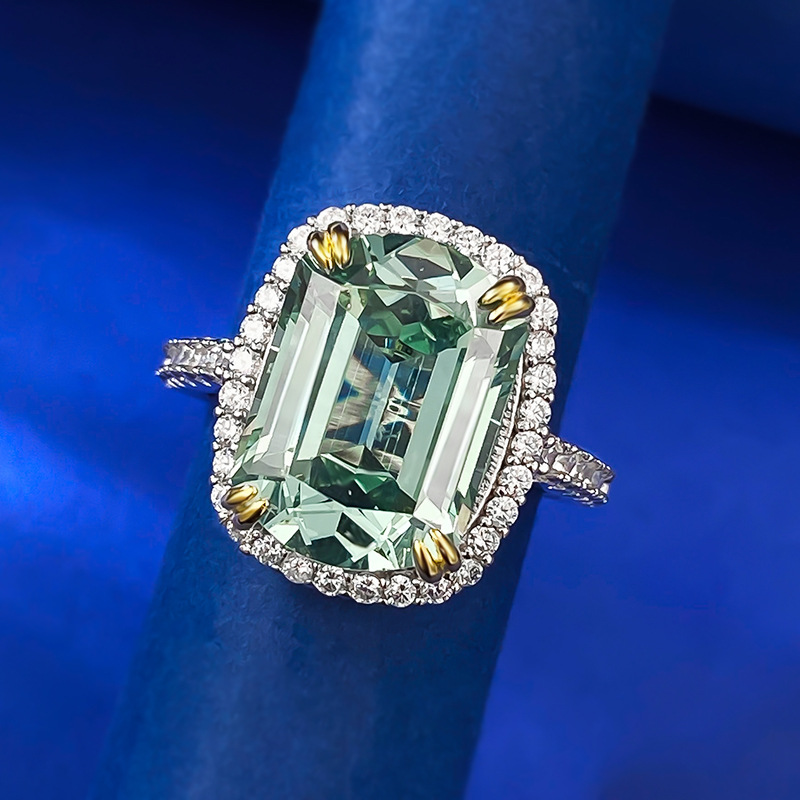
Compare Jewelry Prices Before Buying: Find the Best Value
If you want to compare jewelry prices before buying, start with a simple rule: compare value, not just the sticker price. A ring, necklace, or pair of earrings can look similar online and still differ a lot in metal purity, stone quality, craftsmanship, and service. That’s why smart shoppers compare jewelry prices before buying with a full picture of what’s included.
The goal is not to chase the lowest number. It’s to understand why one piece costs more, what that higher price buys you, and when a lower price is actually the better deal. For lab-grown diamond jewelry and fine jewelry alike, a fair comparison means lining up the same basics first: metal type, gemstone specs, setting style, certification, and return terms.
If you compare jewelry prices before buying the right way, you’ll spot real value faster and avoid costly surprises later.
Compare Jewelry Prices Before Buying: What to Know First
When shoppers compare jewelry prices before buying, they often look at two pieces that seem nearly identical in photos. That can be misleading. Jewelry pricing is shaped by several major factors, and each one can move the final price in a meaningful way.
The biggest drivers usually include:
- Metal type and purity: 14K gold, 18K gold, platinum, and sterling silver all carry different costs. Higher-purity precious metals usually cost more.
- Gemstone quality: For diamonds, cut, color, clarity, and carat weight matter. For colored gemstones, hue, saturation, treatment, and origin can change pricing.
- Craftsmanship: A secure pavé setting, hand-finished prongs, and a well-executed polish add labor cost and can improve durability.
- Certification and documentation: Third-party grading from organizations like GIA or IGI can add confidence and value.
- Brand markup and service model: Retailers price for different overhead levels, warranty coverage, and support structures.
Industry pricing also reflects real material differences. For example, 18K gold contains 75% pure gold, while 14K gold contains 58.3% pure gold, so 18K typically costs more. Platinum often carries a higher price than gold because of density, durability, and metal market conditions. In the diamond market, two stones with the same carat weight can vary sharply in price based on cut quality and clarity grade.
That’s why you should compare jewelry prices before buying using identical or very close specifications. A 1.00 carat round stone in one ring is not a fair match for a 0.90 carat oval in another, even if the photos feel similar.
For lab-grown diamond and fine jewelry shoppers, fairness matters even more. Lab-grown diamonds can offer strong value, but pricing still changes with cut precision, color grade, clarity, and certification. If you compare jewelry prices before buying, make sure each piece has the same shape, size, and grading basis before you decide which one is better.
This page focuses on two common ways to shop:
- Premium online retailer pricing model
- Marketplace and multi-retailer pricing model
Both can work. The key is knowing where each one shines and where it can cost you more in the long run.
Option A: Premium Online Retailer Pricing Model
A premium online retailer usually builds pricing around consistency, transparency, and controlled quality standards. That model often appeals to shoppers who want to compare jewelry prices before buying without sorting through a wide spread of uncertainty.
Here’s how this pricing model tends to work:
- The retailer sources or curates jewelry to a tighter specification range.
- Pieces are priced with certification, finishing, and service support baked in.
- Product pages usually show clear details on metal, stone, measurements, and setting construction.
- Return, warranty, and resize policies are often standardized across the collection.
That can make the shopping experience simpler. When you compare jewelry prices before buying from a premium retailer, you’re often comparing pieces that were built to similar quality expectations. That makes side-by-side review more reliable.
Why the price can be higher or lower
A premium retailer may charge more for:
- Certified lab-grown diamonds or natural diamonds with stronger documentation
- Better setting construction and tighter stone placement
- Higher-grade metal choices, such as platinum or 18K gold
- Upgrade paths, ring builders, or custom support
- Better packaging, insurance, and service coverage
Higher pricing does not always mean inflated pricing. Sometimes the difference reflects a stronger value package. A ring with excellent craftsmanship, a strong warranty, and a reputable grading report may cost more upfront but save money later by reducing repair risk or replacement uncertainty.
Benefits of this model
When you compare jewelry prices before buying from a premium online retailer, you usually get:
- Transparent pricing with fewer hidden tradeoffs
- Consistent quality standards across the collection
- Easier apples-to-apples comparison within the same store
- Better documentation for diamonds and settings
- More predictable service after purchase
That transparency helps shoppers compare jewelry prices before buying with more confidence. It also makes it easier to see whether a higher price reflects real quality or just branding.
Possible tradeoffs
There are also limits:
- Less in-person handling before purchase
- Fewer opportunities to negotiate price
- A curated catalog instead of a huge open marketplace
Still, for many shoppers, the structure is a benefit. If you want to compare jewelry prices before buying and reduce guesswork, a premium retailer’s pricing model can be easier to trust.
If you want to browse a focused selection, you can explore our engagement rings or shop our lab-grown diamonds.
Option B: Marketplace and Multi-Retailer Pricing Model
Marketplace shopping can look appealing because the selection is broad and the starting prices can be lower. If your first instinct is to compare jewelry prices before buying across multiple sellers, this model may feel like the fastest way to hunt for a deal.
And in some cases, that deal is real.
Marketplace pricing can vary widely even when two pieces appear similar. One ring may use a lower metal purity, a different stone grading standard, thinner prongs, or a return policy that shifts more risk to the buyer. The lowest visible price is not always the lowest true cost.
Why prices vary so much
Marketplace pricing differs because sellers control their own:
- Source of materials
- Quality control process
- Certification standards
- Fulfillment fees
- Return windows and restocking terms
- Customer service policies
So when you compare jewelry prices before buying in a marketplace, you may be comparing pieces that are only similar on the surface. Two 1-carat-looking rings may be built with different metal weights, different diamond reports, and different setting integrity.
The appeal of this model
The upside is easy to understand:
- Lower initial prices can fit tighter budgets
- Wider selection gives you more shape and style options
- You may find smaller sellers with niche designs
- You can sometimes uncover strong deals on overstock or closeout items
That can be useful if you know how to compare jewelry prices before buying and you’re willing to verify every detail.
The risks to watch
Marketplace buying also has more risk factors:
- Quality differences are not always obvious in photos
- Return policies may vary seller to seller
- Hidden fees can appear at checkout
- Certification may be incomplete or hard to verify
- Warranty and resizing support may be limited
When price is the headline, service details often become the fine print. If you compare jewelry prices before buying only by sticker price, you may miss the costs that matter most later.
How to verify like-for-like pieces
Before you decide, check these specs carefully:
- Carat weight or stone size
- Cut grade or shape
- Color and clarity grade
- Metal type and purity
- Setting style and metal weight
- Certification source
- Return, warranty, and resize terms
If one seller includes IGI certification and another does not, the price gap may be justified. If one ring is 18K gold and the other is 14K, that also explains some of the difference. You want to compare jewelry prices before buying using true equivalents, not just similar-looking photos.
Side-by-Side Jewelry Price Comparison
The easiest way to compare jewelry prices before buying is to break the purchase into core value categories. That way you can see where a higher price makes sense and where a lower price might be hiding a tradeoff.
| Factor | Premium Online Retailer | Marketplace / Multi-Retailer |
|---|---|---|
| Total price | Often higher upfront, but usually more bundled value | Can start lower, but extra fees may apply |
| Quality transparency | Clear specs, standardized product details | Specs may vary by seller and listing quality |
| Certification | Usually easier to verify | May be inconsistent or missing on some items |
| Setting quality | Often more consistent | Can vary widely by seller and maker |
| Return policy | Usually straightforward and standardized | Often seller-specific and less predictable |
| Warranty / support | Typically stronger and easier to access | May be limited or harder to claim |
| Resizing / service | More predictable process | Can depend on the seller or manufacturer |
| Price negotiation | Usually limited | Sometimes possible, depending on seller |
A table like this helps you compare jewelry prices before buying without getting distracted by first impressions. Two rings can look nearly identical and still land in different columns once you factor in materials, grading, and service.
Why similar-looking pieces can price differently
A piece with a certified stone, heavier metal, and carefully finished prongs may cost more because it takes more labor and better inputs to make. A lower-priced item may use thinner metal, a less detailed setting, or a looser grading framework.
That matters a lot for long-term value. A well-made ring tends to hold up better, require fewer repairs, and feel more satisfying to wear. A poorly made ring might need resizing, prong tightening, or even replacement sooner than expected.
Where lab-grown diamonds change the equation
Lab-grown diamonds often give shoppers a chance to compare jewelry prices before buying with more flexibility. The same budget can sometimes buy a larger or better-cut stone than a natural diamond would allow. But you still need to compare carefully.
According to major gemological standards used by GIA and IGI, cut quality, clarity, color, and measurements remain essential. A certified lab-grown diamond with strong cut proportions can outshine a larger stone with weak proportions. That means value is not just about size.
If you’re comparing rings or pendants that use lab-grown stones, ask whether the report is included, whether the setting is built for the stone size, and whether the retailer clearly discloses all details. You can also try our ring builder to compare setting options and see how design choices affect pricing.
How to Compare Jewelry Prices Before Buying the Right Way
To compare jewelry prices before buying with confidence, use a methodical checklist. Start with the same baseline specs, then look at the full cost and the service terms.
Step-by-step comparison checklist
Match the main specs
- Same stone shape
- Same carat weight or size
- Same metal type and purity
- Same setting style
- Same certification standard
Compare quality details
- Cut, color, and clarity for diamonds
- Setting security and prong count
- Finish quality and symmetry
- Metal thickness and durability
Check the full purchase cost
- Shipping fees
- Sales tax
- Resizing costs
- Insurance options
- Restocking or return fees
Review the seller’s protection terms
- Return window
- Warranty length
- Repair coverage
- Upgrade policies
- Customer support availability
Read the documentation
- Diamond report
- Metal disclosure
- Product dimensions
- Setting notes
- Care instructions
This process helps you compare jewelry prices before buying in a fair way. It also keeps you from overpaying for marketing claims that don’t show up in the actual piece.
How to judge a price difference
Some price gaps are reasonable. Others are red flags.
A difference is often justified when:
- One piece uses a higher-purity metal
- One piece includes a certified diamond report
- One setting has more metal weight or more labor-intensive detail
- One retailer includes stronger warranty coverage
- One seller offers resizing or repair support at no extra cost
A price gap may be suspicious when:
- The specs are identical, but one listing is much cheaper without explanation
- Certification is missing on one piece
- The return policy is unusually restrictive
- The seller avoids listing measurements or metal purity
- The photos look polished, but the product description is vague
Industry experts recommend comparing both specs and service. According to gemological best practice, the right comparison always uses documented details, not assumptions from images alone.
Read certification documents closely
If the item includes a diamond report, look for:
- Laboratory name
- Stone measurements
- Carat weight
- Shape and cutting style
- Cut, color, and clarity grades
- Growth method for lab-grown diamonds
- Plot or comments section if provided
A report from a recognized lab gives you more confidence when you compare jewelry prices before buying. It helps confirm that the price reflects a real difference in quality, not a vague sales claim.
Use total cost, not display price
A lower display price can be misleading if the seller adds charges later. The true comparison should include:
- Product price
- Taxes
- Shipping and insurance
- Resizing
- Return shipping
- Any restocking fee
That’s the best way to compare jewelry prices before buying without surprises.
Who Should Choose Each Option
The best Place to Shop depends on your goals, timeline, and comfort with research.
Option A is a strong fit for:
- Engagement ring shoppers who want consistency and documentation
- Buyers who care about certification and clearer product details
- Customers who prefer a smoother experience from selection to delivery
- People who want fewer unknowns and stronger support
Option B is a strong fit for:
- Value-focused shoppers with time to research
- Buyers who enjoy comparing many listings and sellers
- People looking for a very specific style or a deal on a niche item
- Experienced shoppers who know how to verify specs carefully
Common buyer profiles
- Engagement ring shoppers: Usually benefit from the clarity and support of a premium retailer, especially when comparing setting quality and certification.
- Anniversary buyers: Often want a polished experience and a gift that feels dependable, which can favor a higher-trust seller.
- Gift buyers on a budget: May prefer marketplace shopping if they can carefully compare jewelry prices before buying and verify the return policy.
Budget matters, but so does confidence. If you need the piece quickly, want clear documentation, or don’t want to manage multiple seller policies, premium retail is often the safer path. If you have more time and enjoy research, a marketplace can uncover value—but only if you compare jewelry prices before buying with discipline.
Expert Recommendation: Best Value for Most Shoppers
For most shoppers, the best value usually comes from a premium retailer with transparent pricing, certified product details, and dependable service. A slightly higher upfront price often makes sense if it includes better craftsmanship, clearer documentation, and less risk after purchase.
Jewelry specialists often recommend comparing certified pieces first, then weighing service terms second. That order matters. A ring that costs a little more but includes reliable grading, sturdier construction, and easier support can be the better long-term purchase.
If you want a simple next step, compare a few well-documented options in one place, then choose the piece that gives you the strongest mix of quality, price, and service. You can browse our jewelry collection or contact our jewelry experts for help narrowing down the best-value option.
When you compare jewelry prices before buying, the goal is not to find the cheapest piece. It’s to find the piece that delivers the best value for your money, your style, and your peace of mind.
FAQ
How do I compare jewelry prices before buying an engagement ring?
Compare identical or nearly identical specifications first, including metal, stone size, cut, clarity, and certification. Then factor in return policy, warranty, shipping, resizing, and customer support so you compare total value rather than sticker price alone. If one ring includes better documentation or stronger craftsmanship, that can justify a higher price.
Why do similar jewelry pieces have very different prices?
Price differences often come from gemstone quality, metal purity, craftsmanship, certification, and retailer markup. Two rings can look similar in photos but still differ significantly in durability, sparkle, and long-term value. That’s why it helps to compare jewelry prices before buying using the full spec sheet.
Is the cheapest jewelry always the best deal?
Not usually, because a low price can reflect weaker materials, limited quality assurance, or higher hidden costs later. The best deal is the piece that offers the strongest balance of price, quality, and service. A fair comparison should include the full purchase cost, not just the listing price.
What should I check before buying lab-grown diamond jewelry online?
Review the diamond report, setting details, return policy, warranty, and whether the retailer clearly discloses all specs. It also helps to compare the same stone shape and size across multiple sellers to make sure you are comparing fairly. If the retailer is transparent, it becomes much easier to compare jewelry prices before buying with confidence.
How can I tell if a jewelry price is fair?
A fair price usually matches the piece’s materials, craftsmanship, certification, and service terms. Comparing similar products from reputable sellers and checking whether fees are included is the best way to judge value. If the price is much lower than comparable pieces, ask what was reduced to make it cheaper.
Ready to Find Your Perfect Diamond?
Explore our collection of certified lab-grown diamonds
Shop Diamonds