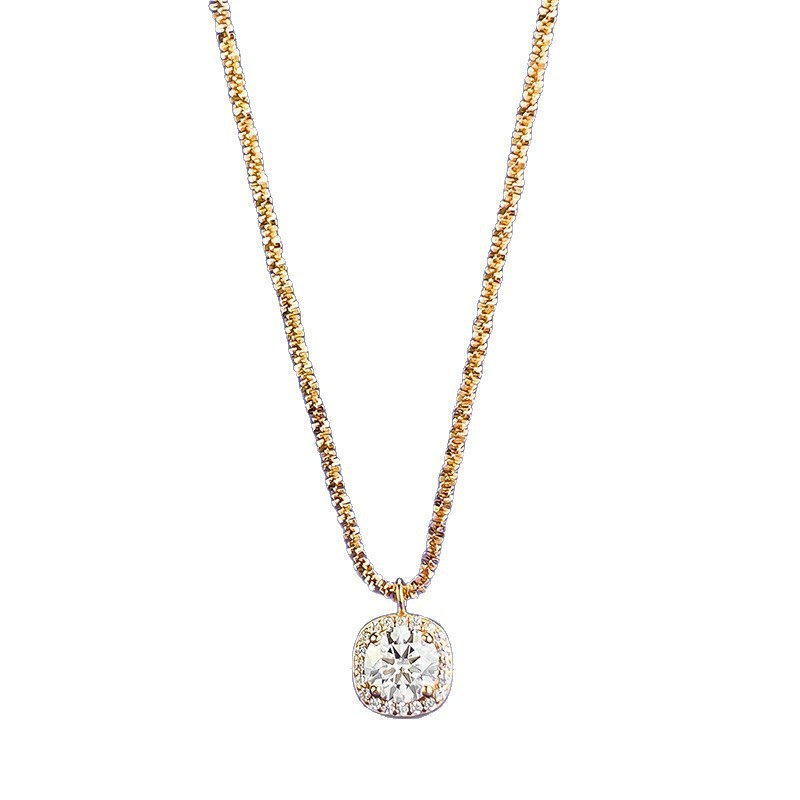
Chain Necklace Metal Durability Comparison: Best Metals for Daily Wear
A chain necklace has a quiet job, but it’s an important one. It holds a pendant, moves with your body, rubs against clothing, and still needs to look polished after months or years of wear. This chain necklace metal durability comparison breaks down which metals actually hold up in real life.
The short answer: for most people, solid 14k gold is the best everyday choice. Platinum is the premium pick, stainless steel is a strong budget option, and plated chains are best saved for occasional wear.
Metal is only part of the story. Chain style, link thickness, clasp quality, soldering, pendant weight, and care habits matter too. A thin chain in a strong metal can still snap if it’s pulled hard or asked to carry a heavy pendant.
Chain Necklace Metal Durability Comparison: What We’re Measuring
A fair chain necklace metal durability comparison should look beyond hardness. A necklace needs to resist bending, scratching, tarnish, corrosion, stretching, and clasp failure. It also helps if a jeweler can repair it instead of replacing it.
Chains live against skin, perfume, sunscreen, sweat, and fabric. They get caught in collars. They tangle in hair. They bump against other necklaces when layered. Sound familiar?
For this chain necklace metal durability comparison, we’re weighing these factors:
- Resistance to bending, denting, and stretching
- Scratch and surface wear resistance
- Tarnish and corrosion resistance
- Comfort for sensitive skin
- Repair options with a professional jeweler
- Strength for pendants and daily layering
- Long-term value
- Care needs and expected cost
The strongest everyday chain is usually not the hardest metal on paper. It’s the chain that balances strength, comfort, beauty, repairability, and value.
Why Metal Purity and Chain Construction Matter
Purity marks tell you a lot. According to GIA jewelry education, 14k gold contains 58.3% pure gold, while 18k gold contains 75% pure gold. Sterling silver is 92.5% silver, and many platinum jewelry pieces are 950 platinum, meaning 95% platinum.
Those numbers matter because pure precious metals are often softer than their alloyed forms. Jewelers mix gold, silver, platinum, copper, zinc, palladium, and other metals to improve color, strength, and wear performance.
A chain necklace metal durability comparison also needs to separate solid metal from surface-finished jewelry. Solid 14k gold is gold all the way through. Gold vermeil and gold-plated chains depend on a thin gold layer over another metal.
Once that surface layer wears down, the chain changes. The base metal may show through, and the necklace may irritate sensitive skin if the exposed metal contains nickel or other reactive alloys.
Chain Style Can Change the Durability Ranking
Metal choice matters, but link style can change the result. Cable, curb, rope, box, wheat, and Figaro chains all wear differently. A strong metal in a fragile design may not beat a slightly softer metal in a well-built chain.
Cable and curb chains are popular because they’re classic and often easier to repair. Wheat and rope chains feel sturdy, but their detailed links may need more careful service. Very fine box chains can look sleek, but they may kink if bent sharply.
Thickness matters even more. A 0.8 mm chain should not carry a heavy pendant, even if it’s platinum. A solid 1.5 mm or 2 mm chain in 14k gold will usually handle daily wear better than a paper-thin luxury chain.
Our customers often ask if they can use one chain for every pendant. We’ve found that pendant weight is the deciding factor. If you’re pairing a necklace with a lab-Grown Diamond Pendant, choose a chain strong enough for that specific piece.
You can compare pendant styles in our lab-grown diamond collection or browse finished designs in our fine jewelry collection.
14k Gold Chains: Best Everyday Balance
In this chain necklace metal durability comparison, 14k gold earns the top everyday recommendation for fine jewelry shoppers. It has enough gold content to feel luxurious, with enough alloy content to improve strength.
14k gold works well for daily chains, pendant chains, layering necklaces, and gifts. It resists tarnish better than sterling silver and lasts far longer than plated jewelry. A skilled jeweler can often repair, polish, or re-solder a solid 14k gold chain.
Yellow, white, and rose gold each have a different alloy mix. Yellow gold often uses metals such as copper, silver, and zinc. Rose gold gets its warm pink color from copper. White gold uses whitening alloys and often has a rhodium finish for a bright white look.
If you want one chain that can go from work to dinner to weekend wear, 14k gold is the safest choice. It’s practical without feeling plain.
Pros and Cons of 14k Gold Chains
14k gold gives you a strong mix of beauty and function. Since it is 58.3% pure gold, it still carries real precious metal value. The remaining 41.7% alloy content helps the chain resist bending and wear.
Pros of 14k gold chains:
- Excellent for everyday fine jewelry
- Stronger than 18k gold in many delicate chain styles
- More tarnish-resistant than sterling silver
- Repairable by many jewelers
- Suitable for diamond pendants and meaningful charms
- Available in yellow, white, and rose gold
Cons of 14k gold chains:
- Costs more than silver, steel, vermeil, or plated chains
- Can still scratch over time
- White gold may need rhodium re-plating
- Some alloy formulas may bother people with metal allergies
For most buyers, the strengths outweigh the trade-offs. That’s why 14k gold keeps winning in a chain necklace metal durability comparison for daily wear.
18k Gold Chains: Rich Color, Softer Wear
18k gold is beautiful. It contains 75% pure gold, which gives yellow and rose gold chains a richer, warmer look. Many luxury buyers love that deeper color.
The trade-off is softness. Since 18k gold has less strengthening alloy than 14k gold, it can scratch or bend more easily in thin chain styles. A substantial 18k chain can last for years, but delicate links need gentler handling.
Choose 18k gold if color and higher gold purity matter more than maximum toughness. For nonstop wear, frequent layering, sleeping, or carrying a heavier pendant, 14k gold is usually the more practical option.
This chain necklace metal durability comparison doesn’t rank 18k gold poorly. It’s still a fine jewelry metal. It simply asks for a little more care.
Platinum Chains: Premium, Dense, and Skin-Friendly
Platinum is one of the strongest precious metal choices in this chain necklace metal durability comparison. It is naturally white, highly corrosion-resistant, and often an excellent option for sensitive skin.
Most fine platinum jewelry uses high-purity alloys, often marked 950. That means the piece is 95% platinum. This high purity helps reduce exposure to common irritants found in some lower-cost alloys.
Platinum feels heavier than gold. Some people love that weight because it feels substantial. Others prefer the lighter feel of gold around the neck.
Platinum also develops a soft patina over time. Unlike some metals that lose material more quickly through abrasion, platinum tends to move rather than disappear. You can keep the patina or have a jeweler polish it for a brighter finish.
The main downside is price. Platinum chains can cost more than gold chains, and they may be harder to find in very delicate or trendy designs.
Sterling Silver Chains: Affordable, Bright, and Higher Maintenance
Sterling silver has a classic bright white shine at a much lower price than gold or platinum. It is marked 925 because it contains 92.5% silver and 7.5% other metal, usually copper.
Silver’s main weakness is tarnish. Air, humidity, sulfur, sweat, lotions, and storage conditions can darken the surface. That doesn’t mean the chain is ruined, but it does mean you’ll need polishing cloths and careful storage.
Sterling silver is also softer than many daily-wear options. Thin silver chains can bend, stretch, or break if worn constantly or paired with a heavy pendant.
In this chain necklace metal durability comparison, sterling silver is a good choice for budget-friendly jewelry, occasional wear, and casual layering. For a valuable diamond pendant, solid gold or platinum is usually a better long-term match.
Stainless Steel Chains: Tough Budget Durability
Stainless steel is strong, low-maintenance, and resistant to corrosion. It handles sweat better than many fashion metals, which makes it popular for casual chains, men’s chains, travel jewelry, and active lifestyles.
It doesn’t tarnish like silver, and it can take plenty of daily use. If fine jewelry value is not your main concern, stainless steel can be a smart buy.
The drawback is serviceability. Traditional jewelers may not resize, solder, or repair stainless steel as easily as gold or platinum. It also lacks the precious metal value and heirloom appeal of fine jewelry metals.
This chain necklace metal durability comparison ranks stainless steel highly for physical toughness, but lower for long-term jewelry value.
Titanium Chains: Lightweight, Strong, and Modern
Titanium is strong, light, corrosion-resistant, and comfortable for many sensitive-skin wearers. It’s a great option if you dislike heavy necklaces or prefer a clean, modern look.
Its light weight is the biggest comfort advantage. Platinum feels dense. Steel can feel solid. Titanium almost disappears on the neck.
The trade-off is repair and design variety. Titanium usually needs specialized tools, and it is less common in traditional fine jewelry chain styles. You may also find fewer classic pendant chain options.
In a chain necklace metal durability comparison, titanium performs well for comfort and corrosion resistance. It’s best for function-first buyers, sensitive skin, and minimalist styling.
Vermeil and Gold-Plated Chains: Pretty, but Not Built for Constant Wear
Gold vermeil and gold-plated chains can look beautiful at first. They’re also budget-friendly, which makes them tempting for layering and trend pieces.
Gold vermeil usually means a gold layer over sterling silver. Gold-plated jewelry often uses a thinner gold layer over a base metal. Quality varies widely, so product details matter.
The problem is friction. Chain links rub against each other all day. Perfume, sweat, water, sunscreen, and cosmetics can speed up wear. Areas near the clasp, pendant bail, and neckline often fade first.
This chain necklace metal durability comparison ranks vermeil above basic gold plating in many cases, especially when the plating is thicker and the base is sterling silver. Still, neither option lasts like solid 14k gold.
Use vermeil or plated chains for occasional outfits, not daily showering, sleeping, workouts, or valuable pendants.
Side-by-Side Chain Necklace Metal Durability Comparison
The chart below assumes a well-made, solid chain with a suitable thickness. Hollow chains, weak clasps, poor soldering, or ultra-thin links can perform worse in any metal.
| Metal Type | Daily Wear Durability | Scratch Resistance | Tarnish/Corrosion Resistance | Sensitive Skin Potential | Repairability | Fine Jewelry Value | Best For | Main Drawback |
|---|---|---|---|---|---|---|---|---|
| 14k Gold | Excellent | Very good | Excellent | Good to very good | Excellent | Excellent | Everyday pendants, gifts, layering | Higher cost than silver or steel |
| 18k Gold | Very good | Good | Excellent | Good to very good | Excellent | Excellent | Luxury chains and rich gold color | Softer than 14k gold |
| Platinum | Excellent | Very good | Excellent | Excellent | Very good | Excellent | Premium gifts and sensitive skin | Higher price and heavier feel |
| Sterling Silver | Moderate to good | Moderate | Moderate; tarnishes | Good if nickel-free | Good | Moderate | Budget fine jewelry | Tarnish and softness |
| Stainless Steel | Very good | Very good | Excellent | Depends on grade | Limited | Low | Active lifestyles and travel | Lower luxury value |
| Titanium | Very good | Very good | Excellent | Excellent for many wearers | Limited | Low to moderate | Lightweight sensitive-skin chains | Fewer classic styles |
| Gold Vermeil | Moderate | Moderate | Moderate | Depends on wearer | Limited | Moderate | Occasional gold-look jewelry | Gold layer can wear away |
| Gold-Plated | Low to moderate | Low to moderate | Low to moderate | Depends on base metal | Low | Low | Short-term fashion pieces | Thin plating wears fastest |
This chain necklace metal durability comparison points to three clear winners. Choose 14k gold for the best everyday fine jewelry balance. Choose platinum for premium white metal durability. Choose stainless steel for budget toughness without precious metal value.
Best Chain Metal by Use Case
Your best choice depends on how you’ll wear the necklace. A daily pendant chain needs more strength than an occasional statement piece. A sensitive-skin necklace has different needs than a travel chain.
Use this chain necklace metal durability comparison by shopping goal:
- Daily fine jewelry chain: solid 14k gold
- Luxury white metal chain: platinum
- Rich yellow gold look: 18k gold, with careful wear
- Budget classic jewelry: sterling silver
- Gym-friendly casual chain: stainless steel
- Lightweight sensitive-skin chain: titanium
- Fashion layering chain: vermeil or gold-plated, worn occasionally
- Lab-grown diamond pendant chain: solid 14k gold or platinum
If the necklace will hold a meaningful pendant, match the chain to the importance of the piece. A diamond pendant deserves a solid metal chain with a secure clasp.
You can shop durable everyday options in our chain necklace collection, explore lab-grown diamond pendant necklaces, or browse all fine necklaces.
Best Metal for Everyday Chain Necklaces
The best everyday choice in this chain necklace metal durability comparison is solid 14k gold. It gives you strength, beauty, repairability, and lasting value without the higher price or weight of platinum.
14k gold also works across many styles. Cable, curb, rope, wheat, and box chains all come in 14k gold, so you can choose the look that fits your pendant and wardrobe.
Platinum is the upgrade choice if you want a naturally white metal and excellent corrosion resistance. It’s especially appealing for sensitive skin, but it costs more and feels heavier.
Avoid delicate plated chains for nonstop wear. They may look good at first, but the surface layer will not last like solid metal.
Best Metal for Sensitive Skin
For sensitive skin, start with platinum, titanium, or high-quality nickel-free 14k gold. Reactions often come from nickel, low-quality base metals, or exposed plating layers.
Ask for metal details before buying. Look for clear purity marks such as 14k, 18k, 925, or 950 platinum. If you’ve reacted to jewelry before, don’t guess.
A chain necklace metal durability comparison should always include skin comfort because a durable chain doesn’t help if you can’t wear it. Comfort is part of longevity.
Best Metal for Diamond Pendants
For most lab-Grown Diamond Pendants, solid 14k gold is the best all-around chain metal. It is strong enough for daily wear, refined enough for fine jewelry, and easier to repair than many alternative metals.
Platinum is also excellent, especially for white metal designs and sensitive-skin wearers. It has a premium feel and strong corrosion resistance.
Skip plated and very thin chains for valuable pendants. The chain should protect the pendant, not become the weak link.
Expert Recommendation: What We’d Choose
If you’re buying one necklace for daily wear, our recommendation is solid 14k gold. This chain necklace metal durability comparison shows why: it balances durability, beauty, repairability, comfort, and value better than most metals.
Choose platinum if you want the premium white metal option and don’t mind extra weight or cost. Choose stainless steel if you need a low-cost chain for casual use. Choose vermeil or plated jewelry only when occasional wear is the plan.
Here’s the simple rule: if you’ll wear the chain often or use it for a meaningful pendant, buy solid metal. If it’s a trend piece, plated or vermeil may be enough.
Ready to compare styles? Start with solid 14k gold chain necklaces, pair them with diamond pendant necklaces, or explore more fine jewelry designs.
Ready to Find Your Perfect Diamond?
Explore our collection of certified lab-grown diamonds
Shop Diamonds