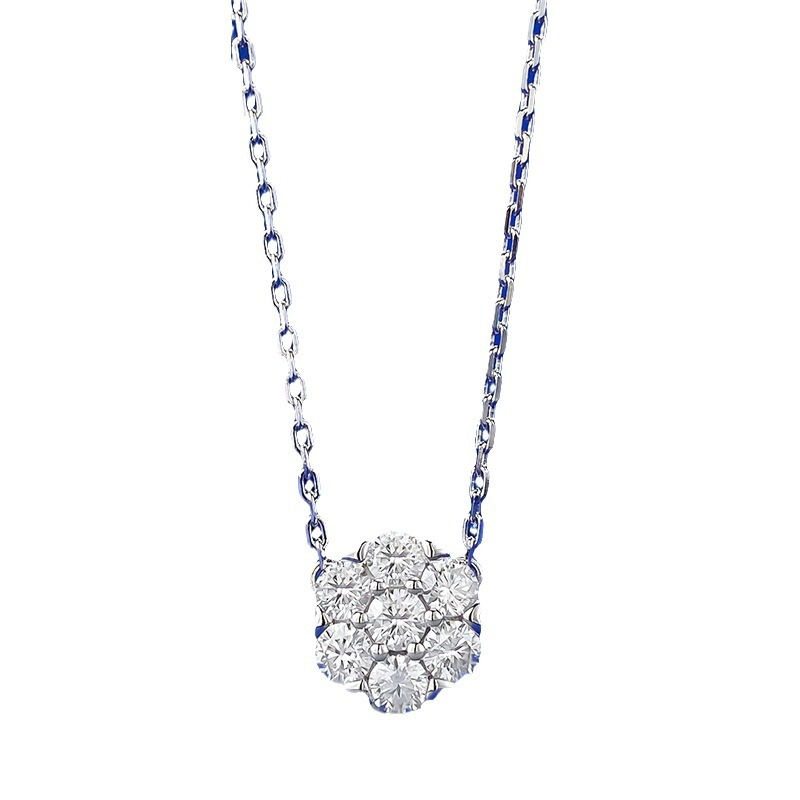
Certified Diamond Appraisal Report: What to Check Before You Buy
A Certified Diamond Appraisal report can make a big difference Before You Buy fine jewelry. It gives you a written record of the diamond, the setting, and the estimated replacement value. That helps you compare pieces more clearly and avoid guesswork.
If you’re shopping for a ring, pendant, or pair of earrings, the report can also help with insurance and ownership records. Buyers usually feel more confident when the appraisal matches the product page and any grading report. Why leave a purchase this important to chance?
What a Certified Diamond Appraisal Report Means
A certified diamond appraisal report is a professional document that describes a diamond or diamond jewelry piece and gives it an estimated value. Buyers often use it for insurance, estate planning, resale records, or simple peace of mind. It usually lists the stone’s measurements, carat weight, color, clarity, cut, metal type, setting style, and valuation date.
This document is not the same as a grading report. A grading report from GIA or IGI focuses on gem details such as cut, color, clarity, and proportions. A certified diamond appraisal report goes further by assigning a dollar value based on market data and replacement cost.
That difference matters. A receipt only shows what you paid. An appraisal report shows what the item may cost to replace, which is what many insurance companies want.
Lab-grown diamond buyers should pay attention too. The center stone may be lab-created, but the finished piece still has value tied to the diamond, the metal, and the workmanship. A certified diamond appraisal report helps document the full jewelry item, not just the stone.
For buyers comparing natural and lab-grown diamonds, the report can also clarify what is actually being insured. A 1.00 carat lab-grown round diamond in a classic solitaire may cost far less at checkout than a natural diamond of similar appearance, but the appraisal should still reflect the cost to replace the entire finished ring, including the mounting and labor. If the wording is unclear, ask whether the value is based on current retail replacement, wholesale, or a specific store standard. That distinction can affect both insurance premiums and claim outcomes.
Who Certifies an Appraisal and What “Certified” Should Mean
The word “certified” is often used loosely in jewelry, so it helps to know what it should mean in practice. A credible appraisal should come from a qualified appraiser who has relevant gemological training, identifies their credentials, and stands behind the document. Look for titles such as Graduate Gemologist, Certified Gemologist Appraiser, or another recognized appraisal credential from a respected trade organization.
Certification does not mean every report is identical. It means the appraiser has the knowledge and process to evaluate the jewelry in a professional way. A trustworthy certified diamond appraisal report should also indicate whether the value reflects a retail replacement estimate, an auction value, or another purpose. If a report does not explain how the value was determined, it is harder to use for insurance or comparison shopping.
Buyers should be careful with reports that appear to be generated only to support a sale price. A real appraisal should be specific, dated, and independent enough that a third party could understand the piece without seeing it in person. That is especially important when you are buying online and cannot inspect the stone under magnification yourself.
What Should Be in a Certified Diamond Appraisal Report?
A good certified diamond appraisal report should be clear, specific, and easy to match to the actual jewelry. The details should line up with what you were shown online or in the showroom.
Diamond details to check
Look for these core details in the report:
- Report or reference number
- Diamond shape and cutting style
- Measurements in millimeters
- Carat weight
- Color grade
- Clarity grade
- Cut grade, if listed
- Polish and symmetry
- Fluorescence, if present
These numbers and grades matter because they affect both beauty and value. For example, GIA notes that cut has a major impact on how a diamond looks and performs in light. A 1.00 carat round brilliant with Excellent cut will usually not appraise the same as a similar stone with lower grades.
It is also worth checking whether the report notes any visible inclusions, blemishes, or treatments. A diamond described as “eye clean” may still contain inclusions under magnification, and a report should not overstate what can be seen. For fancy shapes such as oval, pear, cushion, or emerald cut, measurements matter even more because two diamonds with the same carat weight can face up very differently depending on spread and proportions.
Setting and metal details
The report should also describe the jewelry setting. That includes metal type, such as 14K white gold, 18K yellow gold, or platinum. It should also note the setting style, like solitaire, halo, pavé, bezel, or three-stone.
Side stones, ring size, and finish may also appear. Those details matter because the mounting changes the replacement cost. A detailed halo ring with matched accent stones costs more to replace than a plain solitaire.
Metal choice affects both durability and price. Platinum is dense and resistant to wear, which makes it a strong option for daily-use engagement rings, but it usually costs more than 14K gold. 14K gold is typically a practical balance of price and durability, while 18K gold offers a richer color but is slightly softer. White gold often needs rhodium replating over time, so buyers should consider maintenance when comparing settings. If you are choosing between metals, think about skin tone, lifestyle, and how often the piece will need service.
Appraisal details and dates
The paperwork should also include the business side of the appraisal:
- Appraisal date
- Appraised or replacement value
- Purpose of appraisal
- Appraiser name and credentials
- Report number
- Business contact details
A report without a date or appraiser name is harder to trust. Insurance companies usually want clear, current documentation, and so do buyers.
It helps if the report also indicates whether the jewelry was inspected loose or mounted, because a mounted stone may be harder to examine thoroughly. If the diamond was evaluated while set, the appraiser should note any limitations. That transparency matters for buyers who want the highest level of confidence before purchase.
How to Read a Diamond Appraisal Report Like a Buyer
Start by comparing the appraisal to the product page and any grading report you received. The goal is simple: make sure all three documents describe the same piece.
What each line means
- Measurements: These should match the advertised stone size. Even a small millimeter change can affect how large the diamond looks.
- Carat weight: Check that the listed weight matches the sale details.
- Color and clarity: These grades help you compare quality across similar pieces.
- Metal type: The report should say 14K, 18K, or platinum exactly as sold.
- Setting style: The setting description should match the design.
- Value: This should reflect replacement cost, not your checkout price.
If one document says something different from the others, pause and ask questions. A good certified diamond appraisal report should make the purchase easier to verify, not harder.
Pay attention to whether the value includes the mounting, center stone, and any accent stones separately or as one total. Some reports group the whole piece into one replacement figure, while others break out the diamond and setting. A detailed breakdown can help if you ever need to replace only part of the jewelry after damage or loss.
Compare the report with the listing
Use three items together:
- The StoneBridge Jewelry product page
- The grading report, if available
- The certified diamond appraisal report
The product page shows the design and specifications. The grading report confirms the gem details. The appraisal report connects those facts to a replacement value.
That process matters for lab-grown jewelry too. If you’re buying a lab-grown diamond piece, the report should clearly say so. If you want to compare styles first, you can shop our lab-grown diamonds.
When comparing listings, look at the exact shape and proportions rather than the carat weight alone. A 1.00 carat round diamond and a 1.00 carat oval diamond can look very different on the hand. A shallow oval may appear larger than a deeper stone of the same weight, but the appraisal should still reflect the actual measurements and quality. This is why buyers should never rely on carat weight alone when judging value.
Red flags to watch for
A report should feel specific, not vague. Watch for these warning signs:
- Missing measurements or carat weight
- No metal purity listed
- No appraiser credentials
- No report number
- No valuation date
- Descriptions that don’t match the jewelry
- A value that seems far off from the item details
If the wording is too general, the report may not help with insurance or claims. A useful certified diamond appraisal report should be detailed enough for another jeweler or insurer to identify the piece.
Also be wary of inflated language. Phrases like “investment quality,” “museum grade,” or “top of the line” are not substitutes for measurable details. The strongest reports use facts: dimensions, grades, metal content, stone count, and valuation basis. If those are missing, the report may be weak even if it looks polished.
Diamond Specs That Can Change What You Should Pay
When you are deciding whether a report and price make sense, it helps to know which diamond specs usually move the needle most. Not every grade has the same impact on appearance or value. Some tradeoffs are worth paying for, while others are less noticeable to the eye.
Cut quality
For round brilliant diamonds, cut is often the most important quality factor. An Excellent or Ideal cut can improve brightness, fire, and scintillation. Buyers often notice cut before they notice color or clarity. If you are comparing two diamonds with similar carat weights, a better cut can make the stone look more lively and sometimes even larger face up.
Color grade
Color matters more in some settings than others. In white metals like platinum and white gold, near-colorless grades such as G, H, or I may be a practical sweet spot because they often look bright while keeping the budget more manageable. In yellow gold or rose gold, a slightly lower color grade may be less noticeable because the metal color can soften the appearance of warmth in the stone.
Clarity grade
Clarity is about the presence and visibility of inclusions. Many buyers can save money by choosing a stone that is clean to the eye rather than chasing flawless grades that are visible only under magnification. VS1, VS2, and even some SI1 diamonds can be excellent choices if the inclusions are not obvious. The report should help you confirm whether the diamond is a smart buy for the money.
Carat weight versus size
Carat weight measures mass, not visible spread. A well-cut 0.90 carat diamond may appear close in size to a poorly cut 1.00 carat diamond, but the visual performance may be better in the smaller stone. Buyers should use millimeter measurements, not carat weight alone, especially when comparing stones set in different designs.
If you are working with a budget, small adjustments in carat weight can produce meaningful savings. A diamond just below a popular benchmark, such as 0.90 instead of 1.00 carat or 1.40 instead of 1.50 carats, can cost less while still looking substantial. A competent appraiser should reflect the actual quality and market position of the stone, not just the rounded carat number.
Price Ranges and Budget Planning
A certified diamond appraisal report can help you understand whether the finished piece is priced fairly for its materials, but you still need a real-world budget. Diamond jewelry spans a wide range, and the final cost depends on more than the center stone.
For example, a simple lab-grown diamond solitaire in 14K gold may fall into a much lower price range than a natural diamond ring of the same design. Add a halo, larger side stones, or platinum, and the cost can rise quickly. Matching earring pairs and pendant settings also carry different labor costs because symmetry and stone matching add complexity.
As a rough buyer framework, smaller lab-grown solitaire pieces may sit in the lower hundreds or low thousands, while more elaborate natural Diamond Engagement Rings can move into the several-thousand-to-five-figure range depending on size and quality. Fine jewelry with high-color, high-clarity stones, branded settings, or custom work can rise further. The report should make sense relative to those inputs.
When comparing prices, separate the value of the stone from the value of the setting if possible. A $4,000 ring with a 1.00 carat lab-grown diamond in a plain gold solitaire is very different from a $4,000 ring with a smaller natural center stone, accent diamonds, and a heavier platinum mounting. Ask what you are really paying for: the center diamond, the design, the metal, or the craftsmanship. That simple exercise often reveals where value is strongest.
Setting Choices and Their Tradeoffs
The setting changes not just the look of the ring but also the maintenance, security, and replacement cost. A certified diamond appraisal report should reflect that reality, especially when the mounting includes side stones or complex craftsmanship.
Solitaire
A solitaire setting puts the focus on one center stone. It is usually the easiest style to clean and the least expensive to replace. Many buyers like it for its timeless look and lower maintenance. The downside is that it may show the full size of the center stone, so the diamond quality needs to carry the design.
Halo
A halo setting surrounds the center stone with smaller diamonds. This can make the ring look larger and more sparkly for the money, but it adds labor, small stones, and extra cleaning requirements. A halo may appraise higher than a solitaire with the same center stone because there is more material and workmanship involved.
Three-stone
Three-stone rings offer balance and extra presence on the finger. They can be romantic and visually substantial, but matching the side stones adds complexity. If the side stones are diamonds of notable size, the appraisal should clearly list them.
Bezel and semi-bezel
Bezel settings surround the stone with metal, which can improve security and make the piece more wearable for active lifestyles. They may slightly change how large the diamond appears because more of the edge is covered. Buyers who prefer a streamlined, modern look often choose bezel settings for pendants and rings that will be worn every day.
Pavé and shared-prong designs
Pavé and shared-prong settings can maximize sparkle, but they may require more frequent checks to ensure stones remain secure. Tiny accent stones can loosen over time if the piece is knocked or worn hard. If the jewelry includes many small diamonds, the appraisal should account for those stones and the craftsmanship needed to reset or replace them.
Sizing, Fit, and Everyday Wear
Ring size is easy to overlook during online shopping, but it affects comfort, security, and future service costs. A certified diamond appraisal report may include ring size, and that number should match what you ordered or approved.
If you are buying an engagement ring or a gift, use a reliable ring size guide before checkout. Resizing is common, but it is not always free and not all designs resize equally well. Eternity bands, heavily pavé rings, and tension-style settings can be more difficult to alter. If the ring is being sized after purchase, the appraisal should ideally be updated once the final size is confirmed.
For everyday wear, think about finger shape, lifestyle, and stacking plans. A tall setting can catch on clothing. A very low setting may protect the center stone better but can change the way the ring sits next to a wedding band. If the ring will be worn daily, comfort fit bands, smooth edges, and secure prongs are worth considering.
How to Care for the Jewelry After You Buy
A well-kept diamond stays brighter and safer over time. The certified diamond appraisal report documents the piece at purchase, but your care routine protects its condition afterward.
For most diamond jewelry, gentle cleaning with warm water, mild soap, and a soft brush is enough for routine maintenance. Avoid harsh chemicals and ultrasonic cleaners if the piece has delicate pave work, emerald-cut stones with open tables, or treated gems. Pearl, opal, emerald, and some antique pieces require more caution than a standard diamond ring.
Store jewelry separately so it does not scratch other pieces. Diamonds can scratch other gemstones and even other diamonds. Check prongs and clasps regularly, especially on rings worn daily. If a prong catches fabric or looks bent, have it inspected promptly. Small repairs now can prevent a major loss later.
If the jewelry includes white gold, ask about rhodium replating intervals. If it is platinum, expect a soft patina over time unless the surface is professionally polished. The report does not replace maintenance, but it does help you document the piece before and after service.
Shipping, Returns, and Documentation Tips
Buyers should also think about logistics before they trust a certified diamond appraisal report. Shipping and return policies matter because they affect what happens if the item does not match the paperwork.
Before you place an order, confirm whether the item ships insured and requires a signature upon delivery. High-value jewelry should not be left unattended. Ask whether the package is discreetly labeled and whether the carrier tracking includes adult signature verification. If you are purchasing a ring as a surprise, plan ahead so someone is available to accept the package.
Return windows matter too. Make sure you understand how many days you have to inspect the jewelry and whether resizing or custom work makes the item final sale. If the report does not match the product, you want enough time to resolve the issue. Photograph the package when it arrives, keep all inserts and labels, and save digital copies of the appraisal, receipt, and grading report in more than one place.
It is also smart to record the item’s identifying features the moment it arrives: stone count, setting style, band width, and any laser inscription on the diamond girdle. These details can make future insurance claims or resale questions much easier to handle. If the ring is resized or repaired later, keep the service receipt with the original certified diamond appraisal report so the history stays complete.
Why the Report Matters for Insurance and Ownership
Most buyers ask for a certified diamond appraisal report because they want better protection. Jewelry insurance often requires proof of the item and its replacement value. That report gives insurers a clear starting point.
According to the Insurance Information Institute, jewelry theft losses remain a real concern for homeowners, and high-value pieces are often excluded or limited without proper documentation. A solid appraisal can make claims smoother if the worst happens. It can also help reduce disputes about what the jewelry was supposed to be.
The report also helps with ownership records. If you ever sell, upgrade, or pass the piece to family, you’ll have a dated record of what it was and how it was valued. That can matter for estate planning, gifting, or resale.
If you are insuring more than one item, keep each report separate and label the digital files by piece type, metal, and date. A file name such as “1ct-round-lab-grown-18k-white-gold-appraisal.pdf” is easier to manage than a generic scan title. Good recordkeeping saves time if you need to update coverage after a resize, reset, or upgrade.
What Affects Appraisal Value?
Appraisal value and retail price are not the same thing. A certified diamond appraisal report usually estimates replacement value, which may be higher than the price you paid on sale.
Main factors that affect value
Several details shape the final number:
- Diamond quality grades
- Carat weight and measurements
- Shape and proportions
- Metal type and purity
- Setting complexity
- Accent stones or side stones
- Market pricing at the time of the report
- Brand or custom craftsmanship
A 1.50 carat ring in platinum with a detailed halo setting will usually appraise higher than a simple 14K gold solitaire, even if the center stones look similar on paper. Labor and materials both matter.
Why the number may be higher than your receipt
This surprises a lot of buyers, but it makes sense. A certified diamond appraisal report may use replacement pricing, current retail benchmarks, and professional valuation methods. That can push the value above the sale price.
Here’s a quick way to think about it:
| Document | Purpose | Value Shown | Best Use |
|---|---|---|---|
| Sales receipt | Records what you paid | Purchase price | Proof of purchase |
| Grading report | Describes diamond quality | No value | Quality comparison |
| Certified diamond appraisal report | Estimates replacement cost | Yes | Insurance and records |
If you’re comparing styles for an engagement ring, the report can help you make a smarter choice. You can also explore our engagement rings to review settings and stone options.
Common pricing mistakes buyers make
One of the biggest mistakes is assuming the highest appraisal value means the best buy. A high appraisal can simply reflect replacement cost, not extraordinary value. Another common mistake is comparing diamonds by carat alone without reviewing cut quality, color, and clarity. A stone that is slightly smaller but better cut may look more brilliant and be more desirable in daily wear.
Buyers also sometimes forget to account for maintenance costs. A platinum pavé ring may cost more to replace, but it can also cost more to service over time if many small stones are set. Likewise, white gold may be cheaper up front but need periodic replating. The smartest purchase is the one that fits both the budget and the long-term care plan.
When to Request or Update a Diamond Appraisal Report
The best time to request a certified diamond appraisal report is soon after purchase. That gives you a fresh record before the jewelry is resized, worn often, or stored away.
Good times to get an appraisal
Consider requesting one:
- Right after you buy the jewelry
- Before adding it to an insurance policy
- After a resize or repair
- When you reset the stone into a new mounting
- Before gifting a major piece
If your insurer asks for current paperwork, don’t wait. A recent report can keep coverage from being delayed.
When to update it
A certified diamond appraisal report should be updated after major changes. That includes resizing, resetting, adding side stones, or restoring a damaged piece. It also makes sense to review the value every few years if the item is insured.
Market prices change, and so do replacement costs. Keeping the report current helps you stay close to what it would cost to replace the jewelry today.
Updates are especially important if the design changes in a way that affects metal weight or stone count. For example, turning a solitaire into a halo can dramatically increase the number of small diamonds and the labor needed to build the ring. Even a modest repair, such as replacing prongs or re-setting a loose center stone, can change the item enough to justify a new report.
How StoneBridge Jewelry Helps You Buy with Confidence
StoneBridge Jewelry gives you clear product details so you can compare pieces Before You Buy. That matters because a certified diamond appraisal report should match the item description, metal, and setting shown on the product page.
Our product pages are written to help you check the facts fast. You’ll see the stone type, setting style, and material details without having to dig for them. If you want to build a piece from the ground up, you can use our ring builder.
Need help matching a report to a product or checking ring size Before You Order? Read our ring sizing guide or browse our jewelry collection for more options. If you still have questions, our team is here to help.
We also encourage buyers to save all jewelry documents together: the receipt, grading report, appraisal, resizing paperwork, and insurance confirmation. That file set becomes especially useful if you ever upgrade the piece or need to prove what was originally sold. A well-organized purchase is easier to insure, easier to service, and easier to enjoy.
Buying Checklist Before You Trust the Report
Before you rely on a certified diamond appraisal report, run through a quick checklist:
- Does it match the product page?
- Are the measurements and carat weight correct?
- Is the metal listed accurately?
- Does the setting style match the design?
- Is the report dated?
- Are the appraiser’s credentials shown?
- Does the value seem reasonable for the piece?
That quick review can save you from headaches later. It also gives you a better sense of whether the document is useful for insurance, ownership, or resale.
Use the checklist as a final step, not the only step. If you are buying an engagement ring, compare at least two or three similar pieces so you can see how color, clarity, and setting style change the price. The best purchase is usually not the one with the biggest number on the report, but the one that balances appearance, durability, and documented value.
Common Mistakes Buyers Should Avoid
Many jewelry buyers focus so much on sparkle that they overlook the paperwork. One common mistake is accepting an appraisal that was never compared to the actual item. Another is assuming a grading report and an appraisal are interchangeable; they are not. A grading report describes the diamond, while the appraisal assigns value and may include the setting.
Another error is forgetting to verify the center stone type. A lab-grown diamond, natural diamond, and diamond simulant like moissanite can look similar at a glance, but they should never be documented the same way. If the report does not clearly identify the stone, ask for clarification Before You Buy.
Some shoppers also underestimate how setting details affect security. Thin prongs, shallow baskets, or overly delicate pave can look beautiful but may need more upkeep. If you want lower maintenance, ask whether the design has reinforced prongs, a secure gallery rail, or a bezel-style head. These practical details are worth considering alongside the report because they influence how long the piece stays in good condition.
Read the Report, Then Buy with Confidence
A certified diamond appraisal report gives you more than a number. It gives you a paper trail, a replacement estimate, and a clearer picture of the jewelry you’re buying.
Before you check out, compare the appraisal with the product page and any grading report. Make sure the details match, the date is current, and the value makes sense for the piece. That’s the kind of step that protects your purchase long after the box is opened.
Ready to compare fine jewelry with clear details and no guesswork? Browse StoneBridge Jewelry today and find the piece that Fits Your Style, budget, and plans for the future.
Ready to Find Your Perfect Diamond?
Explore our collection of certified lab-grown diamonds
Shop Diamonds