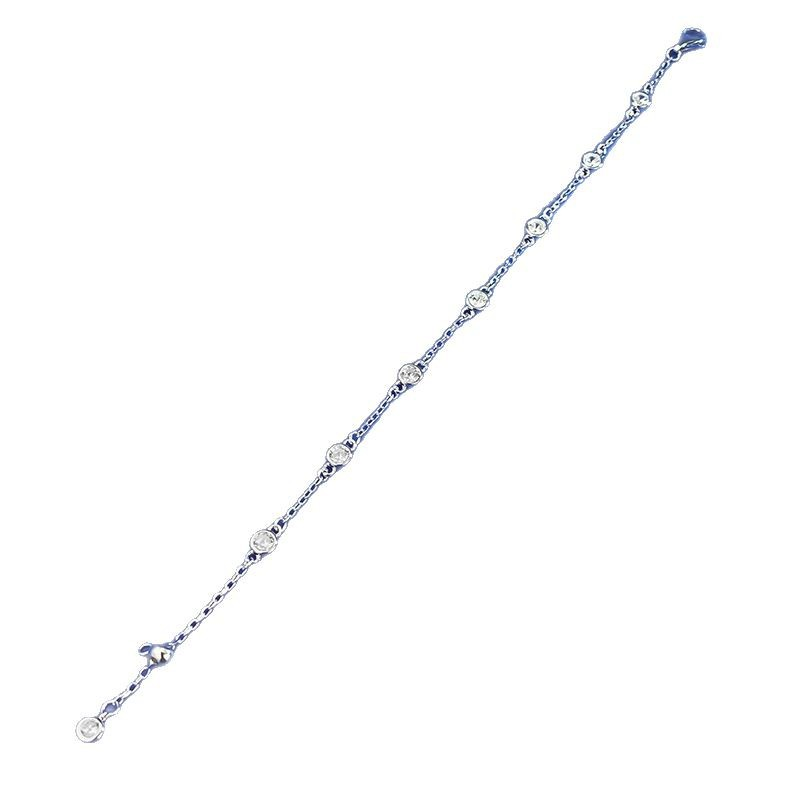
Certificate Number Verification Price Checklist for Diamond Buyers
A Certificate Number Verification price checklist helps you judge a diamond or piece of fine jewelry before you spend a dollar. It links the item in the listing to the grading report behind it, so you can see whether the price makes sense.
That matters more than most shoppers think. In our experience, the biggest buying mistakes happen when people compare stones that look alike but have different grades, different settings, or even different report details.
Why a certificate number verification price checklist matters
A certificate number ties a stone to its grading report. That report usually comes from a lab such as GIA or IGI, both of which are widely recognized in the trade. The report number is the key that lets you match the stone to its documented carat weight, cut, color, clarity, measurements, and other details.
Price alone can be misleading. Two 1.00 carat diamonds can land at very different price points if one has a better cut grade, cleaner clarity, or a more trusted report. So, which one is actually the better buy?
A Certificate Number Verification Price Checklist helps you answer that question with facts, not guesswork. It also catches listings that use stock photos, vague specs, or missing paperwork.
It is especially useful when you are shopping online, where you cannot examine the stone under bright lighting or compare it next to similar diamonds in person. In a showroom, a salesperson can often explain why one ring is priced higher. Online, that explanation has to come from the report, the product page, and the seller’s policies.
What the report can confirm
A verified grading report can confirm:
- The exact stone or gemstone identity
- The certificate number shown on the listing
- The issuing lab
- The quality grades and measurements
- Whether the asking price fits the documented specs
If those details don't match, the price comparison falls apart.
In practical terms, the report can also help you understand whether a diamond has been laser inscribed with the certificate number, which is common on many certified stones. That inscription is not a substitute for verification, but it adds another layer of traceability when the seller provides a clear image or report note.
What to check before you compare prices
A good Certificate Number Verification price checklist goes beyond the report number. It should help you review the seller, the stone, and the setting as one complete purchase.
Start with the certificate number. It should appear on the product page, and it should match the lab report exactly. Then check the lab name. GIA and IGI use standard grading language, which makes side-by-side comparison much easier.
Next, compare the stone details line by line. Match the carat weight, shape, cut, color, clarity, and measurements. If the seller lists polish, symmetry, or fluorescence, check those too.
For diamonds, measurements are more important than many first-time buyers realize. Two stones can both be labeled 1.00 carat, but one may spread slightly wider and look larger face-up because of its proportions. A difference of tenths of a millimeter can affect how full the stone appears in a ring.
Checklist items to verify before checkout
- Match the certificate number on the listing to the lab report.
- Confirm the issuing lab is named clearly.
- Compare carat, shape, cut, color, clarity, and measurements.
- Check the metal type and setting style.
- Review the seller name, SKU, and invoice details.
- Read the return policy, warranty, and resizing terms.
- Ask whether the item includes a digital or original report copy.
It also helps to confirm whether the report is for a natural diamond, lab-grown diamond, or a different gemstone entirely. A shopper comparing two apparently similar stones can miss that one is natural and one is lab-grown, which can create a major price gap even when the size and appearance seem close.
Red flags that should slow you down
Watch closely if you see any of these:
- No certificate number on a high-value item
- A report number that won't verify through the lab lookup tool
- Different carat weight or shape on the listing and report
- Thin product copy that says little beyond “premium quality”
- A price that feels far below similar verified listings
- Stock images with no item-specific paperwork
When a seller avoids clear paperwork, the Certificate Number Verification price checklist becomes your first filter.
Also watch for listings that quote “certified” without naming the lab. In the trade, that wording can be used loosely. A real certificate number from a recognized lab is much more useful than a vague claim of certification with no easy way to verify it.
How to compare price, value, and paperwork together
Good price checks look at the stone and the setting at the same time. A lower sticker price can still be poor value if the grading is weak, the setting is light, or the listing leaves out key details.
A certificate number verification price checklist works best as a value tool. It helps you ask three simple questions:
- Is the stone fully documented?
- Does the price match the documented quality?
- Does the setting justify the final cost?
A stone with a stronger cut grade often looks brighter and sharper. GIA notes that cut is one of the most important factors in a diamond's visual performance. That means a smaller stone with an excellent cut can look better than a larger one with a weaker cut.
You should also think about proportions and shape. Round diamonds usually command the highest prices because demand is strong and cutting them well can create more weight loss from the rough. Oval, cushion, emerald, and pear shapes often price differently, and the same certificate number verification price checklist can help you determine whether the premium is coming from the shape itself or from the settings and presentation.
Compare value, not just the sticker price
Two diamonds with the same carat weight can still price out very differently. One may have a better color grade, tighter clarity, or a more durable mount. Another may look fine in photos but fall short once you check the report.
| Factor | Lower-value listing | Higher-value listing |
|---|---|---|
| Certificate | Missing or hard to verify | Clear report number from a recognized lab |
| Cut quality | Not stated or lower grade | Strong cut grade shown |
| Color and clarity | Vague wording | Exact grades listed |
| Metal | Light-weight or unclear | Clear metal type and weight |
| Setting | Generic description | Specific setting style and build details |
| Price logic | No explanation | Transparent and itemized |
That table saves time, and it helps you compare rings, earrings, and pendants on equal terms.
For example, a 1.00 carat diamond in a delicate 14K white gold solitaire may cost far less than a similar stone set in platinum with side stones, even if the certificate information is identical. The setting material, labor, and accent stones all affect the final number on the invoice.
Why verified paperwork protects your budget
Verified paperwork helps in two ways. First, it lowers the chance of buying a stone that doesn't match the seller's claim. Second, it gives you a stronger paper trail for insurance, resale, or an upgrade later on.
Our customers often say they feel more comfortable once the report and listing line up. That confidence matters. If the details are clean, the price is easier to understand.
It also matters if you ever want to trade up. Jewelers often review the original report when assessing upgrade eligibility, and a clear verification history can simplify that conversation. Keep copies of the report, invoice, and shipping documentation together in the same file.
Product features that change the final price
A certificate number verification price checklist should always sit next to the product details. A diamond is never priced on the certificate alone. The full design matters too.
Main factors that affect price
1. Carat weight
Carat is one of the biggest price drivers. Even small jumps can move the price a lot, especially around 0.50, 1.00, and 1.50 carats. A 1.00 carat stone often costs more per carat than a 0.90 carat stone because round sizes sell well.
That jump can be especially noticeable when shoppers focus on milestone sizes. If you are choosing between a 0.90 and 1.00 carat diamond, look closely at millimeter spread, not just the label. A well-cut 0.90 carat can face up nearly as large as a heavier but deeper 1.00 carat stone.
2. Cut quality
Cut controls sparkle, fire, and brightness. A well-cut diamond can look more lively than a larger stone with a weaker cut. That's why cut quality often changes the final price in a noticeable way.
If the report includes Excellent, Very Good, Good, or similar grades, use that information carefully. For round brilliant diamonds, a stronger cut grade is often worth paying for. For fancy shapes, check symmetry, polish, and face-up shape because the lab may not offer the same cut scale.
3. Color grade
Color runs from colorless to near-colorless and beyond. A cleaner-looking diamond usually costs more. In lab-grown diamonds, color still matters because the difference can show up in larger stones.
White metals such as platinum and white gold can make near-colorless stones appear brighter, while yellow gold can make warmer tones less noticeable. That means metal choice can influence how much color you need to pay for.
4. Clarity grade
Clarity measures inclusions and blemishes. Higher clarity usually raises the price, although many buyers can choose a slightly lower grade and still get a beautiful stone.
A smart clarity choice depends on the stone type and setting. An inclusion near the edge may be hidden by prongs, while a central inclusion in an emerald cut can be easier to see because the shape has large open facets. If you are paying for a higher clarity grade, make sure the report actually supports that premium.
5. Metal type
Platinum, 18K gold, 14K gold, and sterling silver all price differently. Platinum often costs more because the metal itself is denser and more durable. Gold color also affects style and cost.
In everyday wear, 14K gold is a practical middle ground for many buyers because it balances durability and price. 18K gold has a richer gold color but is typically softer and more expensive. Platinum is a strong choice for buyers who want a premium feel and low maintenance color retention, though it usually comes at a higher price.
6. Setting style
A solitaire usually costs less than a halo, pavé, or custom multi-stone design. More labor and more metal usually mean a higher price.
Halo settings can make the center stone look larger, which is appealing if you want more visual impact for the budget. Pavé styles add sparkle along the band, but tiny accent stones can require more maintenance over time. Bezel settings offer better protection for active wear, though they can slightly reduce the apparent size of the center stone.
Buyer details that shape long-term satisfaction
The certificate number verification price checklist should also cover how the piece will fit into daily life. A fair price isn't much help if the jewelry doesn't suit your routine.
Ring size
If you're buying a ring, size matters. Resizing is possible for some settings, but not all. If you're unsure, use our ring size guide before ordering.
Keep in mind that wide bands often feel tighter than thin ones, and stackable styles can need a slightly different fit than a single ring. If the ring has stones halfway or fully around the band, resizing may be limited, so confirm sizing Before You Buy.
Lifestyle
A high-set ring may look stunning, but it can snag on clothes. A lower-profile setting may fit active wear better.
If you work with your hands, have small children, or wear gloves often, ask about basket height, prong durability, and whether the center stone sits flush enough for comfortable daily wear. Those details matter as much as the grade when you plan to wear the piece every day.
Maintenance
Some settings need regular cleaning or prong checks. Ask how often the piece should be inspected if you want lower upkeep.
For example, pavé bands and halo rings often collect soap, lotion, and dust between the small stones. Simple cleaning with mild soap and warm water can help, but you should still have the setting checked periodically by a jeweler if you wear it daily.
Insurance and appraisal
A verified report can help with insurance paperwork. It doesn't replace an appraisal, but it gives you a solid starting point.
If you're buying a high-value ring, ask whether the seller can provide an invoice that separates the center stone, side stones, and setting. That level of detail can make future appraisal or claim paperwork easier to manage.
Simple price examples by feature set
Here are three ways the same carat weight can price out differently:
- 1.00 carat lab-grown diamond, excellent cut, higher color and clarity, platinum solitaire
- 1.00 carat lab-grown diamond, good cut, lower color and clarity, 14K gold mount
- 1.00 carat lab-grown diamond, excellent cut, halo setting, heavier metal weight
The certificate number verification price checklist makes those differences easier to spot. The report tells you the stone facts. The product page tells you the design facts. You need both.
If you want to compare styles, shop our lab-grown diamonds or browse engagement rings to see certified options with clearer pricing context.
How to use the checklist before you shop
Use the certificate number verification price checklist as a quick pre-buy routine. It only takes a few minutes, and it can stop a bad comparison before it starts.
Step-by-step shopping process
- Open the listing and find the certificate number.
- Search the report using the lab's official lookup tool.
- Match the report to the listing and product photos.
- Compare the price with the documented quality and setting.
- Review the return policy, warranty, and shipping terms.
- Ask a jewelry specialist if anything feels unclear.
If the seller shares a direct report link, use it. If not, ask for the number before checkout. A trustworthy retailer should be able to explain the price in plain language.
When reviewing photos, look for consistency. The stone should appear to match the shape and proportions listed on the report. If the product page shows a dramatic close-up but no full-item image, ask for additional photos of the mounting, prongs, gallery, and the inside of the band.
Questions to ask before checkout
- Is the certificate number tied to the exact stone I'm buying?
- Which lab issued the report?
- Do the listing details match the report?
- Does the price include the stone, setting, and finishing work?
- Can I see the return policy and warranty in writing?
Also ask whether the item ships with a printed certificate, a branded box, and any care instructions. Those details do not change the diamond’s grade, but they do affect the overall buying experience and can matter when you give the piece as a gift.
If you want help comparing options, browse our jewelry collection or contact our jewelry experts for one-on-one guidance.
Common buying mistakes to avoid
Even careful shoppers can miss important details when they focus on the lowest price or the brightest photo. A strong certificate number verification price checklist helps prevent these mistakes before money changes hands.
1. Assuming every “certified” diamond is comparable
Not all grading labs use the same standards, and not every report carries the same weight in the market. A diamond listed with a lab report should still be evaluated by the issuing lab, the report type, and the seller’s transparency. If the lab is unfamiliar or the report is incomplete, treat the price with caution.
2. Ignoring setting quality
A beautiful stone can still be set in a poorly finished ring. Look at prong shape, symmetry, band thickness, and how securely the center stone is mounted. A thin shank or weak prongs may lower the price today but create repair costs later.
3. Comparing different shapes as if they should cost the same
Round diamonds often cost more than fancy shapes of similar size and quality. Oval, pear, cushion, and emerald cuts each have their own pricing patterns. Compare shape to shape whenever possible, and use the certificate number verification price checklist to make sure the report matches the style you want.
4. Overpaying for grades you cannot see
In some sizes, paying for the highest clarity or color grade may not be necessary. A well-matched near-colorless diamond can still look bright in a ring, especially once it is set in white metal. The key is to balance visible quality with budget instead of automatically choosing the highest letter grade.
5. Skipping the return policy
Always read the return window, return shipping cost, restocking fee, and exchange rules. If a ring arrives and the finger size is off or the color looks different than expected, you want a path to resolve it quickly. A great price is less useful if the return process is restrictive.
Shipping, returns, sizing, and care details to confirm
These practical details should be part of every purchase review because they affect the total cost and the hassle level after delivery. They belong in the certificate number verification price checklist just as much as cut, color, and clarity.
Shipping and packaging
Confirm whether the seller offers insured shipping, signature confirmation, and tracking. For valuable jewelry, discrete packaging is standard, and the carrier should not reveal the contents on the outside label. Ask how long processing takes before the piece ships, especially if the item is made to order or resized before delivery.
If you are purchasing for a deadline, build in extra time. Custom rings, engraving, and resizing can add days or even weeks. Holiday orders and engagement-season purchases can take longer than advertised if the workshop is busy.
Returns and exchanges
Look for the number of return days, whether the piece must be unworn, and whether original packaging and paperwork must be included. Some sellers exclude custom or resized pieces from return. That matters when you are choosing between a standard stock size and a custom fit.
If the piece is an engagement ring, ask how exchanges are handled if your partner wants a different shape or metal after the proposal. A flexible exchange policy can be worth more than a small discount.
Resizing and sizing limits
Many solitaire rings can be resized within a limited range, but eternity bands, tension settings, and heavily set pavé rings may have restrictions. If sizing is not certain, order carefully and ask for professional measurement rather than guessing from a borrowed ring.
Also remember that ring size can change slightly with weather, time of day, and hand shape. If you fall between sizes, ask whether the jeweler recommends sizing up or down for the specific design.
Care and storage
Most diamonds can be cleaned with warm water, mild soap, and a soft brush, but avoid harsh chemicals and abrasive materials. Store the piece in a soft-lined box or pouch to reduce scratches, especially if it is paired with softer metals or other gemstones.
If the jewelry includes accent stones such as sapphires, emeralds, or delicate melee diamonds, check whether the cleaning method changes. Some colored gems need more caution than diamond alone.
Certificate number verification price checklist FAQ
How do I verify a certificate number before buying jewelry online?
Check the Certificate Number on the product page, then match it to the grading report from the issuing lab. Use the lab's own lookup tool if it's available. If the number is missing or the details don't match, ask the seller for a clear explanation before you pay.
Does certified jewelry usually cost more than non-certified jewelry?
Yes, certified jewelry often costs more because it includes documented grading and a clearer paper trail. That extra cost can be worth it if you want better price comparison and less risk. For higher-ticket purchases, the report can make the item easier to judge and insure.
What should I look for in a certificate number verification price checklist?
Look for the certificate number, the grading lab, the stone specs, the seller name, the metal type, the setting details, and the return policy. You should also check whether the listed price matches the reported quality. If those pieces don't line up, pause and ask for more detail.
Why do two diamonds with the same carat weight have different prices?
They can differ because of cut, color, clarity, metal, and setting style. A better cut can make a stone look brighter, while a more detailed setting can raise the total price. A certificate number verification price checklist helps you see where the cost is really going.
Can I trust a jewelry listing if the certificate number is hidden?
A hidden certificate number is a warning sign, especially for expensive pieces. Ask for the report number and verify it Before You Buy. If the seller won't share it, choose a retailer that provides full documentation for eligible items.
What is a reasonable price range for a certified diamond engagement ring?
Price ranges vary widely based on carat weight, natural versus lab-grown origin, cut quality, metal, and setting style. A simple solitaire in 14K gold will usually cost less than a platinum halo with side stones. The best approach is to compare multiple verified listings with the same shape and similar grading so you can see what the market asks for those exact features.
Should I choose platinum or gold for a diamond ring?
Choose platinum if you want a dense, naturally white metal with a premium feel and strong durability. Choose 14K or 18K gold if you want different color options and often a lower price than platinum. White gold can offer a similar look to platinum, but it may need rhodium replating over time to keep its bright white finish.
Buy verified lab-grown diamonds and fine jewelry with confidence
A certificate number verification price checklist gives you a cleaner way to shop. It helps you compare pricing, confirm paperwork, and choose jewelry that fits your budget and standards.
When the certificate, the product details, and the price all line up, the purchase is easier to trust. And if they don't, you know exactly where to slow down.
Ready to shop? Explore verified lab-grown diamonds, browse engagement-ready styles, or talk with our jewelry experts before you place your order.
Ready to Find Your Perfect Diamond?
Explore our collection of certified lab-grown diamonds
Shop Diamonds