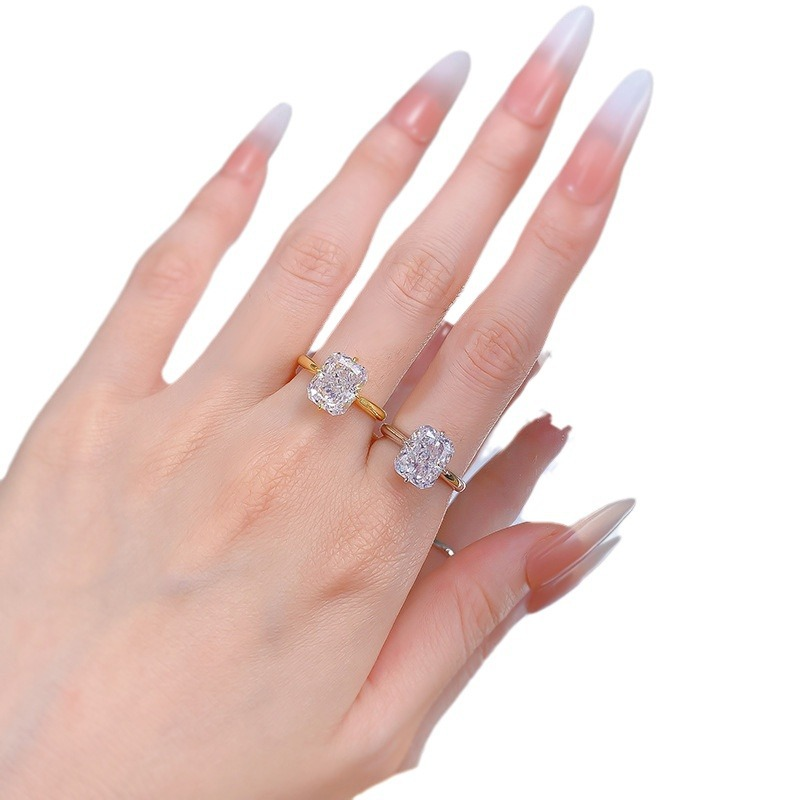
Carat Weight Verification Checklist for Diamond Buyers
A diamond's carat weight affects its price, insurance value, and how it compares with similar stones. A carat weight verification checklist helps confirm that the diamond on the report, listing, receipt, and finished jewelry is the same stone you agreed to buy.
This matters most near popular weight marks such as 1.00, 1.50, 2.00, and 3.00 carats. A 0.98 carat diamond and a 1.00 carat diamond can look almost identical, yet the 1.00 carat mark often carries a higher price per carat. Honestly, I think this is one of the easiest places for shoppers to overspend without realizing it.
To verify the number, start with the grading report. For a valuable, mounted, inherited, or secondhand diamond, add an in-person check from a jeweler or independent appraiser.
What a Carat Weight Verification Checklist Should Confirm
A carat weight verification checklist gives you a clear way to compare a diamond's stated weight against trusted records and the stone itself. The goal is to catch rounding, listing errors, appraisal gaps, or mismatched paperwork before they cost you money.
Carat measures weight, not visual size. The Gemological Institute of America, or GIA, defines 1 metric carat as 200 milligrams, which equals 0.2 grams. That tiny unit has a major price impact because diamond pricing usually rises by weight bracket rather than in a straight line.
Most grading reports from respected labs such as GIA and IGI list carat weight to the hundredth of a carat. Some documents show even finer precision, depending on the report format and weighing process. Your carat weight verification checklist should use the exact number shown on the report, not a rounded version from a headline.
For example, a seller may describe a stone as a 1.50 carat size in casual copy. The report may show 1.47 carats. That difference can be acceptable when the product page is clear, but it should never surprise you at checkout (trust me, I've seen how frustrating that moment can be).
Lab Report Verification: The First Checkpoint
For most new loose diamonds, the lab report is the strongest place to begin. A grading report records carat weight, shape, measurements, color grade, clarity grade, cut details, proportions, polish, symmetry, fluorescence, and identifying notes.
For lab-grown diamonds, reports from GIA, IGI, or another recognized lab should also identify the diamond as laboratory-grown. Some reports include growth method or treatment details. This documentation gives you a reliable comparison point before you pay.
Use this part of the carat weight verification Checklist Before You add a diamond to your cart:
- Match the report number to the seller's product page.
- Confirm the exact carat weight, including decimal places.
- Compare the shape and cutting style.
- Review the millimeter measurements.
- Check for a laser inscription, if listed.
- Make sure the invoice repeats the same diamond details.
- Save the report for insurance and future appraisals.
A report-first process works especially well for online shoppers. Since you can't hold the stone before delivery, the certificate becomes your main proof point. Pair it with clear video, magnified photos, and a return policy you understand.
How to Read the Certificate Without Getting Lost
Start with identity. The report number should match the listing, invoice, and any laser inscription on the diamond's girdle. A jeweler can view that microscopic inscription under magnification.
Next, compare the carat weight and measurements. A round brilliant diamond near 1.00 carat often measures about 6.4 to 6.5 mm across when cut within common proportions. Fancy shapes vary more, so look at length, width, and depth together.
Then scan the comments, clarity plot, and proportion details. These notes can help identify the diamond if two stones have similar weights. They can also reveal a listing that may be using the wrong report.
You don't need to grade the diamond yourself. A good carat weight verification checklist simply tells you what to match and what to question.
Pros and Limits of Report-Based Verification
Lab report verification is fast, consistent, and easy to compare across sellers. If you're reviewing three 2.01 carat oval lab-grown diamonds, the reports let you compare real data instead of relying on photos alone.
It also gives you a strong paper trail. That helps with insurance, resale records, and future repairs. I've helped hundreds of couples choose engagement diamonds, and the ones who feel calmest at the end are usually the ones who have matching paperwork in hand.
The weak point is current identity. A report proves what the lab examined. By itself, it does not prove that the mounted ring in front of you still contains that exact diamond.
Mistakes are uncommon with reputable sellers, but they can happen. For that reason, the carat weight verification checklist should include a physical check when the setting, price, or paperwork adds risk.
In-Store Verification: Scale, Inscription, and Appraisal Checks
Physical verification confirms the diamond in person. For a loose diamond, a jeweler can weigh the stone on a calibrated carat scale. For a mounted diamond, an appraiser may use measurements, magnification, formulas, and documentation to estimate or support the stated weight.
Loose diamonds are easier. The stone can be cleaned, placed on a scale, and weighed directly. Many gem scales read to 0.01 carat, and some read to 0.001 carat.
Mounted diamonds require more judgment. A ring setting blocks part of the stone and includes metal weight, so the diamond can't be weighed alone unless it is removed. Removal may not be worth the risk for every piece, especially if prongs are old or fragile.
This part of the carat weight verification checklist is most useful for estate jewelry, inherited rings, private sales, insurance disputes, and high-value purchases. It also helps when the documentation is missing, old, or inconsistent.
What a Proper In-Person Check Includes
A solid inspection starts with clean handling. The diamond should be clean, dry, and free of packaging before weighing. The scale should be level, calibrated, and designed for gemstone use.
For loose stones, ask the jeweler to record the weight and compare it with the report. If the diamond has a laser inscription, ask them to confirm that number under magnification. A quick photo or short video can strengthen the record.
For mounted stones, ask the appraiser to state the limits clearly. Was the diamond measured in the setting? Was the weight estimated? Was it removed and weighed loose? Those details matter for insurance and resale.
A careful carat weight verification checklist should also document condition. Photos of prongs, hallmarks, inclusions, and the setting help prevent confusion when a piece changes hands.
Pros and Limits of Physical Verification
The main benefit is direct confirmation. If a loose diamond weighs 1.52 carats on a calibrated scale and the report lists 1.52 carats, your evidence is strong. If the inscription also matches, the case gets stronger.
Physical verification also protects buyers in private transactions. A report can be copied. A listing can be wrong. A stone can be switched before a ring reaches the next owner (yes, even when everyone involved has good intentions).
The trade-off is cost and convenience. An independent appraisal may require an appointment and a fee. Removing a mounted diamond can add bench work, resetting costs, or prong repair.
Use this step when the risk justifies it. For a new certified loose diamond from a trusted seller, the report may be enough. For a 2.50 carat estate ring with no current paperwork, a professional inspection is smart.
Lab Report vs In-Store Check: Which Is Better?
The better method depends on what you're buying. A certified loose diamond is usually best verified through the report, inscription, and direct weight. A mounted ring with no paperwork needs hands-on review.
| Verification Factor | Lab Report | In-Store Check or Appraisal |
|---|---|---|
| Best for loose diamonds | Very strong with GIA, IGI, or another respected lab | Very strong when weighed on a calibrated scale |
| Best for mounted diamonds | Useful if identity is already confirmed | Stronger for current-item review, though exact weight may require removal |
| Speed | Fast and easy to check online | Slower because it needs an appointment or equipment |
| Cost | Often included with certified diamond purchase | May include appraisal or jeweler labor fees |
| Documentation value | Strong for purchase comparison and records | Strong for insurance, estate, resale, and dispute files |
| Main risk | The report must be matched to the actual stone | Mounted stones may be estimated rather than weighed |
For loose diamonds, both methods can work together cleanly. The report lists the weight, the inscription confirms identity, and the scale confirms the current stone. That is the strongest version of a carat weight verification checklist.
For mounted rings, expect more limits. Thick prongs, bezel settings, hidden girdles, and deep pavilions can block accurate measurement. An appraiser can still give useful guidance, but they should say whether the carat weight is estimated or measured.
Watch for total carat weight, too. A ring listed as 2.00 carats total weight may have a 1.50 carat center stone and 0.50 carat of side diamonds. That is not the same as one 2.00 carat center diamond.
Common Carat Weight Mistakes Buyers Miss
Most carat weight problems come from wording, not fraud. Sellers may round for marketing. Old appraisals may use estimates. Buyers may confuse center stone weight with total carat weight.
Your carat weight verification checklist should flag these common issues:
- The listing headline rounds the diamond up.
- The receipt lists total carat weight but not center stone weight.
- The appraisal says estimated weight for a mounted diamond.
- The certificate number is shown, but no one checks the inscription.
- The diamond's measurements don't make sense for its stated weight.
- The seller provides a report image that doesn't match the invoice.
Small differences can be fair when they're disclosed. The problem is uncertainty. If the paperwork says one thing and the product page says another, pause and ask for clarification Before You Buy.
Here's what nobody tells you: the romantic part of buying a diamond feels much better when the practical details are handled early. Whether it's for a proposal, anniversary, wedding, or family gift, you deserve to enjoy the moment instead of second-guessing the paperwork.
Who Needs Each Verification Path?
First-time buyers should start with a certified diamond and a transparent seller. Choose a listing that shows the report, exact carat weight, measurements, shape, color, clarity, and cut details. Then use the carat weight verification checklist to match those details before payment.
Online diamond buyers should lean on report-based verification. Look for high-resolution photos, videos, clear return terms, and a report from a recognized lab. If you're comparing lab-grown diamonds, you can shop certified lab-grown diamonds and review report details before building a short list.
Engagement ring buyers should verify in two stages. First, confirm the loose center stone. After setting, ask the jeweler to confirm that the final ring contains the same diamond. It may feel like a small extra step, but when someone is about to open that ring box, peace of mind matters.
Estate and inherited jewelry owners should consider an independent appraiser. Older pieces often lack modern reports, and older appraisals may not separate measured facts from estimates. If you plan to insure the piece, written clarification is worth it.
High-value buyers should use both methods. A report protects you before purchase. An in-person check protects you at delivery or during a private sale.
If you're choosing a setting after verifying a center stone, you can use our ring builder to compare styles. You can also explore engagement rings if you want a finished design with clear diamond details.
StoneBridge Jewelry's Recommended Carat Weight Verification Checklist
For most shoppers, the safest path is layered. Verify the certificate first. Then confirm the physical diamond when the price, setting, or paperwork calls for it.
Use this carat weight verification checklist Before You Buy, insure, reset, or resell a diamond:
- Choose a diamond with a recognized grading report.
- Match the report number to the product page.
- Confirm the exact carat weight, not a rounded weight.
- Compare shape, measurements, color, clarity, and cut details.
- Check whether a laser inscription is listed.
- Ask a jeweler to confirm the inscription when possible.
- Weigh loose diamonds on a calibrated scale if extra confirmation is needed.
- Use an independent appraiser for mounted, inherited, private-sale, or high-value pieces.
- Separate center stone weight from total carat weight.
- Keep the report, invoice, appraisal, and photos together.
Some customers ask whether this is overkill. For a small, certified everyday piece, it may be more than you need. For an engagement ring, insurance replacement, or private purchase, the few extra checks can prevent a costly misunderstanding.
In my years working with diamond buyers at StoneBridge, I've learned that verification is not about being suspicious. It's about being careful with something meaningful, often emotional, and sometimes once-in-a-lifetime.
At StoneBridge Jewelry, we focus on certified lab-grown diamonds with clear product details. That makes it easier to compare carat weight, measurements, color, clarity, and cut before you commit. It also gives you better records for insurance and future service.
FAQ: Carat Weight Verification Checklist Questions
How do I verify a diamond's carat weight before buying online?
Start with the grading report and match the report number to the seller's product page. Check the exact carat weight, shape, measurements, and any laser inscription details. Review photos or videos to make sure the diamond shown matches the report description. For a high-value online purchase, ask a gemologist to review the listing before checkout.
Can a mounted diamond be weighed accurately?
A mounted diamond usually cannot be weighed by itself unless it is removed from the setting. An appraiser can estimate carat weight using measurements, shape, and professional formulas. That estimate can be useful, but it should be labeled as estimated rather than directly weighed. If exact weight matters for resale, insurance, or a dispute, ask whether safe removal is possible.
Is carat weight on a diamond certificate exact?
A grading certificate gives the official weight recorded by the lab that examined the diamond. GIA, IGI, and other respected labs use controlled weighing standards and report precise carat values. Still, the certificate only helps if it matches the stone being sold. Use the report number, inscription, measurements, and invoice to connect the document to the actual diamond.
What is the difference between carat weight and visual size?
Carat weight measures mass, while visual size describes how large the diamond looks from the top. Cut depth, table size, shape, and girdle thickness can make two diamonds of the same weight face up differently. A deep 1.50 carat diamond may look smaller than a better-spread 1.45 carat diamond. Always compare millimeter measurements along with carat weight.
Do lab-grown diamonds need a different verification checklist?
Lab-grown diamonds use the same core carat weight verification checklist as mined diamonds. You should confirm the report number, carat weight, measurements, inscription, and seller listing. Because many lab-grown diamonds are bought online, report-based verification is especially helpful. For mounted or high-value lab-grown diamond jewelry, an in-person check adds another layer of confidence.
Shop Certified Diamonds With Clear Verification
The simplest path starts with a certified loose diamond and clear documentation. A report-first process lets you compare carat weight, measurements, color, clarity, cut, and price before you commit.
Add physical verification when the situation calls for it. That may mean confirming a laser inscription, weighing a loose diamond, or getting an appraisal for a mounted ring.
The practical winner is not lab report versus in-store check. It's both, used at the right time. Use this carat weight verification checklist Before You Buy, insure, resize, reset, or resell a diamond, and you'll make the decision with better proof and a lot more confidence.
Ready to Find Your Perfect Diamond?
Explore our collection of certified lab-grown diamonds
Shop Diamonds