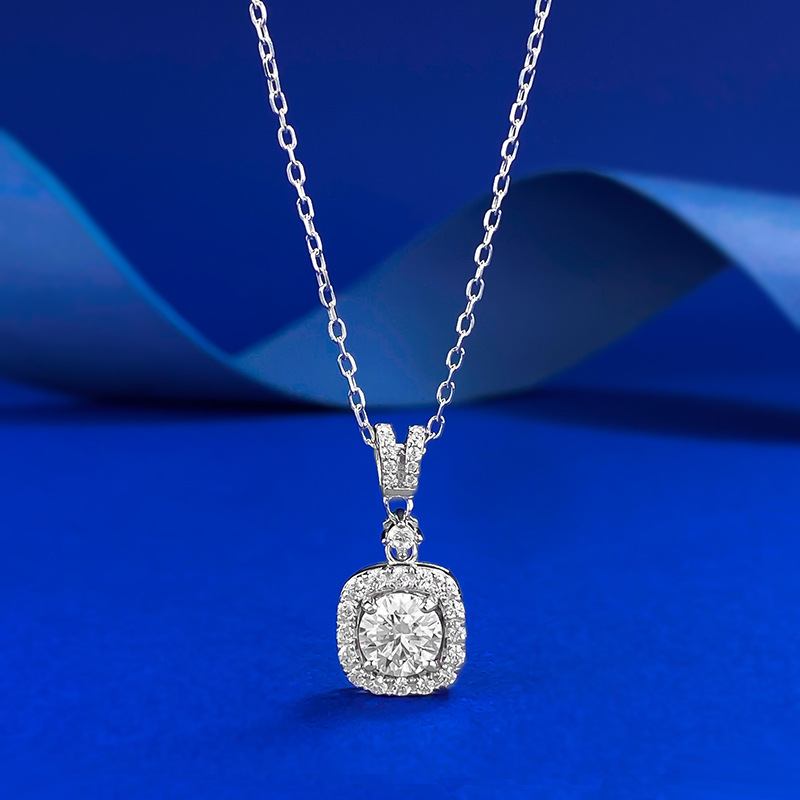
Buy Tennis Necklace With Extender for Easy, Everyday Luxury
If you want to buy a tennis necklace with extender options that feel polished and practical, start with how it will fit in real life. A fixed-length tennis necklace can be beautiful, but an adjustable version usually gets worn more often. You can shorten it for a high neckline, drop it lower for a V-neck, or leave room for layering.
That flexibility is the reason many shoppers buy a tennis necklace with extender styles instead of a standard design. The necklace has the same clean diamond line, but it works harder in your wardrobe. It also makes gifting simpler when you aren't completely sure which length the recipient prefers.
At StoneBridge Jewelry, we've found that customers often care just as much about comfort and wearability as sparkle. That makes sense. A necklace that looks great but sits awkwardly won't become a favorite.
Why Buy a Tennis Necklace With Extender Instead of a Fixed Length
A standard tennis necklace gives you one look. That's fine if you already know the exact drop you want and never plan to change it. Most people do change it based on the outfit, the neckline, and whether they're layering other pieces.
Buy a tennis necklace with extender details in mind, and you get more freedom from one piece. A small adjustment of 1 to 2 inches can change the whole feel of the necklace. It can sit close to the collarbone one day and slightly lower the next.
That makes the necklace easier to wear with:
- crewnecks
- open collars
- V-necks
- strapless dresses
- layered chain looks
There's also a simple value argument. If you reach for the same necklace three times a week instead of a few times a year, the cost-per-wear looks a lot better.
Why Adjustable Length Helps With Styling
An extender gives you better control over spacing. That's especially helpful if you wear pendants, chains, chokers, or another diamond necklace. The stack looks more intentional, and you don't have to fight two pieces that hit the same spot.
Our customers often choose adjustable tennis necklaces for that exact reason. They want one strong piece that can stand alone or mix easily with other favorites from our jewelry collection.
It also helps with seasonal dressing. In cooler months, you may wear knits, mock necks, and collared shirts that call for a slightly longer drop. In warmer months, the same necklace can be shortened for tanks, open necklines, and event dressing. That kind of flexibility is hard to get from a fixed-length piece unless you own multiple necklaces that serve nearly the same role.
Why It Works So Well as a Gift
Necklace sizing can be tricky. A 16-inch fit and an 18-inch fit can look very different, and many gift buyers don't know which one the recipient likes best.
Buy a tennis necklace with extender styling, and you remove some of that guesswork. The piece still feels luxurious, but it's also easier to wear right away. That's a smart mix for anniversaries, birthdays, weddings, and holiday gifts.
It can also reduce the risk of an awkward post-gift exchange. If the recipient likes a close fit for formalwear but a looser fit for everyday use, an adjustable design covers both. For milestone gifts, that convenience matters. It means the necklace is more likely to be worn immediately instead of waiting for resizing, exchange approval, or a later styling decision.
What to Check Before You Buy a Tennis Necklace With Extender
Before You Buy a tennis necklace with extender styles online, look past the product photo. Two necklaces can seem similar at first glance and still wear very differently. The details tell you where the value really is.
Focus on these points first:
- Total carat weight
- Diamond quality and matching
- Necklace length and extender range
- Metal type
- Setting style
- Clasp security
- Grading or certification details
- Return policy and service support
Diamond matching matters more than many shoppers expect. A tennis necklace uses many stones, so the overall line should look even. If some diamonds look warmer, duller, or larger than others, the necklace can lose that smooth, luxurious finish.
According to GIA, diamond quality is judged by cut, color, clarity, and carat weight. On a tennis necklace, consistency across the full strand matters just as much as the grades themselves. IGI and GIA also recognize lab-grown diamonds as real diamonds, not simulants.
Price is another big factor. In many retail comparisons, lab-grown diamonds can cost 60% to 85% less than mined diamonds with similar visible specs, though the gap changes by size and market conditions. That price difference often lets buyers choose larger carat weight, better color, or a more premium metal.
Also check whether the listed total carat weight is approximate or exact. Fine jewelry listings often state a variance, especially when many small stones are involved. A piece described as 5.00 CTW may legally vary slightly depending on production tolerances. That is normal, but reputable sellers disclose it clearly.
Standard Tennis Necklace vs Adjustable Tennis Necklace
| Feature | Standard Tennis Necklace | Tennis Necklace With Extender |
|---|---|---|
| Length | Fixed | Adjustable within a set range |
| Layering | Good | Better |
| Gifting | Less forgiving | Easier if size is unknown |
| Outfit flexibility | Moderate | High |
| Fit control | Limited | More precise |
| Cost-per-wear | Good | Often higher |
If you're trying to buy a tennis necklace with extender options that feel worth the price, compare the specs that affect daily wear. The photo alone won't tell you enough.
Diamond Quality and Setting Style
Cut quality drives sparkle. Better-cut diamonds return more light, which helps the necklace look brighter and more lively. For most buyers, near-colorless diamonds and eye-clean clarity offer a strong balance of beauty and value.
Check for consistency in:
- cut
- color
- clarity
- stone size across the strand
Setting style matters too. Shared-prong settings can create a smooth, continuous line of diamonds and allow more light through. More protective settings may feel sturdier, though they can look a bit heavier.
When comparing specs, many shoppers find that a practical sweet spot for a tennis necklace is in the G-H or F-G color range with VS to SI clarity, provided the stones look clean and well matched face-up. Because tennis necklaces use multiple smaller diamonds rather than one center stone, tiny inclusions are usually less noticeable than poor matching or weak brilliance. If a seller lists a very wide quality range such as D-J color or VVS-SI clarity, ask how tightly stones are sorted for each necklace. Wide ranges can produce more variation from piece to piece.
Round diamonds remain the most common choice because they maximize sparkle and create the classic tennis look. Emerald-cut or oval diamond line necklaces can look elegant too, but they show differences in color and clarity more readily, so matching becomes even more important.
Extender Range, Clasp Security, and Metal Choice
Read the length details carefully. A listing might show 18 inches, but that may mean the full length, not the shortest wearable point. A true adjustable design might offer a 16 to 18 inch range or an 18 to 20 inch range.
Clasp security matters because a Diamond Tennis Necklace carries real value and some weight. Look for box clasps with safety latches or another fine-jewelry locking design. A secure closure should feel dependable without being frustrating to fasten.
Metal choice changes the look and wear profile:
- white gold for a bright, crisp finish
- yellow gold for warmth and contrast
- platinum for density and naturally white color
If you plan to buy a tennis necklace with extender features for daily wear, think about comfort, skin sensitivity, and maintenance along with appearance.
It is also worth checking the gold purity. Most fine tennis necklaces are made in 14K or 18K gold. Fourteen-karat gold is often the practical choice for frequent wear because it contains a higher percentage of alloy metals, which can make it a bit harder and more resistant to scratching than 18K. Eighteen-karat gold offers richer color and higher gold content but can feel slightly softer in daily use. Platinum is dense, secure, and naturally white, though it usually costs more and adds weight around the neck.
Diamond Specs That Matter Most in a Tennis Necklace
Buyers often ask whether they should focus more on total carat weight or individual diamond quality. In a tennis necklace, the best answer is balance. A huge jump in carat weight will not always look better if the diamonds are poorly matched or the setting looks clunky. On the other hand, paying premium prices for microscopic quality upgrades may not improve what you actually see when the necklace is worn.
Here are the specs that usually deserve the closest attention:
- Total carat weight: affects visual presence and price more than any other single factor
- Stone size per link: influences whether the necklace looks delicate, classic, or bold
- Color range: near-colorless grades tend to look bright in white metals
- Clarity range: eye-clean stones are generally enough for this style
- Cut consistency: helps the full line of diamonds flash evenly
- Calibration: means stones are matched closely in millimeter size for a smooth appearance
For daily luxury, many shoppers prefer a necklace in the roughly 2 to 5 total carat weight range because it gives visible sparkle without feeling overly formal. A 1 to 2 CTW necklace can look refined and subtle, especially for layering. Once you move into 6 CTW and above, the look becomes more statement-driven and the price climbs quickly due to both diamond cost and added craftsmanship.
Ask for millimeter measurements if the product page only lists total carat weight. Two necklaces with the same total weight can wear differently depending on diamond count, cut style, and spread. Millimeter width gives a more realistic sense of whether the line will look whisper-thin, balanced, or substantial on the neck.
Certification and Grading Details
Not every tennis necklace comes with individual certificates for each small diamond, and that is normal. However, the overall quality should still be described clearly. Sellers may provide a stated color and clarity range, a grading report for the finished piece, or documentation for the lab-grown diamonds used.
Look for transparent language such as:
- lab-grown diamonds
- G-H color
- VS1-VS2 clarity
- 14K white gold
- box clasp with safety
- 16 to 18 inch adjustable length
Be cautious with vague descriptions like "high quality diamonds" or "premium sparkle" without specific grades. Those phrases do not tell you enough to judge value. If a necklace is a major purchase for you, ask whether the diamonds are certified in batches, matched in-house, or inspected under a gemological quality standard before shipping.
Benefits of an Adjustable Tennis Necklace
The biggest benefit is simple: it fits your life better. A necklace that adjusts is easier to style, easier to gift, and often easier to love long term.
Comfort comes first. Even a 1-inch change can make a necklace feel better on the neck and sit more cleanly with a blouse or dress. That's a small shift, but you'll notice it.
Versatility is the next reason buyers choose this style. You can wear it:
- alone for a clean, refined look
- layered with slim chains
- with formalwear
- with office outfits
- with casual pieces that need a little polish
Want one necklace that can do all of that? An adjustable tennis necklace is a strong answer.
Lab-grown diamonds also improve value for many shoppers. If you buy a tennis necklace with extender styling in lab-grown diamonds, your budget may stretch further. You may be able to step up in carat weight, color, clarity, or metal without overspending.
For shoppers building a collection, that matters. You can start with one versatile necklace, then add coordinating pieces later from our lab-grown diamonds collection or explore matching styles in our fine jewelry selection.
Who This Style Fits Best
This style works especially well for:
- self-purchasers who want one signature necklace
- gift buyers who need flexibility on fit
- brides dressing for more than one event
- professionals who want polished daily jewelry
- collectors who like layered looks
If that sounds like you, buying a tennis necklace with extender details may solve more than one styling problem at once.
It is also a practical choice for anyone whose style shifts during the week. If you wear tailored work clothing Monday through Friday, but prefer denim, knits, and open collars on weekends, you can keep the same necklace in rotation and simply adjust the drop. That is the kind of real-world convenience that turns a special piece into an everyday one.
Price Breakdown: What You're Really Paying For
A higher price can reflect real quality, or it can reflect vague branding. That's why side-by-side comparison matters.
Here are the main cost drivers:
- Total carat weight
- Diamond quality
- Necklace length
- Metal type
- Setting precision
- Extender construction
- Certification or grading details
- Service policies
Longer necklaces cost more because they need more diamonds and more metal. Platinum usually costs more than gold. Better matched diamonds also raise the price, and they should, because matching takes tighter quality control.
Lab-grown versus mined pricing is still one of the clearest differences in the market. Depending on specs, buyers may see thousands of dollars in price spread between a mined and lab-grown version of a similar tennis necklace. That doesn't automatically make one better for every shopper, but it does change what your budget can buy.
Resale expectations should stay realistic. Most people should buy a tennis necklace with extender designs for wear, gifting, and enjoyment rather than counting on resale performance. Fine jewelry can hold meaning for years even if resale prices don't mirror original retail.
As a broad shopping guide, a lab-grown Diamond Tennis Necklace with an extender may start in the low four figures for lighter total weights and move upward into the mid or upper four figures as carat weight, metal quality, and craftsmanship increase. Comparable mined-diamond versions can rise much higher, especially in premium color and clarity ranges. Exact pricing varies by market, but seeing a large spread between two visually similar necklaces is common once diamond origin and metal type change.
How to Judge a Fair Online Price
Don't stop at the price tag. Check the full offer:
- total carat weight
- color and clarity range
- exact adjustable length
- clasp type
- metal purity
- grading details
- shipping protection
- return window
- warranty or service support
If you want help comparing options, you can contact our jewelry experts. You can also browse our FAQ page for answers on shipping, care, and custom questions.
A fair price usually includes more than the necklace itself. It should reflect secure packaging, insured transit, professional finishing, quality checks before shipment, and a return policy that gives you enough time to inspect the fit in person. If one site is slightly cheaper but offers no meaningful return window, vague specs, and minimal after-sale support, it may not be the better deal.
Where Budget Changes Make the Biggest Difference
If you have room to spend a bit more, the upgrades that buyers tend to notice most are:
- moving up in total carat weight
- choosing better cut consistency
- selecting tighter color matching
- upgrading the clasp and safety features
- choosing platinum or 18K over 14K when preferred
By contrast, very minor clarity upgrades can be less visible in small diamonds. For many buyers, it makes more sense to prioritize sparkle, matching, and secure construction before paying for higher microscopic clarity that will be hard to appreciate during normal wear.
Sizing, Styling, and Care Before You Order
Before You Buy a tennis necklace with extender options, measure a necklace you already wear often. That one step saves a lot of guessing. Check where it lands on your chest and compare that measurement with the product range.
For many shoppers, 16 to 18 inches is the sweet spot for a classic collarbone fit. An 18 to 20 inch range can work better if you prefer a lower drop or want more room for layering.
Necklines matter too:
- crewnecks usually work well with a shorter fit
- V-necks often suit a slightly lower placement
- open collars can work either way
- strapless looks often pair well with a close diamond line
- layered casual outfits need spacing between pieces
A practical checklist helps:
- Measure a favorite necklace.
- Note where it sits.
- Compare that with the listed range.
- Decide whether you'll wear it solo or layered.
- Check clasp security.
- Confirm metal and diamond specs.
- Read the return policy.
How to Choose the Right Length Range
If you want to buy a tennis necklace with extender flexibility and avoid returns, start with your habits.
- 16 to 18 inches suits classic, close-to-collarbone styling
- 18 to 20 inches gives a softer drop and more layering room
- custom sizing helps if you already know your ideal placement
Stand in front of a mirror and test a current necklace if you can. That quick check tells you more than a number on a product page.
Body proportions matter too. On a longer neck or narrower frame, a 16-inch setting may read more like a true choker effect. On a broader frame, the same nominal length can sit higher and closer than expected. That is why measuring an existing necklace is more reliable than buying based on generic fit charts alone.
Care Tips for Daily Wear
A tennis necklace can handle frequent wear, but it still needs care. Clean it gently with mild soap, lukewarm water, and a soft brush. Dry it with a lint-free cloth.
Store it flat or in its own pouch so the extender doesn't tangle with other pieces. Jewelers also recommend periodic checks for clasps and settings, especially if the necklace gets weekly wear.
Remove it before swimming, hot tubs, heavy workouts, or applying hairspray and perfume directly at the neckline. Chlorine can be harsh on precious metals, and lotions or beauty product buildup can dull the appearance of the stones. If you wear the necklace often, a professional inspection once or twice a year is a smart habit. A jeweler can check prongs, hinges, solder points, and the clasp before small wear issues become costly repairs.
Common Mistakes Buyers Make
Even experienced jewelry shoppers can misjudge a tennis necklace because so much of the value is in details that are not obvious in photos. If you want to buy a tennis necklace with extender features and feel confident about the purchase, avoid these common mistakes:
- assuming all adjustable necklaces have the same length range
- focusing only on total carat weight and ignoring diamond matching
- forgetting to check whether the clasp includes a safety latch
- choosing a metal color without considering skin tone or existing jewelry
- not reading the stated color and clarity range
- buying for layering without measuring where other necklaces fall
- ignoring return deadlines until after gifting or travel
Another frequent mistake is expecting the necklace to look the same in every lifestyle photo. Styling images may feature professional lighting, strategic necklines, or model proportions that differ from your own. Product measurements, close-up shots, and specification charts are more useful than editorial imagery when you are making the final call.
Questions Worth Asking Before You Order
If the listing leaves anything unclear, ask a few direct questions before purchasing:
- What is the shortest and longest wearable length?
- What is the exact color and clarity range?
- Are the diamonds lab-grown or mined?
- What metal and karat level is used?
- What style of clasp and safety mechanism does it have?
- Is the extender integrated into the design or added as a separate chain?
- What is the return window after delivery?
- Is the package insured and signature-required?
Clear answers usually signal a seller that understands fine jewelry and stands behind the piece. Vague answers often signal the opposite.
Shipping, Returns, and After-Sale Service
Luxury jewelry should arrive securely and with enough buyer protection to match the price. Before you place the order, review how the necklace will be shipped and what happens if the fit is not right.
Look for shipping details such as:
- insured delivery
- discreet packaging
- signature confirmation
- tracking information
- secure presentation box or travel case
Returns matter especially with adjustable necklaces because small fit preferences are easier to judge in person than online. A useful return policy should give you time to inspect the necklace under normal lighting, test the extender positions, and decide whether the length range works with your wardrobe. If a necklace is custom-made, engraved, or specially sized, check whether return limitations apply before ordering.
After-sale service is another value point that many buyers overlook. Ask whether the seller offers clasp repair, prong checks, professional cleaning, or resizing support when possible. These services are not always free, but access to them can extend the life of the necklace and make ownership much easier.
Why Shop StoneBridge Jewelry
Where you shop matters almost as much as what you buy. StoneBridge Jewelry focuses on clear specs, strong craftsmanship, and premium lab-grown diamonds that offer real beauty and practical value.
We believe shoppers should be able to see the details without digging for them. That includes carat weight, metal type, length range, and design information. Clear listings make better buying decisions.
We've also seen that shoppers feel more confident when they can compare styles across categories. If you're building a full jewelry wardrobe, you can explore our engagement rings, try our ring builder, or review our lab-grown diamonds to learn more about quality and value.
Support matters too. If you need help Choosing the Right fit, comparing metals, or narrowing down carat options, our team is here to help.
That guidance is especially useful when you are choosing between similar-looking pieces. A necklace in 14K white gold with G-H, VS lab-grown diamonds may be the better everyday fit for one buyer, while another may prefer the added heft of platinum or a warmer yellow-gold contrast. The best choice depends on how you wear jewelry, not just on which option sounds most premium on paper.
Shop for the Right Adjustable Tennis Necklace
If you're ready to buy a tennis necklace with extender styling, focus on the details that affect daily wear. Check the length range, compare diamond quality, review the clasp, and choose a metal that suits your style.
The best necklace isn't just the one that sparkles most in a photo. It's the one you'll actually wear again and again. That's where adjustability earns its place.
A well-made adjustable tennis necklace can work as an everyday signature, a wedding piece, a milestone gift, or a layering anchor. If you want a piece that looks luxurious and feels easy to wear, this style makes a lot of sense.
Shop StoneBridge Jewelry to compare carat weights, metal finishes, and adjustable lengths before your favorite design sells out.
Ready to Find Your Perfect Diamond?
Explore our collection of certified lab-grown diamonds
Shop Diamonds