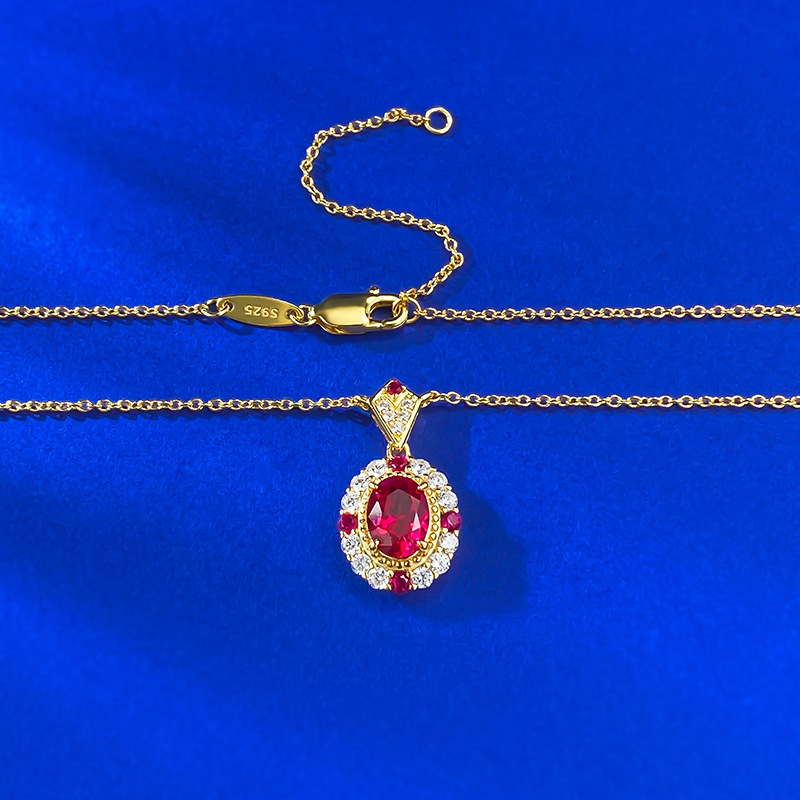
Brides Wedding Jewelry by Metal Type: How to Pick the Best Finish
Choosing Brides Wedding Jewelry by metal type affects more than color. The metal changes how a diamond sparkles, how a gemstone reads in photos, how a piece feels on skin, and how well it lasts after the wedding day. It also shapes upkeep, price, and how the full look comes together.
Many brides start with style, then realize the metal matters just as much. Should you go warm with yellow gold, bright with white gold, soft with rose gold, or classic with platinum? What if your engagement ring is already set in one metal? Those are the right questions to ask.
Brides usually feel more confident once they narrow the choice down to dress, ring, skin tone, and wear habits. This guide walks through brides wedding jewelry by metal type so you can choose a finish that looks good now and still feels right years from now.
Why Metal Choice Changes the Whole Bridal Look
The metal frames the stone, so the setting changes the mood right away. In brides wedding jewelry by metal type, a white metal can make a diamond look sharper and brighter. Yellow gold adds warmth. Rose gold brings a soft blush tone that feels romantic without trying too hard.
Metal also affects long-term wear. Platinum is dense and holds up well for daily use. White gold gives a similar look at a lower price, but it usually needs rhodium replating over time. Sterling silver is attractive for occasional wear, yet it tarnishes faster and needs more care.
That matters because bridal jewelry doesn’t stay in a box. Rings brush against tables, bags, and each other. Earrings and bracelets get less wear, but they still need a finish that fits the day and the years ahead.
How metal changes the look of stones
Different metals shift the look of stones in simple but noticeable ways:
- White metals make diamonds look brighter and cleaner.
- Yellow gold warms near-colorless stones.
- Rose gold adds a soft glow to white diamonds and many colored gems.
- Platinum gives stones a crisp, high-end backdrop.
GIA notes that setting color can change how diamond body color appears. That’s one reason brides wedding jewelry by metal type should be matched with the stone, not chosen last.
Why daily wear changes the decision
A ceremony necklace and a daily wedding band do not need the same metal. For brides wedding jewelry by metal type, think about these five things:
- Scratch resistance
- Tarnish resistance
- Weight and comfort
- Care needs
- How often you'll wear it
Platinum and higher-karat gold usually handle daily wear better than softer, lower-cost metals. If the piece is for the wedding day only, you have more freedom.
The Main Jewelry Metals Brides Should Know
Before you compare styles, it helps to know what you're actually buying. Brides wedding jewelry by metal type usually falls into three groups: precious metals, plated metals, and alloy blends.
Precious metals include Gold, Platinum, and Silver. Each has its own purity level and wear pattern. 24K gold is pure but too soft for most jewelry. 18K gold is 75% gold, while 14K gold is 58.3% gold, which makes it tougher for everyday use. Platinum bridal jewelry is often 95% platinum. Sterling silver is 92.5% silver mixed with other metals for strength.
Mixed-metal pieces use two or more tones in one design. Done well, they can look modern and intentional.
Precious metals versus common alloys
| Metal Type | Typical Purity | Durability | Color | Maintenance | Price Position |
|---|---|---|---|---|---|
| 14K Gold | 58.3% gold | High | Yellow, white, rose | Moderate | Mid-range |
| 18K Gold | 75% gold | Medium-high | Richer tone | Moderate | Higher |
| Platinum | 95% platinum | Very high | Naturally white | Low to moderate | Premium |
| Sterling Silver | 92.5% silver | Moderate | Bright white | Higher | Budget-friendly |
| Mixed Metals | Varies | Varies | Two-tone or contrast | Moderate | Varies |
For brides wedding jewelry by metal type, the right choice depends on how often you’ll wear the piece and how much care you want to give it.
Tarnish resistance and skin sensitivity
Silver tarnishes faster than gold or platinum because it reacts with air and moisture. White gold can also shift slightly over time as rhodium plating wears down. That doesn't mean white gold is a bad choice. It just means it needs a little upkeep.
Skin sensitivity matters too. Platinum is often a smart pick because it usually contains fewer alloy metals relative to its total content. Higher-purity gold can also feel better than lower-karat alloys. If you know you react to certain metals, check the product details Before You Buy.
Price and long-term value
Brides wedding jewelry by metal type can change the budget more than many people expect. Platinum often costs more because of its density and market value. White gold usually costs less upfront. Yellow gold and rose gold can sit anywhere in the middle depending on karat and craftsmanship. Silver stays the most affordable, but it may need more care over time.
A lower ticket price doesn't always mean a lower total cost. If a piece needs frequent polishing, replating, or repairs, the value shifts. That's why many brides compare the long game, not just the receipt.
Gold Bridal Jewelry: Warm, Classic, and Easy to Style
Gold stays popular because it works with so many bridal looks. In brides wedding jewelry by metal type, it gives you the most color variety. You can go traditional with yellow gold, sleek with white gold, or romantic with rose gold.
Yellow gold bridal jewelry
Yellow gold feels timeless. It pairs beautifully with ivory, champagne, and cream gowns. It also suits lace, embroidery, and vintage details.
Brides who want a soft, classic look often choose yellow gold because it adds warmth without looking heavy. It also plays well with warm skin undertones and stones like champagne diamonds, morganite, and some sapphires.
Yellow gold is a strong fit if you want:
- A traditional bridal finish
- Warm contrast against white or ivory fabric
- A look that works from daytime to evening
- Easy coordination with heirloom pieces
White gold bridal jewelry
White gold has a bright, silvery look that many brides love with diamond rings. Jewelers mix gold with white metals, then often add rhodium plating for a crisp surface finish. That finish gives white gold its clean shine.
The look is polished and modern. It also helps diamonds stand out because the setting doesn't add extra warmth. The tradeoff is care. Rhodium plating wears down with friction, especially on rings.
White gold is a smart choice if you want:
- A bright diamond focus
- A lower starting price than platinum
- A polished, modern bridal style
- Easy pairing with white metal rings
Rose gold bridal jewelry
Rose gold has become a favorite for brides who want something soft but not plain. Its blush color comes from copper in the alloy. The result feels romantic and a little fresh.
It flatters many skin tones, and it photographs beautifully. Rose gold also works well with white gowns, blush accents, and floral details. If you want a little personality without going bold, this metal is easy to love.
Rose gold works especially well for:
- Romantic or boho bridal themes
- Soft, feminine styling
- Blush, champagne, or floral details
- A warm contrast with diamonds
Gold karat matters too
Karat level changes both look and strength. 14K gold is harder and better for daily wear. 18K gold has a richer color and more pure gold, but it's a bit softer.
For brides wedding jewelry by metal type, a ring worn every day often benefits from 14K. A necklace or earrings worn less often can handle 18K more easily. That simple split helps you spend where it matters most.
Platinum and Silver Bridal Jewelry: Cool-Toned and Clean
Cool-toned metals give bridal jewelry a crisp, refined look. They pair naturally with white diamonds, satin gowns, and simple silhouettes. In brides wedding jewelry by metal type, platinum leads the way, while sterling silver offers a lower-cost option.
Platinum bridal jewelry
Platinum is a favorite for bridal rings because it's dense and naturally white. It doesn't need plating, and it tends to hold stones securely. Instead of wearing away like softer metals, platinum develops a soft patina that many people like.
That makes it a strong choice for wedding bands and engagement settings worn every day. If your lifestyle is active, platinum can be a smart pick.
Platinum is a great fit if you want:
- A naturally white metal with no plating
- Strong long-term durability
- A premium heirloom feel
- A clean match for colorless diamonds
Industry experts, including GIA, often point to platinum's durability and setting security as key benefits for high-value stones. If you're investing in a larger diamond, the setting matters almost as much as the stone.
Sterling silver bridal jewelry
Sterling silver is bright, pretty, and budget-friendly. It works well for earrings, bracelets, hair pieces, and other accents that won't take daily abuse. Some brides also like its lighter feel for bigger statement pieces.
The downside is tarnish. Silver needs regular cleaning and smart storage to stay bright. It also scratches more easily than platinum or gold, so it's not the best pick for a ring you'd wear every day.
For brides wedding jewelry by metal type, silver is best for:
- Ceremony-only accessories
- Budget-conscious styling
- Bridesmaid gifts
- Pieces that won't see constant wear
Cool metals and modern bridal style
Platinum and silver suit clean, modern wedding looks. They pair well with minimalist dresses, geometric settings, and oval or emerald-cut diamonds. They also make near-colorless diamonds look especially crisp.
If your style is sleek and simple, cool-toned metal may feel like the natural choice. Why fight the look your dress is already giving you?
How to Match the Metal to Your Dress, Skin Tone, and Ring
Brides wedding jewelry by metal type gets easier once you break the decision into three parts: dress, skin tone, and engagement ring.
1. Start with the dress
Look at the gown fabric, shade, and details.
- Ivory and champagne dresses often glow with yellow or rose gold.
- Bright white gowns usually pair well with white gold or platinum.
- Silver beading or crystal embroidery often looks best with cool metals.
- Warm embroidery or antique lace often suits yellow gold.
The neckline matters too. A high neckline may call for statement earrings instead of a necklace, which puts more weight on the earring metal. A strapless gown gives you more room to show off a necklace.
2. Use undertones, not just skin tone
Skin tone can help, but undertones give a better clue. Warm undertones often look great with yellow gold and rose gold. Cool undertones often pair well with platinum and white gold. Neutral undertones can usually wear any metal.
A quick check:
- Greenish veins often point to warm undertones.
- Blue or purple veins often point to cool undertones.
- A mix of both usually points to neutral undertones.
This is just a guide, not a rule. Personal style still wins.
3. Match or contrast the engagement ring on purpose
Your engagement ring usually sets the tone for brides wedding jewelry by metal type. A platinum or white gold ring often looks best with a Matching Wedding Band. A yellow gold ring usually feels most cohesive with yellow gold.
Still, mixed metals can work beautifully if you plan them well. A white gold ring with rose gold earrings can feel soft and modern. A yellow gold ring with platinum studs can look sharp if the rest of the set stays simple.
4. Compare the most common goals
| Goal | Best Metal Choice | Why It Works |
|---|---|---|
| Everyday durability | Platinum | Strong, dense, naturally white |
| Classic warmth | Yellow gold | Timeless and rich |
| Bright diamond focus | White gold | Clean backdrop at a lower price |
| Soft romantic look | Rose gold | Warm blush tone flatters many skin tones |
| Budget accessory | Sterling silver | Affordable for limited wear |
| Mixed-metal styling | Two-tone designs | Adds contrast without looking random |
For brides wedding jewelry by metal type, start with the ring, then move outward to earrings, necklace, and bracelet. That order keeps the full set grounded.
Styling Tips That Make the Whole Set Work
Good bridal style feels balanced. The metal should show, but it shouldn't steal the show. Here are a few ways to make brides wedding jewelry by metal type feel polished.
Keep the set balanced
Too many competing metals can make a look feel busy. Pick one main metal and let the others support it. If your ring is platinum, platinum or white gold earrings usually feel right. If your dress has warm embroidery, yellow or rose gold can echo it.
A simple rule helps:
- One main statement piece
- One support piece
- One dominant metal tone
That keeps the look clean.
Mix metals with intention
Mixed metals work best when the same tones show up more than once. A rose gold bracelet with rose gold earrings and a white gold ring feels coordinated. A random mix of yellow, white, and rose gold on every piece can feel scattered.
For brides wedding jewelry by metal type, mix metals only when one tone clearly leads and the others act as accents.
Prep the jewelry before the wedding
Clean and inspect every piece before the big day. Check prongs, clasps, and chain links. If white gold needs replating or silver needs polishing, do it early.
Quick checklist:
- Clean with the right method for the metal.
- Check chain length and clasp security.
- Look for scratches, loose stones, or worn plating.
- Store each piece in a soft pouch.
- Pack a polishing cloth for travel.
If you need help with ring fit, use our ring builder or read our ring size guide Before You Order.
Choose pieces for the real timeline
If you’ll wear the jewelry from rehearsal dinner through the honeymoon, durability matters more. If it’s only for the ceremony and photos, you can lean harder into style.
Brides wedding jewelry by metal type should match the life the piece will actually live, not just the wedding album.
Common Mistakes Brides Make With Metal Choices
A few small mistakes come up again and again. The good news? They’re easy to avoid.
- Choosing a metal for looks alone and forgetting comfort.
- Buying white gold without planning for future replating.
- Expecting silver to wear like platinum in a daily ring.
- Ignoring the engagement ring metal.
- Forgetting that photos can make metals look cooler or warmer.
Another mistake is overmatching. Every piece does not need to be identical. It just needs to feel like it belongs in the same story.
Frequently Asked Questions About Brides Wedding Jewelry by Metal Type
What metal is best for brides wedding jewelry by metal type?
The best metal depends on your style, budget, and how often you'll wear the piece. Platinum is a strong choice for daily use, while gold gives you more color options. Rose gold is popular if you want something soft and romantic. Brides wedding jewelry by metal type should fit your life, not just your mood board.
Does my wedding jewelry have to match my engagement ring exactly?
No, it doesn't. Matching creates a smooth, classic look, but mixed metals can feel fresh when you plan them well. Try to keep one metal dominant so the set still feels connected. Brides wedding jewelry by metal type can work either way if the final look feels intentional.
Is platinum better than white gold for a bridal ring set?
Platinum is usually more durable and naturally white, while white gold often costs less upfront. White gold may need rhodium replating later, which is worth planning for. If you want lower upkeep and a more premium feel, platinum is often the safer pick. For brides wedding jewelry by metal type, the better option depends on budget and daily wear.
Can I wear rose gold bridal jewelry with a diamond engagement ring?
Yes, and it can look beautiful. Rose gold adds warmth and a soft contrast that many brides love with diamonds. It works especially well if you want a romantic look that still feels modern. Brides wedding jewelry by metal type often looks more personal with rose gold accents.
Which bridal jewelry metals are best for sensitive skin?
Platinum is often a top pick for sensitive skin because it usually contains fewer alloy metals relative to its purity. Higher-purity gold can also be a good option, depending on the exact alloy. If you’ve reacted to jewelry before, check for nickel and ask for full metal details. Brides wedding jewelry by metal type should be reviewed carefully when skin sensitivity is a concern.
Choosing the Right Finish for Your Bridal Jewelry
The best choice in brides wedding jewelry by metal type comes down to five things: style, durability, skin tone, ring coordination, and budget. Yellow gold brings warmth. White gold gives you a bright, familiar look. Rose gold adds softness. Platinum offers long-term strength. Silver works well for lighter, lower-wear pieces.
There isn't one right answer for every bride. The right metal is the one that fits your dress, flatters your skin, works with your ring, and feels good to wear. If you're still deciding, start with the metal finish first and build the rest of the set around it.
If you're comparing styles, browse our jewelry collection, shop diamond guides, or explore engagement rings to see how different metals and settings work together. You can also read more on our blog for tips on bridal stones, ring design, and care.
Ready to Find Your Perfect Diamond?
Explore our collection of certified lab-grown diamonds
Shop Diamonds