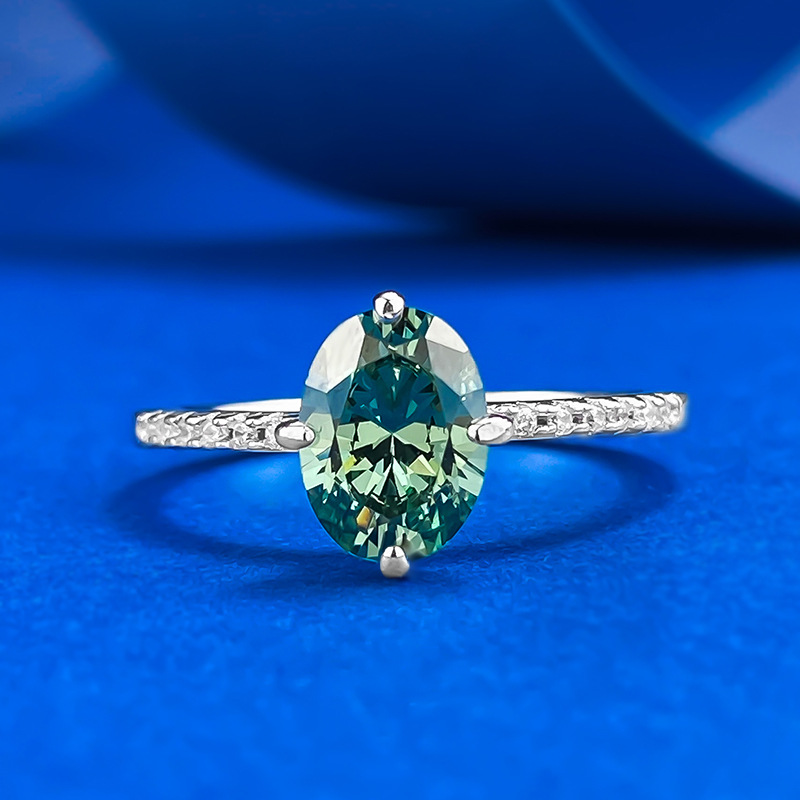
Bridal Jewelry Metal Choices Comparison: Platinum vs White Gold vs Yellow Gold vs Rose Gold
The metal you choose affects comfort, wear over time, maintenance, and how the diamond looks in natural light. A ring can look perfect on day one and age very differently depending on the alloy beneath it.
StoneBridge Jewelry works with lab-grown diamond bridal pieces every day, so we see how metal choice shapes both the look and the long-term experience. Buyers who choose the metal first usually end up with a Ring That Fits their life, not just their initial taste.
GIA states that 14K gold is 58.3% pure gold and 18K gold is 75% pure gold. Bridal platinum is often 950 platinum, meaning 95% platinum. Those percentages affect color, hardness, weight, and price.
If you are still narrowing down styles, start with engagement rings or use our ring builder to compare metal, setting, and center stone together.
Bridal Jewelry Metal Choices Comparison: What Matters Most
A bridal ring faces more wear than most jewelry. It rubs against counters, steering wheels, handbags, gym equipment, and wedding bands stacked next to it. That daily contact changes the finish and can affect prong life over time.
These are the factors that matter most:
- Durability under daily wear
- Maintenance and service frequency
- Color and overall warmth or brightness
- Skin sensitivity and alloy makeup
- How the metal affects diamond appearance
- Budget and long-term value
A pavé ring needs more support than a bezel setting. A larger lab-grown diamond also benefits from secure prongs and a metal that holds its shape well. The setting and the metal should work together from the start.
Metal choice also affects practical decisions that are easy to miss online: whether the matching wedding band will sit flush, how much future resizing may cost, whether a hidden halo has enough protection, and how often the ring should be inspected. For a 1.50 to 3.00 carat lab-grown diamond, the difference between a delicate look and an underbuilt ring can be the thickness of the shank, the height of the head, and the strength of the prongs.
How Metal Affects Daily Wear
Metal choice changes how a ring feels on the hand and how it ages. Platinum is dense and resists metal loss well, which helps on prongs and detailed settings. Gold varies by karat, so 14K and 18K do not behave the same way. White gold usually needs rhodium plating to stay bright.
Friction is the reason a ring can look flawless in the case and show wear after a year. Hands-on work, frequent travel, exercise, and stacking bands all add stress. In a Bridal Jewelry Metal choices comparison, the key question is not just which metal looks best now, but which one still fits the ring after years of wear.
For most engagement rings, a comfortable daily-wear shank is often around 1.8mm to 2.2mm wide, depending on the design and finger size. Ultra-thin bands can look elegant in photos, but they leave less metal to support pavé stones, future polishing, and resizing. If the center diamond is above 2 carats, or if the ring has a high-set head, a slightly sturdier base can make the ring feel more balanced and secure.
Platinum Bridal Jewelry
Platinum is a naturally white metal with a dense, substantial feel. Bridal alloys are often 950 platinum, so the piece is mostly pure platinum with a small amount of alloy metal for strength. That high purity is one reason it holds diamonds securely.
In a bridal jewelry metal choices comparison, platinum stands out for prong security. It is a strong choice for solitaire settings, halos, and designs that need steady support. It does not need rhodium plating, so the color stays consistent. Many sensitive-skin buyers also prefer it.
The tradeoffs are real. Platinum usually costs more than gold, and it can develop a soft patina over time. Some people like that lived-in finish. Others prefer a bright polish and occasional refinishing. It also has more heft on the hand, which some wearers like and others do not.
Platinum can be especially smart when the diamond has corners or points, such as princess, emerald, radiant, pear, or marquise shapes. Those shapes need secure prong coverage at vulnerable edges. A platinum head on a gold shank can also be a useful compromise for buyers who want the warmth of yellow or rose gold with extra security around the center stone.
Best Uses for Platinum
Platinum works especially well for:
- Solitaire engagement rings
- Hidden halo settings
- Cathedral mounts
- Pavé bands
- Heirloom-style bridal sets
Platinum is also a strong match for colorless or near-colorless lab-grown diamonds. If premium security matters most, this metal belongs near the top of your bridal jewelry metal choices comparison.
White Gold Bridal Jewelry
White gold gives you a bright, white look without platinum pricing. It is made from gold mixed with white metals, then finished with rhodium plating for added brightness. That is a big part of why it stays popular for engagement rings and wedding bands.
The main appeal is value. It delivers a clean look that works with nearly every diamond shape, from round brilliant to oval to emerald cut. It also weighs less than platinum, which some wearers prefer for all-day comfort.
The catch is upkeep. Rhodium plating wears away over time, and the rate depends on how the ring is worn. Frequent stacking, typing, and contact with hard surfaces can make the finish fade faster. Alloy mix matters too, since some white gold blends include nickel.
In a bridal jewelry metal choices comparison, white gold is the practical white-metal option for buyers who want brightness and a lower upfront price.
Plan for periodic rhodium service if you choose white gold. Many rings need replating roughly every 12 to 24 months, though some wearers go longer and some need it sooner. Rings worn next to another band often show plating wear first on the underside and between the rings, where metal rubs against metal throughout the day.
14K White Gold vs 18K White Gold
14K white gold is about 58.3% pure gold, while 18K white gold is 75% pure gold. That affects both price and feel. 14K is usually the tougher everyday choice, while 18K has a richer precious-metal content and a softer hand-feel.
Choose 14K if the ring will take daily abuse and you want a sturdier build. Choose 18K if you want more gold content and a slightly richer feel. In a bridal jewelry metal choices comparison, the better option depends on how hard you are on the ring and how much service you want to manage.
Yellow Gold Bridal Jewelry
Yellow gold is the classic warm choice. It has been used in bridal jewelry for generations, and it stays timeless because it does not pretend to be something else. It also skips rhodium plating, so upkeep stays simple.
A yellow gold ring gives white diamonds a warm frame and can make vintage details stand out. It suits buyers who want tradition, softness, and easier care in one piece. 14K yellow gold is usually the most practical choice for everyday wear, while 18K yellow gold offers a deeper color and a richer precious-metal profile.
The main tradeoff is taste. If you want an icy white look, yellow gold will not deliver that effect. If you want warmth and a classic tone, it is one of the simplest choices in the bridal jewelry metal choices comparison.
Yellow gold also gives buyers more flexibility with diamond color. A G, H, or I color lab-grown diamond can look beautifully balanced in yellow gold, especially when the prongs or bezel are also yellow. If you want the center stone to look as white as possible, consider white prongs on a yellow gold band. That two-tone approach keeps warmth in the ring while reducing yellow reflection near the diamond.
14K Yellow Gold vs 18K Yellow Gold
14K yellow gold is usually the better daily-wear option because it balances durability and cost. 18K yellow gold has more gold content and a deeper color, but it can be softer in some designs.
Yellow gold also works well with slightly warmer diamond color grades. That can create a softer, less contrast-heavy look. For a wedding band or a vintage-inspired engagement ring, yellow gold often feels like the most natural fit.
Rose Gold Bridal Jewelry
Rose gold gets its color from copper in the alloy. The result is a soft pink-gold tone that feels romantic without looking overly ornate. It has grown popular with buyers who want something distinctive but still easy to wear.
The color flatters many skin tones and gives a ring a warm, slightly vintage feel. 14K rose gold is usually durable enough for daily wear, so it is not just a style choice. It also pairs well with oval, pear, and cushion shapes, along with floral and pavé settings.
There are limits to consider. Rose gold can be harder to match if most of your jewelry is white metal. Copper sensitivity can also matter. In a bridal jewelry metal choices comparison, rose gold stands out more for personality than for universality.
Rose gold can make warmer diamond colors look intentional rather than mismatched. It is also flattering with elongated shapes because the metal color frames the diamond without the stark contrast of bright white metal. For a modern bridal set, many buyers pair a rose gold engagement ring with a white gold or platinum diamond band for contrast.
Where Rose Gold Fits Best
Rose gold is a strong pick for:
- Romantic and vintage-inspired rings
- Floral or halo settings
- Mixed-metal bridal looks
- Oval, pear, and cushion-cut lab-grown diamonds
- Stackable bands with a softer look
If you want a ring that feels warm and personal, rose gold is hard to beat. It looks especially good beside warm-toned or champagne lab-grown stones, and it gives white diamonds a gentle contrast.
Diamond Specs to Check With Any Metal
The metal should support the diamond, but the diamond still needs the right documentation and proportions. For lab-grown diamonds, ask for an independent grading report from a recognized laboratory such as IGI or GIA. The report should list carat weight, color, clarity, cut grade when available, measurements, polish, symmetry, fluorescence, and the inscription number when applicable.
For round brilliant lab-grown diamonds, cut quality carries more visual weight than a tiny difference in color or clarity. Many buyers do well with an excellent or ideal cut, G to H color, and VS2 to SI1 clarity if the stone is eye-clean. For oval, pear, marquise, and radiant cuts, look closely at the video or in-person view for bow-tie effect, uneven darkness, and how the stone faces up in the chosen metal.
Metal color changes how strict you need to be. Platinum and white gold show body color more clearly, so buyers often prefer D to H color for a crisp white look. Yellow gold and rose gold can comfortably frame G to J color diamonds, depending on the shape and personal taste. Clarity should be judged by visibility, not only the grade; a well-placed VS2 inclusion may be a better buy than a higher grade with less attractive proportions.
Side-by-Side Bridal Jewelry Metal Choices Comparison
This bridal jewelry metal choices comparison becomes easier when the options sit side by side. The best metal is not the one that looks best in a single photo. It is the one that fits your skin, your schedule, and your budget.
| Metal | Look | Durability | Maintenance | Price Level | Best For | Main Tradeoff |
|---|---|---|---|---|---|---|
| Platinum | Naturally white, premium | Very high | Low to moderate | High | Daily wear, secure prongs, luxury rings | Higher upfront and repair cost |
| 14K White Gold | Bright white after plating | High | Moderate | Moderate | Value-focused white-metal buyers | Rhodium replating over time |
| 18K White Gold | Rich white with a softer feel | Moderate to high | Moderate | Moderate to high | Buyers who want more gold content | Softer than 14K in some designs |
| 14K Yellow Gold | Warm classic tone | High | Low | Moderate | Everyday bands, vintage styles | Less cool-toned appearance |
| 18K Yellow Gold | Deeper yellow tone | Moderate to high | Low to moderate | High | Luxury classic styles | Softer than 14K in some designs |
| Rose Gold | Soft pink-gold warmth | High in 14K | Low | Moderate | Romantic, antique, mixed-metal looks | Harder to match with all jewelry |
Exact cost depends on ring design, diamond size, and custom work. A slim solitaire in 14K gold can cost far less than a heavy pavé ring in platinum, even with the same lab-grown center. That is why a smart bridal jewelry metal choices comparison always considers the full ring, not only the metal line item.
As a broad planning range, a simple 14K gold solitaire setting is often the most accessible, while platinum, intricate halos, three-stone designs, and pavé bands add cost through both metal weight and labor. A lab-grown diamond engagement ring can range from under $1,500 for a modest solitaire to several thousand dollars for a larger certified center stone with detailed setting work. The strongest value usually comes from balancing the diamond specs with the setting instead of putting the entire budget into carat weight.
The short version is simple:
- Platinum is the strongest premium pick.
- 14K white gold is the best value for a bright white look.
- 14K yellow gold is the easiest low-maintenance classic.
- 14K rose gold is the most distinctive warm choice.
How to Choose by Lifestyle and Budget
If you are active or hard on your hands, platinum or 14K gold usually makes the most sense. Platinum offers the best prong security. 14K gold gives you a lower-cost path to durability.
If you have sensitive skin, platinum is often the safest premium choice. Nickel-free gold alloys can work too, but ask for the alloy details Before You Buy. A jewelry store should be able to tell you exactly what is in the mix.
If you want a classic white look on a budget, 14K white gold is the most balanced option. If you want warmth and tradition, yellow gold is the straightforward answer. If you want a ring with personality, rose gold gives you that softer look without feeling flashy.
Many customers use lab-grown diamond savings to upgrade the setting or metal instead of stretching for a larger center stone. That is a practical move if the ring will be worn every day. A stronger setting often matters more than a slightly larger diamond.
Think about your wedding band before finalizing the engagement ring. A low basket, wide hidden halo, or decorative gallery can prevent a straight band from sitting flush. Some buyers like a small gap, while others prefer a contour band. The metal should match or intentionally contrast, but the fit matters just as much as the color.
Sizing is another place where planning helps. Wider bands usually feel tighter than narrow bands, and fingers can change with weather, travel, pregnancy, weight changes, and daily swelling. Eternity bands and heavy pavé designs are harder to resize than plain or half-set bands, so buyers between sizes should discuss adjustability before ordering.
For more context, compare our lab-grown diamonds with your preferred metal, or browse fine jewelry pieces to see how each color family works beside your other pieces.
Care, Service, and Common Buying Mistakes
Every bridal ring should be checked periodically, even if the metal is durable. Have prongs inspected after hard impact, before major travel, and at least once a year for rings worn daily. Clean at home with warm water, mild dish soap, and a soft brush, then dry with a lint-free cloth. Avoid chlorine, harsh cleaners, and wearing fine jewelry during weightlifting, gardening, or heavy manual work.
One common mistake is choosing an ultra-thin pavé band for a large center diamond because it looks delicate in a photo. Another is buying white gold without understanding rhodium upkeep. Buyers also sometimes ignore the wedding band fit, choose a diamond without reviewing its grading report, or assume all 14K and 18K alloys behave identically. A good ring should look beautiful, but it should also be built for the way it will actually be worn.
Before checkout, confirm the ring size, metal, karat, diamond report number, return window, resizing policy, warranty details, and expected shipping timeline. If the ring is made to order or customized, ask whether it is returnable and how long production takes. For proposal deadlines, build in extra time for quality control, shipping, and any size adjustment after the ring is received.
Best Overall Picks
If premium performance is your top goal, platinum is the best overall pick in a bridal jewelry metal choices comparison. It offers strong prong support, a naturally white finish, and a dense feel that suits daily wear.
If value matters most, 14K white gold is the best balanced choice. It gives you a bright look at a more accessible price, and it works across most bridal styles.
If you want the warmest traditional look, 14K yellow gold is the easiest recommendation. It is low maintenance and feels timeless without trying to be trendy.
If you want a romantic ring with more personality, 14K rose gold is the standout. It is distinctive, easy to wear, and flattering on many skin tones.
Shop the Right Metal at StoneBridge Jewelry
Use this bridal jewelry metal choices comparison to narrow your next step by metal, then choose the setting and center stone that match your lifestyle.
- For premium durability and a naturally white finish, shop Platinum Lab-Grown Diamond Engagement Rings.
- For the best value in a bright white metal, shop 14K White Gold Lab-Grown Diamond Engagement Rings.
- For warm classic pairings, shop Yellow Gold Wedding Bands.
- For romantic, distinctive styles, shop Rose Gold Wedding Bands.
- To complete the set, shop Wedding Bands and compare how each metal looks beside your engagement ring.
- If you want a custom path, use the ring builder to test metal, setting, and shape together.
FAQ
What metal is best for a bridal ring worn every day?
Platinum is often the strongest premium choice for everyday wear because it is dense and holds prongs well. If you want a lower price point, 14K gold is a strong alternative. The right answer still depends on your setting style and how much maintenance you want to handle.
Is platinum better than white gold for an engagement ring?
Platinum is better if you want a naturally white metal with no rhodium plating and a heavier feel. White gold is better if you want a similar look at a lower upfront price. Many buyers choose platinum for heirloom-style rings and white gold for value-driven builds.
Should I choose 14K or 18K gold for bridal jewelry?
14K gold is usually the smarter daily-wear choice because it is tougher and more affordable. 18K gold has more pure gold content and a richer feel, but it can be softer. If the ring will take daily abuse, 14K is usually the safer default.
Which bridal jewelry metal is best for sensitive skin?
Platinum is usually the best premium option for sensitive skin because common platinum alloys are very pure. Nickel-free gold alloys may also work well, but you should confirm the exact mix before buying. If you react to fashion jewelry, ask for the alloy details in writing.
Does yellow gold or rose gold change how a diamond looks?
Yes. Yellow gold and rose gold add warmth, so they can make a white diamond feel softer and more romantic. White metals like platinum and white gold create a cooler, brighter contrast. The effect is easy to see with oval, cushion, and vintage-inspired lab-grown diamonds.
What should I confirm before ordering a bridal ring online?
Confirm the exact metal and karat, the diamond grading report, ring size, setting dimensions, return policy, resizing options, warranty coverage, and shipping timeline. If the ring is custom, made to order, engraved, or specially sized, ask whether the standard return policy still applies before you place the order.
Ready to Find Your Perfect Diamond?
Explore our collection of certified lab-grown diamonds
Shop Diamonds