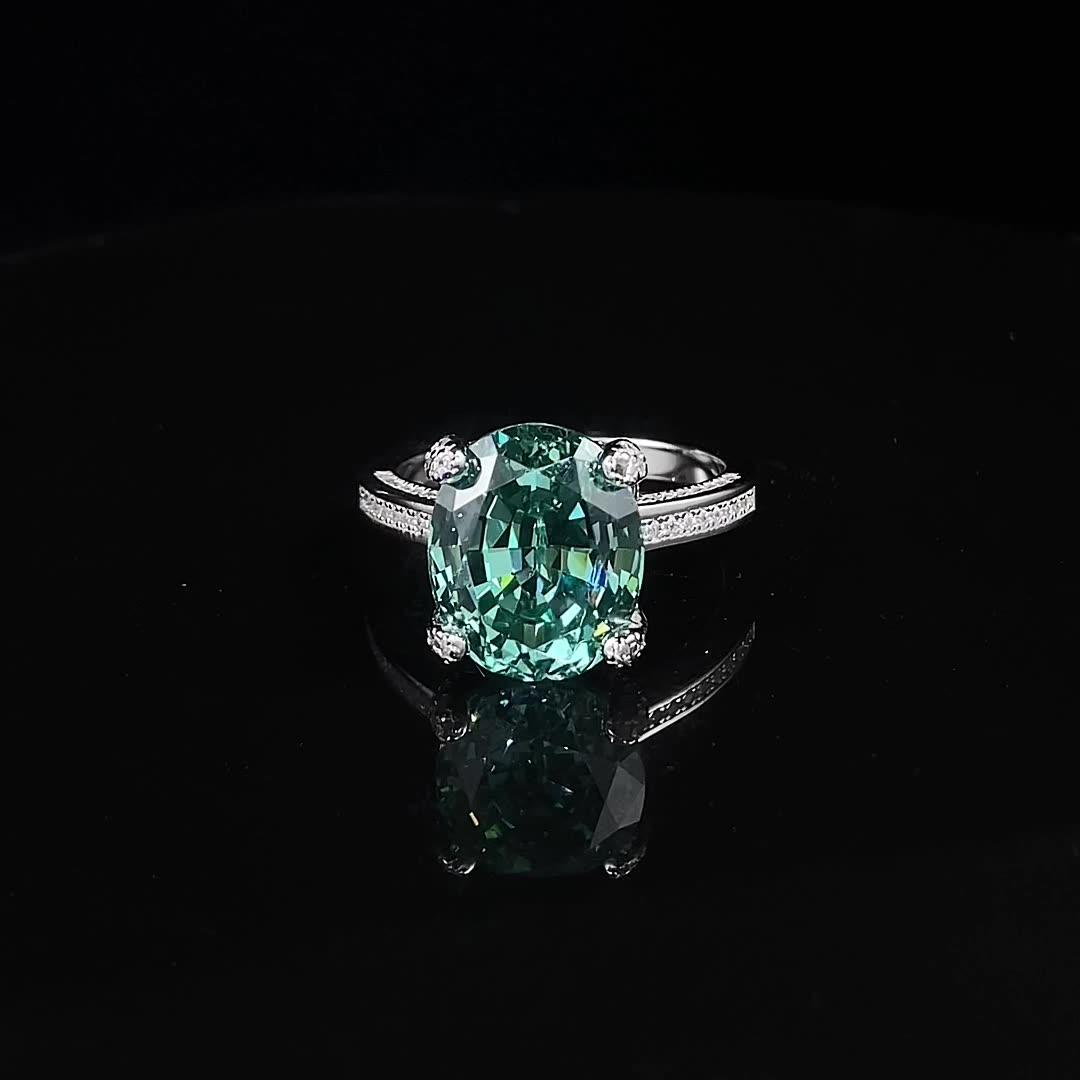
Bridal Jewelry Budget by Metal: How to Choose the Best Value for Your Wedding Set
Planning a bridal jewelry budget by metal gives you a clearer way to compare engagement rings, wedding bands, and full bridal sets Before You Buy. Metal choice can change the final price more than many shoppers expect, especially once you factor in weight, purity, upkeep, and matching pieces. If you want the best blend of beauty, durability, and long-term value, starting with the metal is one of the smartest moves you can make.
A thoughtful bridal jewelry budget by metal helps you decide where to spend more and where to save. You may want a premium finish, a lower-maintenance everyday ring, or the strongest possible metal for lifelong wear. Either way, the right metal can stretch your budget without sacrificing the look you want.
Understanding Bridal Jewelry Budget by Metal
A bridal jewelry budget by metal matters because the metal forms the foundation of the entire piece. It affects the base cost, the ring’s weight, how often it needs service, and how well it handles daily wear. Two rings with the same diamond size can land at very different price points if one is platinum and the other is 14k white gold.
Jewelers often think in terms of metal purity, density, and fabrication cost. Higher-purity metals usually cost more, and heavier metals require more raw material. That means a platinum solitaire can price higher than a similar design in gold even before the center stone enters the picture. According to GIA guidance, platinum’s density and durability make it a premium choice for fine jewelry, while gold alloys offer a wider range of price points and color options.
For shoppers, the goal is simple: match the metal to the way you’ll wear the ring. If you want low upkeep and timeless warmth, yellow gold can be a strong value. If you want a bright, polished look that pairs well with diamonds, white gold is often a practical middle ground. If you want maximum durability and a heavier feel, platinum usually sits at the top end of a bridal jewelry budget by metal.
You should also think beyond the engagement ring. The wedding band, anniversary band, and matching accessories all contribute to the final spend. Choosing the same metal across the set can simplify your budget, while mixed metals can create a custom look if you’re comfortable balancing style with compatibility.
Here’s a quick way to frame your decision:
- Set your total bridal budget.
- Decide whether the metal, diamond, or design matters most.
- Compare long-term upkeep, not just sticker price.
- Pick a metal that fits your daily routine and wedding set goals.
For buyers comparing ring styles, explore our engagement rings alongside the metal options you’re considering. It helps you see how setting style, center-stone size, and metal choice work together.
Metal Comparison for Bridal Jewelry Buyers
A strong bridal jewelry budget by metal starts with a side-by-side comparison. Prices vary by market conditions, but the general tiering stays consistent: yellow gold and rose gold usually offer the most budget flexibility, white gold sits in the middle, and platinum typically commands the highest upfront cost. Industry pricing also shifts with karat purity, design complexity, and ring weight.
The table below gives a practical buyer-focused view.
| Metal | Typical Price Tier | Durability | Maintenance | Best For |
|---|---|---|---|---|
| 10k Yellow Gold | Lower | Good | Low to moderate | Entry-level bridal budgets |
| 14k Yellow Gold | Lower to mid | Very good | Low | Classic everyday wear |
| 14k White Gold | Mid | Very good | Moderate | Bright diamond look with balance |
| 18k White Gold | Mid to higher | Good | Moderate | Higher gold content and richer finish |
| 14k Rose Gold | Lower to mid | Very good | Low | Warm, style-forward looks |
| Platinum | Premium | Excellent | Low to moderate | Heirloom quality and maximum durability |
For many shoppers, metal choice becomes the biggest non-diamond lever in a bridal jewelry budget by metal. If the ring is simple, you may save by choosing 14k gold and redirecting funds to a better cut grade or a more secure setting. If your design includes a pave band, hidden halo, or custom engraving, the metal selection can influence the final price even more.
Industry experts often recommend comparing total cost of ownership rather than purchase price alone. White gold may cost less upfront than platinum, but rhodium replating can add recurring maintenance. Platinum usually resists wear well, but its higher density and material cost raise the starting price. Yellow gold and rose gold tend to offer better value for buyers who want beauty without premium metal pricing.
A few practical shopping questions help narrow the field:
- Do you want the lowest upfront cost?
- Do you want the least maintenance over time?
- Do you need a metal that matches an existing wedding band?
- Are you prioritizing diamond size over metal prestige?
- Will the ring be worn every day at work or during active routines?
If you want to compare more options visually, browse our jewelry collection to see how different metals affect the overall feel of a bridal set.
Yellow Gold: Classic Style and Budget Flexibility
Yellow gold remains one of the most reliable values in a bridal jewelry budget by metal. It has strong recognition, warm color, and broad compatibility with many diamond shapes and skin tones. Because it’s widely available in 10k, 14k, and 18k forms, shoppers can adjust the budget without giving up the classic look.
A 14k yellow gold ring usually offers a nice balance of strength and price. It is harder than 18k gold because of the higher alloy content, which helps with everyday wear. It also pairs beautifully with near-colorless and warmer diamonds, especially when the goal is a timeless, flattering look.
Yellow gold can be a smart spend if you want to keep more of your bridal jewelry budget by metal available for the center stone, band width, or custom details. It generally needs basic cleaning and occasional polishing, but it doesn’t require the same replating routine as white gold.
White Gold: Popular Look with Balanced Cost
White gold is a favorite for shoppers who want a crisp, contemporary bridal look without platinum pricing. It usually costs less than platinum at purchase, making it a practical choice in a bridal jewelry budget by metal. The bright finish works well with diamonds and can make the center stone appear especially clean and luminous.
Most white gold bridal pieces are plated with rhodium for extra brightness. That finish can wear down with daily use, so replating may be needed every one to two years depending on wear habits. That maintenance should be part of your long-term budget, not an afterthought.
White gold fits buyers who want a premium appearance, good durability, and manageable upfront cost. It’s a strong middle ground for couples who care about presentation but still need room in the budget for ring size, matching bands, or a more refined setting.
Platinum: Highest Durability and Premium Budget
Platinum sits at the top of most bridal jewelry budget by metal comparisons. It is denser than gold, naturally white, and highly valued for strength. That density means more metal is required for the same ring design, which pushes up the price.
Buyers often choose platinum for its long-term wear performance. It handles prong security well, resists thinning, and is favored for heirloom-quality pieces. The surface can develop a soft patina over time, but many wearers appreciate that lived-in look.
Platinum makes the most sense for shoppers who want a ring that can stand up to daily wear and still feel substantial decades later. If your bridal set is meant to become a family piece, platinum is often worth the premium.
Rose Gold and Other Style-Forward Options
Rose gold gives a bridal jewelry budget by metal a style-forward twist without moving into luxury-metal pricing. Its copper alloy content creates the warm blush tone many buyers love, and it often costs similarly to yellow gold in comparable karats.
Mixed-metal designs are also growing in appeal. A white gold setting with a yellow gold band can create contrast while helping you balance cost. Just keep matching in mind if you want a wedding band to sit flush with the engagement ring.
If style matters as much as savings, rose gold can be an excellent compromise. It can feel distinctive and romantic while still leaving room in the budget for diamond quality, engraving, or a custom profile.
How to Set Your Bridal Jewelry Budget by Metal
A practical bridal jewelry budget by metal starts with your total spend and works backward. Decide how much you want to allocate to the engagement ring, wedding band, and any matching or future stacking pieces. Then compare how each metal affects the remaining budget for the diamond or setting.
Experts often recommend putting the greatest share of the budget into the parts that affect everyday visual impact and wear. For many shoppers, that means prioritizing diamond cut and ring fit first, then choosing the best metal that supports the design. A modest metal upgrade may be worth it if the ring will be worn daily and needs extra security.
Here’s a simple framework:
- Set your total budget for the bridal set.
- Reserve funds for the wedding band if you plan to buy both pieces together.
- Compare the metal tiers that fit your style and wear pattern.
- Decide whether you’d rather spend more on metal durability or center-stone quality.
- Check maintenance expectations before you finalize the purchase.
If you’re choosing between a larger stone and a more premium metal, ask what you value more in the finished ring. Some buyers prefer a slightly smaller diamond in platinum. Others want a stronger visual impact from the stone and choose 14k gold to stay within budget. Both can be smart decisions.
A bridal jewelry budget by metal also works well when you want to coordinate multiple pieces. Matching the engagement ring and wedding band can increase harmony and reduce resizing or fit issues later. But it can also raise the total spend if you choose a premium metal for both pieces.
Budget Planning by Total Spend Range
Low-budget shoppers usually get the best value from 10k or 14k yellow gold, 14k white gold, or rose gold. These metals deliver strong style at a more accessible price point, leaving more room for a better cut, a larger center stone, or a custom setting. In many cases, the craftsmanship and design still look elevated because the metal choice is smart, not cheap.
Mid-range buyers often land in 14k white gold or 14k/18k yellow gold. That range gives you more flexibility for detail work like pavé, milgrain, or a cathedral setting without pushing the ring into premium territory. It’s also a sweet spot for couples who want a matching set but don’t want to overextend.
Premium buyers often choose platinum or 18k gold, especially for daily-wear bridal sets. At this level, it makes sense to invest in stronger prongs, better symmetry, and a setting designed to hold up over time. If you want the ring to feel substantial and heirloom-ready, the metal budget should reflect that goal.
Hidden Costs, Maintenance, and Long-Term Value
The true bridal jewelry budget by metal includes more than the initial purchase. Resizing, polishing, plating, insurance, and periodic inspection can change the lifetime cost of ownership. A ring that seems less expensive at checkout may cost more over several years if it needs frequent service.
White gold is the clearest example. Rhodium replating is a routine maintenance item for many white gold rings, especially if the wearer is hard on jewelry or wants to maintain a bright white finish. Platinum usually doesn’t need replating, though it can benefit from periodic polishing. Yellow gold and rose gold often require the least finish-related upkeep.
Insurance also matters. The higher the replacement value, the more valuable the policy becomes. Premium metals and custom bridal sets may cost more to insure because the replacement value is higher. That can be a small annual expense, but it should still be included in your budget math.
According to common jeweler guidance, annual inspections are wise for everyday bridal rings, especially those with pavé or halo settings. A quick prong check can prevent stone loss and protect the long-term value of your purchase. That’s one reason many experts encourage buyers to think beyond the showroom price and evaluate total care needs.
A few hidden cost factors to compare:
- Resizing: easier and sometimes less costly in gold than in platinum, depending on design.
- Polishing: restores shine but may be needed more often for softer finishes or high-polish rings.
- Rhodium replating: relevant mainly for white gold and should be budgeted over time.
- Insurance: often higher for premium bridal sets.
- Repairs: prong rebuilding and shank reinforcement can vary by metal and style.
If you want help comparing care expectations across styles, read more on our blog or reach out to contact our jewelry experts for guidance Before You Buy.
What to Consider Before You Buy
A smart bridal jewelry budget by metal should fit your lifestyle, not just your look. If you use your hands often, work in a hands-on job, or wear your ring every day, durability matters just as much as sparkle. Platinum and 14k gold often perform well for daily wear because they balance strength and practicality.
Ring stacking also matters. If you plan to wear a wedding band beside the engagement ring, check whether the metals will rub differently over time. Some combinations look great but can wear at different rates or create color mismatch if one piece is plated and the other is not.
Sizing is another key factor. Ring size can affect comfort, fit, and long-term wear, especially for wider bands or contoured bridal sets. If you’re unsure about your size, learn about ring sizing before finalizing your purchase.
Here’s the expert checklist many jewelers use:
- Confirm the metal purity stamp, such as 14k, 18k, or PT950.
- Ask whether white gold is rhodium plated.
- Check how the setting will handle daily wear.
- Match the band style to the engagement ring profile.
- Review return, resizing, and warranty policies before checkout.
Metal quality also affects value. Look for clear hallmarks, reputable grading or metal documentation, and transparent retailer policies. If the piece includes diamonds, ask for grading reports from respected labs such as GIA or IGI when applicable. Those documents help you compare quality with confidence.
Frequently Asked Questions
What metal is best for bridal jewelry on a budget?
Yellow gold and white gold are often the best budget-friendly choices because they balance beauty, durability, and price. The best option depends on whether you want the lowest upfront cost, lower maintenance, or a more premium finish. If you want style without overspending, a 14k gold option is often a strong starting point for a bridal jewelry budget by metal.
Is platinum worth the extra cost for bridal jewelry?
Platinum is worth considering if durability, long-term wear, and heirloom quality matter most. It usually costs more upfront because it is denser and more material is needed for the same design. Many buyers see it as a worthwhile upgrade for everyday bridal jewelry, especially for rings meant to last a lifetime.
Does white gold cost less than platinum for engagement rings and wedding bands?
Yes, white gold usually costs less than platinum at purchase, which makes it a popular option for couples managing a bridal jewelry budget by metal. The tradeoff is that white gold often needs rhodium replating to keep its bright finish. If you want lower upfront cost and a polished look, white gold is a practical choice.
How do I choose the right metal for my wedding band and engagement ring set?
Start with your total budget, then compare how each metal handles daily wear, maintenance, and visual style next to your center stone. Matching metals usually creates the cleanest look and avoids fit issues, but mixed metals can work if you want contrast. The best set is the one that fits your lifestyle and the way you plan to wear it.
What is the most affordable metal for bridal jewelry without sacrificing style?
Rose gold and yellow gold are often the most accessible options for shoppers who want style and value. They can deliver a beautiful bridal look while leaving more of the budget for diamond quality or custom details. If you want a smart entry point, 14k gold options are often the most versatile.
Shop Bridal Jewelry by Metal
The best bridal jewelry budget by metal depends on what you value most: price, durability, finish, or long-term upkeep. Yellow gold and rose gold tend to offer strong value, white gold gives you a balanced modern look, and platinum delivers the highest durability with a premium price. Once you know your budget tier, it becomes much easier to compare engagement rings and wedding bands with confidence.
Shop by the metal that Fits Your Style and spend. If you’re ready to compare bridal sets, explore our engagement rings, browse our jewelry collection, or try our ring builder to find the combination that works best for your budget.
Ready to Find Your Perfect Diamond?
Explore our collection of certified lab-grown diamonds
Shop Diamonds