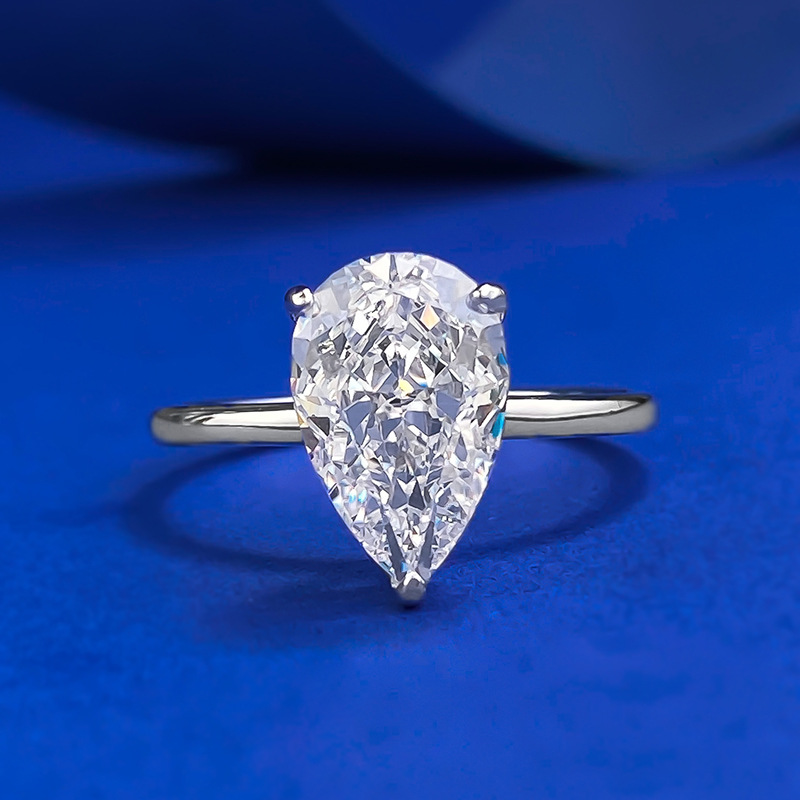
Bezel vs Prong Setting Oval: Which Ring Setting Fits You?
Choosing between a bezel vs prong setting oval ring sounds simple until you start comparing real designs. Both can look stunning. Both can hold an oval diamond safely when made well. The difference comes down to sparkle, protection, comfort, and how the ring feels during everyday wear.
A bezel setting wraps the oval diamond in a slim rim of metal. It gives the ring a smooth edge and protects the full outline of the stone. A prong setting uses small metal claws to hold the diamond, leaving more of the stone open to view.
If you want a low-snag ring that feels secure, a bezel often wins. If you want an airy, classic look with more visible diamond, prongs usually feel right. Use this comparison to match the setting to your style, budget, and daily routine.
Bezel vs Prong Setting Oval Rings at a Glance
The bezel vs prong setting oval decision matters because oval diamonds have a long shape with rounded sides and narrower tips. That shape creates elegant finger coverage, but it also needs smart support. The setting affects how much light reaches the diamond, how protected the tips are, and how the ring feels during normal wear.
Oval diamonds often look larger face-up than round diamonds of the same carat weight. A 2.00 carat oval may measure about 10.5 x 7.0 mm, depending on cut, while a 2.00 carat round brilliant often measures close to 8.1 mm across. That extra spread is one reason Oval Engagement Rings stay so popular.
The practical tradeoff is edge exposure. More surface area means more outline to protect. A strong setting cannot fix a poorly cut diamond, but it can protect and flatter a well-chosen oval.
The Gemological Institute of America explains that diamond beauty depends heavily on cut quality, proportions, symmetry, and light return. For oval diamonds, buyers should also look at bow-tie visibility and length-to-width ratio. Many shoppers prefer oval ratios near 1.35 to 1.50, though personal taste matters.
Why Oval Diamonds Need the Right Setting
The bezel vs prong setting oval comparison is different from the same debate for round diamonds. Ovals have two ends that need special attention. If those tips are left too exposed, they can be more vulnerable to impact.
A bezel protects the entire outline, including both tips. Prongs can protect an oval well too, but the design needs the right placement. Six prongs, double prongs, claw prongs, or V-tip details can add security without making the ring look heavy.
Ring height also matters. A higher prong setting can show off the diamond from the side, but it may catch more on sweaters, gloves, or hair. A low-profile bezel usually feels smoother during daily tasks.
Customers often decide faster once they picture their real routine. Do you wear gloves at work? Do you lift weights, travel often, garden, or care for children? Those habits can matter as much as the photo you saved online.
Oval Bezel Settings: Secure, Smooth, and Modern
A bezel setting surrounds the oval diamond with a continuous or partial metal rim. Full bezels cover the entire edge of the stone. Partial bezels protect selected areas and leave more of the side visible.
For many buyers comparing bezel vs prong setting oval designs, the full bezel feels like the safest choice. It reduces snagging, protects the girdle, and gives the ring a clean finish. It also works especially well for larger lab-grown oval diamonds.
Lab-grown diamonds often let shoppers choose a larger carat weight for the same budget. That means many StoneBridge Jewelry customers compare 1.50, 2.00, 3.00, or 4.00 carat oval center stones. As the diamond gets larger, the longer outline makes protection more valuable.
Bezel settings also have a strong style range. Yellow gold feels warm and vintage-inspired. Platinum and white gold look crisp and clean. Rose gold gives the setting a softer, romantic edge.
Pros of an Oval Bezel Setting
The biggest benefit of a bezel is protection. The metal rim guards the diamond's edge and helps shield the tips from knocks. It also gives the ring a smooth surface, so it does not catch as easily on fabric.
A bezel can make the oval shape look more defined. The metal follows the stone's outline, almost like a picture frame. On some rings, that frame makes the diamond look a little more substantial from the top.
Choose a bezel if you want:
- Strong edge and tip protection
- A smooth, low-snag profile
- A modern or vintage-modern style
- A practical ring for active daily wear
- Extra security for a larger oval lab-grown diamond
A bezel does not have to look bulky. The best designs use a slim, even rim that feels intentional rather than heavy.
Cons of an Oval Bezel Setting
The main tradeoff is openness. A full bezel covers a small part of the diamond's edge, so the ring may look less airy than a prong setting. Some side light is also blocked, though most diamond sparkle comes from light entering through the crown.
Craftsmanship makes a big difference. A fine bezel looks polished and refined. A thick or uneven bezel can make the oval look smaller or too enclosed.
Cleaning is still needed. Lotion, soap, and dust can collect near the rim. Warm water, mild dish soap, and a soft brush can keep the diamond bright between professional cleanings.
For shoppers who want security first, these tradeoffs are usually easy to accept. In the bezel vs prong setting oval debate, the bezel is the practical favorite for smooth daily wear.
Oval Prong Settings: Classic, Bright, and Airy
A prong setting holds the oval diamond with small metal claws. Because there is less metal around the edge, more of the diamond stays visible. That open look is the main reason prong settings remain so popular.
Prongs suit classic solitaires, pavé bands, hidden halos, cathedral settings, and three-stone rings. They let the center diamond take focus. If you love a delicate ring with strong sparkle, prongs are hard to beat.
The bezel vs prong setting oval choice often comes down to sparkle versus protection. Prongs show more of the stone. Bezels cover more of the edge.
For oval diamonds, prong structure deserves a close look. A four-prong setting can be elegant, but it may leave the north-south tips more exposed unless the prongs are placed carefully. Six prongs or double prongs can add support while keeping the ring graceful.
Pros of an Oval Prong Setting
The biggest benefit of prongs is visibility. You see more of the oval diamond from the top and side. The ring often feels lighter because less metal surrounds the stone.
Popular prong styles include:
- Four prongs for a minimal look
- Six prongs for added security
- Double prongs for refined support
- Claw prongs for a fine, tapered finish
- V-tip prongs for extra protection at the oval ends
Prong settings also offer more design flexibility. They pair well with hidden halos, pavé accents, side stones, and slender solitaire bands. If your dream ring is romantic and traditional, prongs may feel more natural.
Cons of an Oval Prong Setting
Prongs need more upkeep than bezels. They can lift, bend, or wear down after years of daily use. If a prong catches on a sweater or glove, a jeweler should check it.
Many jewelers recommend professional ring inspections every 6 to 12 months for engagement rings worn daily. That schedule helps catch loose stones, worn prongs, and small damage before it becomes serious.
The oval tips also need protection. A prong ring can be safe, but the setting should not leave the ends exposed. Ask about prong placement before you choose the final design.
In the bezel vs prong setting oval comparison, prongs win for openness and classic beauty. Bezels win for lower maintenance and better edge coverage.
Bezel vs Prong Setting Oval Comparison Table
Use this quick chart to compare the everyday differences between bezel vs prong setting oval rings.
| Category | Oval Bezel Setting | Oval Prong Setting |
|---|---|---|
| Security | Strong edge protection and full tip coverage | Secure when well made, but tip placement matters |
| Sparkle | Bright with a framed look | Usually more open and airy |
| Style | Modern, sleek, minimalist, vintage-modern | Classic, romantic, delicate, versatile |
| Comfort | Smooth profile with fewer snags | May sit higher and catch more easily |
| Maintenance | Lower snag risk and fewer raised parts | Needs periodic prong checks |
| Larger diamonds | Great for added structure | Beautiful, but needs strong prong design |
| Cost | May use more metal and labor | Simple solitaires may cost less |
| Best fit | Active wearers and low-profile style fans | Sparkle-focused buyers and classic ring lovers |
Security is the clearest difference. A bezel wraps the diamond's edge. Prongs hold the diamond at selected points, so the design must be precise.
Sparkle usually favors prongs because more of the stone is visible. Still, a well-cut oval in a fine bezel can look bright and lively. Do not judge sparkle by setting alone; diamond cut quality matters too.
Who Should Choose a Bezel Oval Ring?
Choose a bezel if you want your ring to feel secure, smooth, and easy to wear. The bezel vs prong setting oval choice often points toward bezel for active people. It suits healthcare workers, teachers, parents, frequent travelers, and anyone who uses their hands all day.
A bezel also makes sense if you want a low-profile ring. The smooth edge is less likely to snag on knitwear, gloves, or hair. It can feel more relaxed for everyday wear.
For larger lab-grown oval diamonds, the bezel gives extra structure. A 3.00 carat oval has a long outline, and that outline benefits from a protective setting. The look can still feel elegant if the rim is slim and balanced.
If this sounds like your style, browse oval lab-grown diamond rings or start a custom design with the StoneBridge ring builder. You can compare metal color, band width, center-stone size, and setting height before you commit.
Who Should Choose a Prong Oval Ring?
Choose prongs if you want the diamond to look open, bright, and classic. For many shoppers, that traditional engagement-ring look is the whole point. A prong setting lets the oval take center stage.
Prongs are also a strong choice if you love side details. Hidden halos add sparkle from the profile. Pavé bands bring shimmer across the finger. Three-stone settings add balance and meaning.
The best prong setting for an oval diamond is the one that protects the tips without adding too much metal. Six prongs, double prongs, claw prongs, or V-tip details are worth comparing. A four-prong setting can work, but it should be checked carefully from every angle.
If you want help pairing a stone with the right ring, shop lab-grown diamonds first, then compare settings in engagement rings. You can also browse fine jewelry options at StoneBridge jewelry if you want matching bands or everyday pieces.
Cost, Care, and Long-Term Wear
Cost depends on more than the setting category. A simple prong solitaire may cost less than a bezel because it uses less metal. A hidden halo, pavé band, or three-stone prong ring may cost more than a plain bezel.
Metal choice also affects price and upkeep. Platinum is dense and durable, but it usually costs more than gold. White gold may need rhodium re-plating over time. Yellow gold and rose gold show the setting shape in a warmer way.
Care is different too. Bezels still need cleaning around the rim, but they have fewer raised points that can bend. Prongs need inspection because worn tips can affect diamond security.
For lab-grown diamonds, certification helps you compare quality. IGI and GIA reports commonly grade lab-grown diamonds using the 4Cs: carat, color, clarity, and cut-related details. Ask to see the grading Report Before You finalize the ring.
Our Expert Take on Bezel vs Prong Setting Oval Rings
Here is the short answer: choose bezel for protection, comfort, and low-snag daily wear. Choose prongs for maximum visibility, classic style, and a lighter look.
For most active wearers, a bezel-set oval lab-grown diamond ring is the safer everyday pick. It protects the edge, softens the profile, and feels easy to live with. That matters if the ring is worn from morning to night.
For sparkle-first buyers, a well-built prong setting is usually the better fit. It shows more diamond and gives the ring that classic engagement look. Make sure the oval tips are protected and plan on regular inspections.
Still torn? Try this simple test. If you worry about snagging or knocking the ring, lean bezel. If you keep coming back to bright, airy solitaires, lean prong.
Buying Checklist Before You Decide
Before you choose between bezel vs prong setting oval designs, check these details:
- Daily routine: work, gloves, gym, travel, childcare, and hobbies
- Ring height: low profile or raised center stone
- Diamond ratio: many shoppers like 1.35 to 1.50 for ovals
- Bow-tie visibility: view the diamond in more than one lighting condition
- Tip protection: look closely at the north-south ends
- Metal color: compare yellow gold, white gold, rose gold, and platinum
- Maintenance comfort: decide whether prong checks fit your habits
A ring should match the person wearing it, not just the photo that looks best online. The right bezel vs prong setting oval choice is the one that still feels good years from now.
Shop the Oval Setting That Fits Your Life
The bezel vs prong setting oval decision has no one-size answer. A bezel gives you security, smooth wear, and a modern frame. A prong setting gives you openness, classic sparkle, and broad design flexibility.
Both can be beautiful with a well-cut oval diamond. For larger stones or active lifestyles, the bezel is often the easier everyday choice. For a delicate, bright, traditional ring, prongs may be perfect.
Ready to compare options? Explore oval engagement rings, choose your center stone from lab-grown diamonds, or create your own design with the ring builder. StoneBridge Jewelry can help you balance beauty, comfort, and long-term security before you choose.
Ready to Find Your Perfect Diamond?
Explore our collection of certified lab-grown diamonds
Shop Diamonds