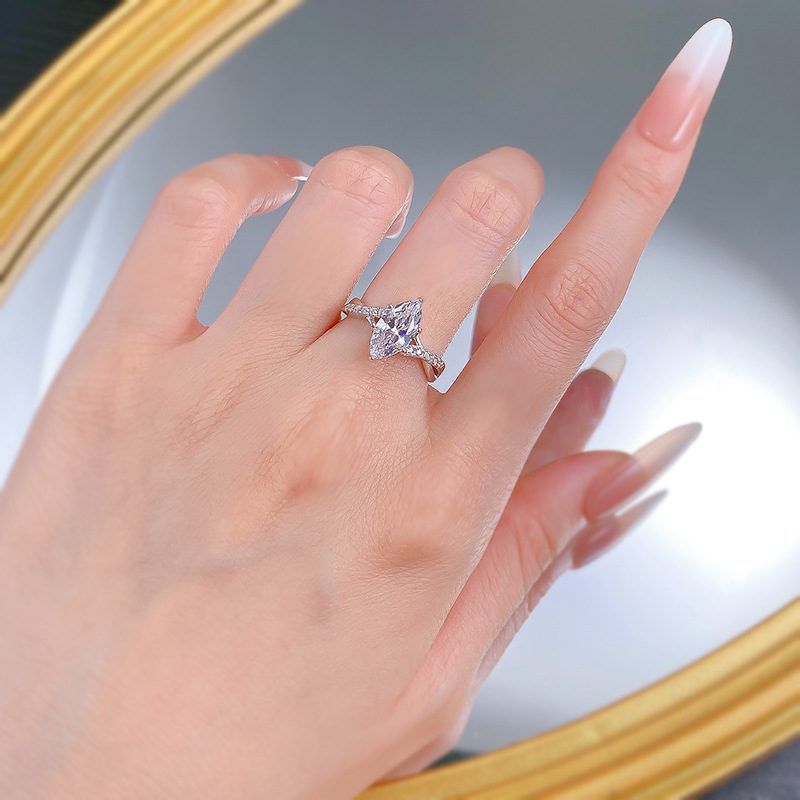
Bezel vs Prong Durability Buying Guide: Choose the Right Setting
If you're comparing stone settings, the Bezel vs Prong Durability buying guide is a strong place to begin. A bezel wraps metal around the stone. A prong uses small claws to hold it open. Both can look beautiful, but they behave very differently once a ring is worn every day.
The main question is not which style sparkles more. It's which one protects the stone, reduces snagging, and keeps performing with less upkeep over time. That matters for engagement rings, lab-grown diamond pieces, travel rings, workwear styles, and jewelry meant for active routines.
From a bench jeweler's point of view, setting choice affects long-term wear more than many shoppers expect. The biggest differences show up on rings that stay on through desk work, gym sessions, and long days in healthcare or hands-on jobs. GIA guidance on ring settings also points buyers toward matching construction to lifestyle, not just style.
So, which one should you choose? The answer depends on how you wear your jewelry, how much maintenance you want, and how much open light you want around the stone. The Bezel vs Prong Durability buying guide below breaks that down in plain language.
Bezel vs Prong Durability Buying Guide: What Changes Most
A bezel setting uses a thin rim of metal that surrounds part or all of the stone's edge. The stone sits inside that frame. A prong setting uses narrow metal claws to grip the diamond at several points, usually four or six, while leaving most of the stone open.
That one design choice changes almost everything. In the Bezel vs Prong Durability buying guide, durability means more than raw strength. It includes four things buyers actually feel in daily life:
- Impact protection: how well the setting shields the stone from knocks and drops
- Snag resistance: how often the ring catches on clothing, gloves, hair, or bags
- Stone security: how likely the setting is to stay tight under normal wear
- Maintenance: how much inspection, tightening, and repair the setting usually needs
Stone shape matters too. A round diamond and a princess cut do not face the same kind of risk. Ring height matters as well. A low-profile ring tends to stay safer than a high-set one. So the Bezel vs Prong Durability buying guide is really a wear test, not just a style test.
Bezel Settings: Built for Protection
A bezel setting surrounds the stone with a continuous or partial metal rim. That rim shields the girdle and the edges, which gives bezels a real advantage in the bezel vs prong durability buying guide. Less exposed stone means fewer chances for chips and less chance of a sharp corner taking a direct hit.
Why buyers choose bezels
Protection is the biggest reason. The rim acts like a guard around the stone, especially on shapes with fragile corners or edges. If you type all day, lift weights, work with tools, or keep your ring on from morning to night, that extra coverage can matter a lot.
The bezel also feels smooth against the hand. It tends to sit lower, it usually snags less, and it can be easier to live with during long wear. In the bezel vs prong durability buying guide, that makes bezels a strong fit for active buyers and people who do not want to think about their ring all day.
A few practical advantages stand out:
- Less catching on sleeves, hair, or bags
- A lower profile that often feels more secure
- Fewer exposed edges on the stone
- Less day-to-day checking than prongs usually need
Tradeoffs to know
The bezel vs prong durability buying guide should stay honest here. A bezel covers part of the diamond, so less light reaches the sides. That can soften the airy, open sparkle many shoppers want from a classic engagement ring.
There is also a visual tradeoff. A bezel can make the stone look slightly smaller than the same diamond in a prong setting. That is not always a downside, but it matters if your main goal is maximum presence at a certain carat size.
Finish quality matters more with bezels than many people expect. A clean bezel looks sleek. A sloppy one looks thick and heavy. So the setting type matters, but the craftsmanship matters just as much.
What holds up in real wear
A well-made bezel can wear very well over time because the stone edge is wrapped in metal. The rim also spreads contact better than a single point does. In the bezel vs prong durability buying guide, that is why bezels usually come out ahead for low-fuss wear.
We see this most often on rings that live on the hand all day. There is less snagging, less edge wear, and fewer emergency checks. What good is a ring if it catches on every sweater or glove? For many buyers, the answer is simple: it is not worth the hassle.
Prong Settings: More Light, More Upkeep
A prong setting uses small metal claws to hold the diamond. Four-prong and six-prong styles are the most common. The open design exposes more of the stone, which is why prongs remain a favorite for engagement rings and classic solitaires.
The bezel vs prong durability buying guide needs to give prongs fair credit. A well-made prong setting can be secure. It can also look clean, bright, and timeless. The style has lasted because it lets the diamond do most of the visual work.
Why prongs stay popular
Prongs create a lighter frame around the center stone, so the diamond looks more open. More of the stone is visible, and more light can enter from the sides. That is a big reason buyers still choose prongs for round, oval, cushion, pear, and princess cuts.
Here are the main draw points:
- Classic engagement-ring look
- Strong light return for sparkle
- Flexible design options
- Easy pairing with solitaires, halos, and side stones
In the bezel vs prong durability buying guide, prongs often win for brilliance and traditional style. If your top priority is making the center stone feel as large and open as possible, prongs usually have the edge.
Tradeoffs to know
The downside is upkeep. Prongs can bend, wear thin, or catch on fabric. Over time, a ring that sees daily contact may need retipping or tightening. That is why jewelers recommend routine checks, especially for rings worn every day.
Prongs also leave more of the diamond exposed. That adds sparkle, but it also adds risk. The girdle, crown, and corners are easier to hit than they are in a bezel. A bent prong can become a loose-stone problem faster than most shoppers expect.
The bezel vs prong durability buying guide comes down to this simple point: prongs can be durable, but they usually ask for more attention.
Four-prong vs six-prong
The number of prongs changes the balance between visibility and security.
- A 4-prong setting shows more of the diamond and can make the stone look slightly larger.
- A 6-prong setting adds 2 more contact points, which is a 50% increase over a 4-prong design.
- Round stones often get a 6-prong mount when security matters more than an ultra-open look.
- Buyers who want the least visual framing usually prefer 4-prong styles.
In the bezel vs prong durability buying guide, 6-prong settings usually edge out 4-prong designs on security. Four-prong settings usually win on openness and a lighter frame.
Bezel vs Prong Durability Buying Guide: Side-by-Side Comparison
This side-by-side view makes the bezel vs prong durability buying guide easier to use in real life.
| Factor | Bezel Setting | Prong Setting |
|---|---|---|
| Impact protection | Strong. The rim shields the stone edge. | Good when well made, but more exposed. |
| Snag risk | Low. Smooth edges reduce catching. | Higher. Prongs can catch on fabric or gloves. |
| Stone security | Very secure when fitted correctly. | Secure, but depends on prong condition. |
| Maintenance | Lower routine upkeep. | Higher. Needs regular inspection and tightening. |
| Appearance | Modern, sleek, minimal. | Traditional, bright, open, classic. |
| Light exposure | Slightly reduced at the edges. | Higher. More light reaches the diamond. |
| Visual size | Can appear slightly smaller. | Often appears larger and more open. |
| Price | Can be similar or slightly higher, depending on workmanship. | Often competitive and widely available. |
Everyday wear
For everyday wear, the bezel vs prong durability buying guide usually favors bezels. Rings get bumped against counters, pressed against hard surfaces, and rubbed under sleeves. A smooth bezel lowers the chance of a chipped corner or a bent point.
Prongs can still handle daily wear if they are well made and checked on schedule. Still, daily use creates more abrasion. If the ring stays on all the time, maintenance matters as much as the original build.
Travel
Travel means more movement, more luggage handling, and more chances for a ring to hit something by accident. In the bezel vs prong durability buying guide, a bezel is often the safer travel choice because it snags less and needs less attention.
Prongs can travel just fine, but a traveler who removes and re-wears jewelry should check the setting before and after a trip. That quick habit cuts risk without much effort.
Exercise and active routines
The bezel vs prong durability buying guide almost always leans bezel for exercise. Gym equipment, yoga mats, climbing gear, and resistance bands can grab a prong. A bezel sits smoother and stays out of the way.
If you never wear jewelry during workouts, the gap gets smaller. But if the ring stays on during activity, bezel protection becomes a real advantage.
Work environments
Hands-on jobs bring more abrasion, more contact, and more wear. Healthcare, culinary work, lab work, trades, and warehouse jobs all stress jewelry in different ways. In those settings, the bezel vs prong durability buying guide points toward bezels because they create a lower profile and fewer places to snag.
Prongs can still work in office settings or lower-contact jobs. If your hands are always busy, though, a bezel is easier to trust.
Long-term ownership
The long-term ownership cost is where the bezel vs prong durability buying guide gets especially useful. Prongs usually need more checks, more tightening, and sometimes retipping. Bezels still need polishing and inspection, but they usually ask for less follow-up.
Insurance matters too. A durable setting does not replace coverage. Keep appraisals current, especially for engagement rings and higher-value lab-grown diamond jewelry. A secure setting lowers risk, but it does not remove the need for documentation.
What service trends show
Jewelers commonly see prong wear, bent tips, and loose stones as routine service issues. Bezel repairs happen too, but they are less often caused by a single weak point. That is one reason the bezel vs prong durability buying guide often favors bezels for buyers who want less maintenance.
Who Should Choose a Bezel, and Who Should Choose a Prong?
The right answer in the bezel vs prong durability buying guide depends on how the ring will be worn and what matters most to you.
Choose a bezel if you want:
- Maximum protection from bumps and knocks
- Lower snag risk
- A smooth, easy-to-wear profile
- Less maintenance over time
- A modern, streamlined look
- A ring that works well for active routines
Bezels are a strong fit for active professionals, frequent travelers, people who work with their hands, and buyers who prefer function-first design. For a ring that stays on through a busy day, the bezel vs prong durability buying guide usually points here.
Choose a prong if you want:
- Maximum sparkle and light exposure
- A classic engagement-ring look
- A lighter visual frame around the stone
- Strong styling flexibility
- A more traditional solitaire presentation
Prongs are often the better fit for buyers who want the diamond to look open and bright. If the ring will be worn carefully and inspected on schedule, prongs can be a smart choice. In the bezel vs prong durability buying guide, prongs are the better visual performer.
Stone shape changes the answer
Stone shape can shift the recommendation. Round and oval stones work beautifully in both settings. Princess, pear, and emerald cuts may benefit from extra edge protection if durability matters more than open visibility.
If the shape has sharp corners or fragile edges, the bezel vs prong durability buying guide often leans bezel. Those edges are simply easier to protect. Size matters too. Larger stones have more exposed surface area, while smaller stones can sometimes look more substantial in prongs.
Ring height matters as well. Higher settings show more of the stone, but they face more impact risk. Lower settings usually wear better in the real world.
Lifestyle examples that make the choice clearer
- An active nurse who wears gloves all day may prefer a bezel.
- A traveler who wants fewer checks and less snagging may prefer a bezel.
- A buyer who wants a classic proposal ring may prefer prongs.
- A buyer who wants maximum brilliance may prefer prongs.
- A buyer who wants a low-profile daily ring may prefer a bezel.
The bezel vs prong durability buying guide is less about rules and more about fit. The best setting matches the wearer's habits.
What the Bench Sees Most Often
Bench jewelers see the same patterns again and again. On prong rings, the usual service call is a bent tip, a worn prong, or a stone that has started to move. On bezel rings, the most common issues are polish wear and the occasional reshaping after a hard hit.
We've found that rings worn 7 days a week need the most attention at the setting points, not the center stone itself. That is why the bezel vs prong durability buying guide matters Before You Buy, not after a repair bill shows up. A 6-month checkup is a good habit for daily-wear pieces, and a 12-month interval is the outer edge for lower-contact rings.
GIA's advice lines up with that view: match the setting to the stone and the life you live. That advice sounds simple, but it saves a lot of regret.
Bezel vs Prong Durability Buying Guide: Our Practical Take
For most buyers, the bezel wins on durability. In the bezel vs prong durability buying guide, it is the stronger choice for impact protection, snag resistance, and low-maintenance wear. It protects the stone better in daily life and gives the ring a smoother profile.
That does not make prongs a bad choice. If sparkle, visibility, and a classic engagement-ring look matter most, a prong setting may be the better value. It gives the diamond a brighter, more open presentation and still works well when built and checked properly.
The simplest way to think about it is this:
- Choose bezel if durability is your top priority.
- Choose prong if brilliance and traditional style matter more.
- Choose a hybrid design if you want a middle ground.
A bezel-inspired design gives you more protection around the edge. A prong-forward design keeps more of the stone in view. The best bezel vs prong durability buying guide advice is to buy for the way you live, not just the way the ring looks in a display case.
If you want the safest long-term wear, the bezel usually wins. If you want the brightest, most open presentation, prongs still have a strong case. That is the main takeaway from the bezel vs prong durability buying guide.
FAQ: Bezel vs Prong Durability Buying Guide
Are bezel settings more durable than prong settings for everyday wear?
Yes, in most cases they are. The bezel vs prong durability buying guide usually favors bezels for daily wear because the metal rim shields the stone and lowers snag risk. That protection matters most on rings that stay on through work, errands, and travel. Prongs can still be durable, but they usually need more inspection and maintenance.
Do prong settings loosen over time?
They can. Daily wear puts stress on the tips, especially if the ring hits hard surfaces or catches on clothing. A prong ring should be checked on a regular schedule so wear shows up before the stone moves. In the bezel vs prong durability buying guide, that extra upkeep is the main tradeoff for prongs.
Is a bezel setting better for an engagement ring?
It can be, especially if you want a secure ring with a smooth profile. The bezel vs prong durability buying guide still comes back to style, because prongs offer a more open and traditional look. If the wearer is hard on jewelry or wants fewer snag points, a bezel is a very practical choice. If the goal is a bright solitaire look, prongs may fit better.
Which is better for an oval or round diamond: bezel or prong?
Both can work well. Round diamonds often shine in either setting, while oval diamonds can look elegant in both bezel and prong designs. The bezel vs prong durability buying guide suggests thinking about protection, visual size, and daily wear first. If the shape has delicate edges, a bezel usually gives you more peace of mind.
What should I inspect on a prong ring?
Check for bent tips, thin prongs, sharp edges, and any movement in the stone. If the diamond rattles or one prong looks shorter than the others, the ring needs service. That habit is a core part of the bezel vs prong durability buying guide for prong owners. A quick check every few months can prevent a costly repair later.
Shop the Setting That Fits
If maximum protection and low maintenance are your priorities, shop bezel-set rings first. If you want more sparkle, more visibility, and a classic look, explore prong-set designs. The right choice in the bezel vs prong durability buying guide depends on whether your top goal is durability, brilliance, or a balanced mix of both.
Start with our engagement ring collection if you want to compare bezel and prong styles side by side. If you already know the stone you want, shop our lab-grown diamonds and pair them with the setting that fits your routine. For shoppers who want to refine the design before buying, try our ring builder and see how each setting changes the final look.
If you still want help choosing, contact our jewelry experts for guidance on stone shape, ring height, and daily wear needs. The easiest path is the one that matches your lifestyle first and your style second. That is the practical lesson from the bezel vs prong durability buying guide, and it is the best way to buy a ring you'll be comfortable wearing for years.
Ready to Find Your Perfect Diamond?
Explore our collection of certified lab-grown diamonds
Shop Diamonds