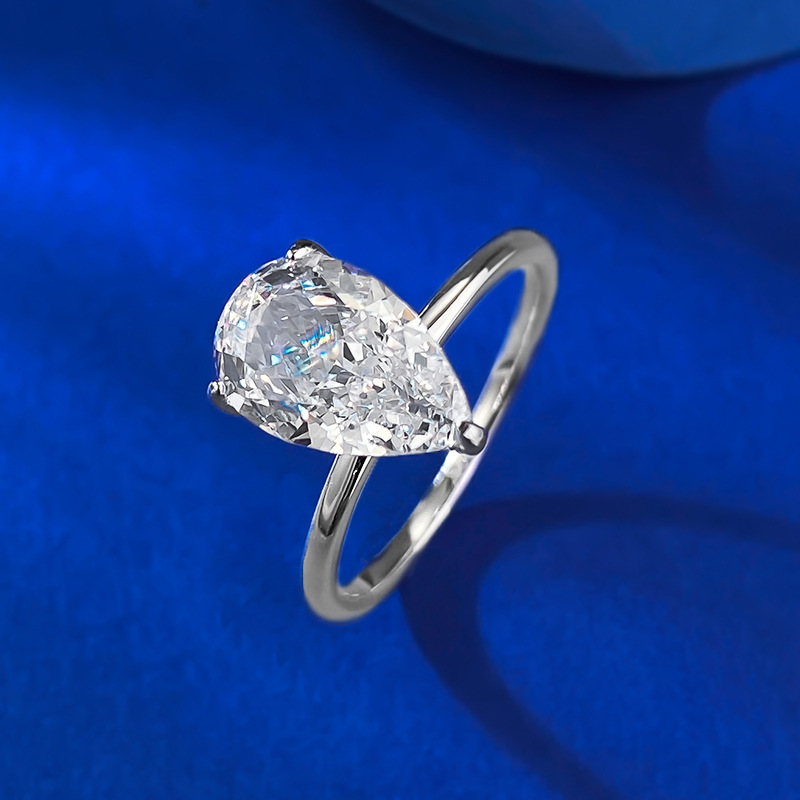
Best Prong Setting for Solitaire Rings: 4-Prong vs 6-Prong
Choosing the best prong setting for solitaire rings affects how the diamond looks, how secure it feels, and how easy it is to wear every day. If you’re deciding between a 4-prong and a 6-prong solitaire, the right choice depends on what you value most. Do you want a brighter, more open look, or do you want extra security and a softer frame?
A solitaire puts all the attention on one center stone. That means the setting has a bigger job than it does in many other ring styles. It affects sparkle, metal visibility, cleaning, and long-term care. For many shoppers, the best prong setting for solitaire rings comes down to a balance of style and peace of mind.
We’ve seen customers lean one way or the other for a simple reason: they wear these rings every day. A setting that looks lovely in the box still has to handle keys, bags, hand washing, and work. That’s why prong count matters, but craftsmanship matters just as much.
Best Prong Setting for Solitaire Rings: What Changes Between 4 and 6 Prongs?
The two most common solitaire heads are 4-prong and 6-prong designs. Both can be excellent. A well-made setting of either type can hold a diamond securely for years.
The real difference shows up in the details:
- How much of the diamond stays visible
- How much light reaches the stone
- How much metal you notice
- How much backup support the stone has
- How the ring feels in daily wear
For round brilliant diamonds, both styles work well. They also appear on oval, cushion, emerald, and pear shapes with the prongs adjusted for each cut. If you want to compare ring styles side by side, browse our engagement rings and see how the head changes the look.
What Makes the Best Prong Setting for Solitaire Work Well?
The best prong setting for solitaire wear does more than hold a diamond in place. It should support the stone, show it clearly, and stay comfortable. A good head also needs smooth finishing so it doesn’t snag on sweaters or gloves.
Security and stone retention
Security comes first. Prongs grip the diamond at specific points, and those points need to be aligned and shaped with care. A 6-prong head gives you one extra point of contact, which can feel reassuring for everyday wear.
Still, the number of prongs isn’t the whole story. Prong thickness, head height, seat depth, and polishing all matter. A poorly made 6-prong setting can be less reliable than a precise 4-prong one.
Visibility and visual size
Fewer prongs usually leave more of the diamond visible. More prongs usually create a fuller frame around the stone. The difference is subtle, but it’s easy to notice once you look closely.
If you want the center stone to look as open as possible, a 4-prong setting usually wins. If you want a more framed and traditional look, 6 prongs may suit you better.
Light return and sparkle
The Gemological Institute of America notes that diamond brightness depends heavily on cut and on how light moves through the stone. A setting that leaves the crown more open can help the diamond show its life and fire. That’s one reason many buyers prefer 4 prongs for a brighter, more open look.
A 6-prong setting can still sparkle beautifully. Slim, well-placed prongs won’t block much light if the head is designed well.
Comfort and snag resistance
A solitaire should feel smooth on the hand. If a prong sticks out too far, it can catch on fabric or hair. Lower-profile heads usually help, but prong count alone doesn’t decide comfort.
For daily wear, clean finishing matters just as much as the design. The best prong setting for solitaire rings should feel easy to live with, not delicate or fussy.
Cleaning and maintenance
Soap, lotion, and dust can collect around a prong head. Open settings are easier to rinse and brush clean. A 4-prong design may be a little easier to inspect because there’s less metal around the diamond.
A 6-prong head still cleans well. It just asks for one more point of inspection over time.
4-Prong Solitaire Setting: Open Look, More Diamond Showing
The 4-prong solitaire setting is the cleaner, lighter-looking option. It uses four contact points to hold the diamond, usually placed to frame the stone in a balanced way. The result feels simple, elegant, and classic.
For many buyers, this is the best prong setting for solitaire rings when the goal is maximum visibility. Less metal means more diamond shows. The setting also gives the stone a more open feel on the hand.
Why people choose 4 prongs
A 4-prong solitaire is popular for a few clear reasons:
- It looks minimal and timeless
- It shows more of the diamond
- It can make the center stone feel larger
- It pairs well with sleek wedding bands
- It suits buyers who like a clean, modern classic style
Round brilliant diamonds look especially strong in 4-prong settings because the outline stays crisp. Many shoppers also like the symmetry. It gives the ring a neat, uncluttered look.
Sparkle and light exposure
A 4-prong head usually leaves more room around the diamond. That extra openness helps the stone catch light from the sides. In everyday terms, the ring can feel brighter and less boxed in.
If visual impact matters most, the best prong setting for solitaire presentation is often 4 prongs. The diamond gets more visual space, and the ring tends to feel a bit more airy.
What to watch for
Four prongs do mean fewer retention points. That doesn’t make the setting unsafe. It does mean the workmanship has to be solid.
Look for even prong height, smooth tips, and a head that fits the stone well. A good 4-prong setting can be very secure when it’s made properly and checked from time to time.
Best for
A 4-prong solitaire is a smart pick if you want:
- A cleaner, more open look
- More visible diamond surface
- A ring that feels light and refined
- A slightly larger-looking center stone
- A simple style that doesn’t crowd the diamond
6-Prong Solitaire Setting: Extra Support and a Softer Shape
The 6-prong solitaire setting adds two more contact points around the stone. That creates a softer outline and a more traditional look. Many buyers like the feeling of extra security, especially for a ring they’ll wear every day.
If peace of mind is high on your list, the best prong setting for solitaire rings may be 6 prongs. It gives you more contact points and a more enclosed feel.
Why buyers choose 6 prongs
A 6-prong head offers a few clear benefits:
- Extra retention points
- A classic engagement ring look
- A slightly more protected feel
- Strong support for daily wear
- A good match for larger center stones
That extra support can matter more as the diamond gets bigger. For many shoppers, the ring feels more reassuring with 6 prongs, even if the difference is small.
Security advantage
With 6 prongs, the stone has one more point of backup if wear develops over time. That doesn’t replace maintenance, but it does add comfort for many buyers.
Most jewelers still recommend regular inspections for any prong setting. Even so, a 6-prong head often feels like the safer pick for people who don’t want to think about the ring very often.
How it changes the look
A 6-prong solitaire can make a round diamond look more softly framed. Some people love that classic shape. Others prefer the openness of 4 prongs.
The tradeoff is simple: you may see a little less of the stone. In return, the ring often feels more grounded and traditional.
Best for
A 6-prong solitaire is a strong choice if you want:
- Extra retention
- A traditional look
- A softer frame around the stone
- More confidence for everyday wear
- A good fit for larger or higher-value diamonds
4-Prong vs 6-Prong Solitaire: Side-by-Side Comparison
Here’s a quick look at how the two styles compare.
| Category | 4-Prong Solitaire | 6-Prong Solitaire | Better Pick |
|---|---|---|---|
| Appearance | Open, minimal, airy | Softer, fuller, traditional | 4-prong for a modern feel; 6-prong for a classic look |
| Sparkle / Light Exposure | More visible diamond area | Slightly more metal coverage | 4-prong |
| Security | Very secure when made well | More retention points | 6-prong |
| Maintenance | Easier to inspect | Still easy, but more prongs to check | 4-prong for simplicity |
| Snag Risk | Low if prongs are polished well | Low if prongs are polished well | Tie |
| Visual Size | Can make the stone feel larger | May make the stone feel slightly smaller | 4-prong |
| Tradition | Classic with a lighter feel | Strong traditional look | 6-prong |
| Everyday Peace of Mind | Strong | Strongest | 6-prong |
The numbers matter here. You’re choosing between 4 contact points and 6 contact points, and that changes the feel of the ring more than many shoppers expect. For a round brilliant center stone, both are popular because both can perform well.
If you’re still choosing the center stone itself, shop our diamond selection and compare shapes, sizes, and grades before you decide on the setting.
How to Choose the Best Prong Setting for Solitaire Rings
The best prong setting for solitaire rings depends on how you wear the ring and what you want to see when you look at it. Start with your top priority, then narrow the choice from there.
Choose 4 prongs if you want:
- A more open look
- Maximum view of the diamond
- A ring that feels light on the hand
- A modern classic style
- A stone that looks more prominent
4 prongs are often ideal for shoppers who want the diamond to do most of the talking. They work well on many round, oval, and cushion solitaires.
Choose 6 prongs if you want:
- Extra security
- A softer silhouette
- More reassurance for daily wear
- A stronger look for a larger diamond
- A traditional feel with a little more metal around the stone
6 prongs often appeal to buyers who want their ring to feel protected. That can matter a lot if the ring will see constant wear.
Match the setting to your routine
If you’re active, work with your hands, or wear gloves often, focus on head height and prong finish. If you travel often or want more peace of mind, 6 prongs may feel better.
Many of our customers tell us they want a setting they can stop thinking about. That’s a good sign you should lean toward the more secure option if the style difference feels small.
Match the setting to the diamond shape
- Round brilliant: either 4 or 6 prongs works well
- Oval: 4 prongs can keep it open, while 6 prongs can add structure
- Cushion: both styles can look soft and elegant
- Emerald: prong placement should protect the corners and edges
- Pear or marquise: prong placement needs careful planning at the tips
The best prong setting for solitaire style also depends on the shape’s weak spots. Fancy shapes usually need more thoughtful placement than round stones.
Consider size and value
As carat weight goes up, many buyers want more retention. For stones around 1.50 carats and above, a 6-prong head can feel like the safer bet. Smaller stones often look especially graceful in 4 prongs.
That’s not just a style choice. It’s a practical one, too. A larger stone can represent a bigger investment, so some shoppers prefer the added backup.
E-E-A-T Notes: What Jewelers and Gem Labs Say
GIA guidance on diamond appearance makes one point very clear: cut quality drives brilliance. The setting can’t fix a poor cut, but it can help or hinder how freely light moves through the stone.
Industry jewelers also know that prongs are maintenance pieces, not forever parts. A ring worn daily should be inspected about every 6 to 12 months, and sooner if you notice a snag or a loose feel. That small habit can prevent bigger problems later.
We’ve also found that shoppers with stones at 1 carat and up ask more often about security, while buyers choosing smaller centers tend to focus on how open the ring looks. That pattern shows up again and again.
Expert Pick: Which One Wins?
For most shoppers, the best prong setting for solitaire rings is the 4-prong setting. It usually gives you the cleanest look, the most visible diamond, and the most open feel. If you want the diamond to be the star, 4 prongs are hard to beat.
The 6-prong setting is the better choice if you want extra support, a softer shape, and more day-to-day reassurance. It’s especially appealing for larger diamonds or for anyone who prefers a traditional look.
A good setting should never feel flimsy. It should feel balanced, smooth, and right for the stone you’ve chosen. That’s the real answer to the best prong setting for solitaire rings: the one that fits your diamond, your routine, and your comfort level.
If you’re shopping StoneBridge Jewelry, start by looking at the ring style, then compare the center stone and head design. You can explore our engagement ring collection, build your own ring, or compare diamonds to Find the Right Fit.
FAQ: Best Prong Setting for Solitaire Rings
What is the best prong setting for solitaire rings if I want the most sparkle?
If sparkle and openness matter most, a 4-prong setting is usually the better choice. It exposes more of the diamond and gives the stone a lighter frame. The best prong setting for solitaire rings in this case is often the one with the least visible metal around the center stone.
Is a 4-prong or 6-prong solitaire setting safer for everyday wear?
A 6-prong setting usually feels safer because it adds an extra point of retention. A well-made 4-prong solitaire can also be secure if the prongs are well shaped and inspected regularly. For buyers who want the most peace of mind, 6 prongs are often the stronger pick.
Does a 6-prong setting make a diamond look smaller?
It can make the diamond look a little smaller because more metal surrounds the stone. The change is usually subtle, but many people notice it once they compare the two styles side by side. If visual size matters most, the best prong setting for solitaire rings is often 4 prongs.
Which solitaire prong setting is easiest to maintain?
A 4-prong setting is usually a little easier to inspect and clean because there are fewer prongs. You still need to check any solitaire regularly, though. A quick professional inspection every 6 to 12 months is a smart habit for either style.
Can I wear a solitaire with 6 prongs if I have an active lifestyle?
Yes, and many people do. A 6-prong solitaire can be a great fit if you want extra reassurance during daily wear, work, or travel. The key is to choose a low-to-medium head height and keep up with routine checks.
Shop Solitaire Rings at StoneBridge Jewelry
Ready to choose your ring? Start with the style that feels right, then compare the diamond and the setting together. If you want a cleaner, more open look, a 4-prong solitaire is often the favorite. If you want extra support, 6 prongs may be the better fit.
Browse our collections here:
If you’re still deciding on the best prong setting for solitaire rings, our team can help you compare stone shape, carat size, and head style Before You Buy. Reach out and we’ll help you narrow it down.
Ready to Find Your Perfect Diamond?
Explore our collection of certified lab-grown diamonds
Shop Diamonds