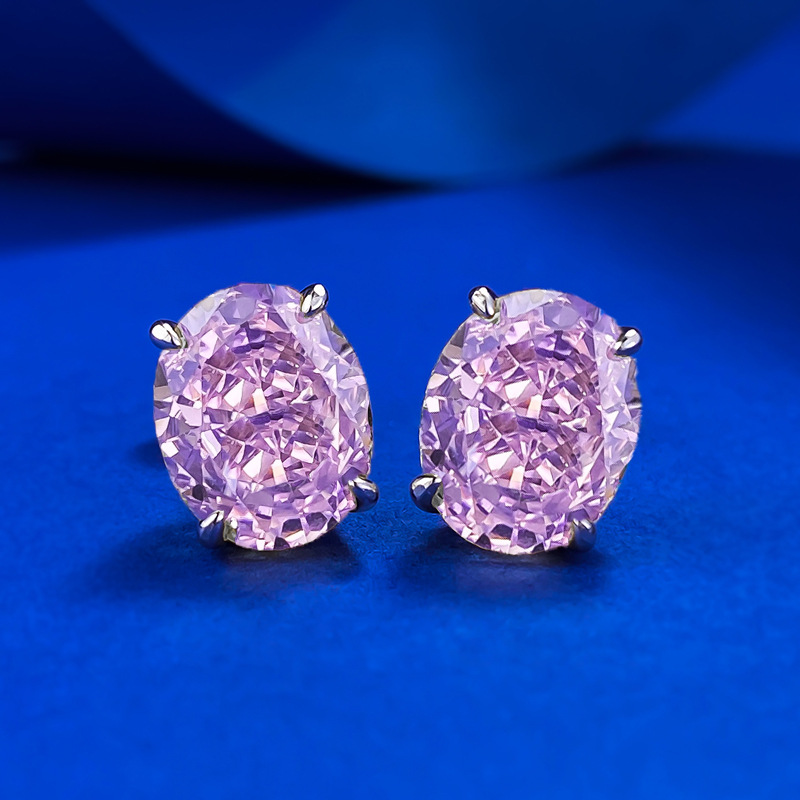
Best Oval Stud Earrings Comparison: Lab-Grown vs Natural
A strong best oval stud earrings comparison should answer one simple question: which pair will you actually love wearing? Oval diamond studs are popular because they look graceful, bright, and slightly larger on the ear than many round diamonds of the same carat weight. The elongated shape frames the face without feeling flashy.
The main choice is lab-grown versus natural diamond studs. Both are real diamonds. Both can be certified. The difference comes down to origin, price, resale expectations, and the story you want the earrings to carry.
At StoneBridge Jewelry, we’ve found that most shoppers care about four things first: sparkle, size, comfort, and trust. Certification matters, but so does how the two stones match in real life. A pair can look strong on paper and still feel off if the ovals have different shapes or one stone shows a darker bow tie.
Best Oval Stud Earrings Comparison: What Matters First
This best oval stud earrings comparison looks at lab-grown oval diamond studs beside natural oval diamond studs using the same buying standards. That keeps the comparison fair. Review cut appearance, matched pair quality, carat weight, color, clarity, certification, setting style, metal, and backing security before choosing a pair.
Oval diamonds are fancy shapes, which changes the buying process. GIA does not give oval diamonds the same overall cut grade used for round brilliant diamonds. Measurements, symmetry, photos, videos, and jeweler inspection carry more weight than many shoppers expect.
A balanced oval diamond often falls around a 1.35 to 1.50 length-to-width ratio. Some buyers like a rounder oval, while others prefer a slimmer look. Neither is automatically better. The key is that both earrings should look like a true pair.
Use this Checklist Before You compare price:
- Independent grading from GIA, IGI, or another respected lab
- Similar measurements and length-to-width ratios
- Minimal to moderate bow-tie effect
- Eye-clean clarity at normal viewing distance
- Color that suits the metal choice
- Low-profile setting for daily comfort
- Secure push backs, screw backs, or locking backs
For oval studs, pay attention to the listed millimeter dimensions as much as the carat weight. Two oval diamonds can both weigh 0.50 carat, yet one may face up longer and slimmer while the other appears shorter and wider. A good match usually means the stones are close in length, width, outline, table size, and overall brightness. If one diamond measures 6.0 x 4.2 mm and the other measures 5.7 x 4.4 mm, the total carat weight may look acceptable on paper, but the pair may not look balanced on the ear.
Also think about how the earrings will be worn. A pair intended for daily use should prioritize comfort and durability more than a pair intended for occasional formal events. Daily studs should sit securely, avoid snagging hair, and have posts that are neither too thin nor uncomfortable. A very high basket can tilt forward on some earlobes, while a lower setting may look neater and feel more stable.
How Lab-Grown and Natural Oval Studs Differ
The best oval stud earrings comparison starts with origin. Lab-grown diamonds form in controlled laboratory conditions, while natural diamonds form in the earth over a very long period. GIA explains that both have the same basic chemical composition: crystallized carbon.
To the eye, well-cut lab-grown and natural oval diamond studs can look nearly identical. If two pairs have similar color, clarity, size, symmetry, and light return, most people will not be able to tell the origin during normal wear. The certificate tells the story that the eye usually cannot.
Price is where the difference becomes clear. Lab-grown oval diamond studs usually offer more carat weight or higher grades for the same budget. Natural oval diamond studs cost more because geological rarity affects pricing.
Your priorities will point you in the right direction. If maximum visible size matters most, lab-grown often has the advantage. If natural origin carries emotional meaning, natural diamonds may feel like the better fit.
There can also be differences in how shoppers approach upgrades. A buyer choosing lab-grown earrings may feel comfortable selecting a larger total carat weight immediately because the price difference is less dramatic. A buyer choosing natural earrings may start with a smaller, very well-matched pair and upgrade later. Neither path is wrong; the better choice is the one that fits the budget without forcing compromises that will bother you every time you wear the earrings.
Sparkle, Bow Tie, and Matching
A useful best oval stud earrings comparison gives sparkle more weight than size alone. Oval diamonds can show a bow-tie effect, which is a shadow across the center of the stone. A slight bow tie is common. A dark, heavy one can make the diamond look dull.
For earrings, matching is just as important as individual quality. The stones sit side by side, so a mismatch becomes easy to notice. Ask whether the pair was matched for shape, measurements, color, clarity, and brightness, not only carat weight.
Our customers often notice shape mismatch before they notice a one-grade color difference. A well-matched 1.00 carat total weight pair can look more refined than a larger pair with uneven outlines.
When reviewing photos or videos, look at the diamonds in more than one lighting environment. Bright studio lighting can make almost every diamond look lively. Diffused daylight and normal room lighting reveal more about contrast, bow tie strength, and whether the stones go dark through the middle. The best oval studs show a pleasing mix of brightness and contrast, not a flat white look or a dark center.
Color and Clarity Targets
Earrings are viewed from a normal social distance, not under magnification. That gives buyers room to choose smart value grades. Many shoppers like G to I color in white gold or platinum, while H to J can look warm and beautiful in yellow gold.
For clarity, VS2 to SI1 can be a strong range if the diamonds are eye-clean. Lab-grown diamonds may allow you to choose higher clarity within the same budget. Natural diamonds often require tighter trade-offs between size, color, and clarity.
The Gemological Institute of America identifies the 4Cs, color, clarity, cut, and carat weight, as the core diamond grading factors. For oval studs, use the 4Cs as a base, then judge the matched pair with your eyes.
Be especially careful with inclusions near the surface, dark crystals under the table, or feathers that reach an edge. These may not always be deal breakers, especially in smaller earrings, but they deserve review. For studs under about 1.00 carat total weight, an eye-clean SI1 can be a smart buy. For larger studs, especially 2.00 carats total weight and above, many buyers prefer VS2 or better because inclusions become easier to see as the diamonds get larger.
Carat Weight and Sizing on the Ear
Diamond Stud Earrings are usually sold by total carat weight, often written as ctw or tcw. That number refers to both diamonds combined. A 1.00 carat total weight pair usually means each earring is about 0.50 carat. A 2.00 carat total weight pair usually means each earring is about 1.00 carat.
For oval studs, approximate visual size matters because the elongated outline changes the look on the ear. A 0.50 carat oval may measure around 6 x 4 mm, while a 1.00 carat oval may be closer to 8 x 5.5 mm, depending on cut proportions. These are only general references, not strict rules. Depth, girdle thickness, and overall proportions affect the measurement.
For everyday wear, many shoppers find 0.75 to 1.50 carats total weight comfortable and versatile. For a stronger statement, 2.00 carats total weight and above gives a more noticeable look. If the recipient has smaller earlobes or multiple piercings, an elegant smaller pair may look better than oversized studs that droop or crowd the ear.
Lab-Grown Oval Diamond Stud Earrings
In this best oval stud earrings comparison, lab-grown oval diamond studs are the value leader for most buyers. They offer real diamond sparkle with more room in the budget for size, color, clarity, or a premium metal setting.
A shopper choosing between two pairs at the same price may find that lab-grown studs allow a larger total carat weight. That can be especially noticeable with oval diamonds because the shape already gives strong face-up presence.
Look for clear origin disclosure and a grading report. IGI is widely used for lab-grown diamond grading, and GIA also grades laboratory-grown diamonds. A reliable jeweler should never leave you guessing about the diamond’s origin.
Lab-grown oval diamond studs work well for first diamond earrings, bridal jewelry, anniversary gifts, and everyday luxury. They also pair easily with huggie earrings, small hoops, or a delicate pendant. If you want to compare diamond size and specs before choosing earrings, browse our lab-grown diamond selection.
Pros of Lab-Grown Oval Diamond Studs
Lab-grown oval studs usually give you the strongest look for the budget. You may be able to choose a larger pair, brighter color, cleaner clarity, or 18k gold instead of 14k gold without stretching as far.
They also suit shoppers who care more about visible beauty than rarity. Certification, good matching, and a secure setting still matter. Low price alone does not guarantee a beautiful pair.
Another advantage is flexibility. If you want D to F color, VS clarity, and a larger face-up look, lab-grown diamonds make that combination more accessible. This is helpful for white gold or platinum settings, where colorless or near-colorless stones can give a crisp, icy appearance.
Cons of Lab-Grown Oval Diamond Studs
Lab-grown diamonds can have less predictable resale value than natural diamonds. Buy them because you will wear them and enjoy them, not because you expect guaranteed future value.
Quality still varies. Some lab-grown oval diamonds have weak light return, poor symmetry, or a distracting bow tie. A smart best oval stud earrings comparison should never treat all lab-grown diamonds as equal.
Some lab-grown diamonds may also show growth-related features listed on the report, such as metallic inclusions, graining, or strain patterns. These are usually not visible to the naked eye in well-selected stones, but the grading report and jeweler review still matter. Avoid assuming that a high clarity grade automatically means the best-looking oval; light performance and matching remain essential.
Natural Oval Diamond Stud Earrings
Natural oval diamond studs are the traditional choice in this best oval stud earrings comparison. They appeal to buyers who value rarity, heritage, and the emotional meaning of diamonds formed in the earth.
They are often chosen for milestone gifts. Anniversaries, major birthdays, graduations, and heirloom purchases are common reasons shoppers choose natural diamond studs. For some people, the origin is part of the romance.
Buying natural oval studs takes care because prices rise quickly as carat weight, color, and clarity improve. Since earrings require two stones, the match affects both beauty and value. Similar measurements matter as much as matching the listed carat weight.
Review these points before buying:
- GIA, IGI, or equivalent grading reports for significant purchases
- Matched shape and length-to-width ratio
- Eye-clean clarity
- Color that works with the metal
- Bow-tie visibility in normal lighting
- Secure prongs or bezel edges
- Comfortable backs for frequent wear
If you’d like help comparing reports or choosing between lab-grown and natural options, reach out through our jewelry expert contact page. You can also browse our broader fine jewelry collection for matching necklaces, bracelets, and earrings.
Pros of Natural Oval Diamond Studs
Natural oval diamond studs carry rarity and tradition. They feel timeless, and they can be especially meaningful as heirloom jewelry. Many shoppers like knowing the diamonds have a natural geological origin.
They also hold strong emotional appeal. If the gift is meant to mark a once-in-a-lifetime moment, natural diamonds may feel right for the story you are telling.
Natural diamonds may also appeal to shoppers who want a more established resale category. Resale is never guaranteed, and retail purchase price should not be treated like an investment value, but natural diamonds have a longer history in the secondary market than lab-grown diamonds.
Cons of Natural Oval Diamond Studs
Natural oval studs usually cost much more than lab-grown studs with similar visible specs. That can mean choosing a smaller total carat weight or accepting warmer color and lower clarity to stay on budget.
The price difference is not always visible on the ear. Your buying reason matters. If rarity matters, natural may be worth it. If size and sparkle matter most, lab-grown often wins.
Selection can also be more difficult. Finding two natural oval diamonds that match well in shape, color, clarity, fluorescence, measurements, and bow-tie appearance may take longer than selecting a comparable lab-grown pair. This is one reason custom-matched natural oval studs can cost more than shoppers first expect.
Certifications and Reports to Request
Certification gives confidence, especially when buying diamond earrings online. For natural diamonds, GIA reports are widely respected and commonly requested for significant purchases. IGI and other established labs may also be used. For lab-grown diamonds, IGI reports are very common, and GIA laboratory-Grown Diamond Reports are also available.
A grading report should identify the diamond, origin when applicable, carat weight, measurements, color, clarity, polish, symmetry, fluorescence, and any inscription details. For earrings, confirm that the report numbers match the diamonds being set. Many diamonds have microscopic laser inscriptions on the girdle that correspond to the report number.
For smaller total carat weights, some earrings may come with a jeweler certificate or appraisal rather than two full laboratory reports. That can be reasonable for lower-priced studs, but higher-value pairs deserve stronger documentation. If a pair is marketed with premium grades, ask exactly who graded the stones and whether the grades apply to each diamond individually or to the pair as an average.
Metal Choices and Setting Tradeoffs
The metal affects appearance, durability, maintenance, and price. White gold is popular because it gives diamond studs a bright, clean look. Most white gold is rhodium plated, so it may need replating over time as the finish wears. Platinum is naturally white, dense, and durable, but it usually costs more and can feel slightly heavier.
Yellow gold adds warmth and can make near-colorless or faintly warm diamonds look intentional and rich. Rose gold gives a softer romantic look, though it may not be the best match for every wardrobe. 14k gold is durable and common for everyday earrings. 18k gold has a richer color and higher gold content, but it is a bit softer and usually more expensive.
Setting style also changes the look. Four-prong settings show more of the diamond and create a classic stud appearance. Basket settings add support and can sit neatly on the ear if the profile is not too high. Martini settings have a tapered shape that can sit close to the lobe, though very pointed martini backs may stretch sensitive piercings over time if the earrings are heavy. Bezel settings wrap metal around the diamond’s edge, offering excellent security and a smooth modern look, but they can make the diamond appear slightly more framed and less airy than prongs.
For oval diamonds, prong placement is important. Prongs at the tips help protect the points of the oval, while side prongs help keep the stone stable. Poorly placed prongs can make an oval look crooked or uneven. Before buying, check that each diamond is aligned vertically in the setting and that the pair faces the same direction when worn.
Backings, Comfort, and Daily Wear
Backings are easy to overlook, but they affect how often you will reach for the earrings. Standard push backs are convenient and comfortable for most people. They are quick to put on and remove, making them a practical choice for everyday wear.
Screw backs add security because the backing twists onto a threaded post. They are popular for valuable studs and gifts, but some wearers find them slower to use or slightly less comfortable if the threading irritates the piercing. Locking backs offer strong security with an easier mechanism, though they can add cost.
If the earrings are larger, ask about jumbo backs or stabilizing backs. These can help distribute weight and keep the studs from tilting downward. This is especially useful for elongated oval studs, older piercings, or softer earlobes. A beautiful pair that droops will not look as polished as a smaller pair that sits upright.
Price Ranges and Budget Planning
Prices change with market conditions, diamond grades, metal costs, and setting complexity, but a practical budget range helps shoppers compare options. Lab-grown oval diamond studs often start at a few hundred dollars for smaller total carat weights and can move into the low thousands for larger, higher-grade pairs in fine gold or platinum settings.
Natural oval diamond studs usually start higher for comparable size and quality. A modest natural pair may fall into the upper hundreds or low thousands, while larger well-matched pairs with strong color and clarity can move into several thousand dollars or more. The price gap becomes more noticeable as total carat weight increases.
Decide which factor matters most before shopping. If you want the largest visible look under a set budget, choose lab-grown and prioritize cut appearance and matching. If you want natural origin, set a realistic total carat weight target first, then decide where you are willing to compromise. Many buyers do better choosing slightly warmer color or eye-clean clarity rather than sacrificing shape match or accepting a strong bow tie.
Best Oval Stud Earrings Comparison Table
This best oval stud earrings comparison table breaks down the choice in practical terms.
| Comparison Factor | Lab-Grown Oval Diamond Studs | Natural Oval Diamond Studs | Shopper Takeaway |
|---|---|---|---|
| Sparkle | Excellent when well cut and matched | Excellent when well cut and matched | Origin alone does not decide beauty |
| Face-up size | Usually larger for the budget | Usually smaller for the budget | Lab-grown gives more visual presence |
| Value | More specs per dollar | Higher cost tied to rarity | Lab-grown is usually the value choice |
| Origin | Grown in a lab | Formed naturally in the earth | Choose based on your values |
| Certification | Often IGI; GIA may be available | Often GIA or IGI | Ask for reports on higher-value pairs |
| Setting options | Gold and platinum options | Gold and platinum options | Setting choice is similar |
| Daily comfort | Depends on profile and backs | Depends on profile and backs | Design affects comfort more than origin |
| Gift appeal | Impressive size and sparkle | Traditional heirloom meaning | Match the gift to the moment |
| Long-term value | Resale can vary | Rarity may support stronger appeal | Do not buy either as a sure investment |
| Best for | First studs, bridal looks, value-focused gifts | Heirlooms, anniversaries, traditional luxury | The right pair depends on purpose |
Oval Stud Earrings vs Hoops, Drops, Dangles, and Huggies
Oval studs sit close to the ear, so they are easy to wear often. They do not swing, pull, or compete with most outfits. That makes them more practical than many drop earrings or dangle earrings for work and travel.
Hoop earrings create more movement and style impact. Huggie earrings feel modern and stackable. Oval diamond studs usually look more polished for daily fine jewelry.
If you want one pair that works with jeans, office outfits, wedding guest looks, and dinner plans, oval studs are hard to beat. They are simple, but not plain.
Oval studs are also easy to style with other jewelry. A petite pair can sit in a second piercing beside a hoop or huggie, while a larger oval stud can serve as the main earring with no extra pieces needed. For bridal wear, oval studs are especially useful because they complement lace, satin, beading, and clean modern gowns without competing with the neckline.
Who Should Choose Lab-Grown or Natural?
A clear best oval stud earrings comparison depends on the person buying. A first pair of diamond studs has different needs than an heirloom anniversary gift.
Choose lab-grown oval diamond studs if you want:
- More size for the budget
- Higher color or clarity without a sharp price jump
- Modern diamond sourcing
- A strong bridal or anniversary gift presentation
- Everyday diamond earrings with excellent sparkle
Choose natural oval diamond studs if you want:
- Geological rarity
- Traditional luxury
- Heirloom meaning
- Natural origin as part of the story
- A milestone gift with classic symbolism
For daily wear, focus on secure backs and a low setting. Screw backs or locking backs add peace of mind, while push backs are quick and easy. Basket, martini, prong, and bezel settings can all work well when the craftsmanship is clean.
For gifting, white gold and yellow gold are safe choices. A balanced total carat weight often looks better than the largest possible stones with poor matching. If you are unsure, choose comfort, certification, and classic style over trend-driven details.
Care, Cleaning, Shipping, and Returns
Diamond studs are durable, but they still need routine care. Lotion, sunscreen, hairspray, and natural skin oils can collect under the setting and reduce sparkle. Clean oval diamond studs with warm water, mild dish soap, and a soft brush, then dry them with a lint-free cloth. Avoid harsh household chemicals, especially around gold alloys, rhodium plating, and delicate settings.
Check the prongs and backs regularly. If a prong lifts or a backing feels loose, stop wearing the earrings until a jeweler inspects them. For frequently worn studs, a professional cleaning and setting check once or twice a year is a smart habit.
When buying online, review shipping and return policies before checkout. Look for insured shipping, tracking, secure packaging, and signature confirmation for higher-value orders. For gifts, confirm whether the return window starts at purchase or delivery, and ask whether resized, modified, engraved, or custom-matched earrings are returnable. A good return policy gives you time to check comfort, scale, and appearance in normal lighting.
If the earrings include grading reports, keep the reports, receipts, and appraisal documents in a safe place. These records are useful for insurance, future service, and resale discussions. For valuable pairs, consider adding the earrings to a jewelry insurance policy rather than relying only on a standard homeowners or renters policy.
Common Mistakes to Avoid
The most common mistake is buying by carat weight alone. A larger pair with poor matching, dull centers, or uncomfortable settings will not feel like an upgrade. Cut appearance and matching should come before size.
Another mistake is ignoring measurements. If the millimeter sizes are noticeably different, the earrings may look uneven even when the carat weights are close. This matters more with oval diamonds than many buyers expect because the outline is part of the beauty.
Do not overpay for clarity you cannot see at the expense of visible beauty. Flawless or internally flawless grades can be impressive, but earrings rarely need that level of clarity to look beautiful. Many shoppers are happier choosing eye-clean diamonds with better size, color, or setting quality.
Finally, avoid choosing a backing style without considering the wearer. Someone who removes earrings every night may prefer push backs. Someone who travels often or worries about loss may prefer screw backs or locking backs. The best oval studs are the ones that feel secure enough to wear confidently.
StoneBridge Recommendation
After this best oval stud earrings comparison, StoneBridge Jewelry recommends lab-grown oval Diamond Stud Earrings as the best overall choice for most shoppers. They deliver real diamond beauty, strong sparkle, and better size-for-budget than comparable natural diamond studs.
The best pair should include certified diamonds, matched oval shapes, comfortable backs, and a setting that suits daily wear. Aim for an attractive length-to-width ratio, eye-clean clarity, and color that works with your chosen metal.
Natural oval diamond studs remain a beautiful choice for buyers who care most about rarity and heirloom meaning. They are classic for a reason. For many shoppers, lab-grown oval studs offer the most satisfying mix of beauty, comfort, and value.
Ready to compare styles? Shop certified lab-Grown Diamond Earrings, diamond studs, and oval diamond earrings at StoneBridge Jewelry, then choose the pair that fits your budget and your story.
Ready to Find Your Perfect Diamond?
Explore our collection of certified lab-grown diamonds
Shop Diamonds