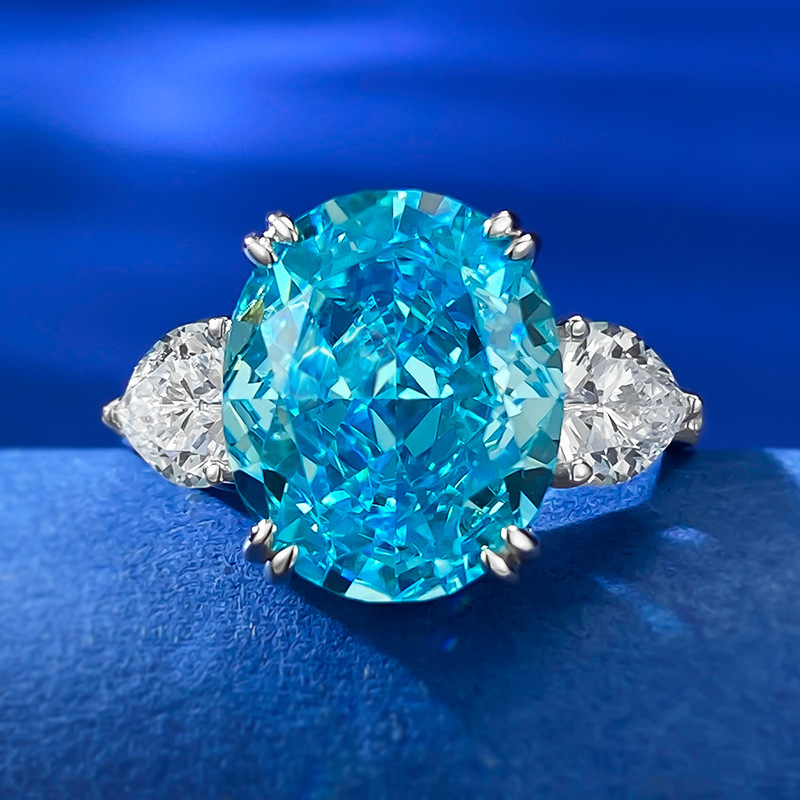
Best Lab-Grown Diamond Shapes for Face-Up Size and Budget: Compare Your Best Options
Choosing a diamond is never just about carat weight. For many shoppers, the real question is how much presence the stone has on the hand and how far the budget can go Without Giving Up beauty. That’s why the best Lab-Grown Diamond Shapes for face-up Size and Budget deserve a closer look. The shape you pick can change how large the diamond looks, how much it costs, and how it wears every day.
Not every diamond shape creates the same visual spread at the same carat weight. Some look wider from above, some keep more weight deeper in the stone, and some trade a little size for extra sparkle. If you’re comparing lab-grown diamonds, that difference matters even more because lab-grown stones already give you stronger size-for-price value. The right shape can stretch your budget and give you more face-up size without pushing you into a higher carat range.
This guide breaks down the best lab-grown diamond shapes for face-up size and budget using simple value comparison points. You’ll see how each shape performs, which ones tend to look biggest, and how to shop by millimeter size instead of carat alone.
Why Diamond Shape Matters for Face-Up Size and Budget
Face-up size is the visible surface area of a diamond when you look at it from above, usually once it’s set in a ring. It’s one of the easiest ways to judge how substantial a stone will Look on the Hand. A diamond with a larger face-up spread can look more impressive than a heavier diamond with a deeper profile.
That’s why diamond shapes are such a big part of the buying decision. Two diamonds can share the same carat weight and still look noticeably different once set. One may spread wider across the finger, while the other keeps more weight in depth. The result is a different visual impact, even before sparkle enters the picture.
For lab-grown diamonds, the value equation gets even better for buyers. Lab-grown stones usually cost less than natural diamonds at similar grades, so many shoppers use the savings to prioritize size. In that setting, the best lab-grown diamond shapes for face-up size and budget are the ones that make the most of every dollar, especially when you judge visible spread instead of weight alone.
A jeweler usually compares three things side by side:
- Millimeter dimensions
- Shape and outline
- Cut quality and proportions
That mix gives a clearer value comparison than carat alone. GIA and IGI grading reports help confirm cut details, proportions, and clarity, which makes it easier to balance beauty and budget.
Face-Up Size vs. Carat Weight
Carat weight tells you how much a diamond weighs. It doesn’t tell you how large it looks. A well-proportioned oval cut can appear bigger than a round brilliant of the same carat because more of the weight sits across the top surface.
That’s why shoppers should compare measurements in millimeters. Two stones that both weigh 1.50 carats may still have different length, width, and depth. The one with the larger face-up dimensions often looks more substantial on the hand.
Proportions matter too. A diamond that’s too deep can hide weight below the girdle, while a shallower stone may spread more of its weight where you can see it. That balance affects both visual size and overall value.
Why Lab-Grown Diamonds Change the Value Equation
Lab-grown diamonds change the buying math in a buyer-friendly way. They often deliver more size for the money than natural diamonds, which is why many shoppers target a bigger look without blowing up the budget.
Shape adds another layer of value. An elongated fancy shape with strong spread can make a lab-grown diamond look especially efficient. A round brilliant may cost more per carat because demand stays high, while oval, pear, and marquise shapes can stretch visible size more effectively.
That doesn’t mean one shape is always better. It means the best lab-grown diamond shapes for face-up size and budget depend on whether you care most about maximum visual spread, sparkle, or all-around versatility.
How Diamond Shapes Compare: Which Ones Look Biggest for the Money?
When shoppers compare diamond shapes, the goal is usually simple: find the stone that looks biggest and best within the budget. Some shapes naturally cover more surface area. Others cost less per carat because they’re less in demand. A few strike a balance that makes them strong value picks.
Here’s the practical ranking many jewelry pros use:
- Largest-looking shapes per carat: oval cut, pear shape, marquise cut
- Strong value and strong sparkle: oval cut, princess cut, radiant cut
- Classic look with premium pricing: round brilliant
- Elegant but less fiery: emerald cut
- Soft shape with balanced appeal: cushion cut
The best lab-grown diamond shapes for face-up size and budget are often not the most expensive ones. They’re the shapes that show more spread without forcing you to buy more carat weight than you need.
Comparison Table: Popular Diamond Shapes and Value Traits
| Diamond Shape | Face-Up Size Potential | Budget Efficiency | Sparkle Style | Key Notes |
|---|---|---|---|---|
| Round brilliant | Medium | Lower | Maximum brilliance | Classic look, often priced higher per carat |
| Oval cut | High | High | Bright, lively | Elongated shape can look larger |
| Pear shape | High | High | Balanced sparkle | Strong spread, pointed tip needs protection |
| Marquise cut | Very High | Very High | Dramatic, elegant | Often looks largest for the weight |
| Emerald cut | Medium-High | Moderate | Mirror-like flashes | Large open table, clarity matters more |
| Princess cut | Medium | High | Sharp sparkle | Square look, often value-friendly |
| Cushion cut | Medium | Moderate-High | Soft fire | Romantic outline, depends on proportions |
| Radiant cut | Medium-High | High | Strong sparkle and fire | Good mix of brilliance and visible size |
Round Brilliant
The round brilliant is the benchmark for sparkle. Its facet pattern is designed for strong light return, which is why so many buyers still choose it. If your top goal is brilliance and timeless appeal, it’s hard to beat.
Round brilliance usually comes with a higher price per carat than many fancy shapes. That can reduce budget efficiency if your main goal is visible size. A round brilliant may not maximize face-up size as well as an oval or marquise cut of the same weight.
Still, there are times when the premium makes sense. If you want the brightest look, the most traditional style, and easy pairing with almost any setting, the round brilliant remains a solid choice.
Oval Cut
The oval cut is one of the best lab-grown diamond shapes for face-up size and budget because it combines elongated spread with strong sparkle. The stretched outline can make it appear larger than a round diamond of the same carat weight.
That extra length also helps create elegant finger coverage, especially on average or smaller hands. Many shoppers find that an oval cut gives one of the best value comparison results in the lab-grown category.
There is one detail to watch: the bow-tie effect. Some ovals show a dark area across the center when viewed from above. A well-cut oval reduces that issue, so proportions matter. Ask for the exact millimeter measurements and look at photos or videos when possible.
Pear Shape and Marquise Cut
Pear shape and marquise cut diamonds are great for shoppers who want the most visual spread for the carat weight. Both are elongated fancy shapes, which means they often appear larger than their actual weight suggests.
A pear shape blends a rounded end with a pointed tip. It feels soft and elegant, and it often gives strong finger coverage. A marquise cut stretches elongation even more, creating a dramatic silhouette that can look very large for the size.
These shapes are especially appealing in lab-grown diamonds because the value comparison often favors visible spread. The trade-off is practical. The pointed tips need protection, so the setting matters. A protective prong or bezel-style setting can help reduce the risk of damage.
Emerald Cut
The emerald cut has a refined, architectural look. It uses step-cut facets and a large open table, which can create a wide and elegant face-up presence. It doesn’t sparkle like a round brilliant, but it has a clean, mirror-like effect that many buyers love.
From a value comparison view, emerald cut diamonds can feel generous in size because of their broad surface. The open design can make the stone seem larger across the finger, especially in longer proportions.
Clarity matters more here than in many brilliant cuts. Because the facets are open and spacious, inclusions can be easier to see. A well-cut emerald with strong clarity and balanced proportions can be beautiful, but buyers should review the grading report carefully.
Princess Cut, Cushion Cut, and Radiant Cut
Princess cut, cushion cut, and radiant cut each offer a different balance of spread, Sparkle, and Budget.
The princess cut is a square shape with sharp corners and lively brilliance. It’s often a smart budget-friendly option because it can deliver strong sparkle without the higher demand pricing tied to some classic shapes. It may not look as elongated as an oval or marquise cut, but it still performs well in a value comparison.
The cushion cut has rounded corners and a softer outline. Some cushions look more compact, while others show excellent spread depending on their proportions. They’re popular with shoppers who want a romantic style and a gentler look than a princess cut.
The radiant cut blends the outline of an emerald cut with brilliant-style facets. That gives it strong fire and a lively look. It can offer a good balance of visual size and sparkle, which makes it appealing for buyers who want modern sparkle without paying round brilliant pricing.
Best Lab-Grown Diamond Shapes by Priority: Size, Sparkle, and Savings
The best lab-grown diamond shapes for face-up size and budget depend on your top priority. A buyer who wants maximum visible size may choose differently from someone who wants the most brilliance or the safest long-term style choice.
Here’s a simple way to think about it.
Best for Maximum Face-Up Size
If visible spread is your main goal, the strongest options are usually:
- Marquise cut — Often looks largest for the carat weight because of its long, narrow shape.
- Pear shape — Offers excellent spread and flattering finger coverage.
- Oval cut — Delivers a large look with soft, modern elegance.
These diamond shapes are efficient at creating the illusion of size. They spread more of their footprint across the top surface, which is exactly what many buyers want from a lab-grown stone.
Best for Budget Efficiency
If the goal is to stretch your budget as far as possible, these shapes often stand out:
- Oval cut — Strong size appearance and good market value.
- Princess cut — Can be cost-effective while still offering great sparkle.
- Radiant cut — Often balances appearance and pricing well.
- Marquise cut — Frequently offers exceptional face-up size per dollar.
Budget efficiency isn’t just about a low price tag. It’s about how much beauty and presence you get for the cost. In that sense, the best lab-grown diamond shapes for face-up size and budget are usually the ones that look substantial without needing extra carat weight.
Best Balance of Sparkle, Size, and Value
For shoppers who want a balanced choice, the strongest all-around picks are often:
- Oval cut — Great blend of spread and sparkle
- Radiant cut — Strong brilliance with solid size presence
- Princess cut — Crisp geometry and good value
- Cushion cut — Softer shape with romantic appeal
These shapes are popular because they do several things well at once. They offer attractive face-up size, work in many settings, and avoid the price premium that can come with a round brilliant.
We’ve found that shoppers are happiest when they choose a shape that fits their style and still leaves room in the budget for cut quality, setting, and certification. That’s the real sweet spot.
How to Evaluate Shape Value Beyond Just Carat Weight
Carat weight is only one part of the buying equation. If you want the best lab-grown diamond shapes for face-up size and budget, you need to compare more than weight alone.
A smart value comparison usually includes:
- Millimeter dimensions
- Length-to-width ratio
- Cut quality
- Depth percentage
- Table percentage
- Clarity grade
- Setting style
That may sound technical, but it’s really just how pros decide whether a diamond looks impressive or simply weighs more.
Check the Millimeter Dimensions
Millimeter measurements tell you how much visible area the stone covers. This is one of the most useful ways to compare face-up size.
Two 1.50-carat diamonds can look different if one measures 7.40 x 5.60 mm and another measures 7.10 x 5.30 mm. The larger outline usually looks more substantial, even if both weigh the same.
For lab-grown diamonds, this step matters a lot. Since many buyers have more budget flexibility, comparing dimensions can reveal better value than chasing a slightly higher carat number.
Consider Cut Quality and Proportions
Cut quality affects brightness, sparkle, and how large a diamond appears. A well-cut stone reflects light efficiently, which can make it look more open and lively.
Proportions matter just as much. A stone that’s too deep can hide weight below the visible surface. A stone that’s too shallow can appear spread out but may lose balanced brilliance or durability.
GIA and IGI grading reports help buyers review proportions and clarity. They’re useful guardrails when evaluating the best lab-grown diamond shapes for face-up size and budget because they keep the focus on measurable quality rather than guesswork.
Choose Settings That Enhance Face-Up Size
The right setting can make a diamond look larger without changing the stone itself. That’s especially helpful for buyers who want the best lab-grown diamond shapes for face-up size and budget.
Good setting options include:
- Solitaire settings — Clean and focused, with no visual clutter
- Hidden halo settings — Add extra sparkle without overwhelming the center stone
- Slim band settings — Make the center diamond look larger by comparison
- V-prong or protective prong settings — Helpful for pointed shapes like pear and marquise cut
Metal color changes the look too. A white metal can blend into the diamond and make the center stone feel more prominent. Yellow or rose metal creates contrast, which some shoppers prefer for style reasons.
Common Mistakes to Avoid When Choosing Diamond Shapes
A good purchase depends on avoiding a few common traps. Some shoppers focus too much on one number and miss the bigger picture. Others choose the wrong shape for their lifestyle or overlook durability concerns.
Focusing on Carat Weight Only
Carat weight is easy to compare, but it’s not the best measure of face-up size. A heavier diamond can look smaller than a lighter one if the shape holds too much weight in depth.
That’s why the best lab-grown diamond shapes for face-up size and budget should always be compared by measurements, not by weight alone.
Ignoring Bow-Tie, Depth, or Clarity Considerations
Some shapes, especially oval cut and pear shape, can show a bow-tie effect if proportions are off. That dark central area can reduce brightness and lower satisfaction.
Depth is another issue. Deep stones may hide weight, while shallow stones may show spread but lose balanced brilliance. In step-cut styles like emerald cut, clarity matters even more because the open facets make inclusions easier to see.
Choosing a Shape That Doesn’t Match the Wearer’s Style
A diamond can be a strong value on paper and still feel wrong on the hand. Shape should fit the wearer’s style, finger shape, and daily routine.
For example, elongated shapes can lengthen the look of the finger. Square shapes can feel modern and bold. Round brilliant is the most classic. The best lab-grown diamond shapes for face-up size and budget still need to feel right for long-term wear.
Practical Buying Tips for Getting the Most Face-Up Size on a Budget
You don’t need to overspend to get a diamond that looks impressive. A few smart shopping habits can make a big difference.
Use Shape, Setting, and Ratio Together
Think of the diamond and the setting as one design. A slim band can make an oval cut or pear shape look larger. A hidden halo can boost presence without making the ring feel bulky.
The goal isn’t just to buy a diamond. It’s to create a complete look that feels balanced on the hand.
Compare Price Per Visual Spread
This is one of the most useful value comparison strategies. Instead of asking only which diamond costs less per carat, ask Which Diamond Looks best for the price.
A more expensive oval cut may still be a better buy than a cheaper round brilliant if it looks significantly larger and matches your style goals. The cheapest option isn’t always the smartest one.
A simple shopping checklist:
- Compare millimeter dimensions
- Review cut quality and proportions
- Look at the setting impact
- Check certification details
- Judge visual size against price
Ask for Expert Guidance and Certification Details
Certified diamonds give buyers more confidence. Grading reports from GIA or IGI help verify important details like shape, measurements, cut, and clarity. They also make it easier to compare stones fairly.
If you’re unsure which shape is best, ask a jewelry expert to explain how each one will look once mounted. Expert guidance can save time and help you avoid overpaying for a shape that doesn’t fit your priorities.
If you want to compare options side by side, you can shop lab-grown diamonds or browse engagement rings to see how different shapes perform in real ring settings. You can also design your ring online if you want to test different looks Before You Buy.
Frequently Asked Questions About Diamond Shapes, Face-Up Size, and Value
What diamond shape looks biggest for the price in a lab-grown diamond?
Elongated shapes like oval, pear, and marquise often appear larger than round diamonds of the same carat weight. That can make them strong value picks for shoppers who want more visible spread. The best lab-grown diamond shapes for face-up size and budget depend on whether you care most about size, sparkle, or a classic look. For the best value comparison, check millimeter dimensions instead of relying on carat weight alone.
Is a round brilliant or oval cut better for face-up size?
An oval cut usually looks larger from above because of its elongated shape. A round brilliant usually gives you stronger sparkle and a more timeless feel. If visible spread is your main goal, oval often has the edge. If brilliance matters most, round brilliant is usually the safer choice.
Which lab-grown diamond shape is best for a budget-friendly engagement ring?
Princess cut, oval cut, and cushion cut are often strong budget-friendly options, depending on the exact specs and setting. The best value comes from comparing millimeter size, cut quality, and overall appearance rather than carat weight alone. Certification helps confirm that you’re getting the quality you expect. If you want a wide look without jumping to a higher carat, oval and radiant are worth a close look.
Does an emerald cut look larger than a round diamond of the same carat weight?
An emerald cut can have strong face-up presence because of its broad, open shape. Still, it may not sparkle as much as a round brilliant. Whether it looks larger depends on the exact proportions and the specific measurements of the two diamonds. Clarity matters more in emerald cuts because the open facets make inclusions easier to see.
How do I maximize face-up size without overspending on carat weight?
Choose a shape known for visual spread, compare millimeter dimensions, and pick a setting that boosts presence, such as a slim band or hidden halo. Looking at shape, proportions, and setting together usually gives better value than increasing carat weight alone. A certified diamond with clear grading details makes comparison easier and more reliable. If you want a balanced result, oval cut and marquise cut are often smart places to start.
If you want help narrowing the options, you can also contact our jewelry experts for guidance or read more buying tips on our blog for related advice.
Choosing the Best Lab-Grown Diamond Shape for Your Priorities
The best lab-grown diamond shapes for face-up size and budget are the ones that give you the look you want without wasting money on hidden weight or oversized carat numbers. If your main goal is the largest visual spread, oval cut, pear shape, and marquise cut usually lead the pack. If you want the strongest sparkle and classic appeal, round brilliant still stands out. For shoppers focused on value comparison, princess cut, radiant cut, and oval cut often offer a smart balance of size, beauty, and pricing.
The smartest approach is simple: compare shape, millimeter dimensions, cut quality, and setting together. That gives you a more accurate view of face-up size and helps you make a purchase that feels both beautiful and efficient.
Ready to compare styles? Start with our engagement ring collection or use our ring builder to see how different diamond shapes look in your preferred setting.
Ready to Find Your Perfect Diamond?
Explore our collection of certified lab-grown diamonds
Shop Diamonds