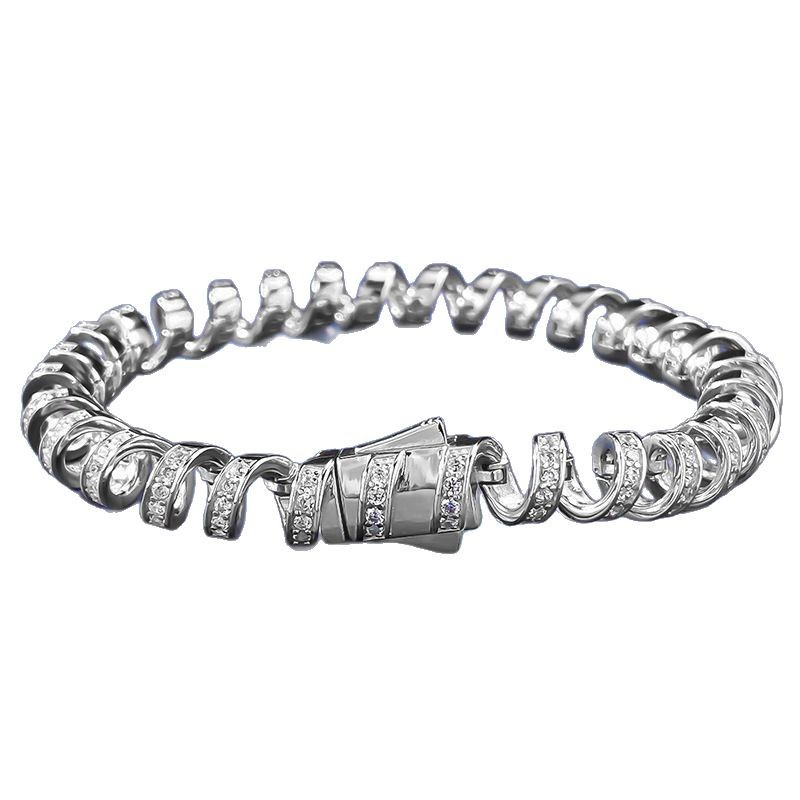
Best Jewelry Cleaning Solution for Gold: Commercial vs DIY
The best jewelry cleaning solution for gold depends on what you wear, how often you wear it, and how much shine you want back. For most pieces, the right cleaner should be safe, effective, and easy to rinse off without leaving film behind. That matters for yellow gold, white gold, and rose gold, and it matters even more when diamonds or other gemstones are part of the design.
We’ve seen one pattern come up again and again: people usually want fast results, but they don’t want to risk a loose prong or a dull finish. This comparison focuses on two simple choices. One is a commercial jewelry cleaning solution for gold. The other is a gentle DIY mix with mild soap and water.
Gold doesn’t tarnish the way silver does, but it still picks up oils, lotion, sunscreen, and soap residue. Even a thin film can make a ring or chain look tired. So the goal isn’t just cleaning. It’s cleaning without damage.
Jewelry Cleaning Solution for Gold: What Actually Works
A good jewelry cleaning solution for gold usually falls into one of two camps. Commercial cleaners come as liquids, foams, sprays, or dips. DIY care uses lukewarm water, mild soap, and a soft brush.
Both can work well. They just solve different problems.
Commercial cleaners are made to cut through body oils and grime faster. DIY care is simpler, cheaper, and often enough for routine touch-ups. If you’re trying to choose, ask three questions: how dirty is the piece, what stones are in it, and how cautious do you want to be?
Gold jewelry also gets touched more than most people realize. Hands, skincare products, and cooking residue build up fast. In our experience, rings worn daily often need cleaning more often than chains or earrings.
Why Gold Needs a Gentle Cleaner
Gold itself is stable, but most jewelry isn’t pure gold. It’s usually mixed with other metals for strength and color. Those alloys, plus settings and stones, can react badly to harsh products.
Karat matters too. A 10K gold piece has more alloy metal than 14K or 18K, so it can be less forgiving if you use the wrong cleaner. GIA guidance also steers shoppers away from bleach, chlorine, abrasive powders, and acidic home mixes. That advice holds up in real life.
A reliable jewelry cleaning solution for gold should do four things:
- Lift dirt and oil without scratching.
- Rinse cleanly.
- Protect the metal and compatible stones.
- Be easy to use at home.
Commercial Jewelry Cleaning Solution for Gold
A commercial jewelry cleaning solution for gold is a ready-made product designed for Fine Jewelry Care. You’ll find it in dips, soaking liquids, foams, sprays, and wipes. The best options are labeled for gold, and ideally for diamonds too.
That label matters more than most people think.
A cleaner made for gold jewelry should have a controlled formula that breaks down oils without attacking the metal. Some products also include a tiny brush or a basket, which helps with prongs, chain links, and textured details. If you clean an engagement ring or a diamond-set gold piece, this is often the better choice.
Commercial cleaners are a strong fit for:
- Gold engagement rings
- Wedding bands worn every day
- Gold chains and bracelets
- Diamond-set gold jewelry
- Detailed settings that trap grime
Benefits of Commercial Cleaners
The biggest win is convenience. A good jewelry cleaning solution for gold gives you steady results with very little guesswork. Follow the directions, rinse well, dry it, and you’re done.
These cleaners also handle built-up lotion, sunscreen, hand oil, and grime better than soap alone. That’s especially useful around prongs and chain links. If the goal is to bring back sparkle fast, commercial formulas usually do it better.
They’re also practical for gold and diamond pieces. Many are safe for lab-grown diamonds too, as long as the label says so. That makes them a handy everyday option for mixed jewelry collections.
Drawbacks of Commercial Cleaners
Not every jewelry cleaning solution for gold is safe for every piece. Some formulas shouldn’t be used on pearls, opals, emeralds, turquoise, antique settings, plated jewelry, or mixed-material designs.
Over-soaking can also cause trouble. Poor rinsing can leave residue behind, and a harsh formula can stress a finish or plating. In some cases, cleaning can even reveal a problem that was already there, like a loose prong or a worn clasp.
So read the label carefully. If the piece is high-value, fragile, or sentimental, a jeweler’s advice is worth getting before you use anything strong.
DIY Jewelry Cleaning Solution for Gold
DIY care usually means lukewarm water, a small drop of mild dish soap, a soft brush, and careful drying. It’s one of the safest home methods for many plain gold pieces and many gold pieces with diamonds.
The basic routine is simple. Mix lukewarm water with a little soap, soak briefly, brush gently, rinse well, and dry with a lint-free cloth. Keep the pressure light. You’re removing film, not scrubbing a pan.
There are also plenty of DIY ideas that sound harmless but aren’t. Baking soda can be abrasive. Vinegar is too acidic for many pieces. Toothpaste can scratch. Ammonia-heavy mixes and bleach are especially risky for gold alloys and many gemstone settings.
If a DIY recipe sounds more like household cleaner than jewelry care, skip it.
Benefits of DIY Care
DIY care wins on cost. You probably already have what you need at home, and the ingredients are gentle when used correctly. That makes it a smart choice for routine maintenance between deeper cleanings.
It’s also easy to control. If you’re cleaning a plain gold band or a simple chain, mild soap and water is usually enough. There’s low cost, low risk, and no harsh chemical smell.
DIY care works best for:
- Plain gold bands
- Simple gold chains
- Everyday earrings without delicate stones
- Diamond jewelry that only needs a light refresh
Limits of DIY Care
The biggest downside is that many homemade recipes online are plain wrong for fine jewelry. Harsh or abrasive ingredients can dull gold, scratch stones, or weaken settings over time.
DIY cleaning also has less punch when dirt is deep in the setting. Pavé rings, chain links, and heavily worn pieces often need a stronger jewelry cleaning solution for gold than soap alone can deliver. If sunscreen or cooking residue has built up, a gentle soak may only do part of the job.
DIY cleaning doesn’t replace inspection. If a prong is loose or a stone is cracked, cleaning won’t fix it. It may help you spot the issue, but you’ll still need a jeweler.
Jewelry Cleaning Solution for Gold: Side-by-Side Comparison
| Factor | Commercial Cleaner | DIY Mild Soap and Water |
|---|---|---|
| Cleaning power | Stronger for oil, residue, and detailed settings | Good for light maintenance |
| Safety | High when the label matches the jewelry | Very safe when kept simple |
| Cost | Moderate | Lowest cost |
| Convenience | Very easy and fast | Easy, but needs careful handling |
| Best for | Diamond rings, gold bands, chains, detailed pieces | Plain gold bands, simple chains, routine care |
| Risk level | Low to moderate if misused | Low if ingredients stay gentle |
| Best frequency | Weekly to monthly, depending on wear | Weekly or as needed |
The short version? A commercial jewelry cleaning solution for gold usually gives you better sparkle and deeper cleaning. DIY soap and water is the better low-cost option for regular upkeep.
If your piece is valuable, detailed, or diamond-set, commercial care usually gives the better result. If it’s simple and you just want it to stay fresh, mild soap and water is often enough.
Best Choice by Jewelry Type
Different pieces need different care. A jewelry cleaning solution for gold should match the piece, not just the metal.
- Diamond engagement rings: Use a commercial cleaner labeled safe for gold and diamonds when you want the best shine.
- Gold wedding bands: Commercial cleaning works well for daily wear, especially when hand oils build up fast.
- Plain gold bands: Mild soap and water is usually enough for regular upkeep.
- Gold chains and bracelets: Commercial cleaners help with buildup in links, while soap and water works for light cleaning.
- Antique gold or fragile settings: Professional cleaning is safer.
- Pearls, opals, emeralds, or unknown treatments: Avoid broad cleaners and ask a jeweler first.
If the design mixes metals or stones, inspect it before cleaning. A product that works on the gold may not be safe for everything else in the piece.
Who Should Choose Which Cleaner?
If you want the best shine and the least guesswork, choose a reputable commercial jewelry cleaning solution for gold. That’s usually the best fit for diamond rings, polished wedding bands, and intricate fine jewelry that picks up residue quickly.
If you want a low-cost routine cleaner and your jewelry is simple, mild soap and water is a smart choice. It’s especially useful for people who wear plain gold pieces every day and want something gentle they can repeat often.
Here’s a quick guide:
- Engagement ring owner: Choose a commercial cleaner labeled safe for gold and diamonds.
- Daily gold chain wearer: Use mild soap and water for regular upkeep, then switch to a commercial cleaner when buildup shows.
- Sensitive gemstone owner: Avoid broad commercial formulas unless the label clearly approves your stones.
- Minimalist jewelry owner: DIY care is often enough for plain gold.
- Premium fine jewelry buyer: Use a commercial jewelry cleaning solution for gold and schedule periodic inspection.
StoneBridge Jewelry customers who shop for lab-grown diamond rings, gold wedding bands, and fine jewelry usually get the best long-term results when they pair the right cleaner with proper storage and occasional professional service.
Safety Checklist Before You Clean
Before using any jewelry cleaning solution for gold, check the piece first.
- Look for loose stones, worn prongs, cracked gemstones, or bent clasps.
- Confirm whether the jewelry is solid gold, gold-plated, vermeil, or gold-filled.
- Use a soft-bristled brush, not a stiff brush or abrasive cloth.
- Work over a bowl, not near an open drain.
- Use lukewarm water, never hot water.
- Dry with a lint-free cloth after rinsing.
These steps are simple, but they prevent a lot of avoidable damage. They also help you catch a repair issue before it turns into a bigger bill.
Expert Recommendation: The Best Jewelry Cleaning Solution for Gold
The best jewelry cleaning solution for gold is a reputable commercial cleaner labeled safe for gold and diamonds. It’s the strongest all-around option for most solid gold jewelry and most diamond-set gold pieces, including lab-grown diamond rings.
Why does it win? It cleans better than soap alone and usually leaves less residue behind when you use it the right way. It also saves time. For shoppers who want a visible shine boost, it’s the best first pick.
Mild soap and water still earns a place in your routine. It’s the best backup method for simple pieces and for quick cleanups between deeper washes. It’s also a smart choice if you want the safest possible approach for everyday care.
The best long-term plan usually includes three habits:
- Clean at home with the right method.
- Store jewelry separately so pieces don’t scratch each other.
- Book occasional professional inspections for prongs, clasps, and settings.
GIA-style care guidance consistently warns against bleach, chlorine, abrasive powders, and long soaks in harsh mixes. It also recommends matching the cleaner to the stone, not just the metal.
StoneBridge Jewelry Pieces That Pair Well With Proper Care
If you want pieces that stay beautiful with the right cleaning routine, these StoneBridge Jewelry collections are a natural fit:
- shop our lab-grown diamonds for brilliant stones that pair well with proper gold care.
- explore our engagement rings if you’re comparing settings that need regular cleaning and inspection.
- browse our jewelry collection for fine pieces that benefit from a careful care routine.
- design your own ring if you want a setting built for easy maintenance.
For shoppers who want specific paths, these collections are especially useful:
Shop the Right Gold Cleaner
If you want the best overall performance, choose a high-quality jewelry cleaning solution for gold that’s labeled safe for your metal and stones. Keep mild soap and water on hand for routine touch-ups between deeper cleans.
That mix gives you the best balance of shine, safety, and convenience. It also fits the way most gold jewelry is worn: often, daily, and in contact with lotion, skin oils, and the environment.
For shoppers building a jewelry wardrobe that stays beautiful with simple care, StoneBridge Jewelry’s lab-grown diamond rings, gold wedding bands, and fine jewelry collections are strong places to start. If you want help matching a cleaner to a specific piece, contact our jewelry experts Before You Buy.
The best jewelry cleaning solution for gold is the one that fits the piece, protects the setting, and keeps the finish looking bright.
FAQ
What is the safest jewelry cleaning solution for gold at home?
The safest at-home option for many solid gold pieces is lukewarm water with a small amount of mild dish soap. Use a soft brush, rinse well, and dry with a lint-free cloth. This method is gentle enough for routine gold jewelry care and works well for many simple pieces.
Can I use a jewelry cleaning solution for gold rings with diamonds?
Yes, many commercial cleaners work well for gold rings with diamonds if the label says they’re safe for both materials. Always check for compatibility with accent stones, since not every ring uses the same mix of gems. If the setting feels loose, have it checked before you clean it.
Is vinegar a good jewelry cleaning solution for gold?
Vinegar is usually not a good choice for fine gold jewelry. It can be too acidic for some alloys, finishes, and gemstone settings. Mild soap and water is a safer home option, and a labeled commercial gold cleaner is better if you need more cleaning power.
How often should I clean gold jewelry with a cleaning solution?
Frequently worn gold jewelry can usually be cleaned every one to two weeks, depending on how much lotion, sunscreen, and daily grime it picks up. Rings and prong-set pieces often need attention more often because buildup shows quickly around the setting. For valuable jewelry, schedule periodic inspection too.
Can a jewelry cleaning solution for gold damage white gold or rose gold?
A cleaner labeled safe for gold is usually fine for white gold and rose gold. Even so, harsh chemicals can affect white gold plating and some finishes over time. Skip bleach, chlorine, abrasive pastes, and long soaks, and ask a jeweler if the piece is plated or antique.
Ready to Find Your Perfect Diamond?
Explore our collection of certified lab-grown diamonds
Shop Diamonds