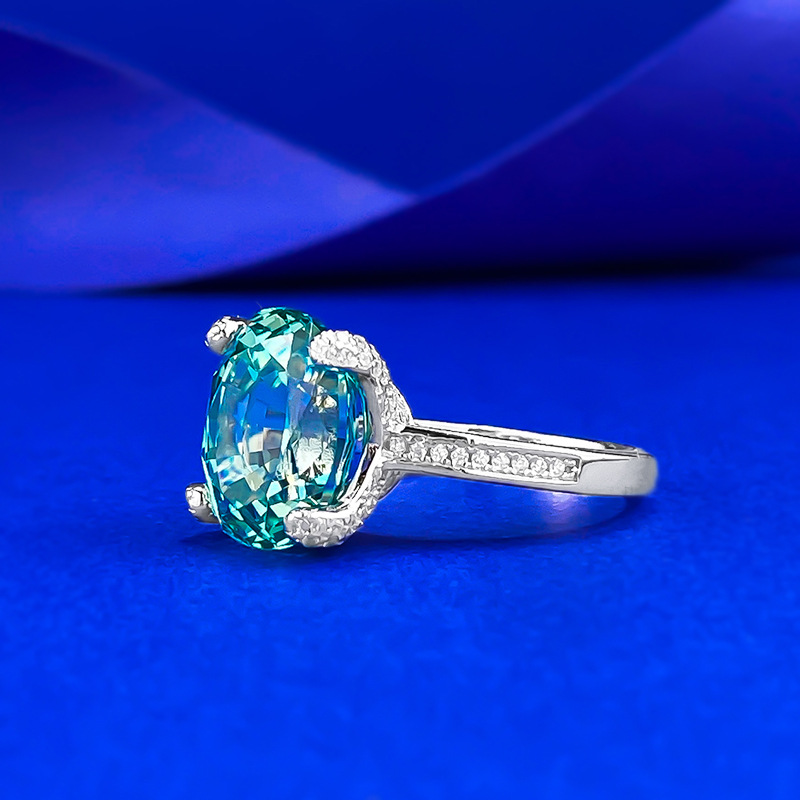
Asscher Cut Lab Diamond Anniversary Ring Cost Comparison
An anniversary ring has to do more than look pretty in a photo. It should fit the milestone, feel comfortable on the hand, and make sense for the budget. An asscher Cut Lab Diamond anniversary Ring Cost Comparison helps you see where the money goes before you choose a ring.
Asscher cut diamonds have a square shape, clipped corners, and step-cut facets. They don't sparkle like a round brilliant. Instead, they flash in broad, glassy steps that feel calm, clean, and vintage inspired.
Lab-grown diamonds can make that look more reachable. Many shoppers can choose a larger stone, a higher clarity grade, or a stronger setting for the same budget they might have spent on a mined diamond. The best choice still depends on the whole ring, not the diamond alone.
At StoneBridge Jewelry, we've found that customers compare better when they look at four things together: diamond specs, ring style, metal, and service support. A low price can be tempting, but a ring with weak setting work or unclear grading may cost more later.
Asscher Cut Lab Diamond Ring Cost Factors
A fair Asscher Cut Lab Diamond Anniversary Ring Cost Comparison starts with the center stone. Carat weight, color, clarity, measurements, polish, symmetry, and grading report all affect price. The setting then adds another layer through metal choice, stone count, and craftsmanship.
The Gemological Institute of America explains diamond quality through the 4Cs: color, clarity, cut, and carat weight. IGI also grades lab-grown diamonds with documented details such as origin, measurements, polish, and symmetry. Those reports help you compare real specs instead of sales language.
Carat weight often creates the largest price move. Diamonds can jump in price near popular weights such as 1.00, 1.50, 2.00, and 3.00 carats. A 1.90 carat Asscher cut may sometimes offer better value than a 2.00 carat stone with similar beauty.
Clarity matters more with Asscher cuts than with many brilliant cuts. The open step facets show the inside of the diamond. If an inclusion sits under the table, you'll likely notice it faster than you would in a round or oval diamond.
Carat, Color, and Clarity Trade-Offs
For many Asscher Cut Lab Diamonds, VS2 clarity or higher is a smart place to begin. Some SI stones can look clean to the eye, but they need careful review. Don't rely on the grade alone; look at the inclusion type and location.
Color depends on the metal and your taste. D-F diamonds look icy in platinum or white gold. G-H diamonds often face up bright and can save budget for a better setting or larger size.
Yellow gold and rose gold add warmth. That means a slightly warmer diamond may still look beautiful in the finished ring. Why pay for a color grade you can't really see once the ring is on the hand?
Asscher Cut Lab Diamond Anniversary Ring Cost Comparison by Style
Ring style can change the price as much as diamond grade. A solitaire puts most of the budget into one center stone. A three-stone ring adds side diamonds and more setting work. An eternity band uses many stones that must match in size, color, and shape.
Use this asscher cut lab diamond anniversary Ring Cost Comparison as a practical starting point:
| Ring style | What drives cost | Best fit | Relative cost |
|---|---|---|---|
| Solitaire Asscher ring | One center diamond | Clean anniversary upgrade | Moderate to high |
| Three-stone Asscher ring | Center stone, matched sides, labor | Major milestones | High |
| Half-eternity Asscher band | Total carat weight and matching | Daily wear and stacking | Moderate to high |
| Full eternity Asscher band | Stones around the full band | Statement anniversary gift | High to premium |
| Bezel-set Asscher ring | Metalwork and protection | Active wearers | Moderate to high |
| Halo Asscher ring | Accent diamonds and setting detail | Bigger visual spread | Moderate to high |
| Channel-set Asscher band | Stone count and channel walls | Smooth everyday wear | Moderate to high |
Total carat weight can be confusing. A 2.00 total carat weight ring may have one 2.00 carat center diamond, or it may have twenty smaller stones that add up to 2.00 carats. Those rings won't price the same, and they won't look the same.
A larger single diamond usually costs more per carat than many small diamonds. Still, a band with matched Asscher stones can be expensive because each stone needs a similar outline, height, color, and clarity. Matching takes time and skill.
Solitaire, Three-Stone, and Eternity Rings
A solitaire Asscher ring gives you the purest diamond focus. It works well if you want a center stone with strong presence and a simple setting. Small changes in carat weight or clarity can make a clear price difference.
A three-stone ring carries easy symbolism: past, present, and future. It also needs balance. The side stones should support the center diamond without looking mismatched or crowded.
Eternity rings feel luxurious because diamonds wrap around the finger. They also need careful sizing because full eternity bands are hard, and sometimes impossible, to resize. A half-eternity ring often gives a similar look from the top with better long-term flexibility.
Metal, Setting Labor, and Craftsmanship
Metal choice affects both price and wear. Platinum is dense, naturally white, and often used at about 95% purity in fine jewelry. It usually costs more than gold because of material weight and labor.
Gold gives you more color and budget options. 14k gold contains 58.3% pure gold, while 18k gold contains 75% pure gold. 14k can be a practical daily-wear choice, while 18k has a richer metal content and softer tone.
White gold has a bright look, but it may need rhodium replating over time. Yellow gold feels classic and warm. Rose gold can soften the geometry of an Asscher cut and give the ring a romantic look.
Setting labor is easy to overlook. Bezels, channels, halos, milgrain, custom galleries, and hand-finished prongs all add work. That work matters because anniversary rings are often worn during errands, travel, work, and celebrations.
A lower-priced ring isn't better value if the prongs are thin or the stones sit unevenly. Stone security, smooth finishing, and comfortable sizing all belong in an asscher cut lab diamond anniversary Ring Cost Comparison.
Lab-Grown vs Mined Diamond Value
Lab-grown and mined diamonds are both diamonds. They have the same crystal structure, and grading labs evaluate them using measurable quality factors. The difference for shoppers is usually price, availability, and personal preference.
Lab-grown diamonds often cost less than mined diamonds with similar size and quality. That can help anniversary shoppers move from a 1.00 carat look to a larger center stone, choose platinum, or select a more detailed setting without stretching the budget too far.
The largest savings often appear in bigger center stones and higher clarity grades. This matters for Asscher cuts because clarity and symmetry are easy to see. A cleaner stone can make the hall-of-mirrors pattern look sharper.
Resale shouldn't be the only measure of value. Anniversary rings are usually bought for meaning, daily beauty, and the memory attached to the gift. Warranty, return policy, certification, and craftsmanship all add value that a loose diamond price doesn't show.
For a clearer side-by-side review, compare certified stones through StoneBridge Jewelry's lab-grown diamond selection. If you want to pair a diamond with a specific setting, use the ring builder to test Options Before You decide.
How to Compare Prices Like a Smart Buyer
A useful asscher cut lab diamond anniversary ring cost comparison compares like with like. Same shape. Similar carat weight. Similar color and clarity. Similar metal, setting style, warranty, and return terms.
Before buying, check these details:
- Diamond origin clearly listed as lab-grown
- Grading report from GIA, IGI, or another respected lab
- Carat weight plus millimeter measurements
- Color and clarity grades, especially under the table
- Polish and symmetry details
- Metal type, including 14k, 18k, or platinum
- Setting style and stone count
- Return policy, warranty, resizing, and repair support
Measurements matter because carat weight measures weight, not spread. Two 1.50 carat Asscher cut diamonds can face up differently if one is deeper than the other. A well-proportioned stone can look larger and brighter than its carat weight suggests.
Photos and videos also help. Look for even steps, balanced corners, and a center pattern that doesn't go dark all at once. If the diamond looks lifeless in every view, the price may not be a bargain.
Online Price Red Flags
Be careful with vague product pages. Phrases like "premium quality" don't replace color, clarity, measurements, and certification. A trustworthy listing gives you the details needed to compare the ring fairly.
Watch the wording around carat weight. Center stone weight and total carat weight are not the same thing. Approximate weight can also mean the finished ring may vary slightly from the listed number.
Thin settings, unclear warranties, short return windows, and poor images are warning signs. Asscher cut lab diamonds reward precision. A good ring should show that precision in both the stone and the setting.
Comfort, Sizing, and Daily Wear
Before You Buy, think about how the ring will live on the hand. A high-profile solitaire may feel perfect for evenings and special occasions. A bezel, channel-set band, or half-eternity ring may fit daily wear better.
Sizing deserves extra care with anniversary bands. Wider rings can feel tighter than narrow rings. Fingers also change with heat, cold, salt, travel, and activity.
Full eternity rings need the most planning because resizing options are limited. If you're unsure, a half-eternity design can offer more flexibility while still showing diamonds across the top of the finger.
Stacking changes comfort too. An Asscher anniversary band may sit next to an engagement ring, wedding band, or both. Check height, width, and metal color so the set feels intentional rather than crowded.
For fit help, review StoneBridge Jewelry's ring sizing guide. You can also browse the wider fine jewelry collection if you're comparing an anniversary band with earrings, necklaces, or other milestone gifts.
Care and Long-Term Maintenance
Asscher cut diamonds look best when clean. Oils, lotion, soap, and dust can dull the broad step flashes. A simple wash with warm water, mild soap, and a soft brush can bring the pattern back.
Dry the ring with a lint-free cloth after cleaning. Avoid harsh chemicals, especially around white gold finishes or delicate details. Take the ring off for heavy cleaning, gardening, lifting, or rough work.
Plan for professional inspections. Prongs, bezels, channels, and shared settings can loosen with wear. A quick check can prevent a small repair from becoming a lost stone.
Best Buying Scenarios by Budget
If you want maximum size, Choose a Solitaire and compare measurements closely. A slightly lower color grade may free budget for better clarity or a larger face-up look.
If you want symbolism, choose a three-stone Asscher ring. Expect the cost to rise because matching side stones and setting three diamonds takes more care.
If you want easy daily wear, choose a half-eternity, bezel, or channel-set design. These styles often sit lower and protect the stones better than tall prongs.
If you want a luxury feel, consider platinum, higher clarity, and excellent matching. The ring may cost more, but the finished look often feels cleaner and more refined.
If you want stackability, choose a slimmer Asscher band with a comfortable profile. Make sure it sits well beside the rings you already wear.
Shop Asscher Cut Lab Diamond Anniversary Rings
A strong asscher cut lab diamond anniversary ring cost comparison doesn't chase the lowest price. It compares beauty, specs, construction, comfort, and service. That gives you a ring you'll enjoy long after the receipt is gone.
StoneBridge Jewelry helps you compare certified lab-grown diamonds, ring styles, metals, and setting details with clear product information. You can start with loose diamonds, build a ring, or compare finished anniversary styles.
Choose the Ring That Fits the milestone and the life around it. Shop StoneBridge Jewelry to compare Asscher cut lab diamond anniversary rings, review the details, and find the piece that feels right for your next chapter.
FAQ
How much does an Asscher cut lab diamond anniversary ring cost compared with a mined diamond ring?
An Asscher cut lab diamond anniversary ring often costs less than a mined diamond ring with similar carat weight, color, clarity, and setting quality. The exact gap changes with market pricing, certification, metal, and craftsmanship. For a fair asscher cut lab diamond anniversary ring cost comparison, compare the grading reports and finished ring specs side by side. Don't compare a certified lab-grown diamond ring with an uncertified mined diamond ring.
Is an Asscher cut lab diamond a good choice for an anniversary ring?
Yes, an Asscher cut lab diamond works beautifully for an anniversary ring if you like clean lines and vintage character. Its step-cut facets create broad flashes instead of tiny scattered sparkle. Because the facets are open, choose clarity and symmetry with care. A well-cut Asscher ring feels elegant, personal, and a little different from the usual round or oval anniversary styles.
What affects the price of an Asscher cut lab diamond anniversary band the most?
The biggest price factors are total carat weight, stone count, diamond matching, metal, and setting style. Full eternity bands usually cost more than half-eternity bands because diamonds go all the way around the ring. Asscher stones also need careful matching because color and clarity differences can show easily. Ask for clear details on total carat weight, stone sizes, and certification before buying.
Should I choose platinum or gold for an Asscher cut lab diamond anniversary ring?
Choose platinum if you want a naturally white metal with a weighty, premium feel. Choose gold if you want more color options and a wider price range. 14k gold is often practical for daily wear, while 18k gold has a richer gold content. Your best choice depends on budget, lifestyle, metal color, and how the ring will stack with other jewelry.
How do I compare Asscher cut lab diamond anniversary ring prices online?
Start by matching the main specs: carat weight, measurements, color, clarity, polish, symmetry, metal, and setting style. Then review the grading report, warranty, return window, and resizing options. Look closely at whether the listed carat weight refers to the center stone or total ring weight. A reliable asscher cut lab diamond anniversary ring cost comparison looks at the entire ring, not just the headline price.
Ready to Find Your Perfect Diamond?
Explore our collection of certified lab-grown diamonds
Shop Diamonds